Pokročilé bezpečnostní a ochranné funkce
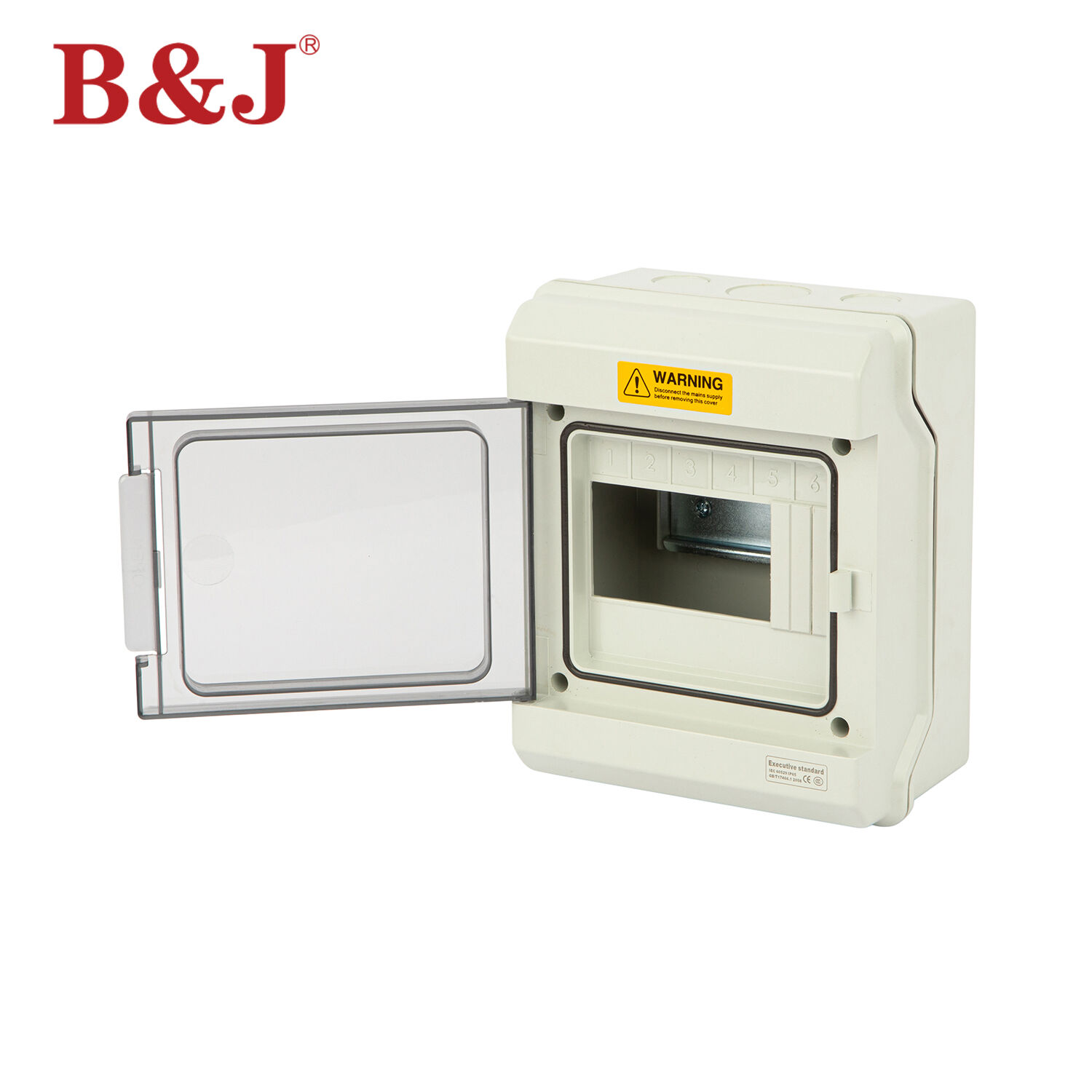
Rozvadová skříň pro bytové prostory obsahuje vícevrstvou sofistikovanou ochranu před nebezpečími, která výrazně přesahuje základní možnosti běžných elektrických rozvaděčů, a poskytuje komplexní bezpečnost pro váš domov i rodinu. Moderní jednotky jsou vybaveny integrovanou ochranou proti proudovým poruchám (GFCI), která nepřetržitě monitoruje průtok elektrického proudu a okamžitě odpojí napájení při zjištění nebezpečných zemních poruch, jež by mohly způsobit úraz elektrickým proudem. Technologie ochrany proti obloukovým poruchám (AFCI) rozpoznává nebezpečné podmínky elektrického oblouku, které tradiční jističe přehlížejí, a tak zabrání vzniku elektrických požárů ještě před jejich vznikem. Tyto pokročilé bezpečnostní funkce spolupracují s ochranami proti přepětí, jež chrání před napěťovými špičkami způsobenými bleskem, přepínáním dodavatele elektrické energie a zapínáním výkonných spotřebičů. Rozvadová skříň pro bytové prostory využívá chytrou senzorovou technologii, která analyzuje elektrické vzory a identifikuje potenciální nebezpečí, jako jsou uvolněné spoje, přehřáté obvody či poškození izolace, ještě než se stanou nebezpečnými. Funkce tepelného monitoringu detekují nadměrné hromadění tepla v jednotlivých obvodech a automaticky snižují výkon nebo odpojují problematické oblasti, aby se předešlo požárním rizikům. Integrované bezpečnostní systémy poskytují vizuální i zvuková upozornění na různé poruchové stavy, což umožňuje rychlou reakci na potenciální problémy. Funkce nouzového odpojení umožňují okamžité vypnutí napájení v nouzových situacích, zatímco selektivní izolace obvodů zabrání zbytečnému výpadku napájení v oblastech, které nejsou postiženy. Rozvadová skříň pro bytové prostory obsahuje komplexní dokumentaci a diagnostické možnosti, které pomáhají elektrotechnikům při odstraňování poruch a provádění údržby. Ochranné kryty odolné vůči povětrnostním vlivům chrání vnitřní komponenty před vlhkostí, prachem a jinými environmentálními kontaminanty, jež by mohly ohrozit bezpečnost či výkon. Profesionální instalace zajišťuje správné uzemnění, pospojování a soulad s platnými předpisy, čímž se maximalizují bezpečnostní výhody investice do rozvadové skříně pro bytové prostory. Redundantní systémy ochrany poskytují několik záložních bezpečnostních opatření, která zaručují nepřetržitou ochranu i v případě, že jednotlivé komponenty vyžadují údržbu nebo výměnu, a tím se rozvadová skříň pro bytové prostory stává nezbytným moderním doplněním jakéhokoli současného domácího elektrického systému.
 EN
EN