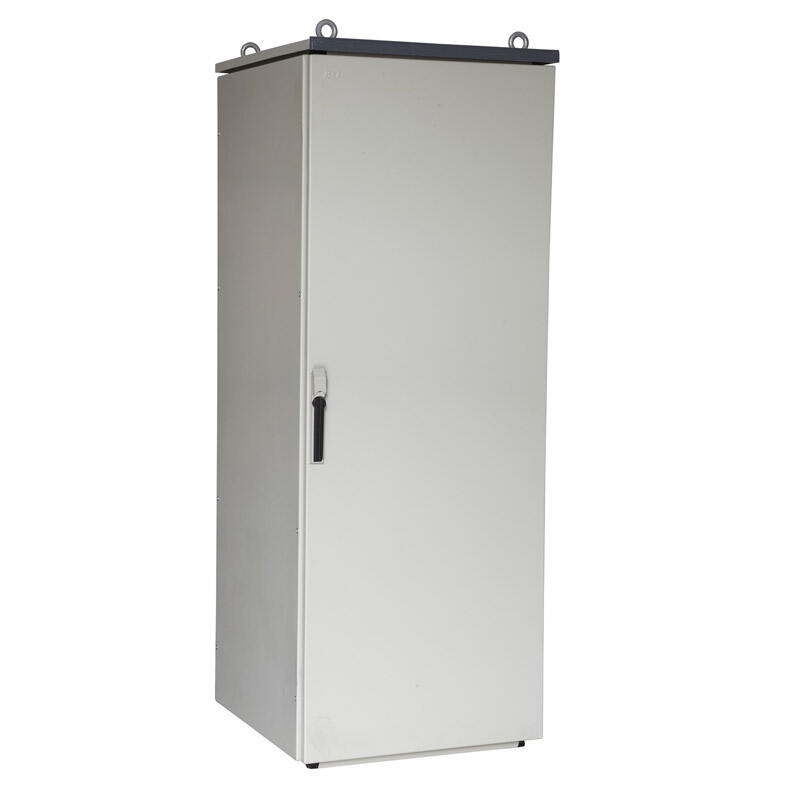
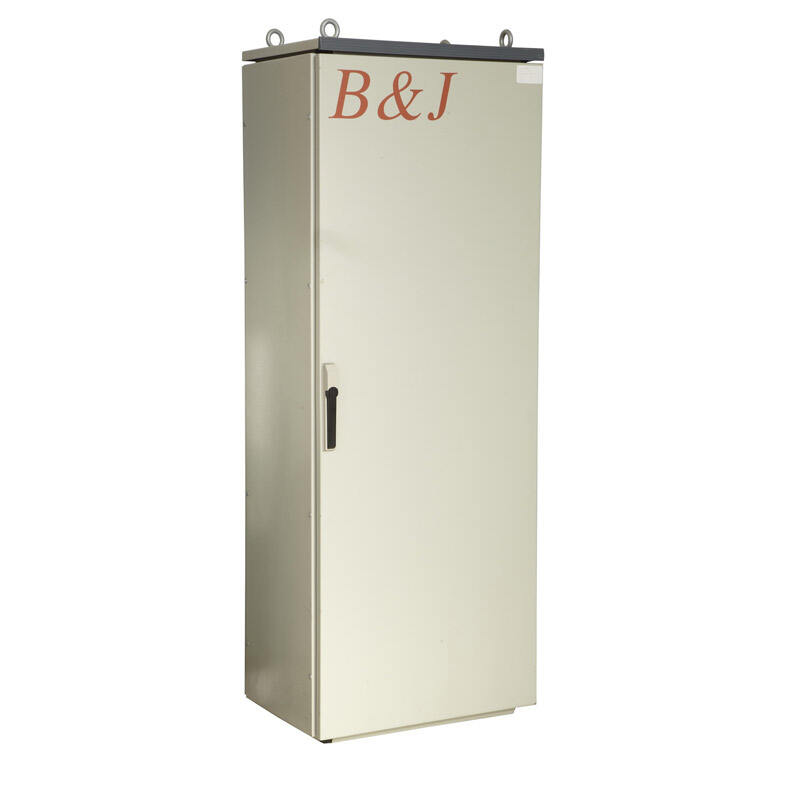
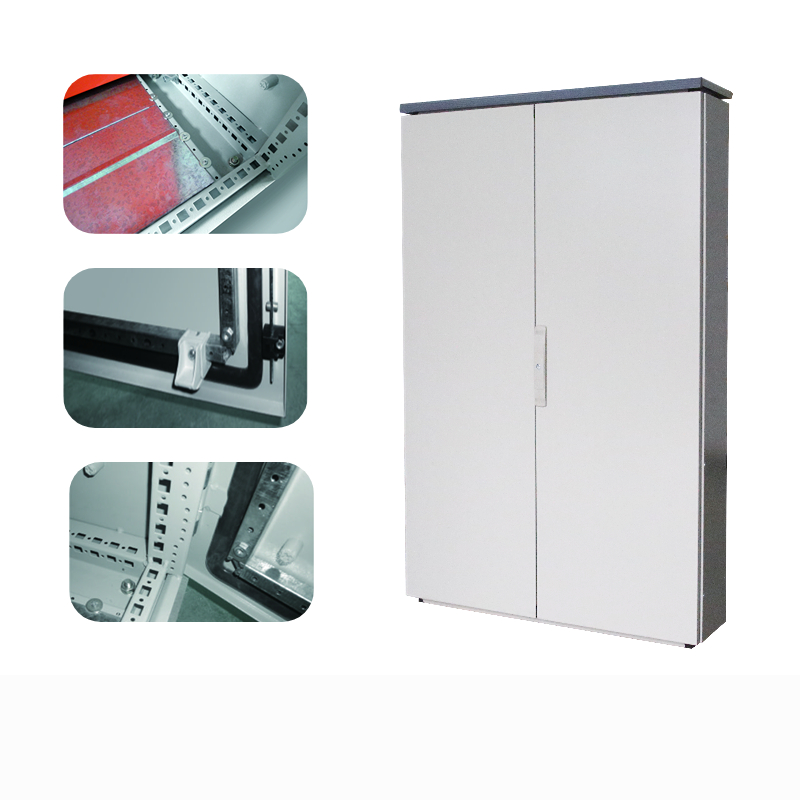
standardní modulární rozvaděč
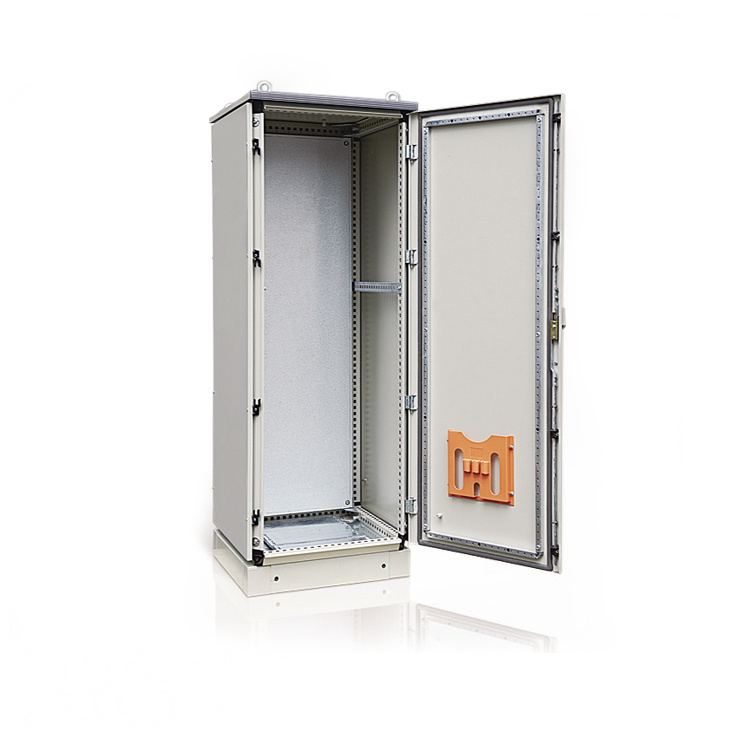
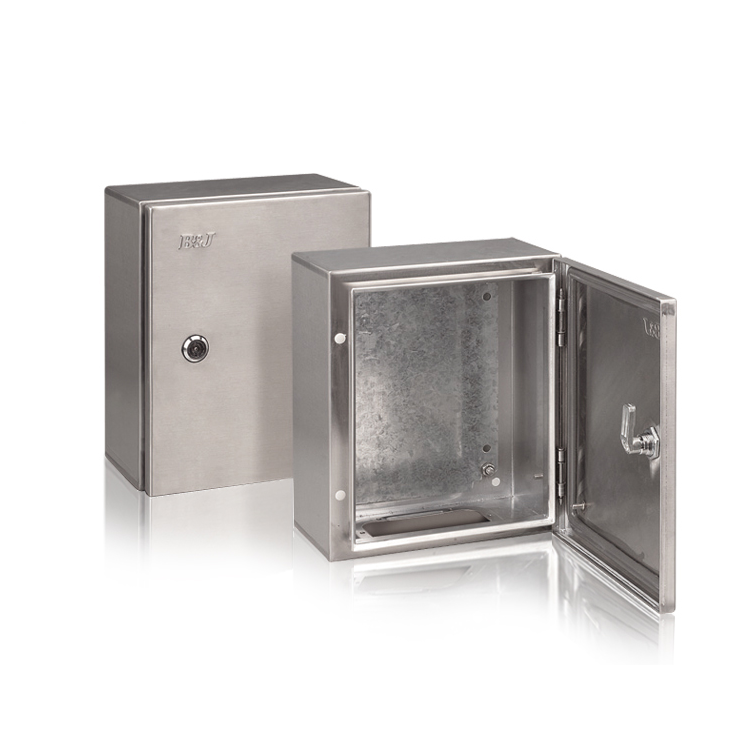
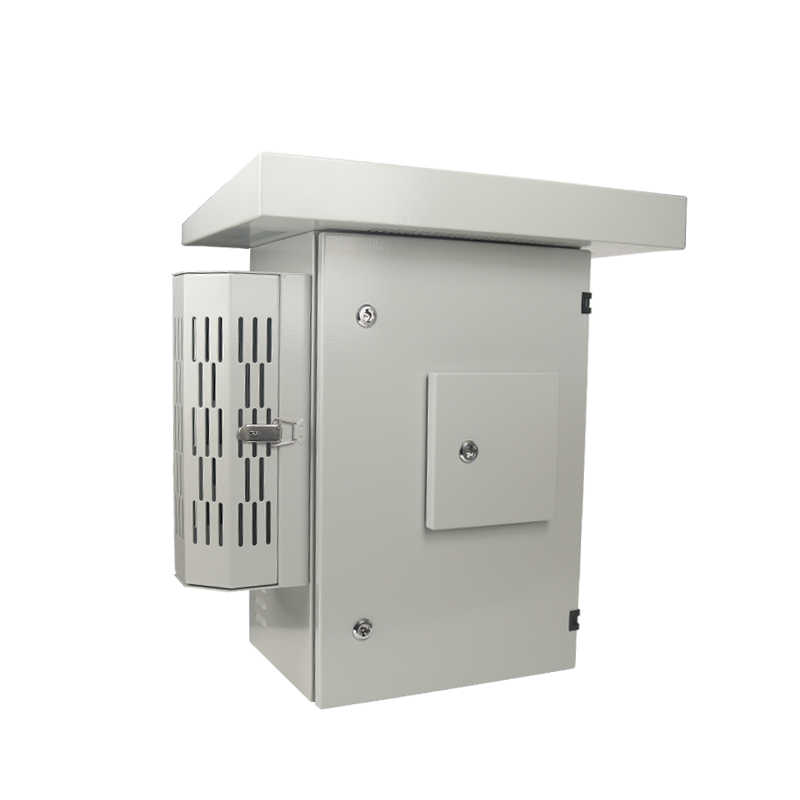
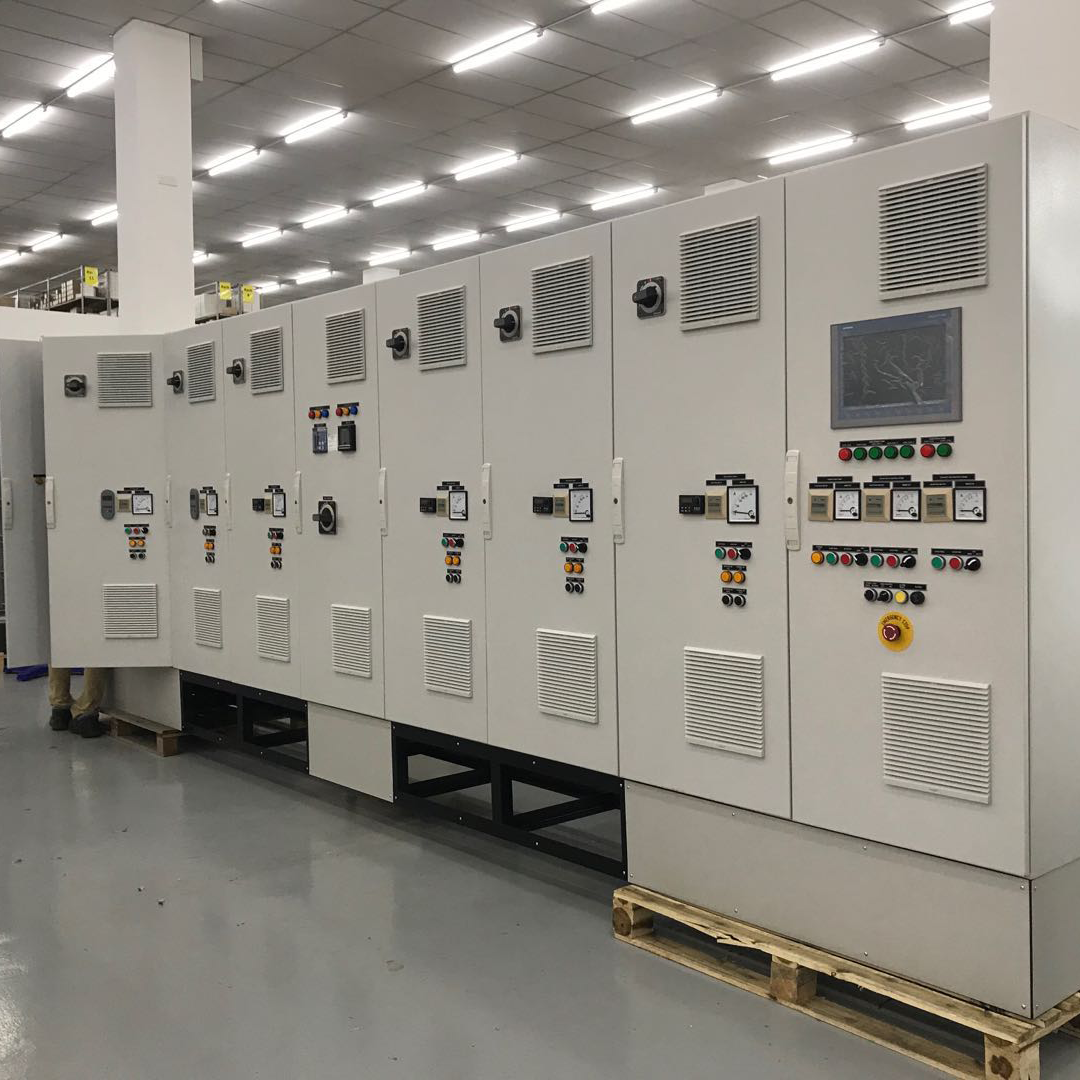
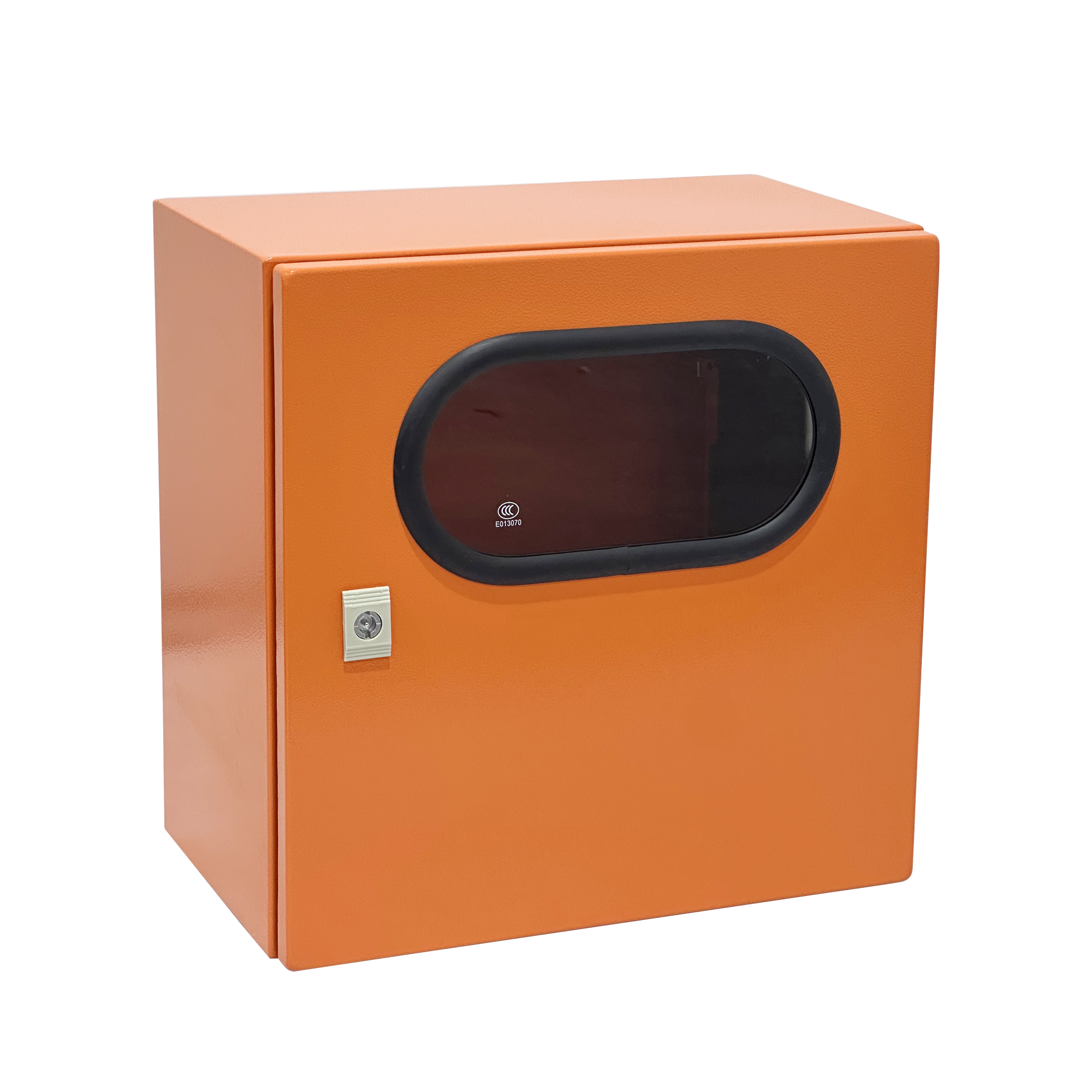
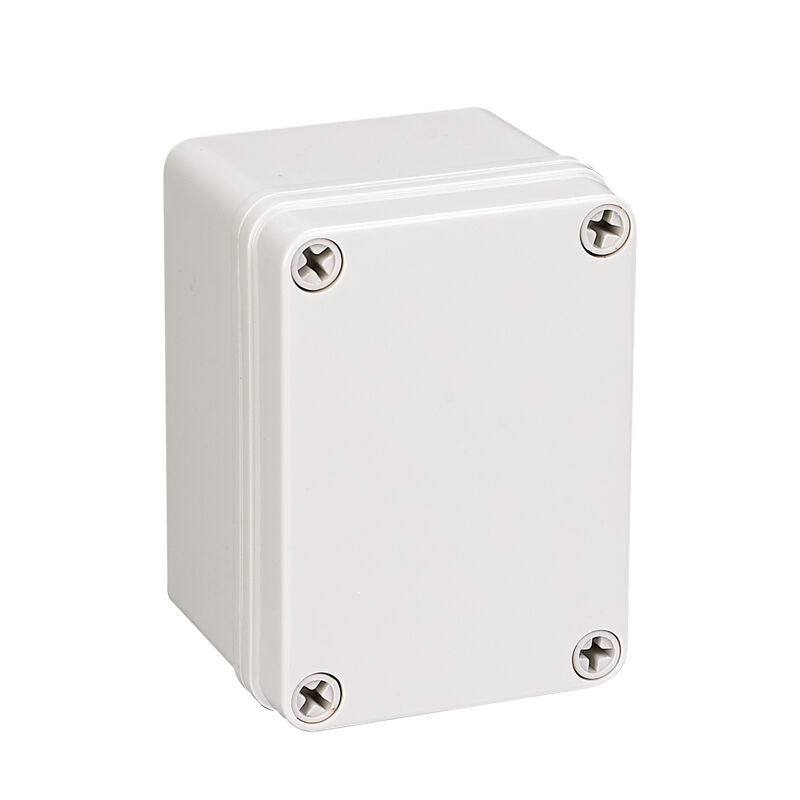
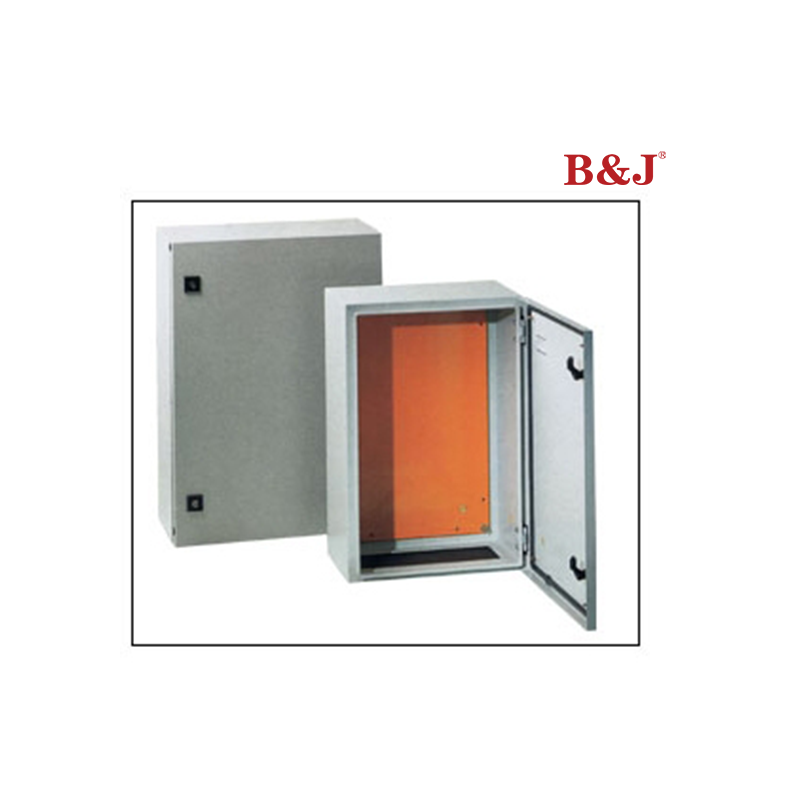
Standardní modulární skříň představuje univerzální řešení pro ochranu a uspořádání elektronických komponent, zařízení a systémů v různorodých průmyslových aplikacích. Tyto skříně jsou založeny na systematickém přístupu k výrobě a využívají standardizované komponenty, které lze sestavit v různých konfiguracích tak, aby vyhovovaly konkrétním provozním požadavkům. Filozofie modulárního návrhu umožňuje uživatelům vytvářet přizpůsobená řešení pro ochranu zařízení, přičemž zároveň zachovává kompatibilitu mezi jednotlivými komponenty systému a zajišťuje dlouhodobou škálovatelnost. Hlavní funkce standardní modulární skříně zahrnují ochranu před vnějšími vlivy, stínění proti elektromagnetickým rušivím, tepelné řízení a bezpečné upevnění zařízení. Tyto skříně chrání citlivé elektronické komponenty před prachem, vlhkostí, kolísáním teploty a fyzickým poškozením a zároveň umožňují řízený přístup pro údržbu a provoz. Technologické vlastnosti zahrnují přesně navržené systémy upevnění, integrovaná řešení pro správu kabelů a standardizovaná rozhraní, která usnadňují bezproblémovou integraci do stávající infrastruktury. Pokročilé materiály, jako jsou hliníkové slitiny, nerezová ocel a specializované polymery, zaručují odolnost a odolnost vůči korozním prostředím. Aplikace standardních modulárních skříní zasahují do mnoha odvětví, včetně telekomunikací, automatizace, řízení energetiky, datových center a výrobních zařízení. V oblasti telekomunikací tyto skříně obsahují síťové zařízení, servery a komunikační zařízení a zároveň zajistí optimální provozní podmínky. Průmyslová automatizace spoléhá na standardní modulární skříně pro ochranu programovatelných logických řídicích jednotek (PLC), frekvenčních měničů a senzorových sítí před náročnými výrobními prostředími. Energetický sektor tyto řešení využívá pro systémy rozvodu elektrické energie, instalace obnovitelných zdrojů energie a zařízení pro řízení elektrizační sítě. Modulární charakter umožňuje budoucí rozšíření a překonfiguraci bez nutnosti úplné výměny systému, čímž se tyto skříně stávají cenově výhodnou dlouhodobou investicí pro rostoucí organizace, které hledají spolehlivou ochranu zařízení a flexibilní infrastrukturní řešení.
 EN
EN