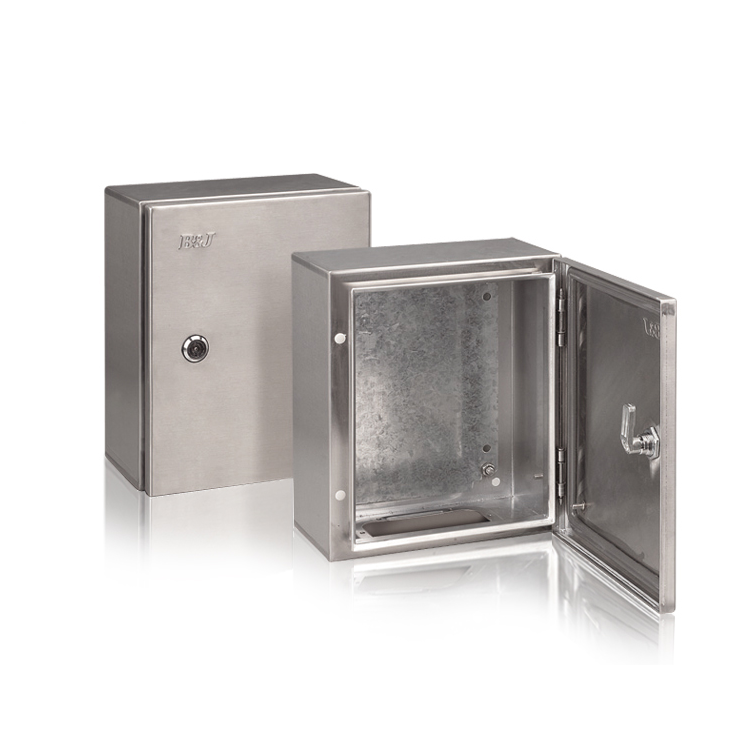
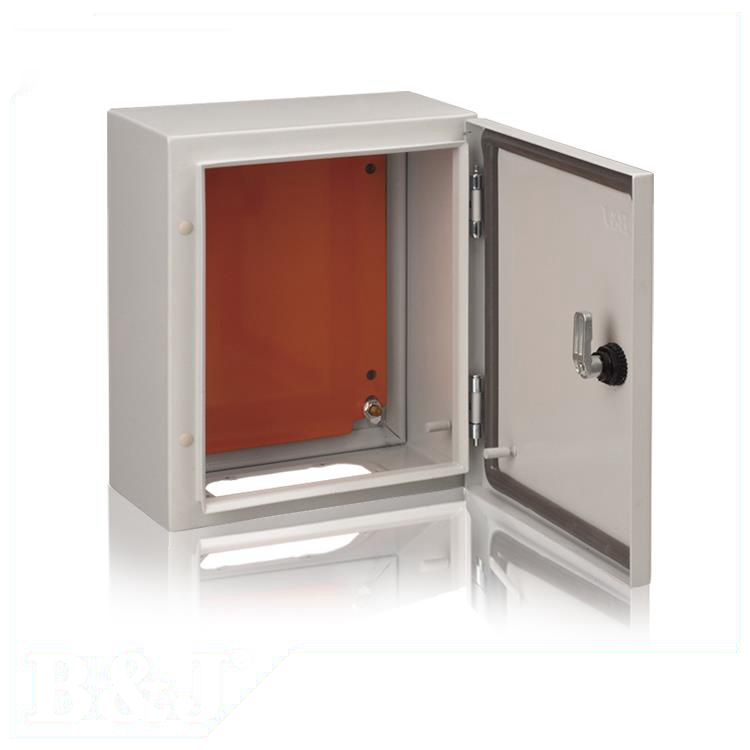
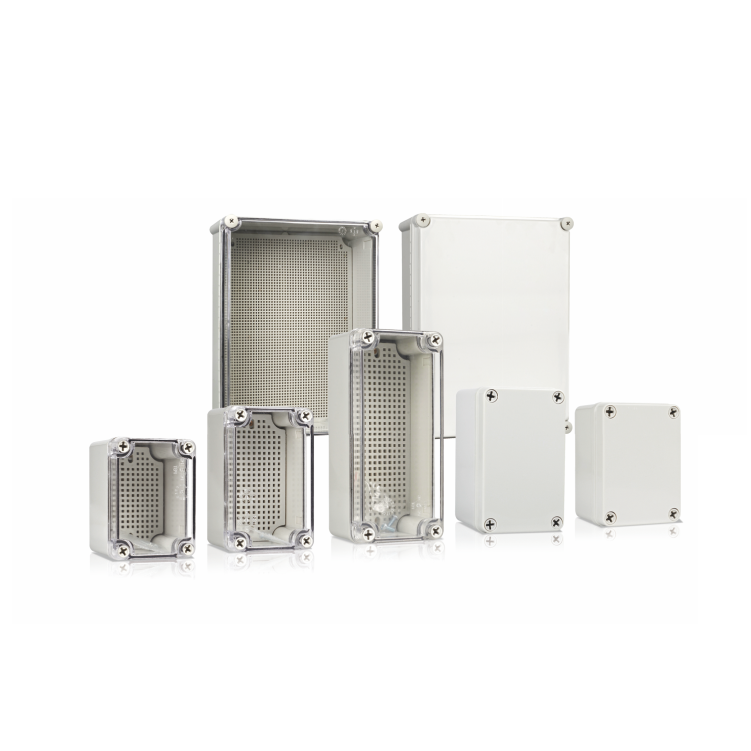
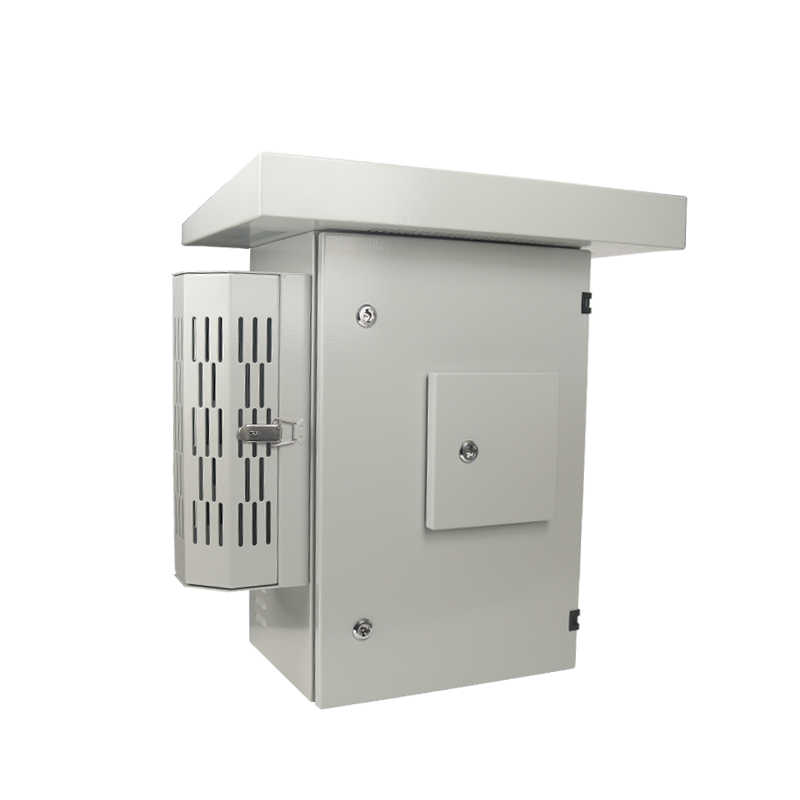
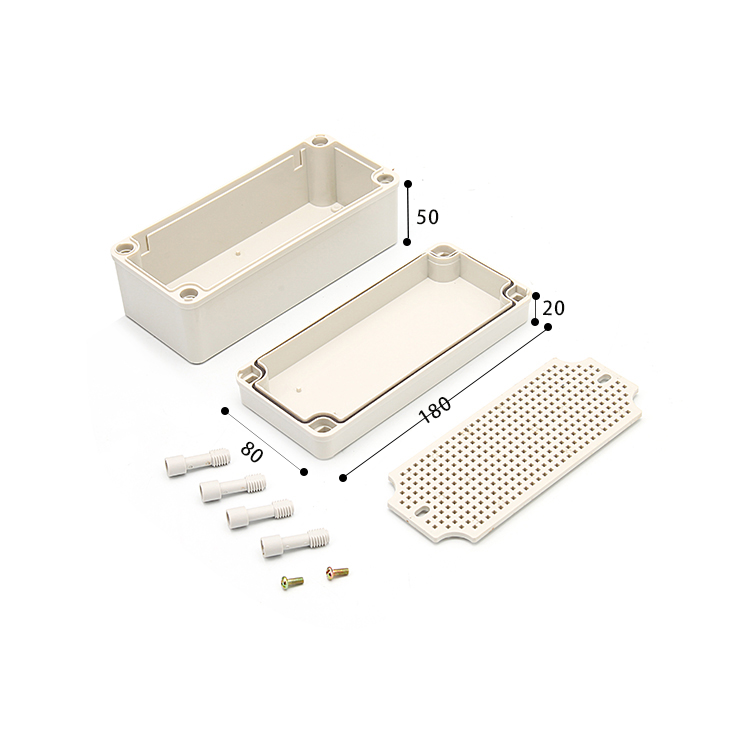
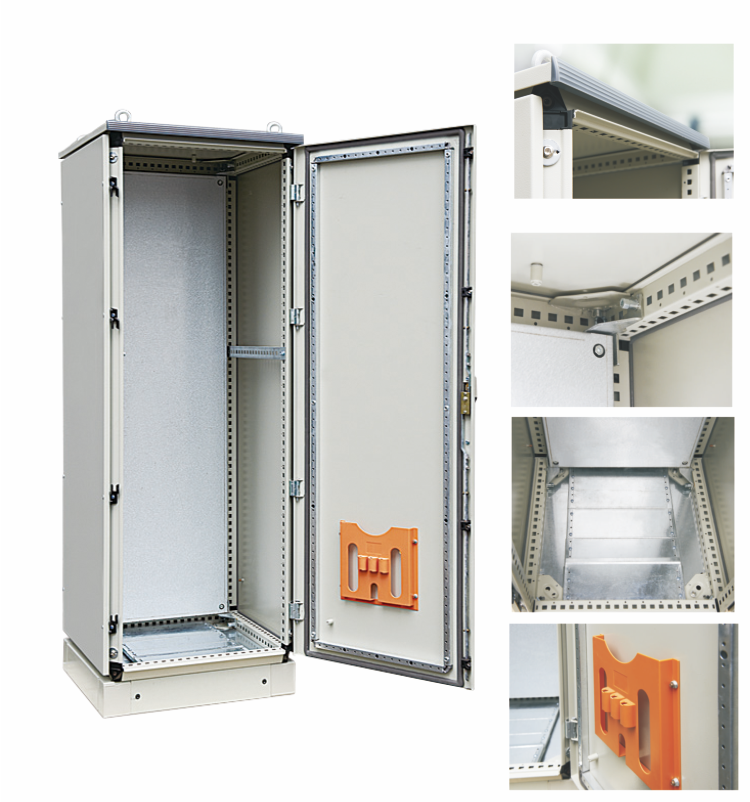
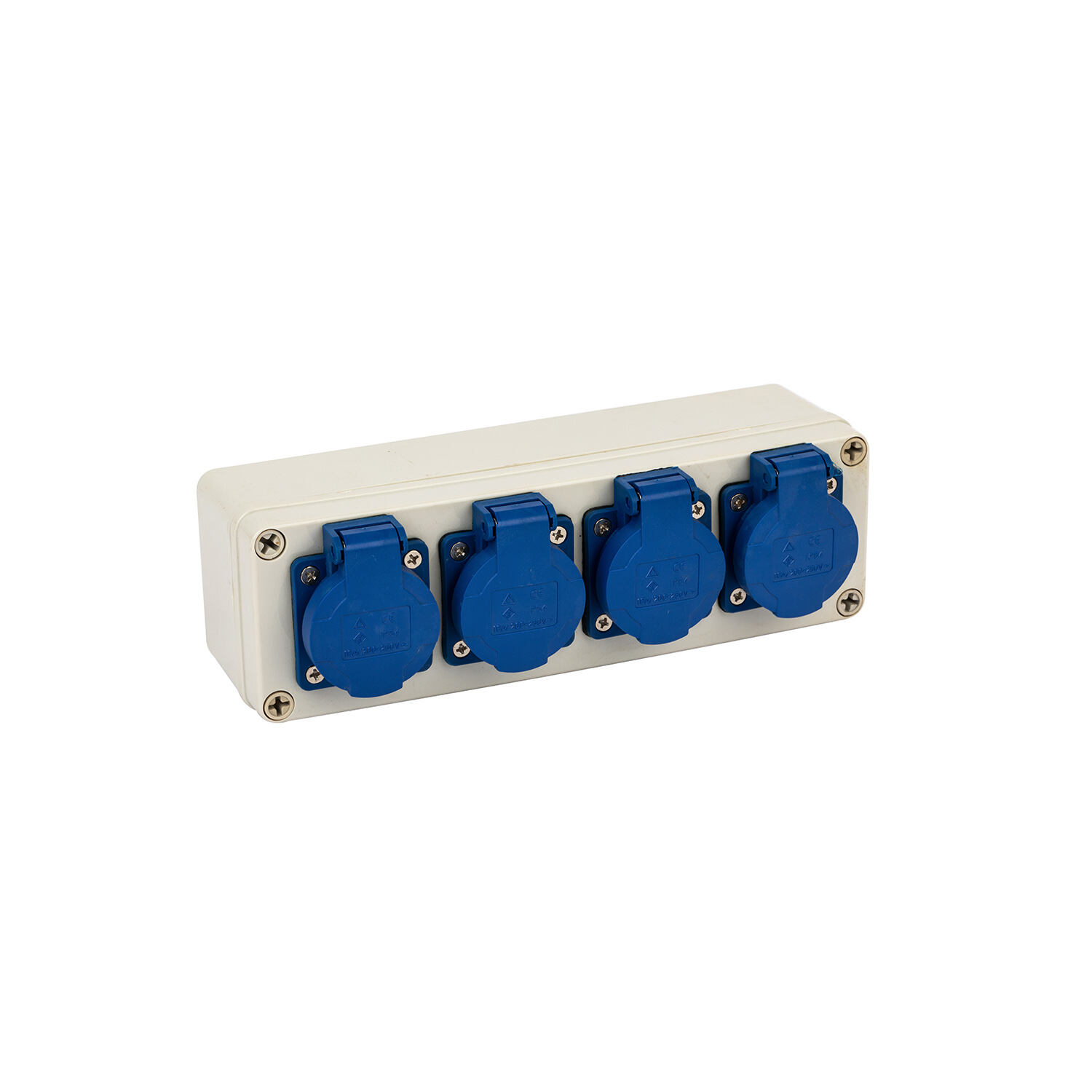
Industrial Control Enclosures - Premium Protection Solutions for Automation Equipment

Get a Free Quote

Our representative will contact you soon.
Email
Name
Company Name
Message
0/1000

industrial control enclosure

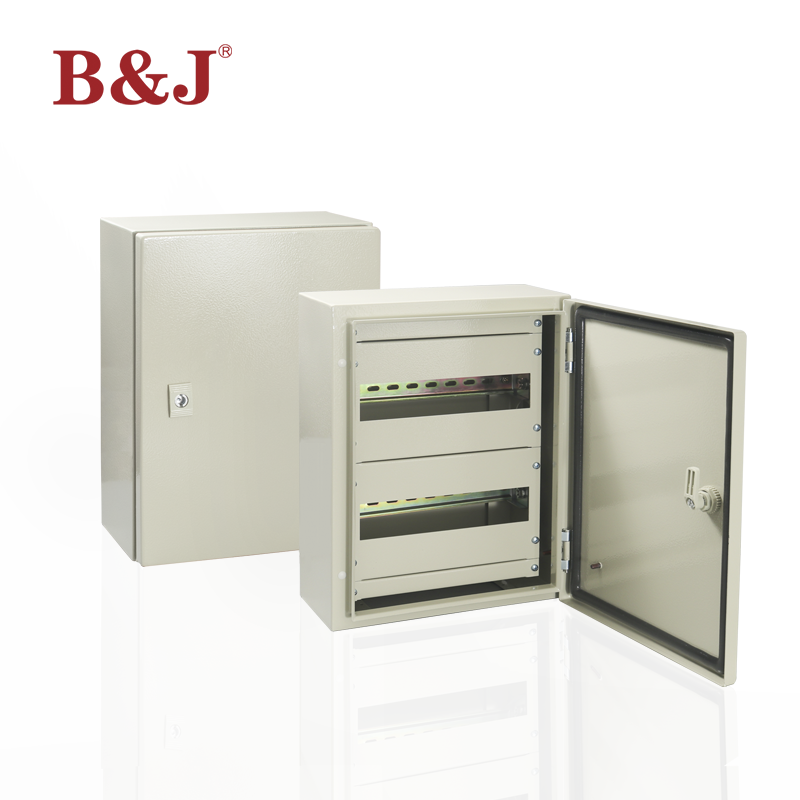
An industrial control enclosure serves as a protective housing system designed to safeguard critical electrical components, control panels, and automation equipment in demanding manufacturing environments. These specialized cabinets create secure barriers between sensitive electronic systems and harsh external conditions commonly found in industrial facilities. The primary function of an industrial control enclosure involves protecting valuable control equipment from dust, moisture, chemical exposure, electromagnetic interference, and physical damage while maintaining optimal operating conditions for enclosed components. Modern industrial control enclosures incorporate advanced ventilation systems, temperature regulation mechanisms, and robust sealing technologies to ensure consistent performance across various operational scenarios. These protective housings feature modular designs that accommodate different equipment configurations, allowing for customized installations based on specific application requirements. The technological framework of an industrial control enclosure includes corrosion-resistant materials, precision-engineered door seals, integrated cable management systems, and standardized mounting provisions for control devices. Advanced models integrate smart monitoring capabilities that track internal environmental conditions and provide real-time status updates to facility management systems. Industrial control enclosures find extensive applications across manufacturing sectors including automotive production, food processing, pharmaceutical manufacturing, chemical processing, oil and gas operations, and water treatment facilities. These versatile protection systems support various voltage levels and accommodate different control architectures, from simple relay-based systems to complex programmable logic controller networks. The enclosure design process considers factors such as ingress protection ratings, explosion-proof requirements, seismic resistance specifications, and thermal management needs. Quality industrial control enclosures undergo rigorous testing procedures to verify compliance with international safety standards and environmental specifications, ensuring reliable protection for critical automation infrastructure investments.

New Products

Industrial control enclosures deliver substantial operational benefits that directly impact productivity, safety, and cost-effectiveness in manufacturing environments. These protective systems extend equipment lifespan significantly by shielding sensitive components from environmental hazards that cause premature failure and costly downtime. The robust construction of quality enclosures prevents dust accumulation on circuit boards, moisture infiltration that leads to corrosion, and temperature fluctuations that stress electronic components beyond their design limits. Facility managers experience reduced maintenance costs because protected equipment requires fewer repairs and component replacements compared to exposed systems. The organized internal layout of well-designed industrial control enclosures simplifies troubleshooting procedures and routine maintenance tasks, allowing technicians to access components quickly and safely. Enhanced safety features built into modern enclosures include proper grounding systems, arc flash protection, and secure locking mechanisms that prevent unauthorized access to live electrical components. These safety measures protect personnel from electrical hazards while ensuring compliance with workplace safety regulations and insurance requirements. Industrial control enclosures improve system reliability by providing stable operating environments that minimize electromagnetic interference and voltage fluctuations affecting control system performance. The standardized mounting arrangements and cable management features reduce installation time and labor costs while ensuring professional appearances that meet facility aesthetics requirements. Energy efficiency benefits emerge from thermal management systems that maintain optimal operating temperatures without excessive cooling requirements. Many enclosures incorporate intelligent ventilation designs that reduce HVAC loads while preventing condensation formation inside the cabinet. The modular nature of quality industrial control enclosures allows for future expansion and equipment upgrades without requiring complete system replacements, protecting initial investments and supporting business growth initiatives. Proper enclosure selection and installation contribute to improved process control accuracy, reduced equipment failures, lower insurance premiums, and enhanced overall equipment effectiveness metrics that directly impact profitability. These tangible advantages make industrial control enclosures essential investments for any facility seeking to optimize automation system performance and minimize operational risks.

Practical Tips

What Makes Industrial Enclosures Best-Sellers Overseas in 2025: Specs, Prices & Market Trends

25

Feb

What Makes Industrial Enclosures Best-Sellers Overseas in 2025: Specs, Prices & Market Trends

The global industrial enclosure market continues to experience unprecedented growth as manufacturers worldwide seek robust protection solutions for their electrical and electronic components. Modern industrial facilities require enclosures that can w...
View More
EPDM vs. Silicone Gaskets for Junction Enclosures: Which Seals Best?

24

Mar

EPDM vs. Silicone Gaskets for Junction Enclosures: Which Seals Best?

When designing electrical installations that must withstand harsh environmental conditions, the choice between EPDM and silicone gaskets for your junction enclosure can determine the long-term reliability of your entire system. Both materials offer d...
View More
2025 Industrial Metal Enclosure Pricing & Sourcing Guide

23

Apr

2025 Industrial Metal Enclosure Pricing & Sourcing Guide

Industrial procurement professionals face increasingly complex decisions when sourcing metal enclosure solutions in 2025, with market dynamics shifting due to raw material costs, manufacturing innovations, and evolving regulatory requirements. This c...
View More
Top 10 Modular Enclosure Brands in 2025 (Side-by-Side Review)

23

Apr

Top 10 Modular Enclosure Brands in 2025 (Side-by-Side Review)

Selecting the right modular enclosure brand requires understanding which manufacturers consistently deliver quality, innovation, and reliability in industrial protection solutions. The modular enclosure market in 2025 features established leaders who...
View More

Get a Free Quote

Our representative will contact you soon.
Email
Name
Company Name
Message
0/1000

industrial control enclosure

Superior Environmental Protection and Durability

Superior Environmental Protection and Durability

The environmental protection capabilities of an industrial control enclosure represent one of its most valuable attributes, providing comprehensive defense against harsh industrial conditions that can devastate unprotected equipment. These specialized housings feature advanced sealing technologies that achieve high ingress protection ratings, effectively preventing dust, dirt, moisture, and chemical vapors from penetrating the cabinet interior where sensitive control components operate. The multi-layer protection system begins with precision-machined door frames and high-performance gasket materials that create watertight seals capable of withstanding pressure washing, steam cleaning, and extreme weather conditions. Advanced industrial control enclosures utilize corrosion-resistant materials such as stainless steel, aluminum alloys, or specially coated carbon steel that maintain structural integrity even when exposed to corrosive chemicals, saltwater environments, or extreme temperature variations. The internal environment remains stable through sophisticated ventilation systems that regulate temperature and humidity while filtering incoming air to remove contaminants. These protection features prove particularly valuable in food processing facilities where frequent washdowns occur, chemical plants with corrosive atmospheres, outdoor installations exposed to weather extremes, and marine applications where salt spray poses constant threats. The durability aspect extends beyond material selection to include robust construction methods featuring reinforced mounting points, impact-resistant designs, and vibration dampening systems that protect enclosed equipment from mechanical stresses. Quality manufacturers subject their industrial control enclosures to extensive testing protocols including salt spray exposure, thermal cycling, vibration resistance, and impact testing to verify long-term performance under real-world conditions. This comprehensive environmental protection translates into extended equipment lifespans, reduced maintenance requirements, improved system reliability, and lower total cost of ownership for facility operators. The investment in a properly specified industrial control enclosure pays dividends through prevented equipment failures, reduced downtime costs, and enhanced operational continuity that supports business objectives.
Flexible Design and Easy Installation Features

Flexible Design and Easy Installation Features

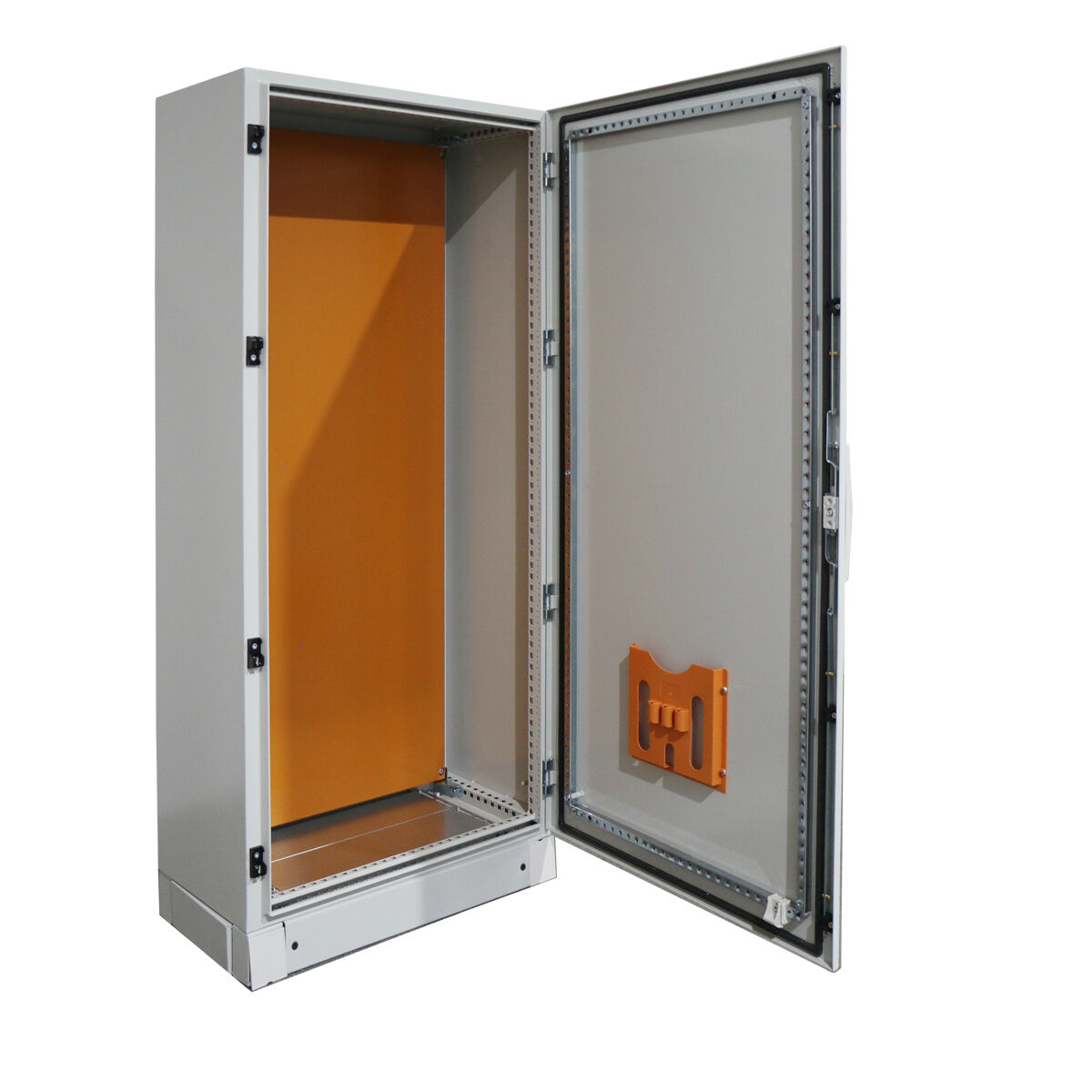
The flexible design characteristics of modern industrial control enclosures provide significant advantages for system integrators and facility managers who need adaptable solutions for diverse application requirements. These versatile protective housings incorporate modular construction principles that allow for extensive customization without requiring expensive engineering modifications or extended lead times. The internal layout of a quality industrial control enclosure features adjustable mounting rails, removable panels, and configurable cable entry systems that accommodate various equipment configurations and future expansion needs. Standardized dimensions and mounting patterns ensure compatibility with industry-standard components while providing flexibility to integrate custom devices or specialized instrumentation. The installation process benefits from thoughtful design elements including pre-punched mounting holes, integrated lifting points for heavy units, and standardized hardware that simplifies field assembly procedures. Many industrial control enclosures feature hinged doors with removable pins that allow complete door removal for easier equipment installation in tight spaces or when installing large components. Cable management systems built into quality enclosures include organized entry points, internal routing channels, and strain relief provisions that maintain neat appearances while protecting wire connections from damage. The modular approach extends to accessories such as cooling systems, lighting packages, and monitoring devices that integrate seamlessly with the base enclosure design. Pre-engineered options for common applications reduce design time and eliminate guesswork while custom modifications remain possible for unique requirements. The standardized construction methods used in industrial control enclosures ensure consistent quality and interchangeability between different manufacturers, providing supply chain flexibility and competitive pricing options. Installation teams appreciate features like pre-installed ground bars, labeled component mounting areas, and clear documentation that accelerates commissioning schedules. These flexible design elements combined with user-friendly installation features make industrial control enclosures cost-effective solutions that adapt to changing operational needs while maintaining professional standards and regulatory compliance requirements that facility managers demand.
Advanced Thermal Management and Smart Monitoring

Advanced Thermal Management and Smart Monitoring

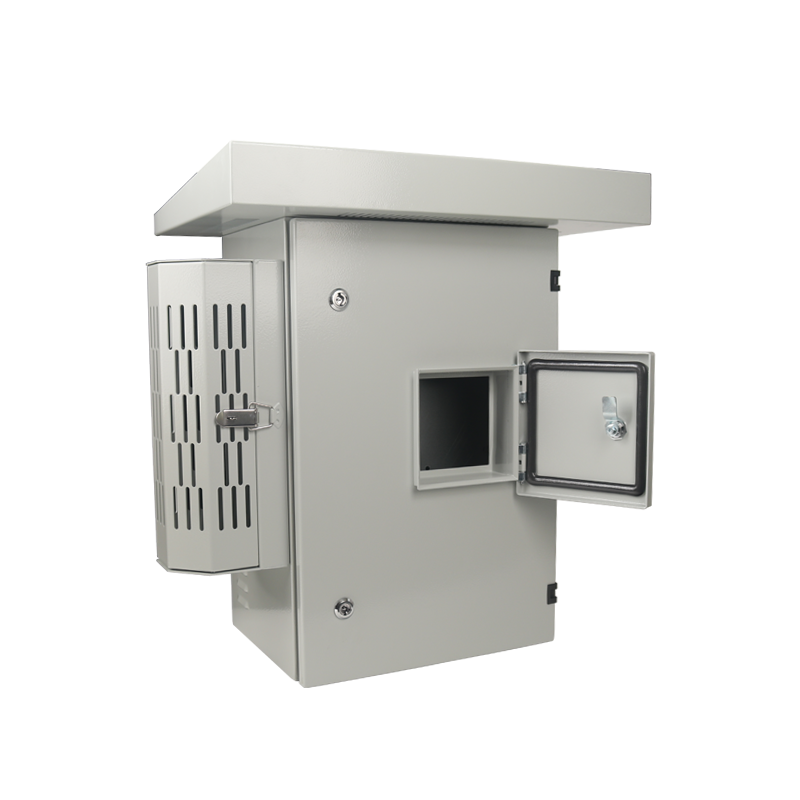
The thermal management capabilities of sophisticated industrial control enclosures represent critical technology that ensures optimal performance and longevity of enclosed automation equipment. These systems incorporate intelligent cooling solutions that maintain stable internal temperatures even when external conditions fluctuate dramatically or when high-power devices generate substantial heat loads within the cabinet. Advanced thermal management begins with computational fluid dynamics analysis during the design phase to optimize airflow patterns and eliminate hot spots that could damage sensitive electronic components. Modern industrial control enclosures feature variable-speed fan systems that automatically adjust cooling capacity based on internal temperature sensors, providing efficient operation while minimizing energy consumption and noise levels. The cooling architecture often includes redundant fan systems with automatic switchover capabilities that maintain protection even if individual fans fail, ensuring continuous operation of critical processes. Heat exchanger technology integrated into premium industrial control enclosures allows for effective thermal management without introducing external air that might contain contaminants, dust, or moisture that could damage equipment. Smart monitoring systems built into advanced enclosures provide real-time visibility into internal conditions including temperature, humidity, door status, and power consumption through digital displays and network connectivity options. These monitoring capabilities enable predictive maintenance strategies by alerting facility personnel to developing issues before they cause equipment failures or process disruptions. The data logging functions capture historical trends that help optimize system performance and identify opportunities for energy savings or operational improvements. Remote monitoring capabilities allow facility managers to track enclosure conditions from central control rooms or mobile devices, supporting modern Industry 4.0 initiatives and improving response times to potential problems. Integration with building management systems and plant automation networks provides seamless data flow and coordinated responses to environmental changes. The combination of advanced thermal management and intelligent monitoring transforms an industrial control enclosure from a passive protective housing into an active system component that contributes to overall facility optimization. These sophisticated features justify the investment through improved equipment reliability, reduced maintenance costs, enhanced operational visibility, and support for data-driven decision making that characterizes modern industrial operations.
Industrial Control Enclosures - Premium Protection Solutions for Automation Equipment

Get a Free Quote

Our representative will contact you soon.
Email
Name
Company Name
Message
0/1000