belüftung für elektrische Schaltschränke
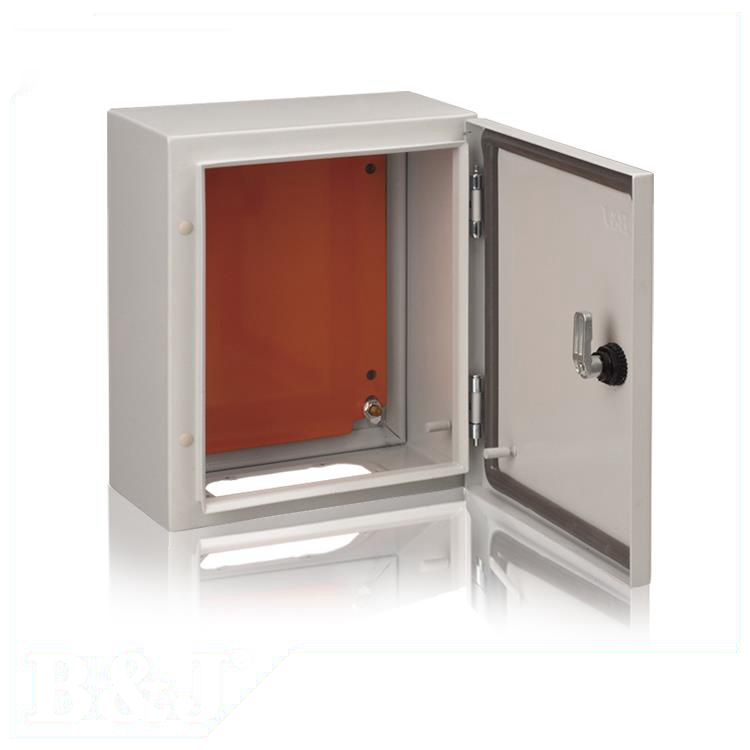
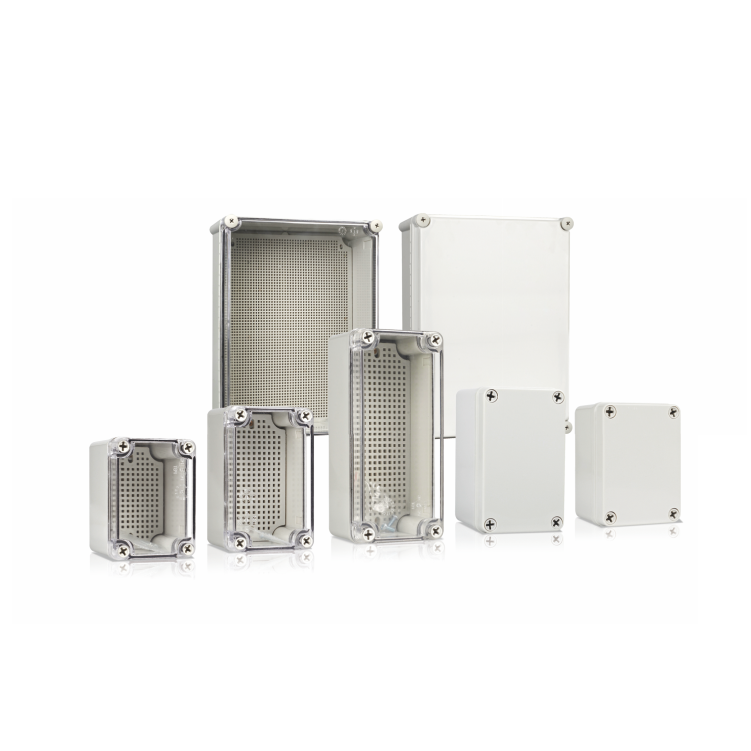
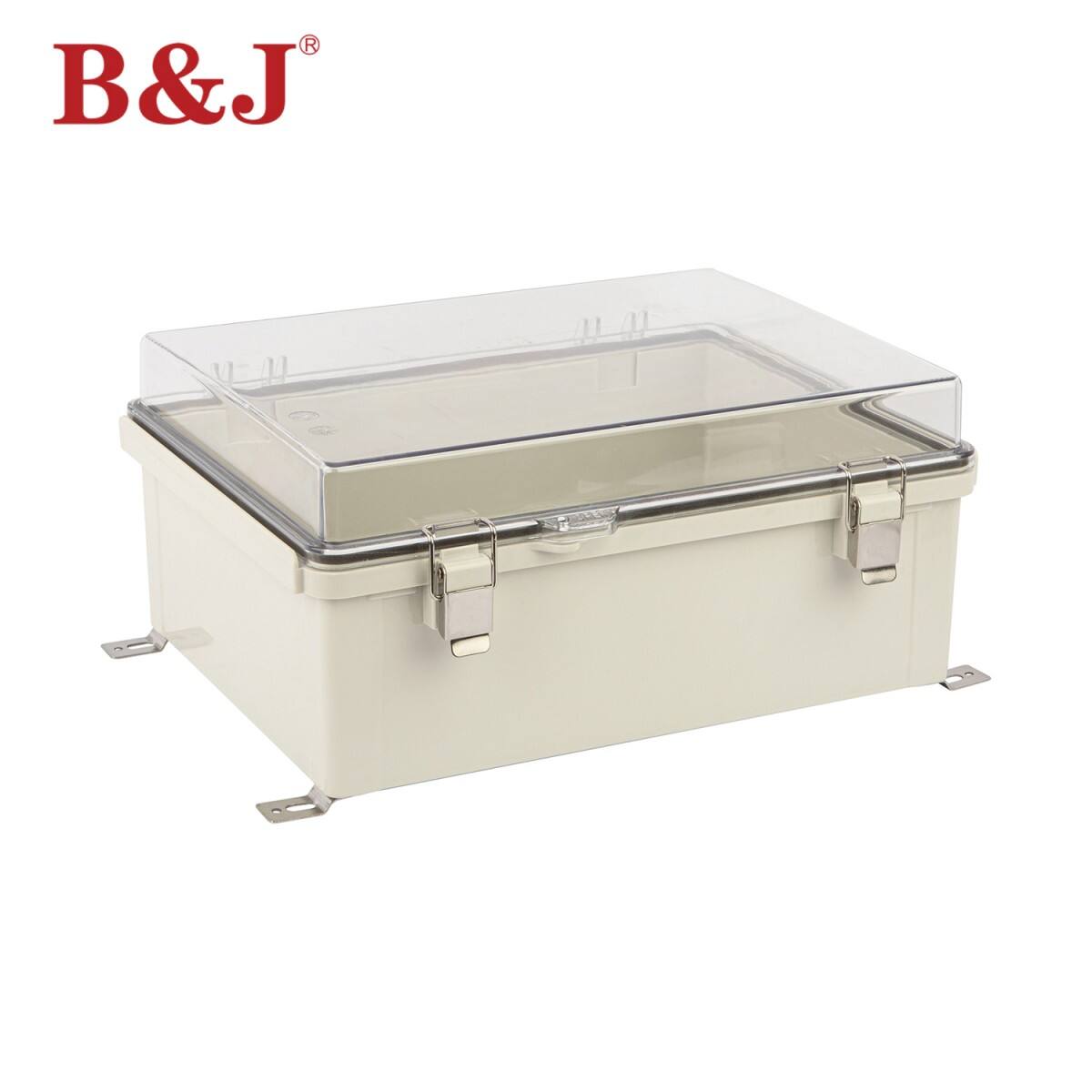
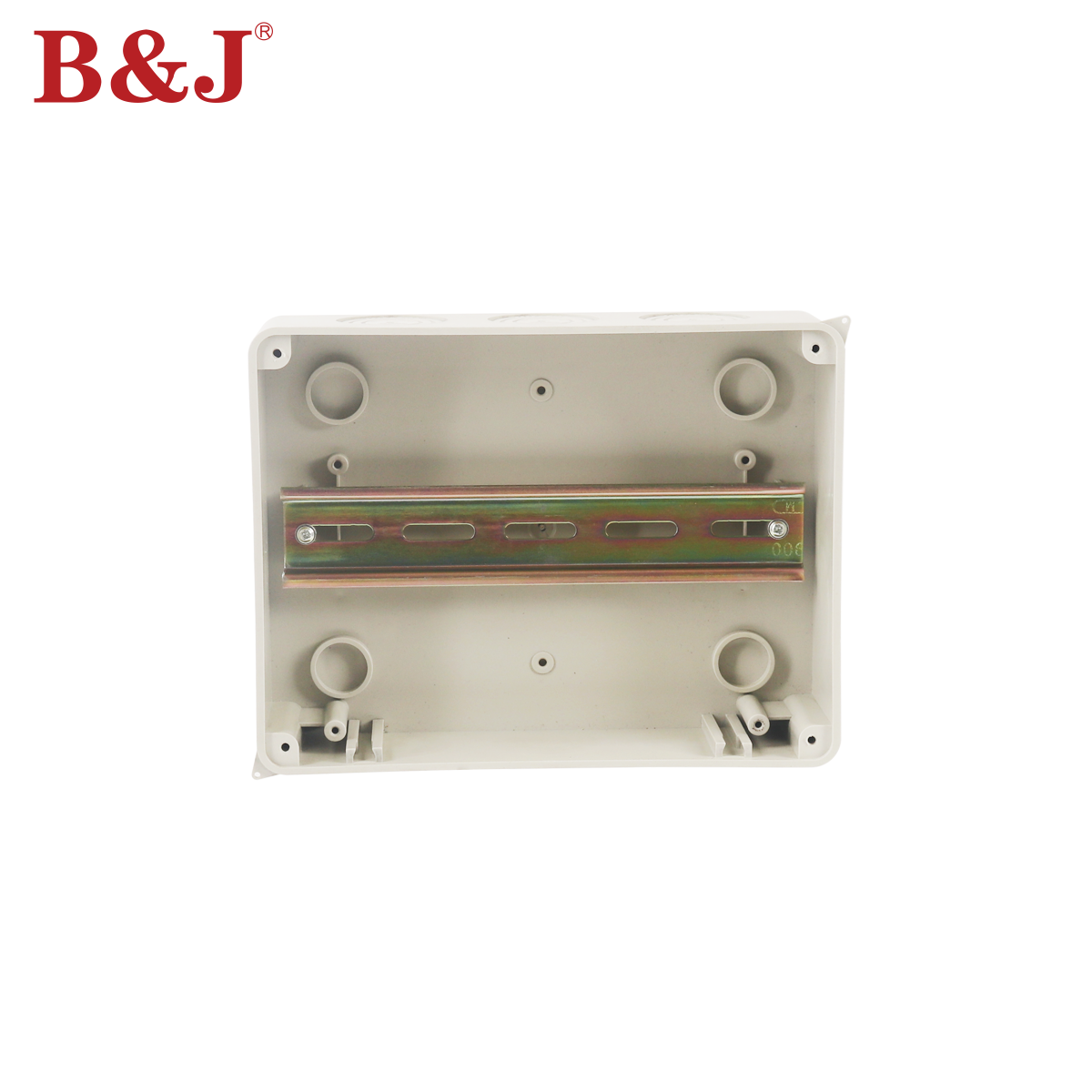
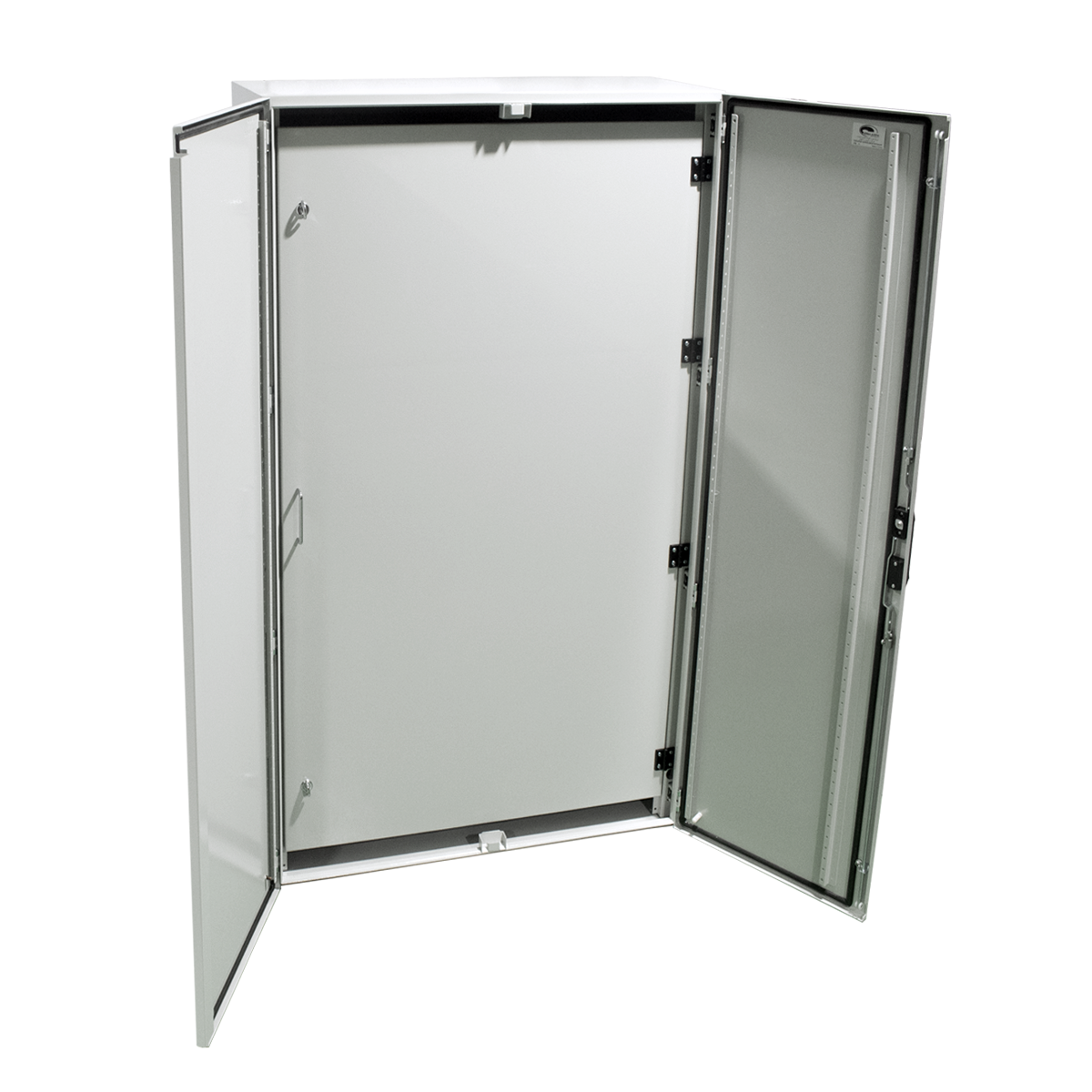
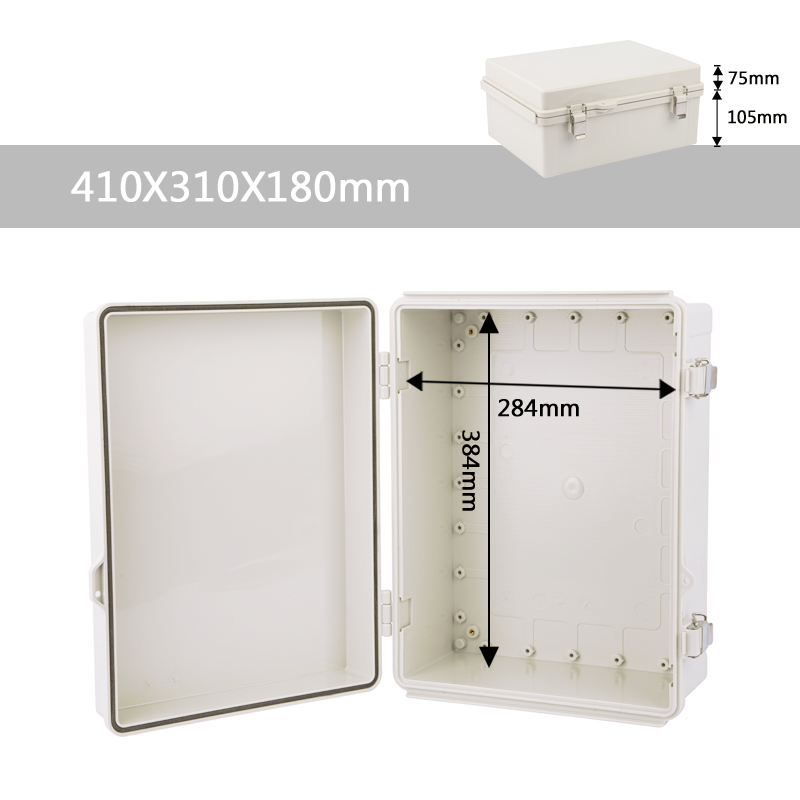
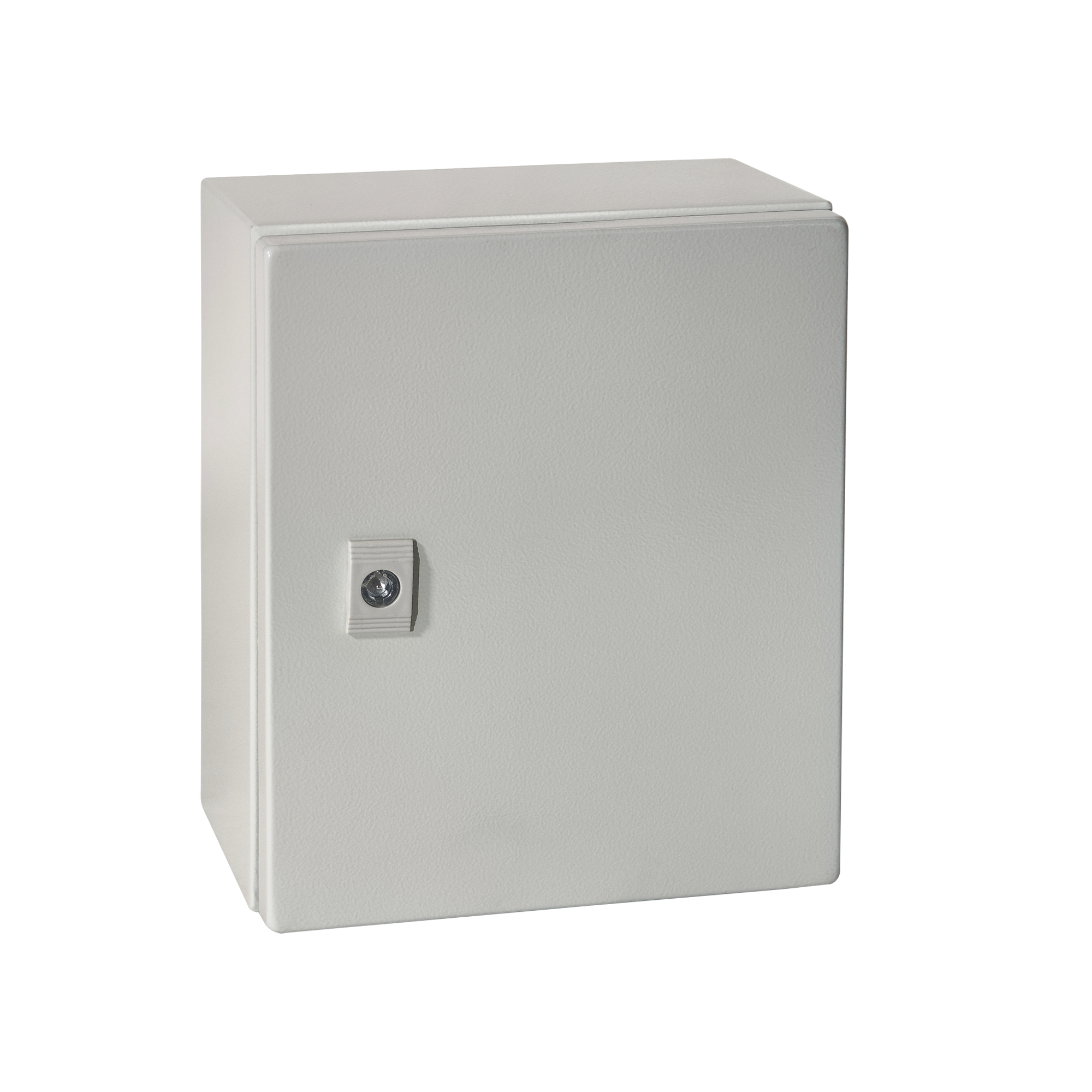
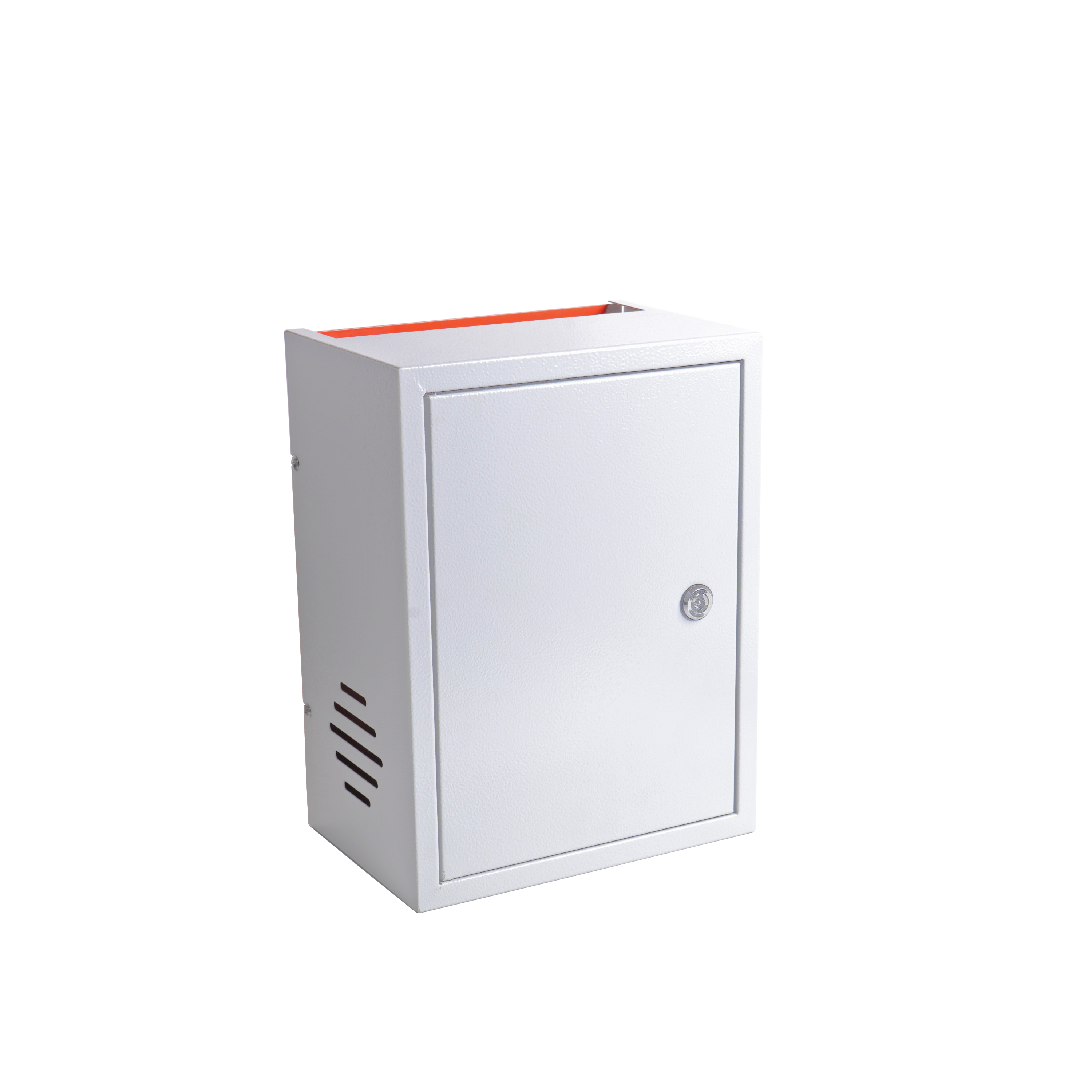
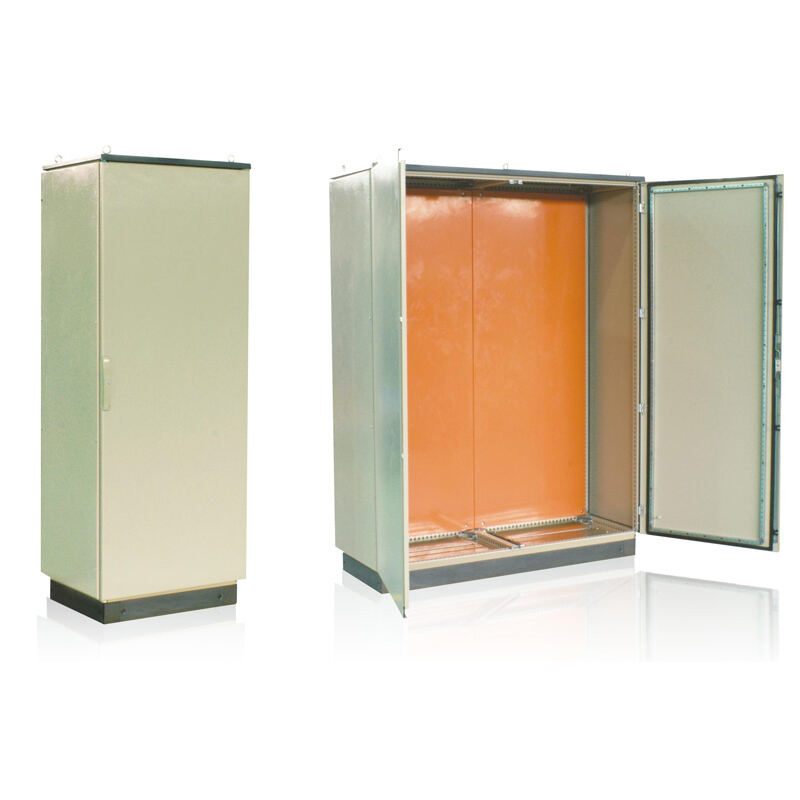
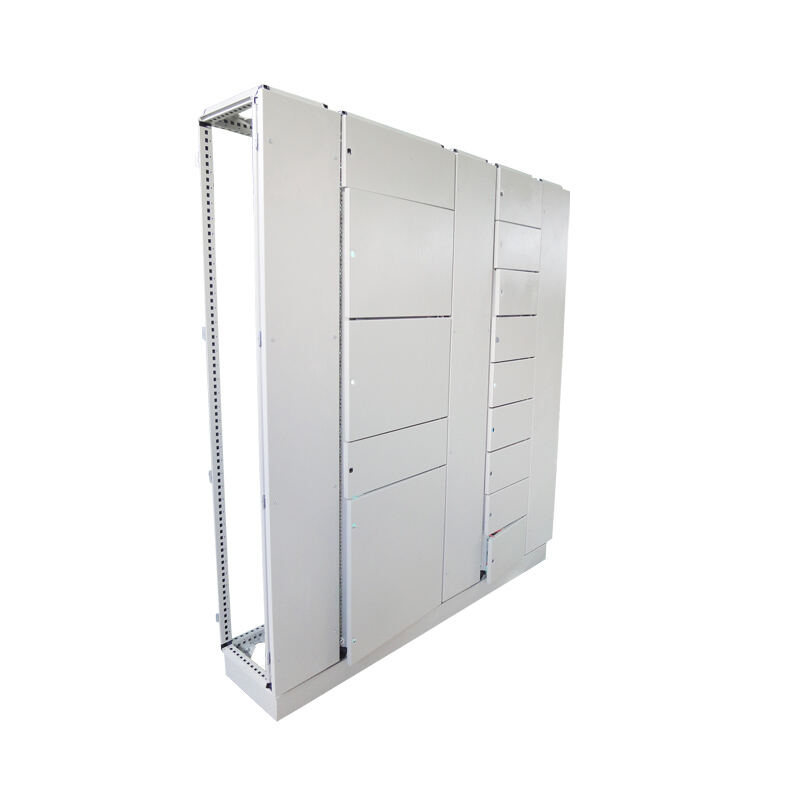
Die Lüftung von elektrischen Schaltschränken stellt eine entscheidende Komponente moderner elektrischer Infrastruktur dar und dient der Aufrechterhaltung optimaler Betriebsbedingungen innerhalb elektrischer Gehäuse und Schaltanlagen. Dieses hochentwickelte System gewährleistet ein effizientes Luftstrommanagement, Temperaturregelung sowie Feuchtkontrolle, um empfindliche elektrische Geräte vor Umwelteinflüssen und betrieblichen Belastungen zu schützen. Die zentrale Funktion der Schaltschranklüftung besteht in der Wärmeableitung, um die Ansammlung überhöhter Temperaturen zu verhindern, die zu Komponentenschäden, einer Verkürzung der Gerätelebensdauer oder gar zu Systemausfällen führen könnten. Diese Lüftungssysteme nutzen fortschrittliche Lüftertechnologie, intelligente Temperaturüberwachung sowie automatisierte Steuermechanismen, um eine zuverlässige Leistung über zahlreiche industrielle Anwendungen hinweg sicherzustellen. Zu den technologischen Merkmalen der Schaltschranklüftung zählen Drehzahlregelbare Lüfter, thermische Sensoren, Feuchteregelungsfunktionen sowie integrierte Filteranlagen zur Entfernung von Verunreinigungen aus der angesaugten Luft. Viele moderne Geräte verfügen über intelligente Steuerungen, die die Lüfterdrehzahl automatisch anhand aktueller Temperaturmesswerte anpassen und so Energieeffizienz bei gleichbleibend optimaler Kühlleistung sicherstellen. Die Einsatzgebiete der Schaltschranklüftung erstrecken sich über mehrere Branchen, darunter Fertigungsstätten, Rechenzentren, Telekommunikationsinfrastrukturen, Kraftwerke sowie gewerbliche Gebäude. In Produktionsumgebungen schützen diese Systeme Motorsteuerzentralen, speicherprogrammierbare Steuerungen (SPS) und frequenzvariable Antriebe vor hitzebedingten Ausfällen. Rechenzentren sind in hohem Maße auf die Schaltschranklüftung angewiesen, um die Zuverlässigkeit der Server sicherzustellen und kostspielige Ausfallzeiten zu vermeiden. Die robuste Konstruktion dieser Lüftungssysteme gewährleistet langfristige Haltbarkeit; korrosionsbeständige Materialien und wetterfeste Designs machen sie für raue industrielle Umgebungen geeignet. Hochentwickelte Modelle verfügen über redundante Lüfterkonfigurationen, die im Falle eines Ausfalls des Hauptlüfters eine Backup-Kühlkapazität bereitstellen. Die Integrationsfähigkeit ermöglicht eine nahtlose Anbindung an Gebäudemanagementsysteme und damit eine zentrale Überwachung und Steuerung mehrerer Schaltschranklüftungseinheiten innerhalb einer Anlage.
 EN
EN