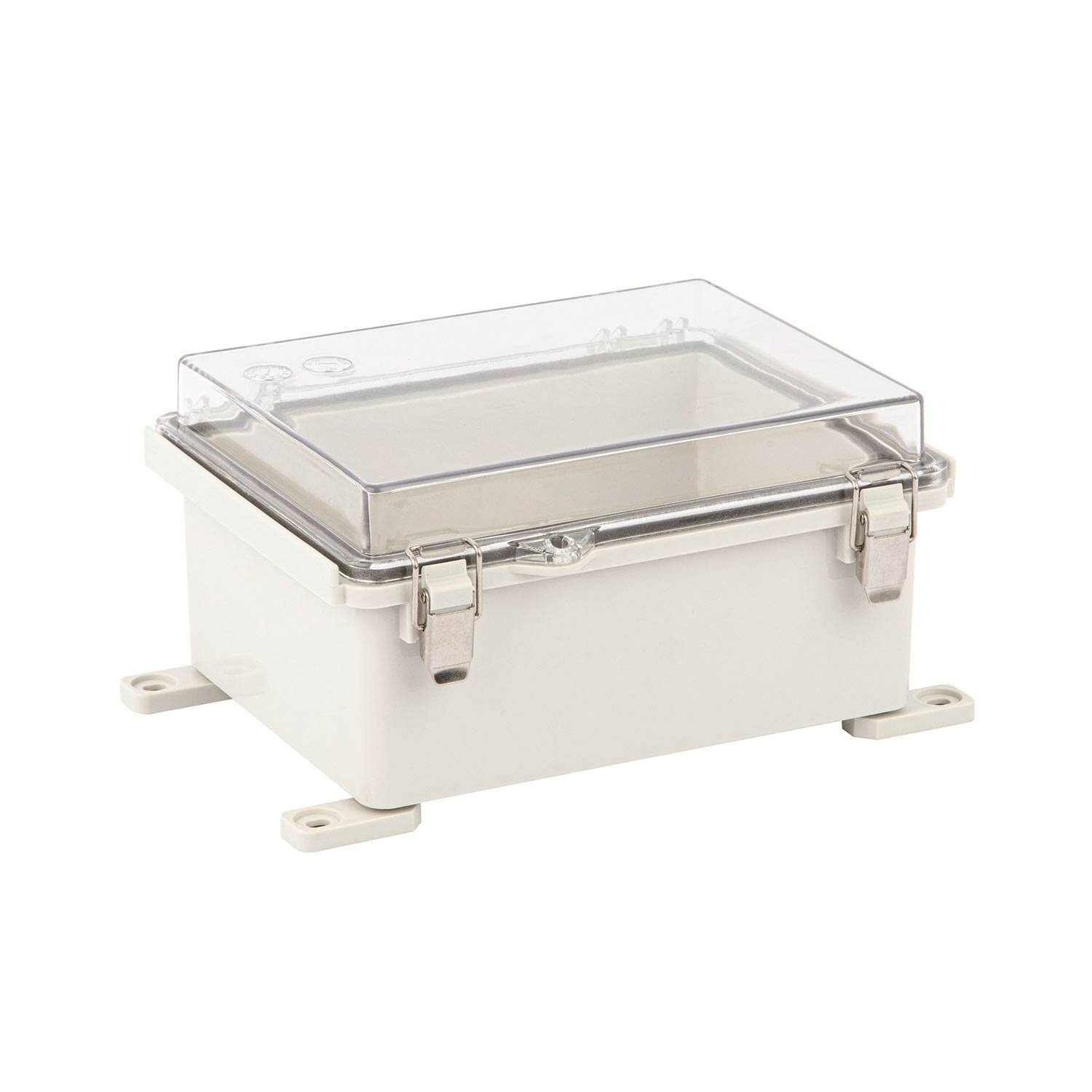
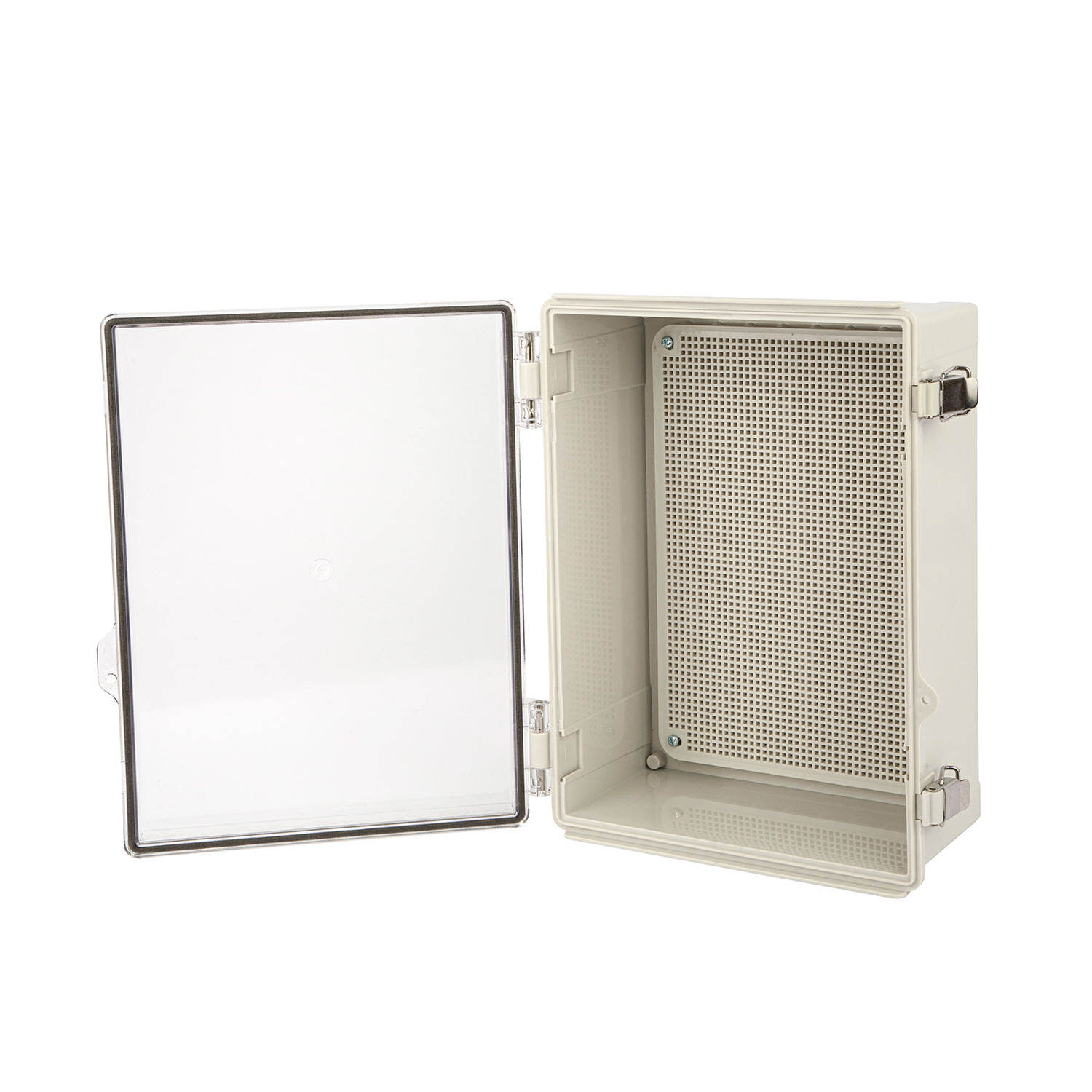
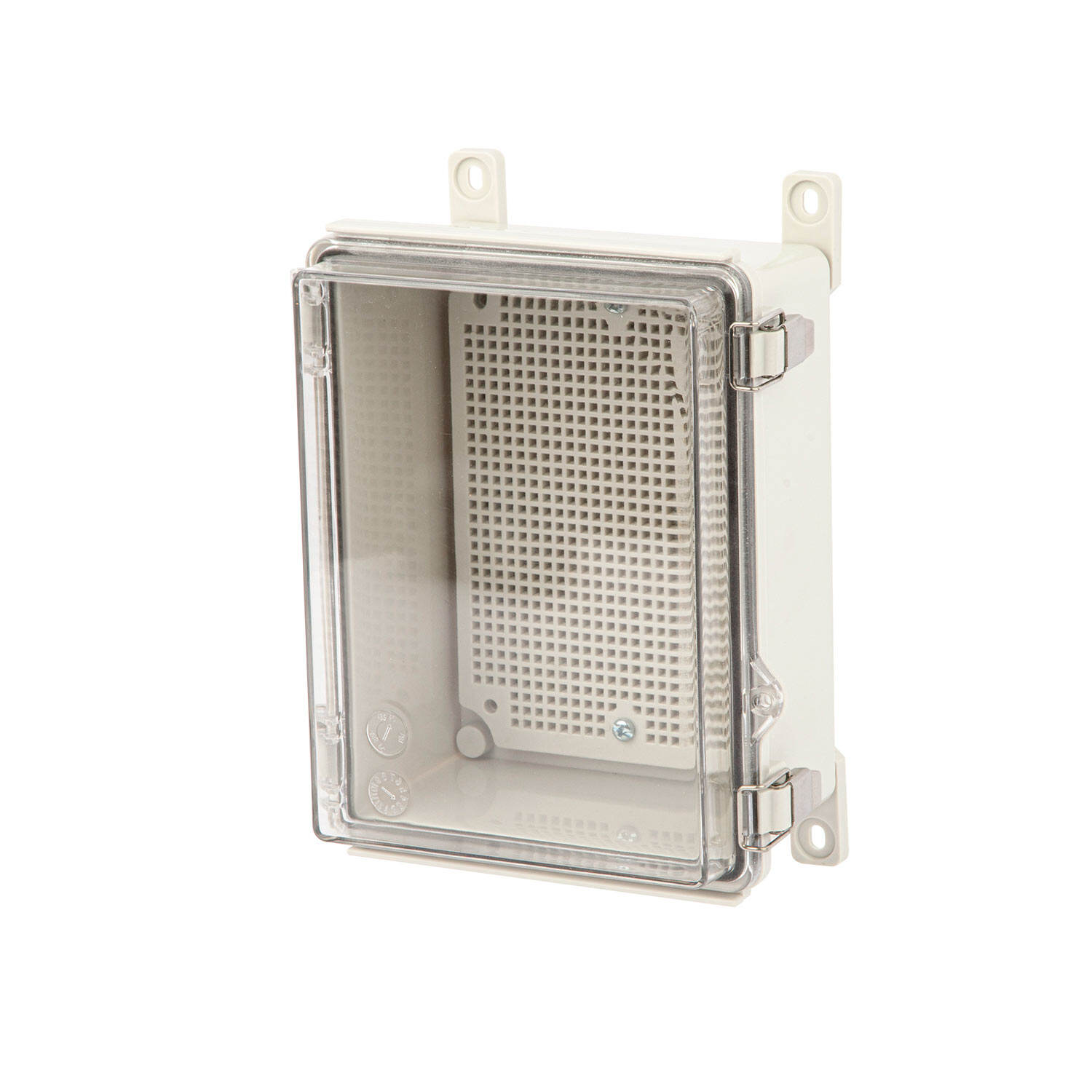
tihendiga veekindel kapp
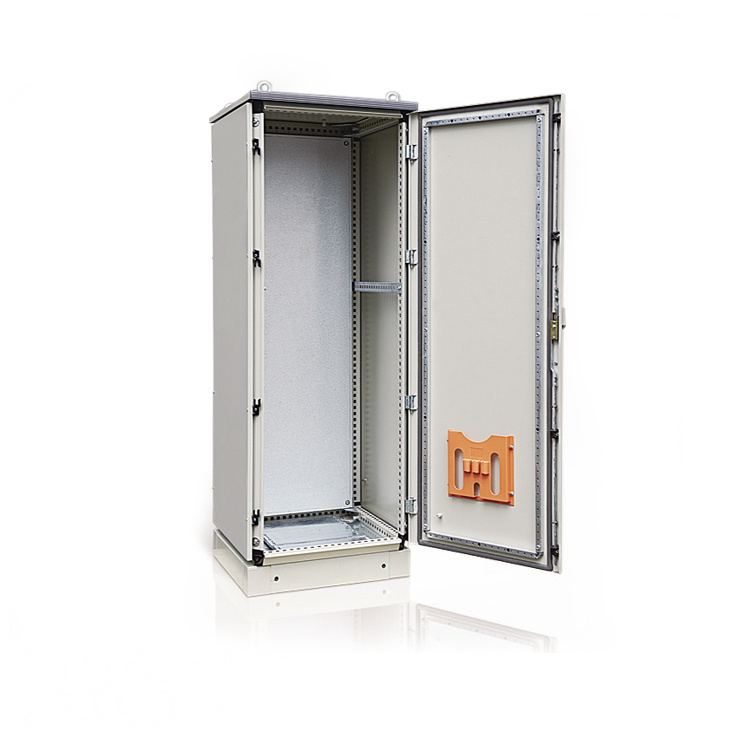
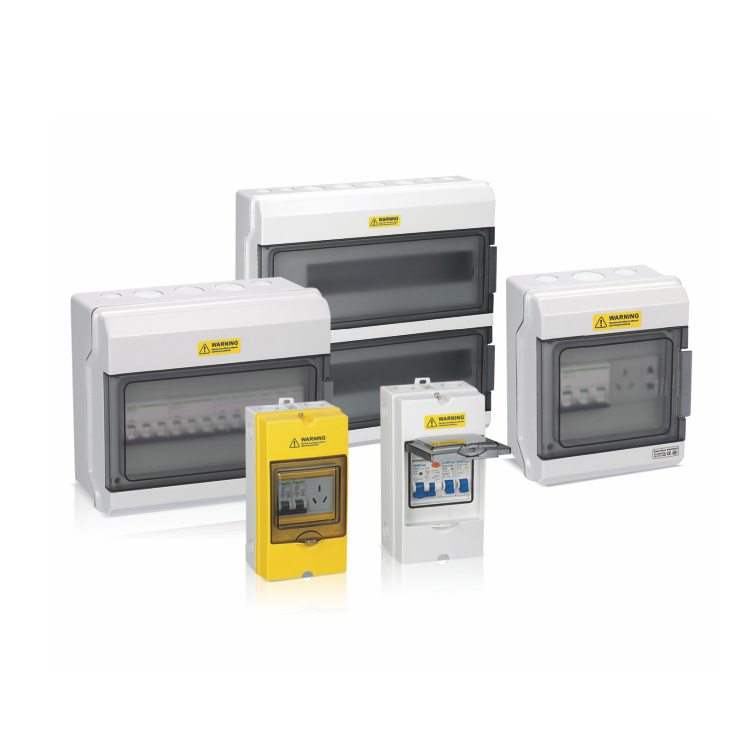
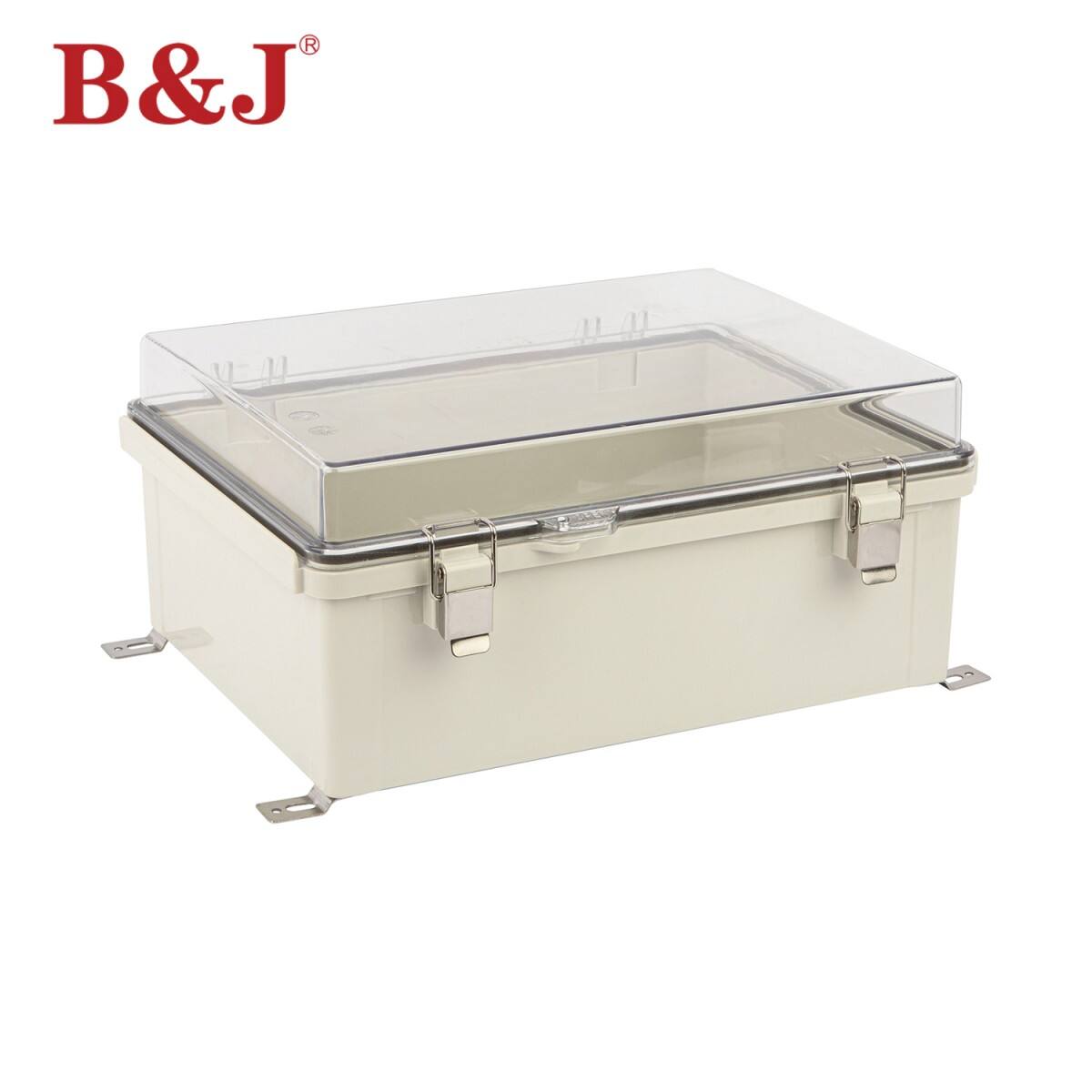
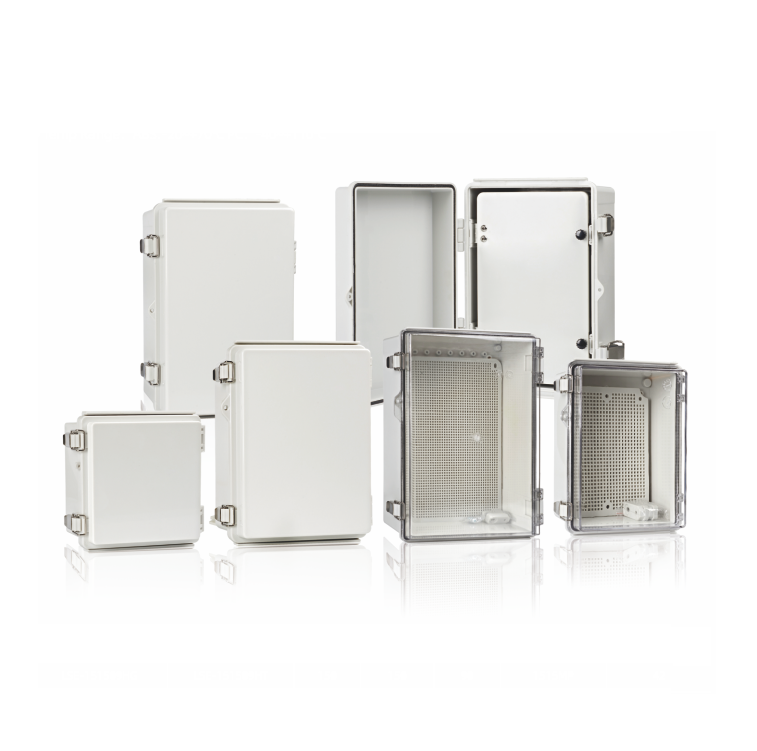
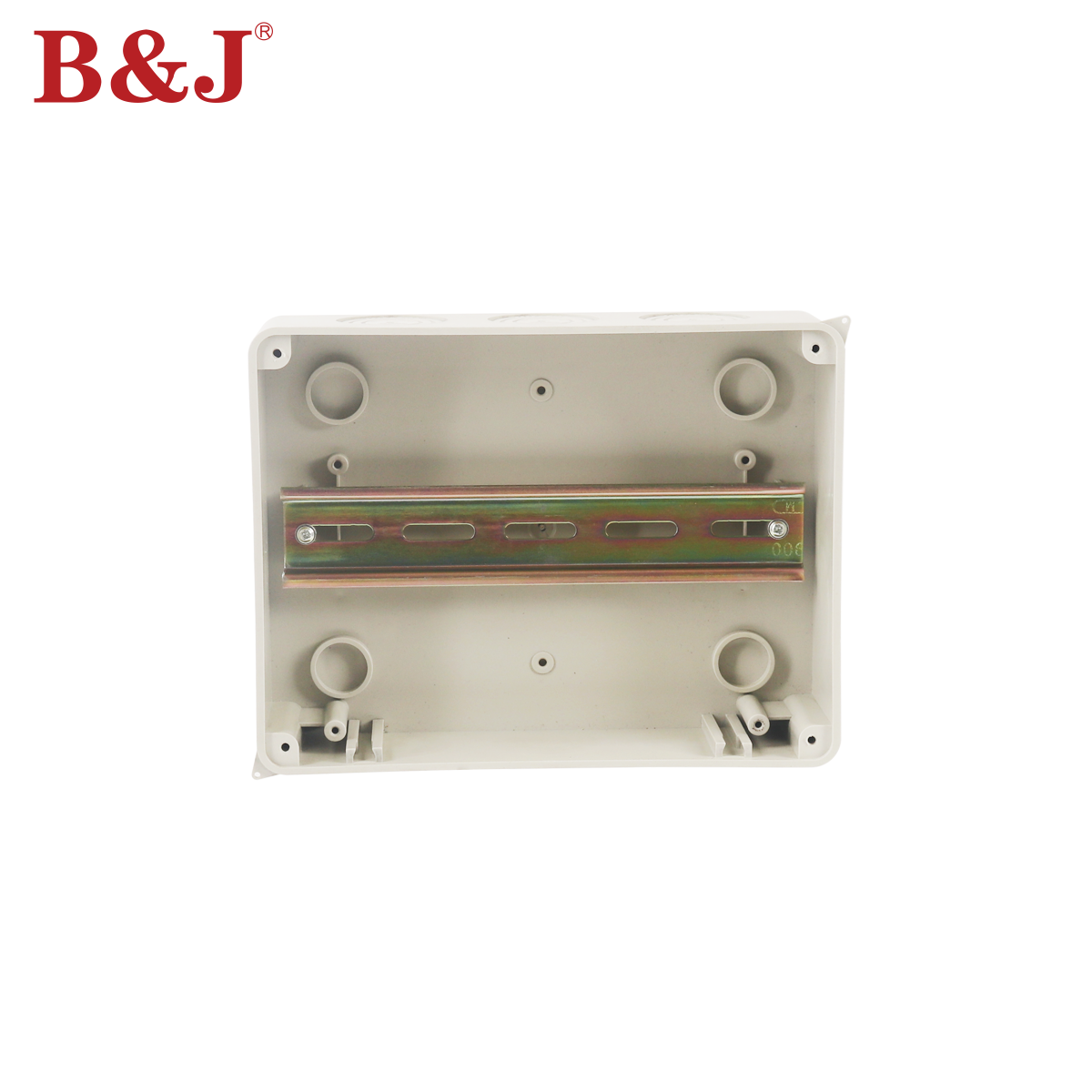
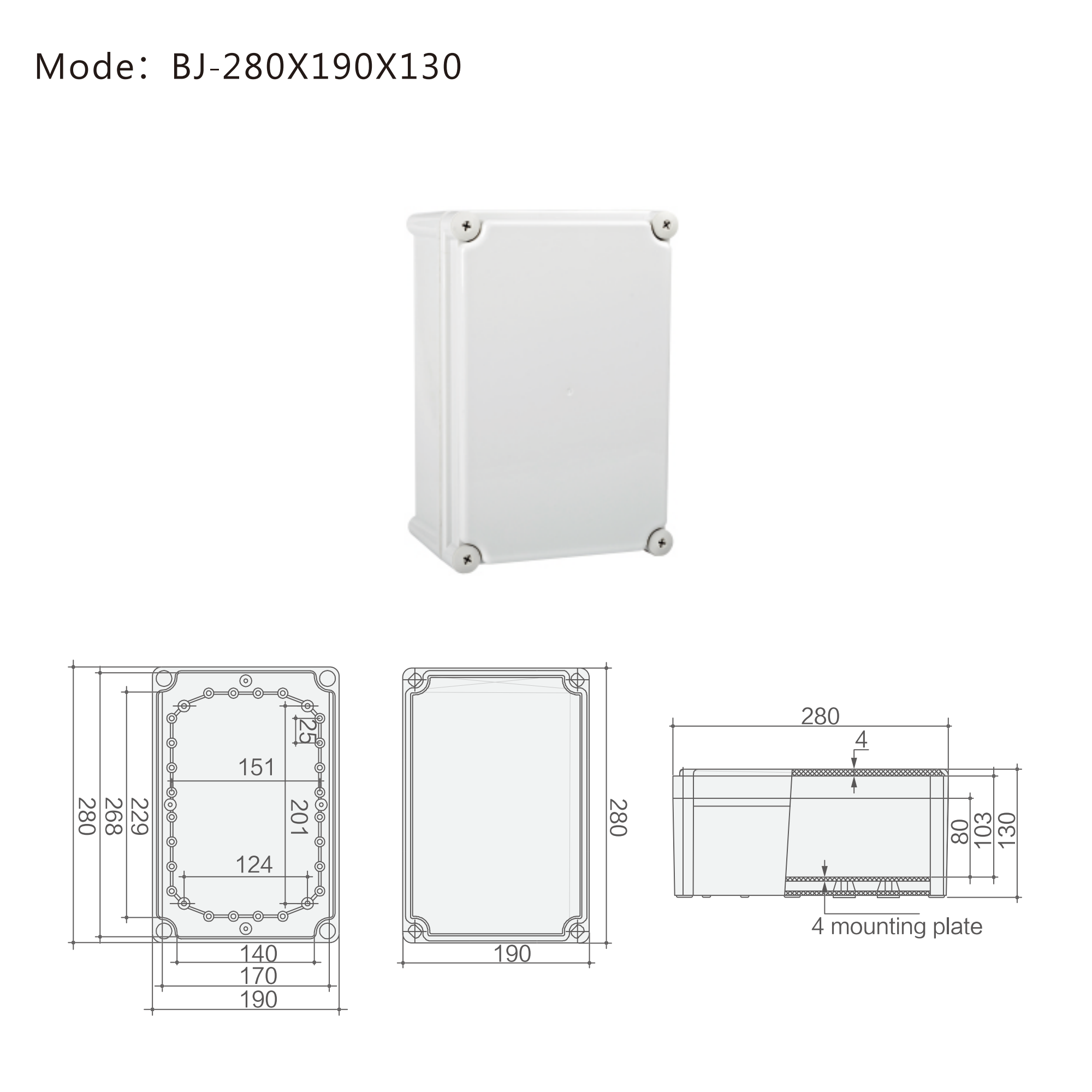
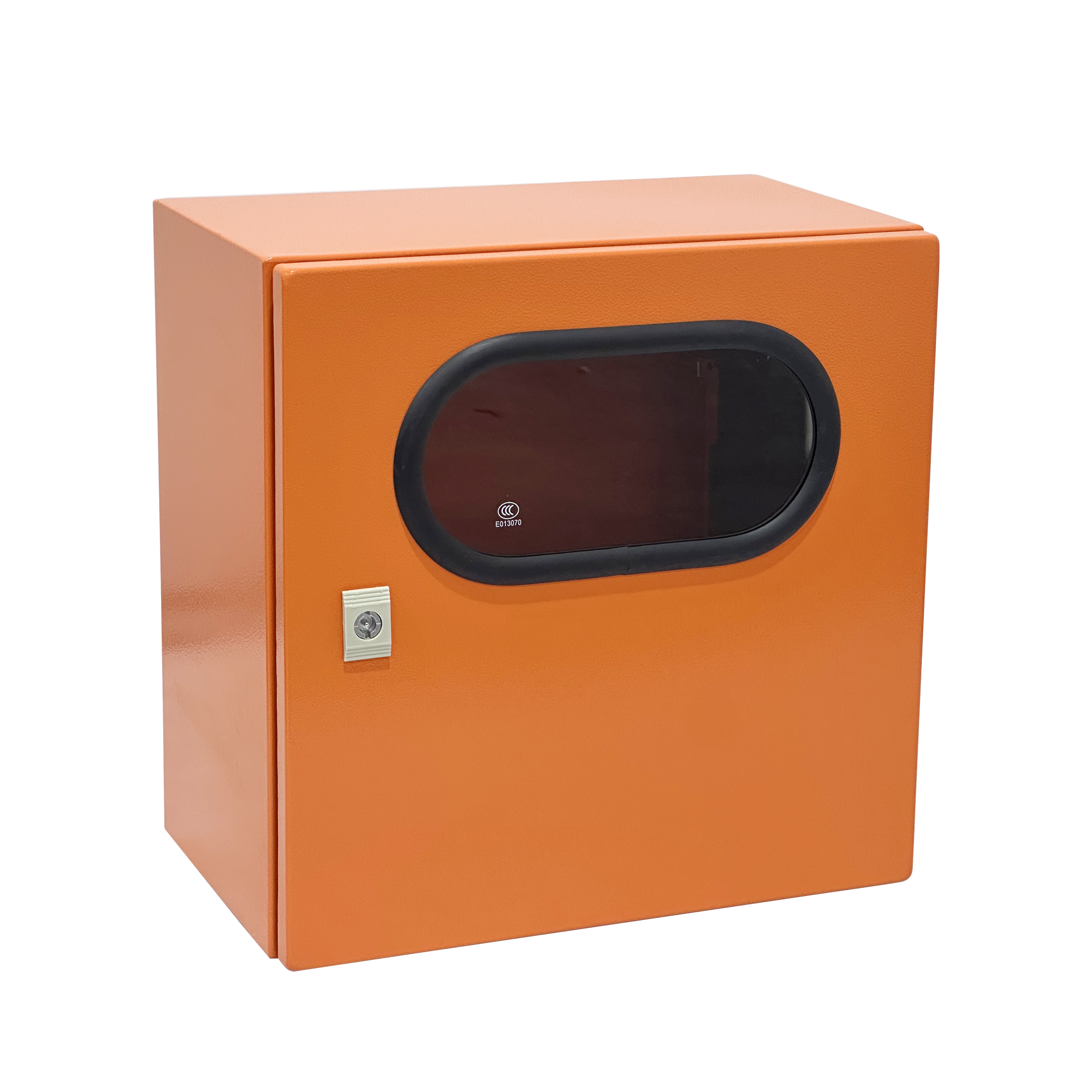
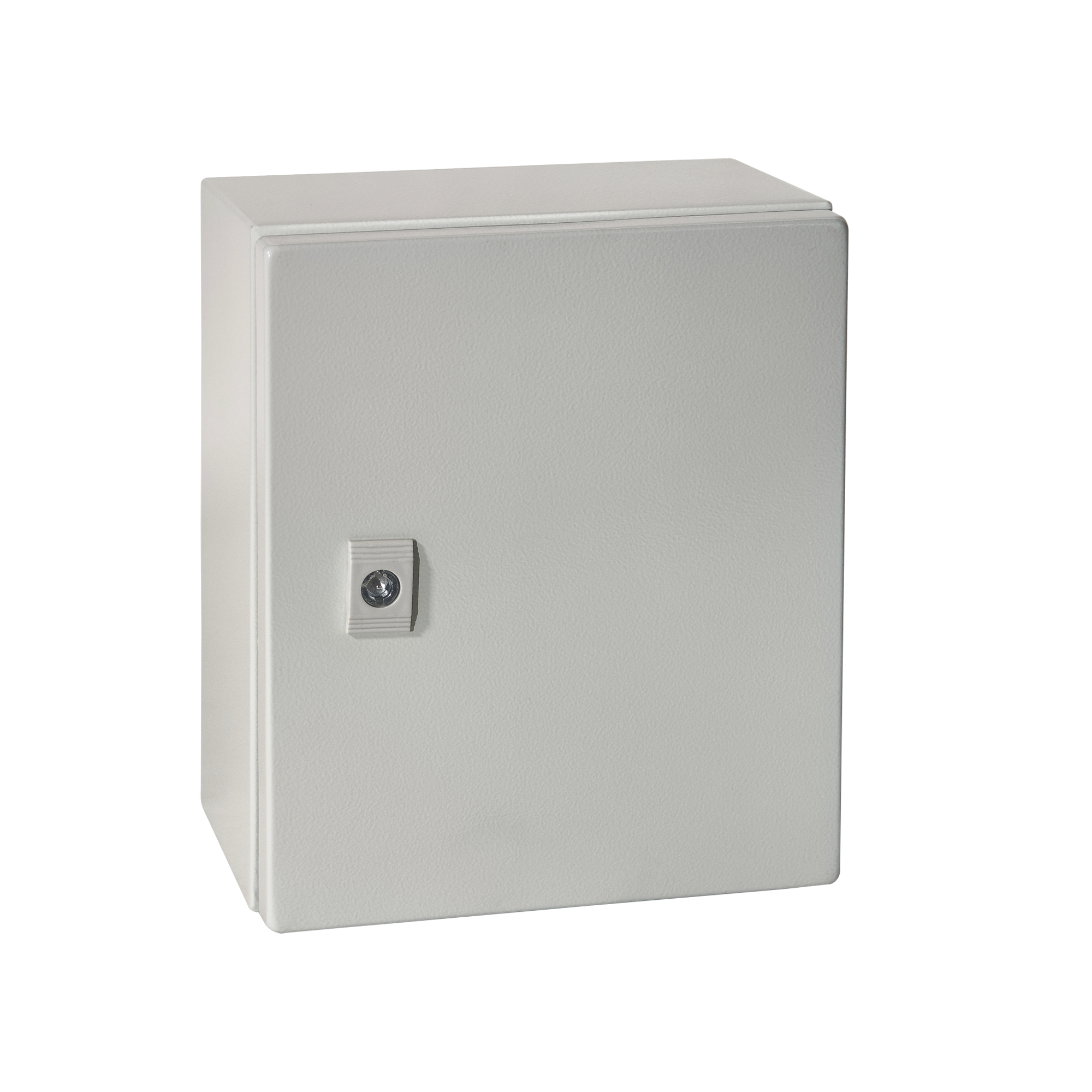
Tihendatud veekindel kapp on täiustatud säilituslahendus, mille eesmärk on pakkuda tundlikule varustusele ja väärtuslikele esemetele täielikku kaitset niiskuse, tolmu ja keskkonnasaasteainete eest. See keerukas kappide süsteem kasutab täpsustooteid valmistatud tihendustehnoloogiat, mis loob läbimatu barjääri kapi sisemise ja väliste keskkonnategurite vahel. Tihendatud veekindla kapi peamine funktsioon on optimaalsete sisemiste tingimuste säilitamine ning vee sissepääsu, niiskuse kõikumiste ja osakeste saastumise ennetamine, mis võiks kahjustada säilitatavaid esemeid. Need erikapid kasutavad kõrgklassilisi tihendusmaterjale, mida toodetakse tavaliselt sünteetilistest kummikomponentidest või silikoonipõhistest materjalidest, mis säilitavad oma tihendusomadusi laialdasel temperatuurivahemikul ja pikema tööperioodi jooksul. Tihendatud veekindlate kappide taga seisvate tehnoloogilise raamistiku moodustavad täiustatud survega tihendusmehhanismid, mis aktiveeruvad kapi ukse sulgemisel ja loovad tiheda tihenduse kogu ümbermõõdu ümber. See tihendussüsteem sisaldab sageli mitmeid kontaktipunkte ja üleliia tihenduskihte, et tagada maksimaalne kaitse usaldusväärsus. Kaasaegsed tihendatud veekindlad kapid on valmistatud korrosioonikindlatest konstruktsioonimaterjalidest, milleks on tavaliselt merekvaliteediga alumiinium, roostevabast terasest või eriliselt töödeldud komposiitmaterjalid, mis vastavad rasketele keskkonnatingimustele. Neid kappe kasutatakse paljudes tööstusharudes ja erinevates keskkondades, sealhulgas merekeskkonnas, tööstusettevõtetes, välistes paigaldustes, laborites, meditsiiniasutustes, hädaabi-ja reageerimisjaamades ning elamuvaldkonnas, kus niiskuskaitse on kriitiliselt oluline. Kapi sisemus sisaldab sageli reguleeritavaid riiulite süsteeme, kaablite halduslahendusi ning mõnikord ka kliimakontrolli funktsioone, näiteks desikaatorikamber või aktiivne niiskuskontrollisüsteem. Paigalduslikkuse suurepärane paindlikkus võimaldab neid kappe kinnitada seinale, paigutada põrandale või integreerida olemasolevasse infrastruktuuri, mistõttu sobivad nad nii ajutisteks kui ka püsivateks paigaldusteks erinevate operatsioonitingimuste jaoks.
 EN
EN