sterkt ávaxtaður innréttingarhylki
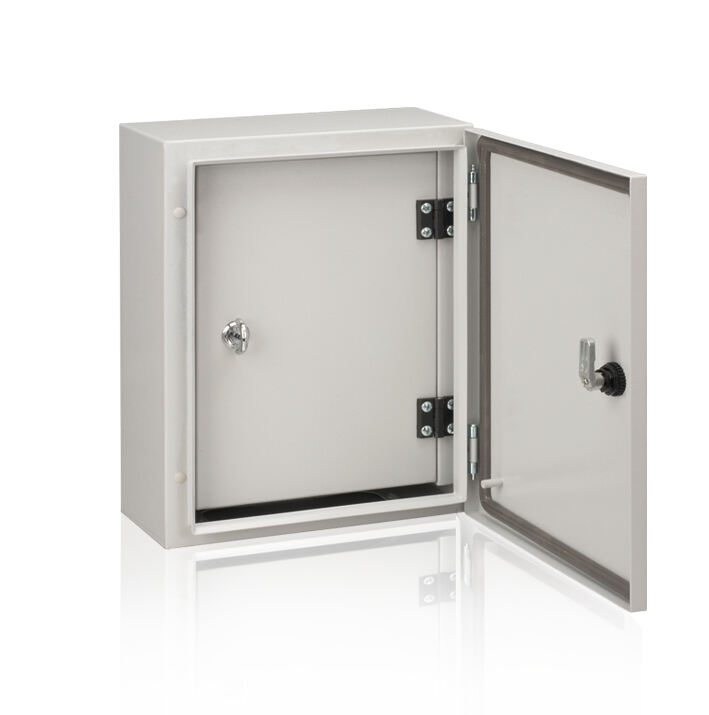
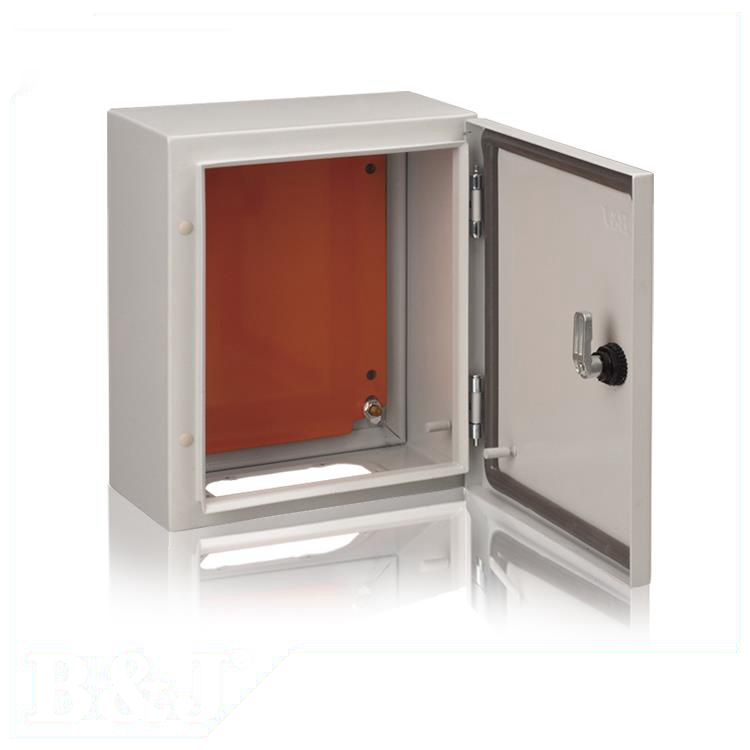
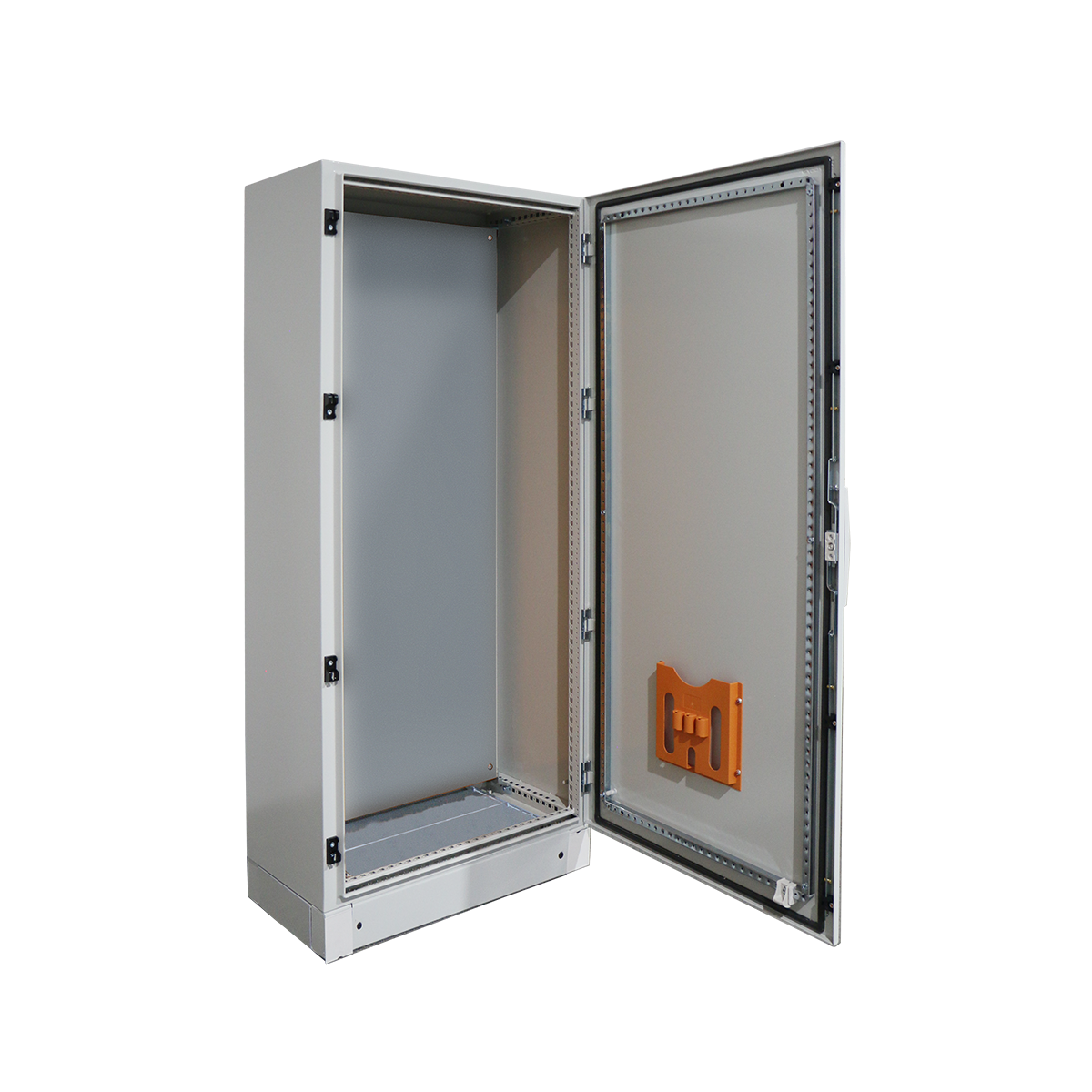
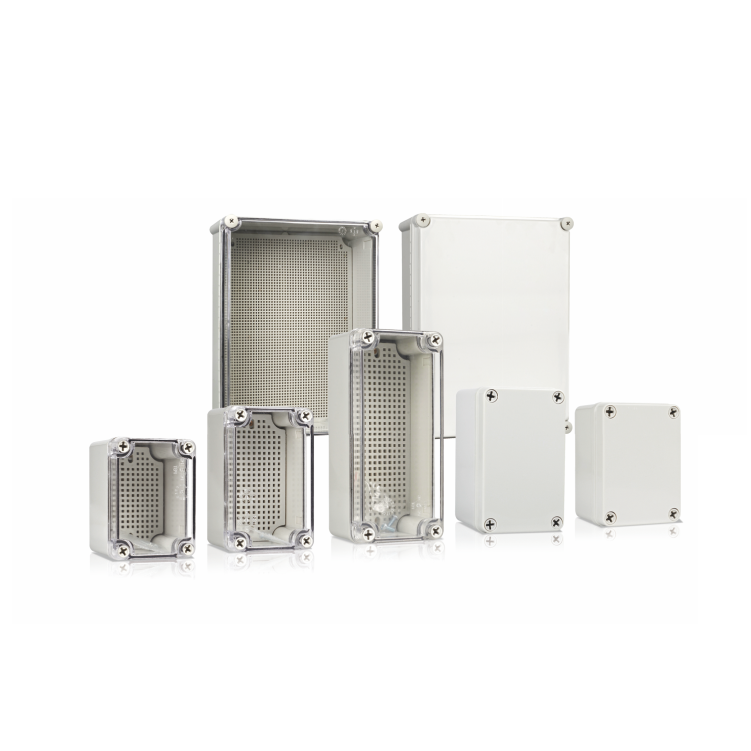
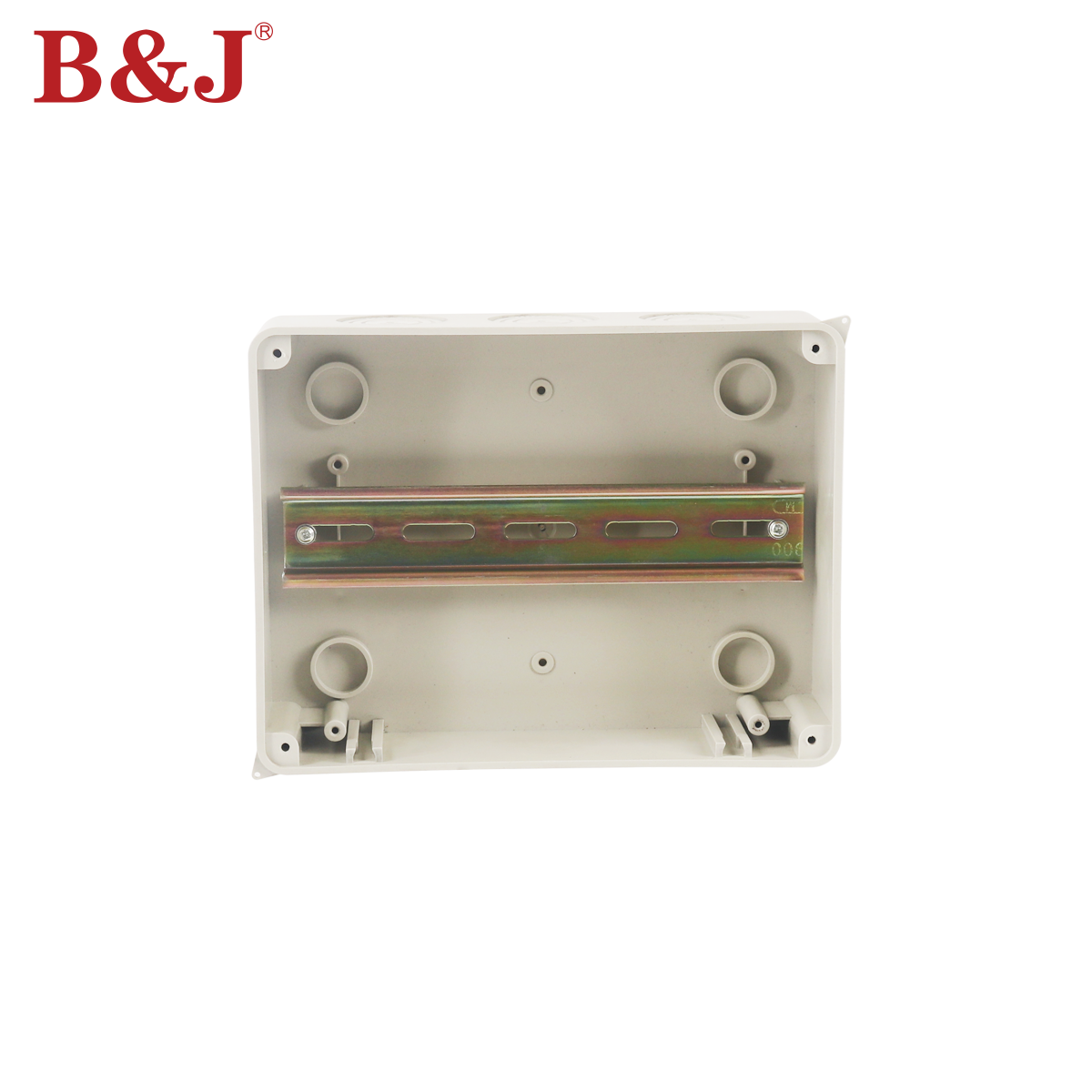
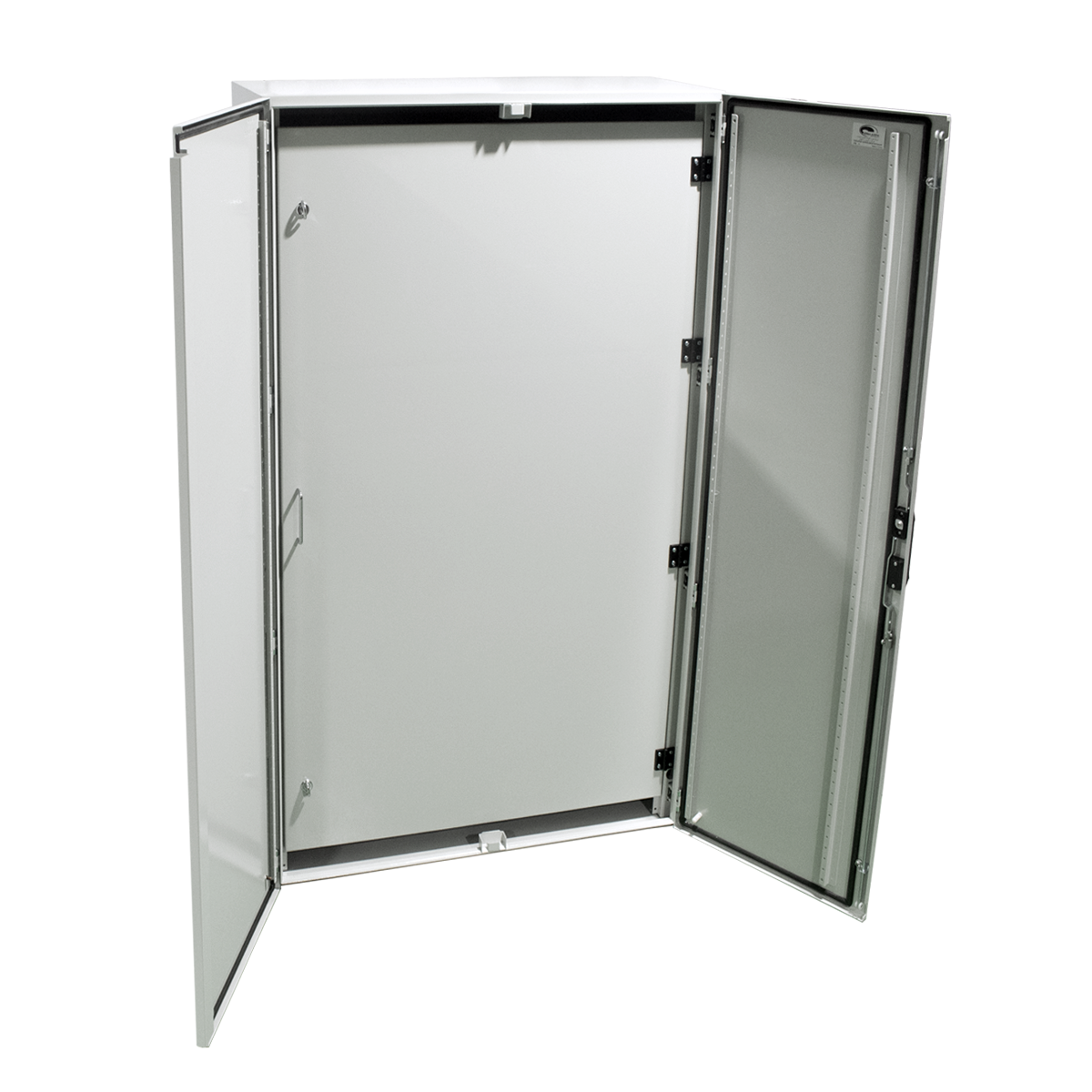
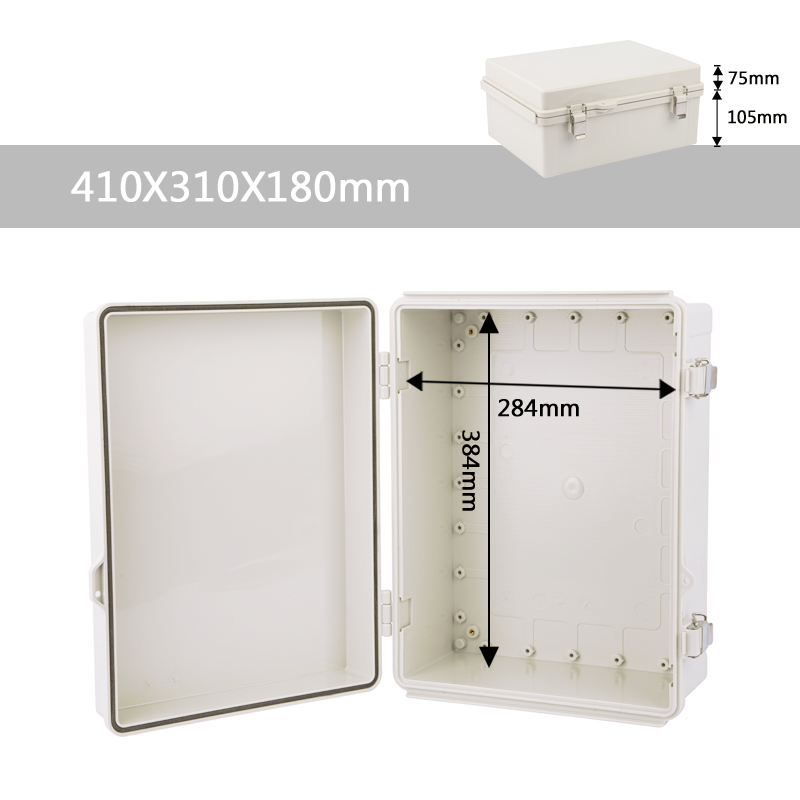
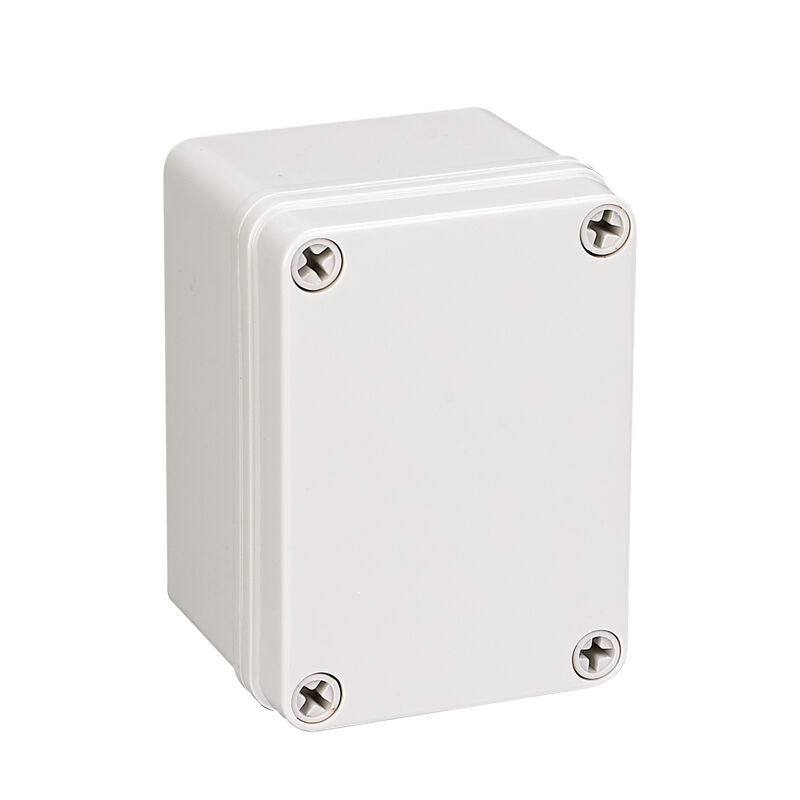
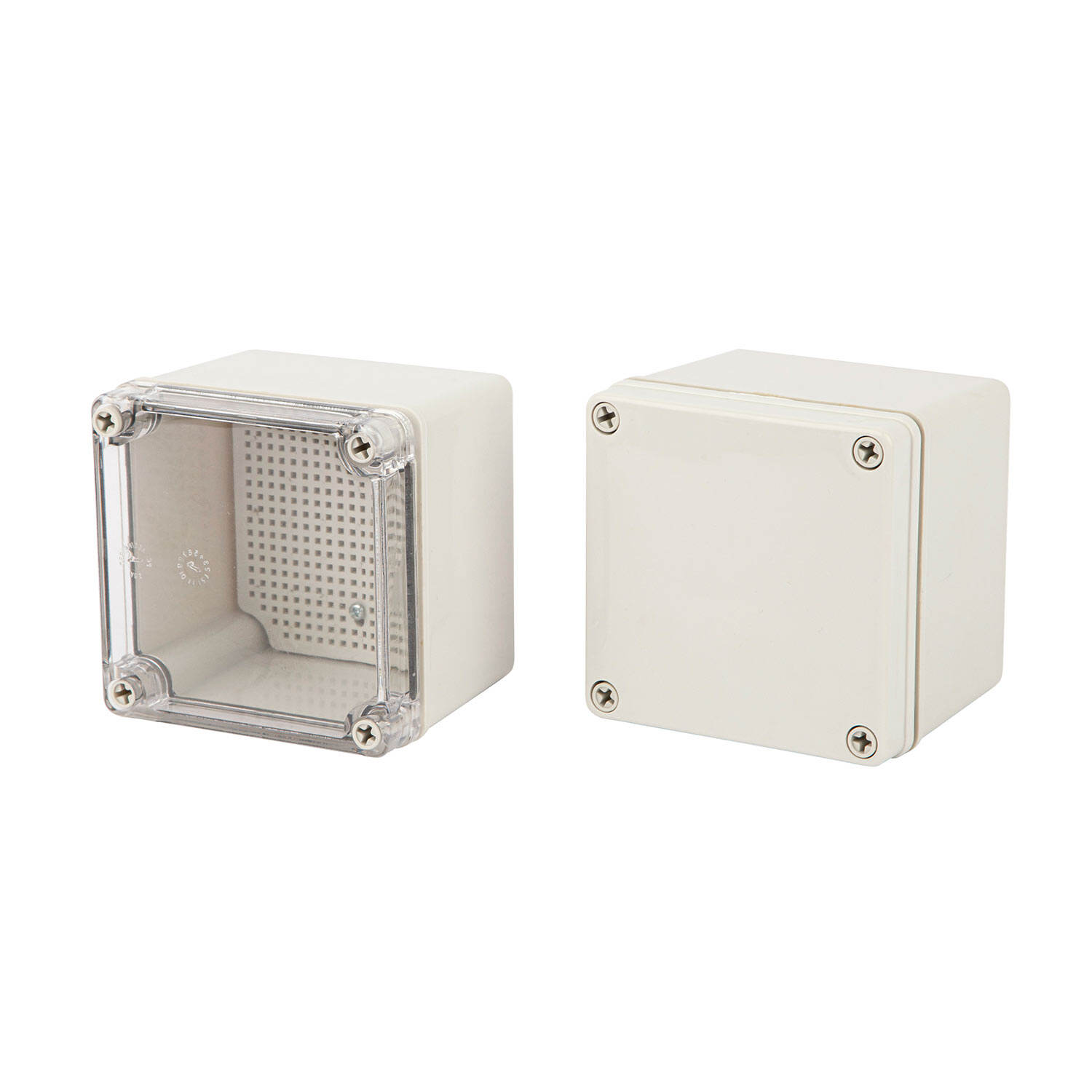
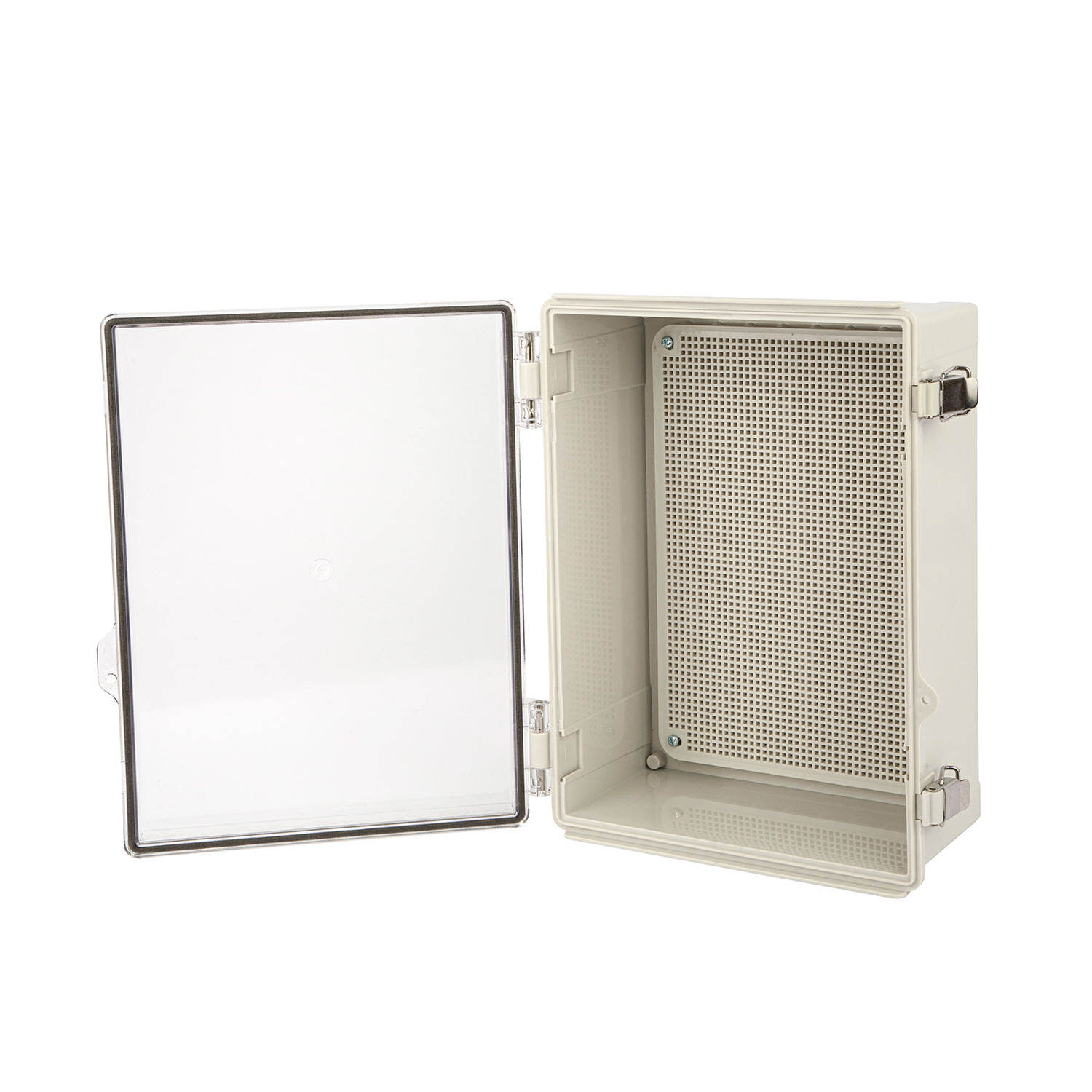
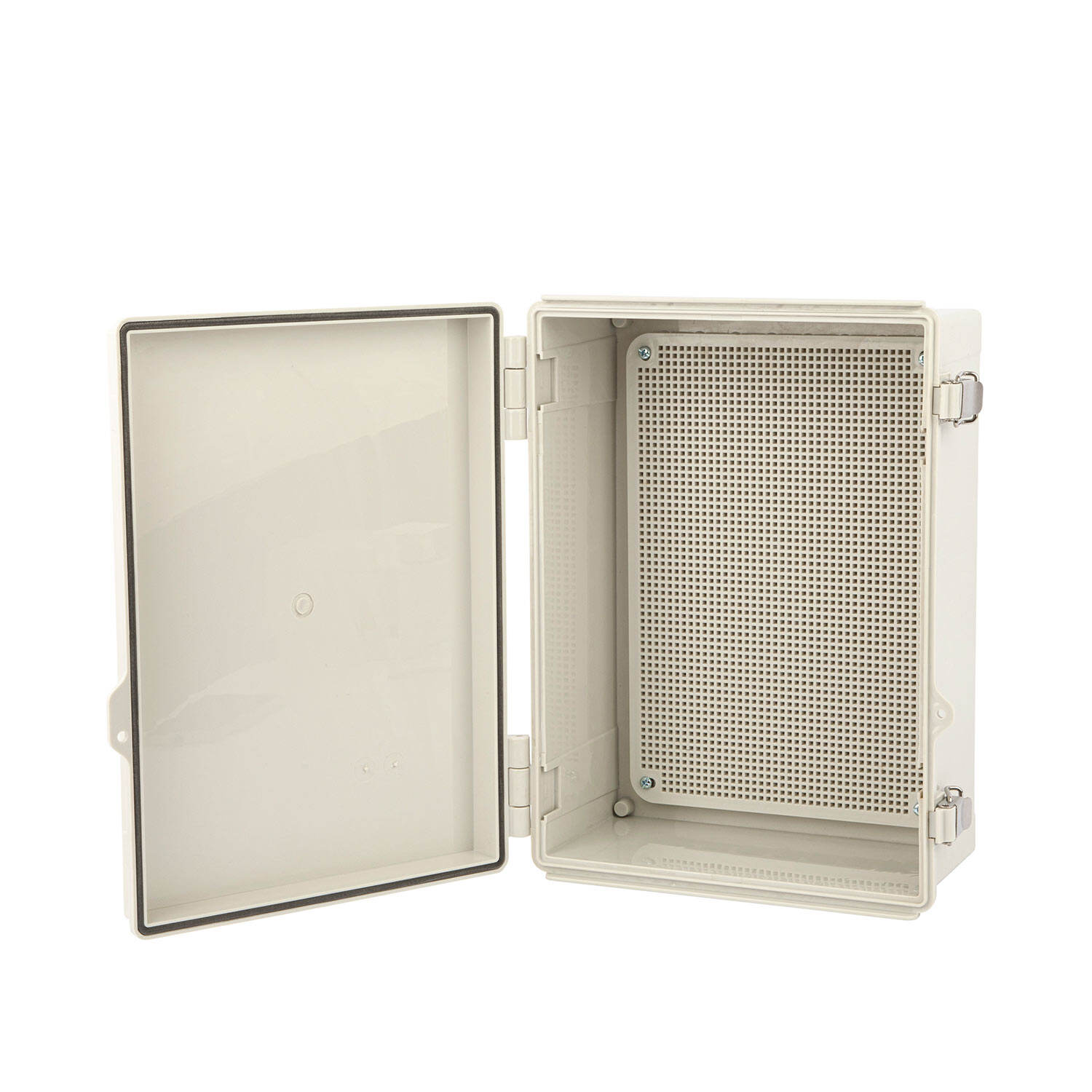
Þessi þyngdarmikla vatnsþéttu innhaldsgeymi tákna mikilvæga verndaraðferð sem hannað er til að vernda rafræn tæki og viðkvæm tæki frá umhverfisáhrifar. Þessi sterkri hýsingukerfi veita almenn vernd gegn vatnsþrungi, dustu og líkamlegum skemmdum í erfitt starfsumhverfi í iðnaði. Aðalhlutverk þessara þyngdarmiklu vatnsþéttu innhaldsgeyma er að halda áfram heildarstöðu og virkni innihaldinsins undir ógnvekjum aðstæðum. Þessi geimi eru útbúin með framfarinum læsikerfum sem koma í veg fyrir því að rigning komist inn í þau, en viðhalda samt réttri loftskiptun þegar það er nauðsynlegt. Tæknilagur grunnurinn byggir á hágæðismefnum eins og styrktum polýkarbónat, álvarp, eða rustfritt steypujárn sem er mótvært rýmingu og árekstri. Nútíma hönnun þessara þyngdarmiklu vatnsþéttu innhaldsgeyma inniheldur nýjungar í gummilæsikerfum sem mynda margföld verndarlínur gegn umhverfisáhrifar. Læsitetkin notar oft samþrýstingarlæsi, O-læsi og skýrðu gummipaddur sem vinna saman til að ná yfirleitandi verndargæðum. Margir einingar hafa IP65-, IP66- eða IP67-stig sem tryggja vernd gegn öflugum vatnsstraumum og tímabundinni döppun. Framþróaðar gerðir innihalda loftþrýstislyklar sem koma í veg fyrir innri rigningu án þess að taka frá vatnsþéttu. Notkun þessara þyngdarmiklu vatnsþéttu innhaldsgeymakerfa er víða útbreidd í ýmsum atvinnugreinum, svo sem í fjarskiptum, sjóferða, iðnaðarstjórnum og utanaðkomandi fjarskoðun. Í fjarskiptum vernda þessi geimi mikilvæg netkerfistæki frá veðurforsögn og vandalskyni. Í sjóferðaerfðum eru þessi vernduhýsingar notaðar fyrir stjórnkerfi, samskipta- og stjórnborð sem eru útsett fyrir saltvatn. Iðnaðarstöðvar eru háðar þessum þyngdarmiklu vatnsþéttu innhaldsgeyma lausnum til að vernda stjórnkerfi fyrir sjálfsþjórnun, rafmagnsrásir og stjórnunartæki í harðum framleiðsluumhverfi. Fleygibreytileiki þessara verndarkerfa gerir þá nauðsynlega fyrir hvaða notkun sem er þar sem áreiðanleg vernd á tækinu er nauðsynleg gegn umhverfisáhrifar, án þess að taka frá aðgangi að tækinu eða virkni þess.
 EN
EN