מארז פלדה לשימוש בחוץ
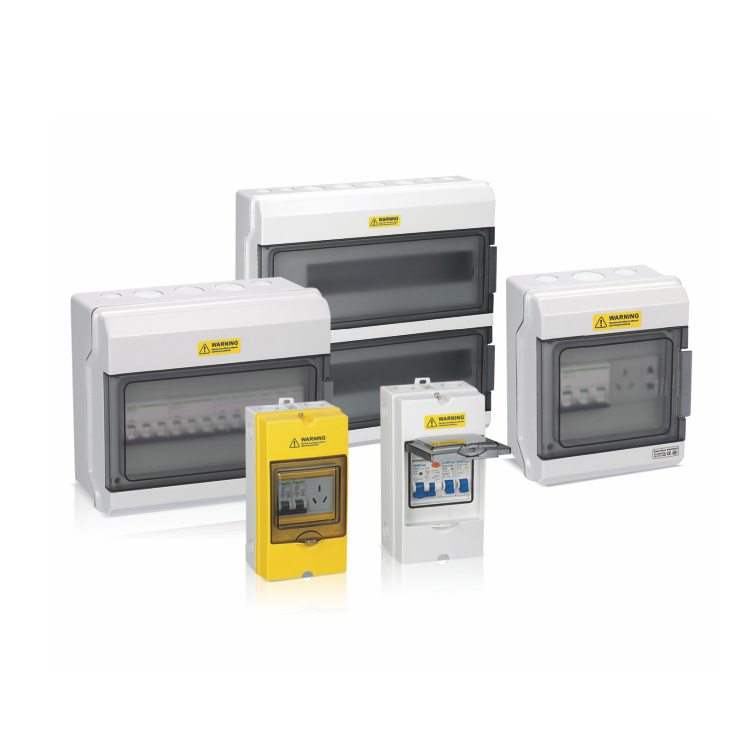
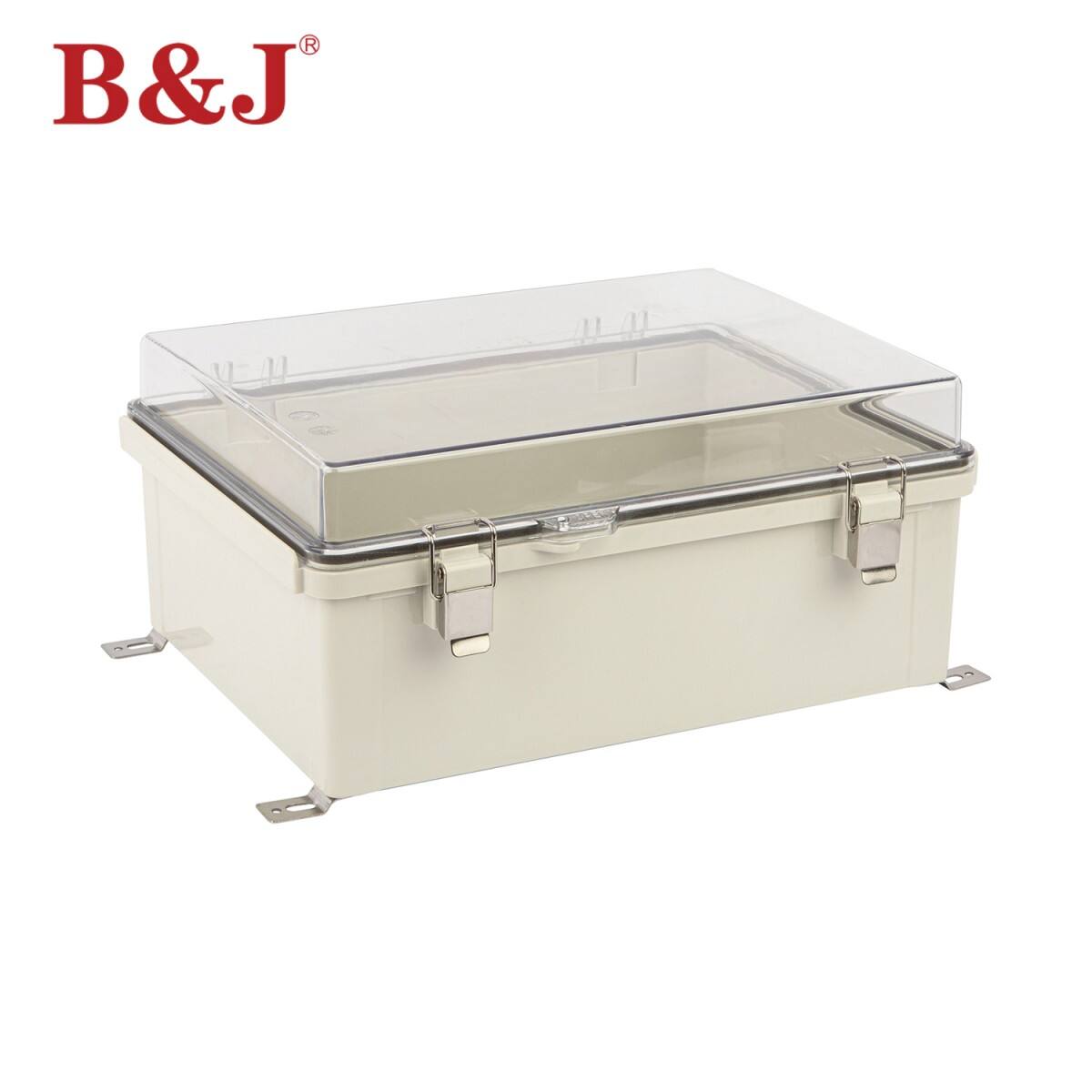
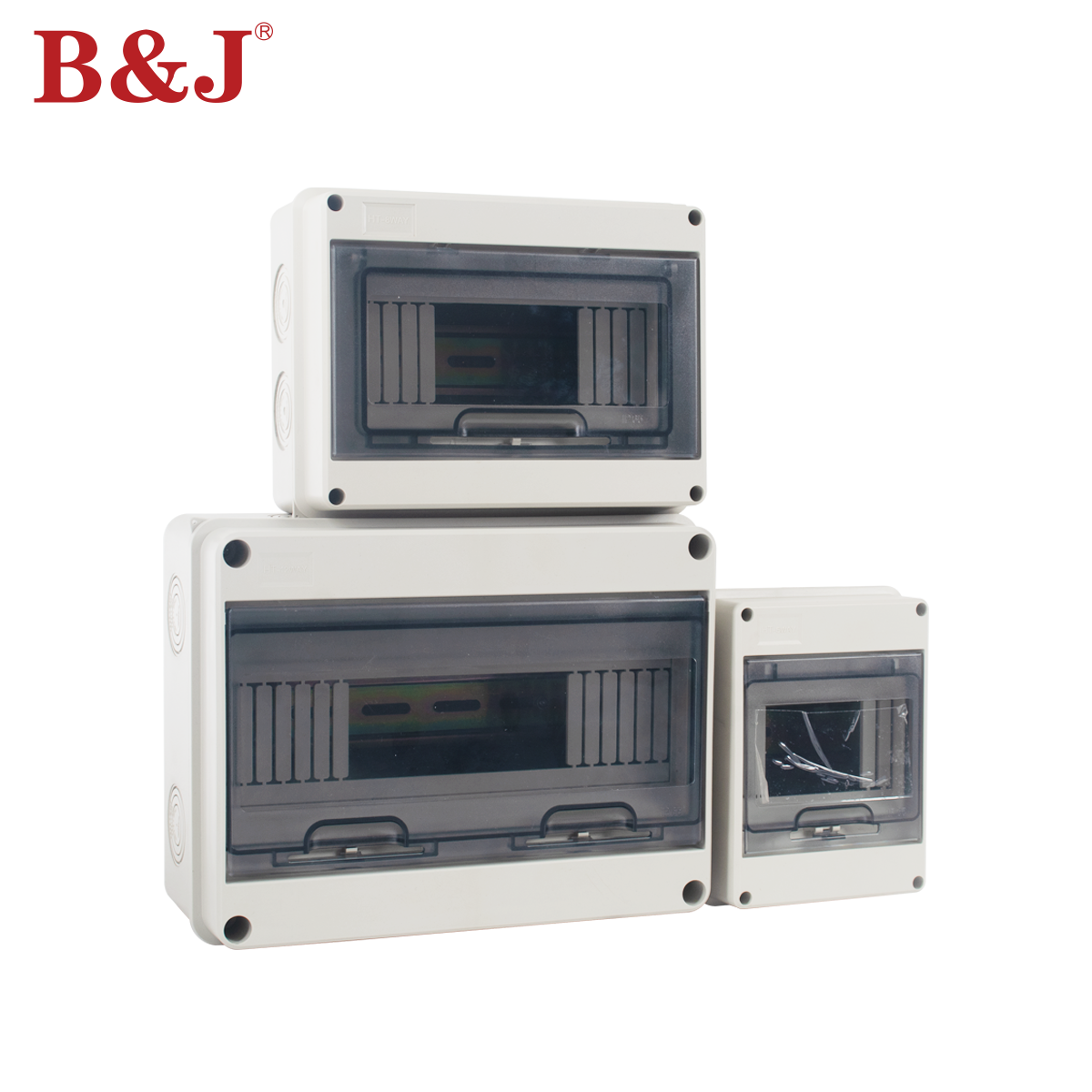
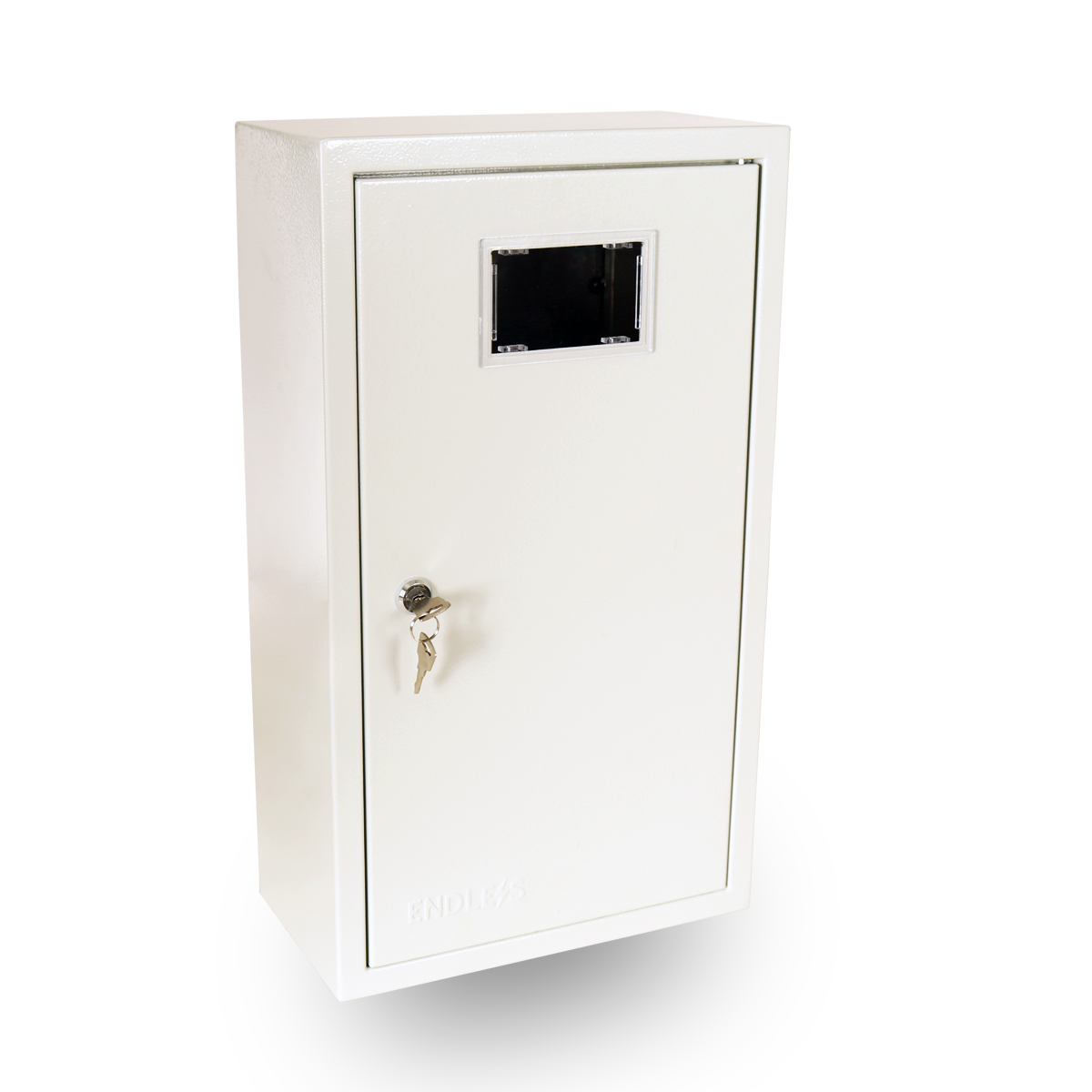
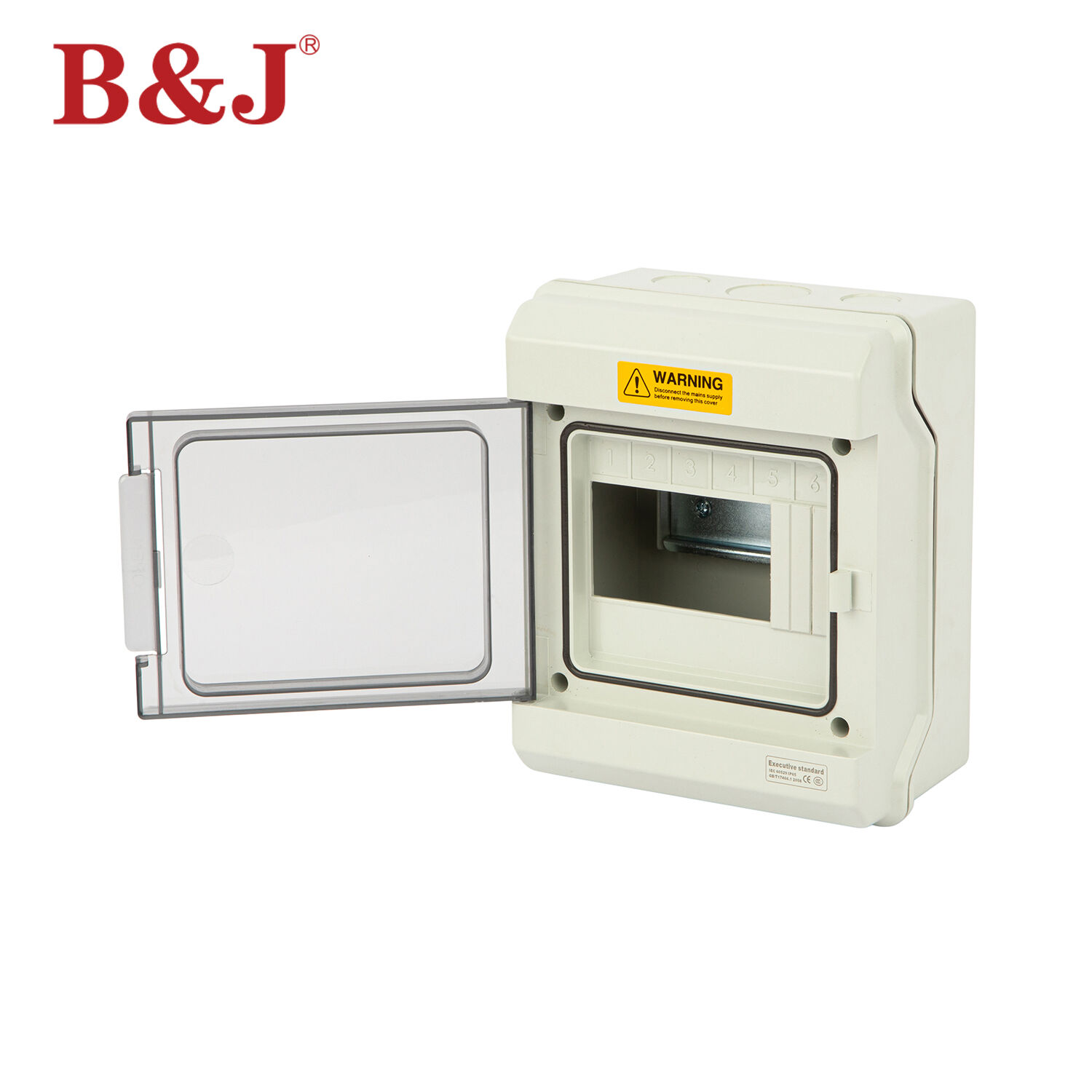
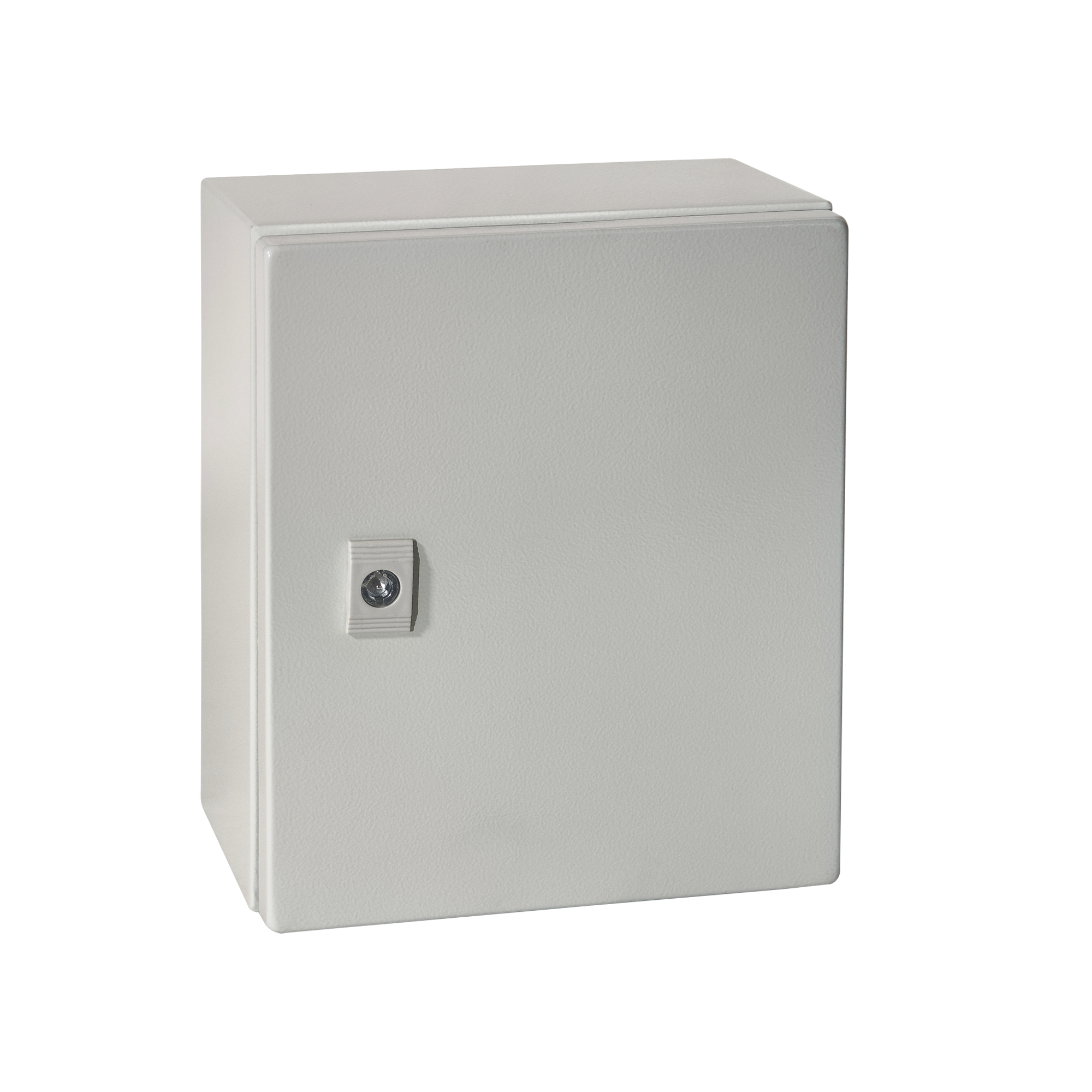
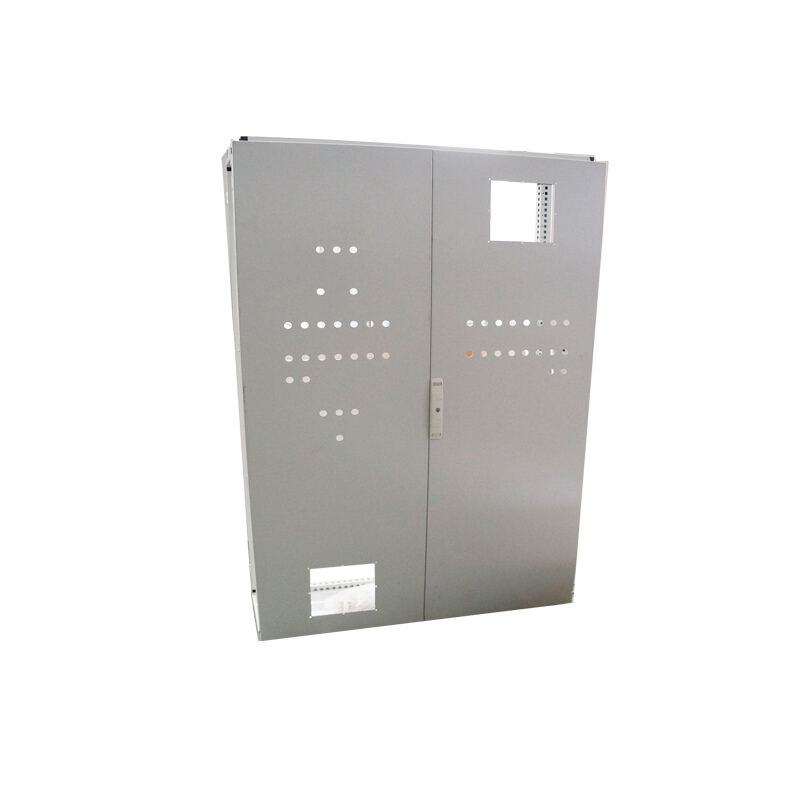
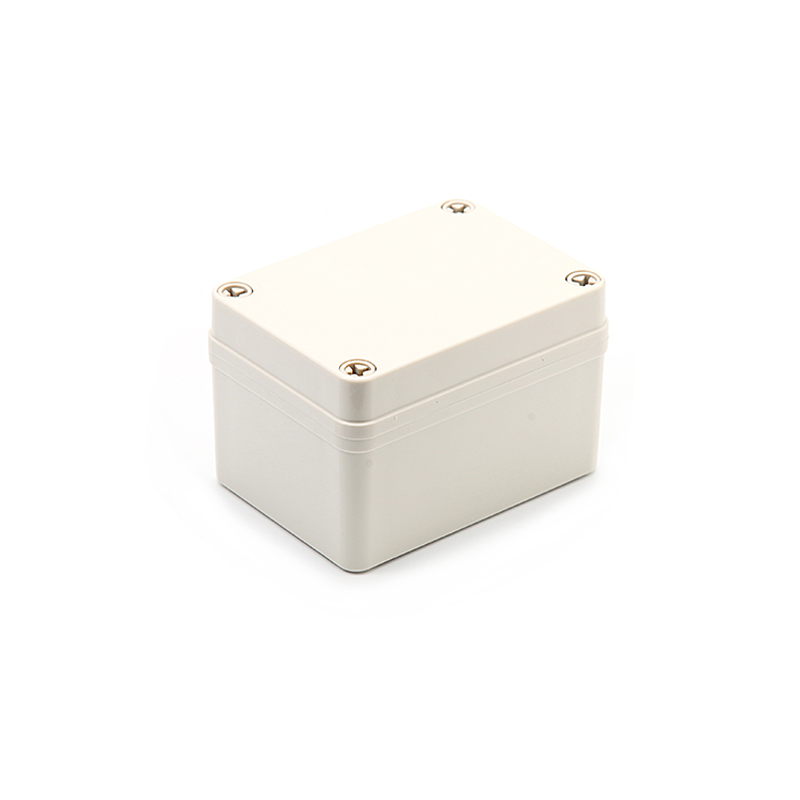
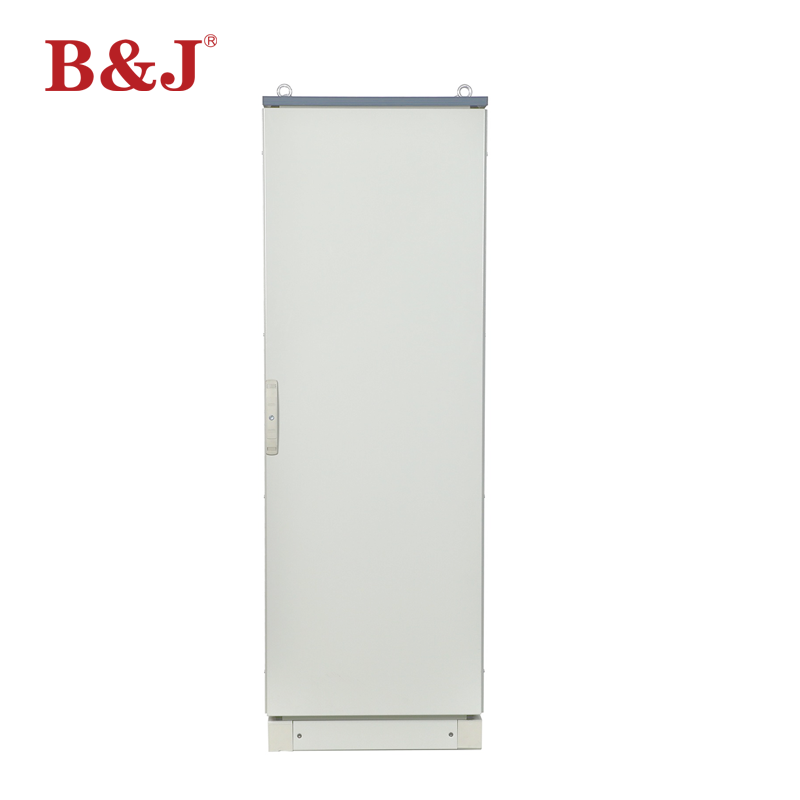
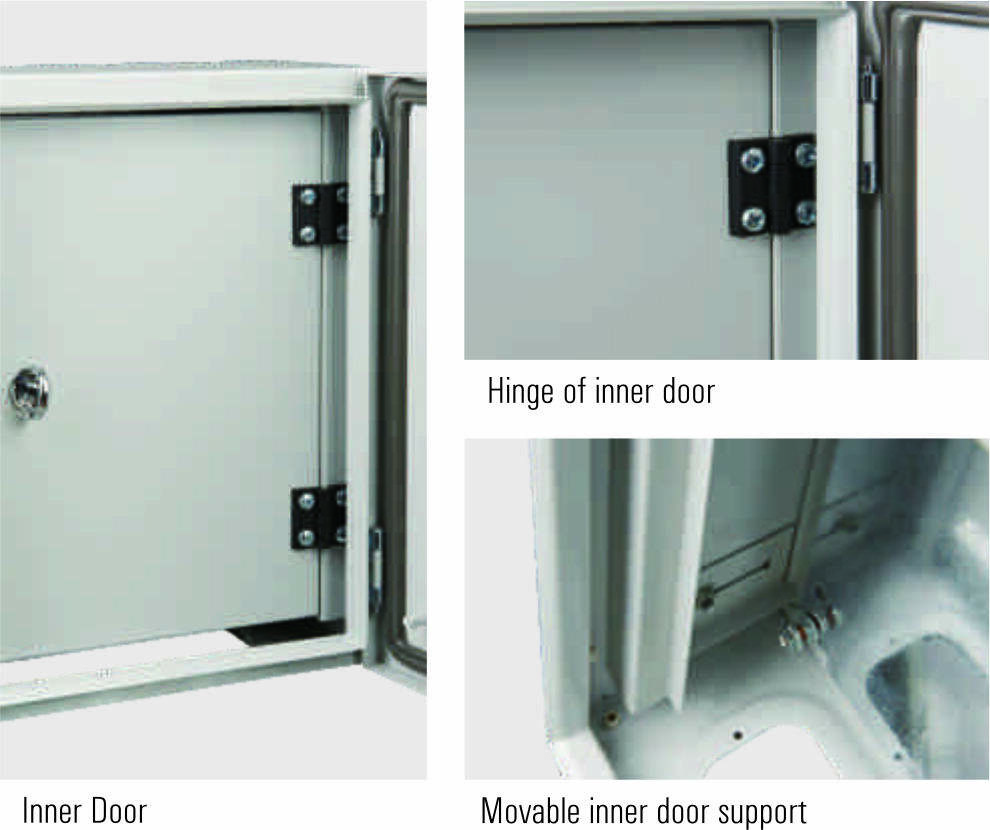
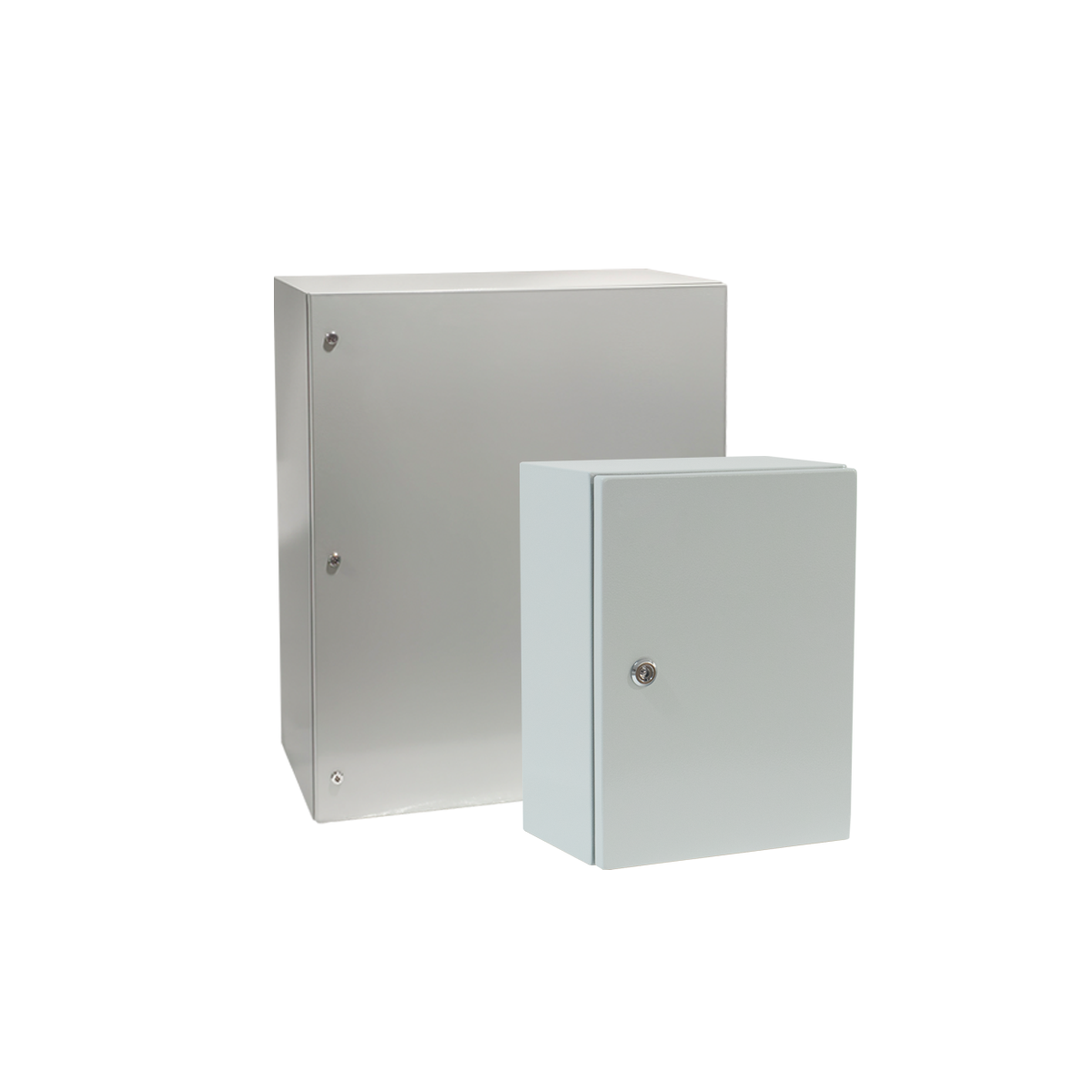
קופסת פלדה חיצונית משמשת כפתרון מגן עמיד ואמין שתוכנן במיוחד להגנה על ציוד חשמלי ואלקטרוני רגיש בסביבות חיצוניות קשות. מבנים מהנדסים אלו מספקים הגנה מקיפה מפני סיכונים סביבתיים תוך שמירה על אמינות הפעולה בתחומים תעשייתיים ומסחריים מגוונים. קופסת הפלדה החיצונית משלבת חוזק ייחודי של חומר עם תכונות עיצוב חכמות כדי ליצור מחסום בלתי חדיר בפני אלמנטים מזדמים, נזקים פיזיים והגעה לא מורשית. יחידות קופסאות פלדה חיצוניות מודרניות משתמשות בטכניקות ייצור מתקדמות המבטיחות ביצוע אופטימלי בשינויי טמפרטורה קיצוניים, חשיפה לרטיבות ולתנאי אטמוספירה קורוזיביים. הפונקציות העיקריות של קופסת הפלדה החיצונית כוללות הגנת הציוד, בידוד מהסביבה, שיפור האבטחה ונגישות לתיקון ותחזוקה. קופסאות אלו מגנות באופן יעיל על רכיבי תשתיות קריטיים ממטאר, שלג, רוח, אבק וקרינה فوق-סגולה מזיקה, ובמקביל מספקות סביבה פנימית מבוקרת לאלקטרוניקה רגישה. התכונות הטכנולוגיות המשולבות בעיצובים המודרניים של קופסאות פלדה חיצוניות כוללות מערכות איטום מהנדסות بدقة, מנגנוני אוורור, פתרונות ניהול חום ובנייה מודולרית. תהליכי ציפוי באבקה מתקדמים וטיפולים בגלוון משפרים את התנגדות הקורוזיה, ומאריכים משמעותית את תקופת השימוש. יישומי קופסאות הפלדה החיצוניות משתרעים על רשתות תקשורת, מערכות הפצת חשמל, בקרות אוטומציה תעשייתית, ציוד ניטור אבטחה והתקנות אנרגיה מתחדשת. הגמישות של פתרונות ההגנה הללו הופכת אותן imprescindable (בלתי נזדקקות) בתחומים השונים: חברות ת Utilities, מתקני ייצור, תשתיות תחבורה ויוזמות ערים חכמות. כל קופסת פלדה חיצונית עוברת בדיקות קפדניות כדי לעמוד בסטנדרטים בינלאומיים להגנה מפני חדירה, תאימות אלקטרומגנטית ותאימות מבנית.
 EN
EN