standard waterproof enclosure
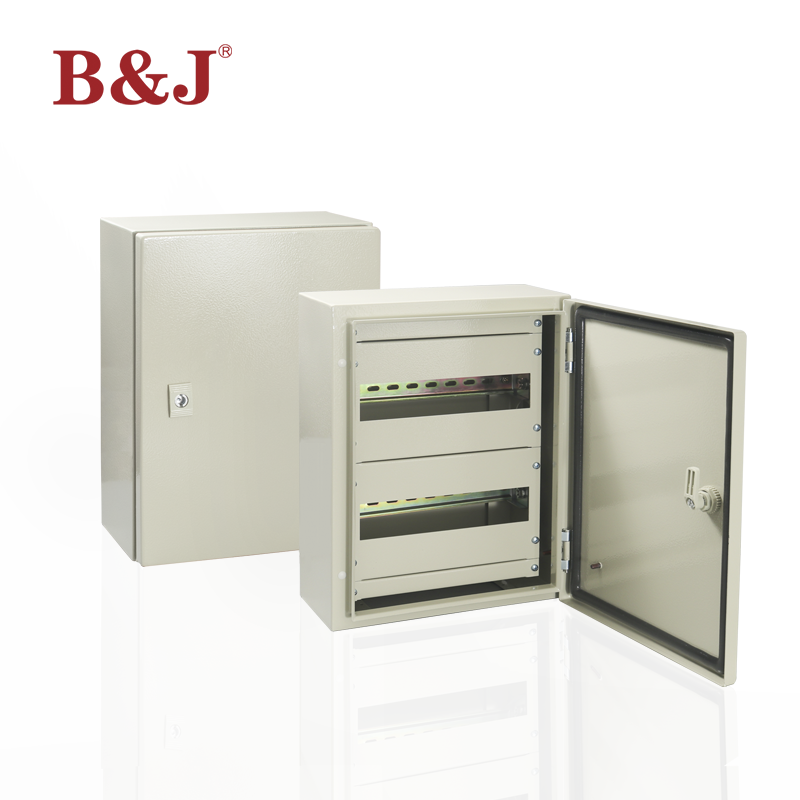
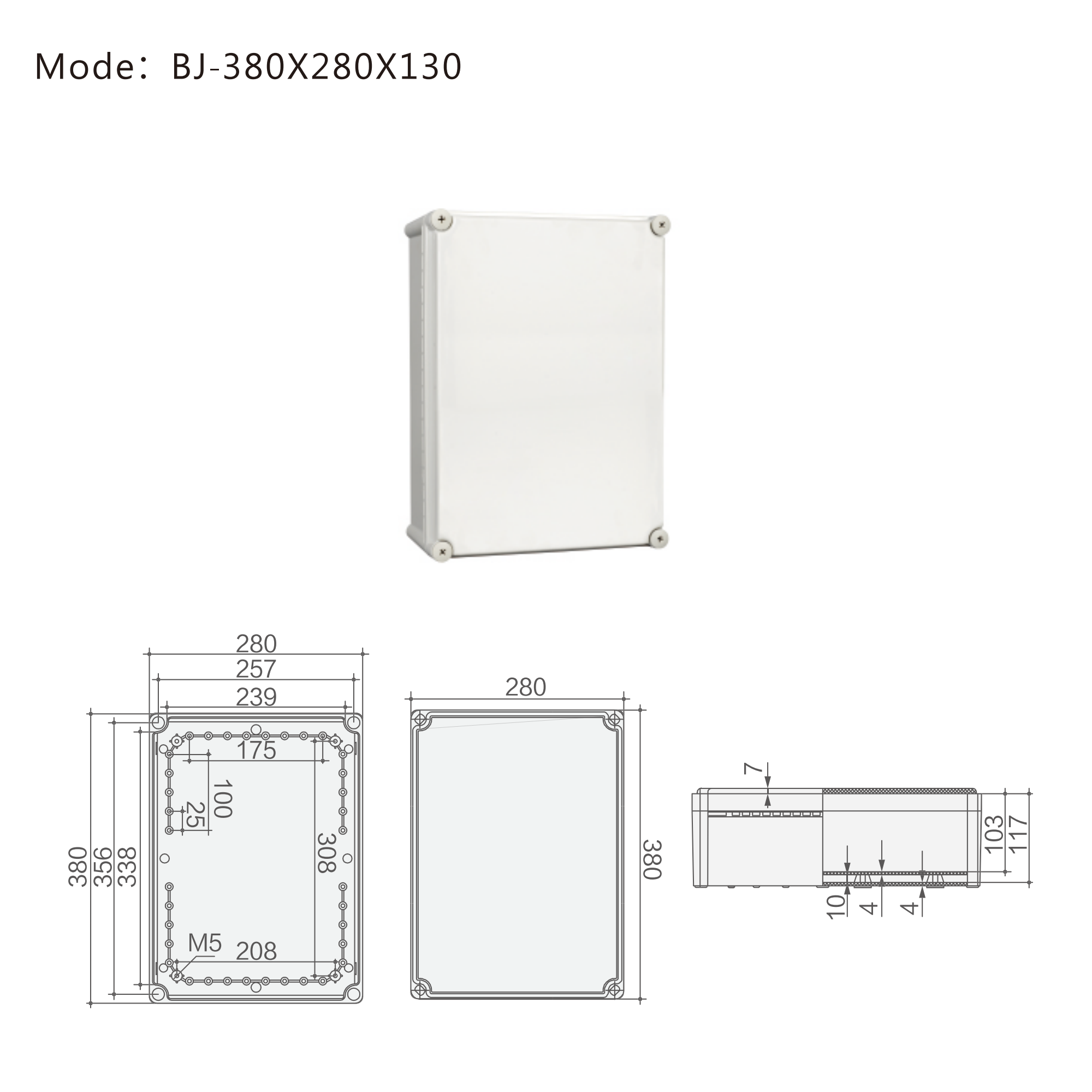
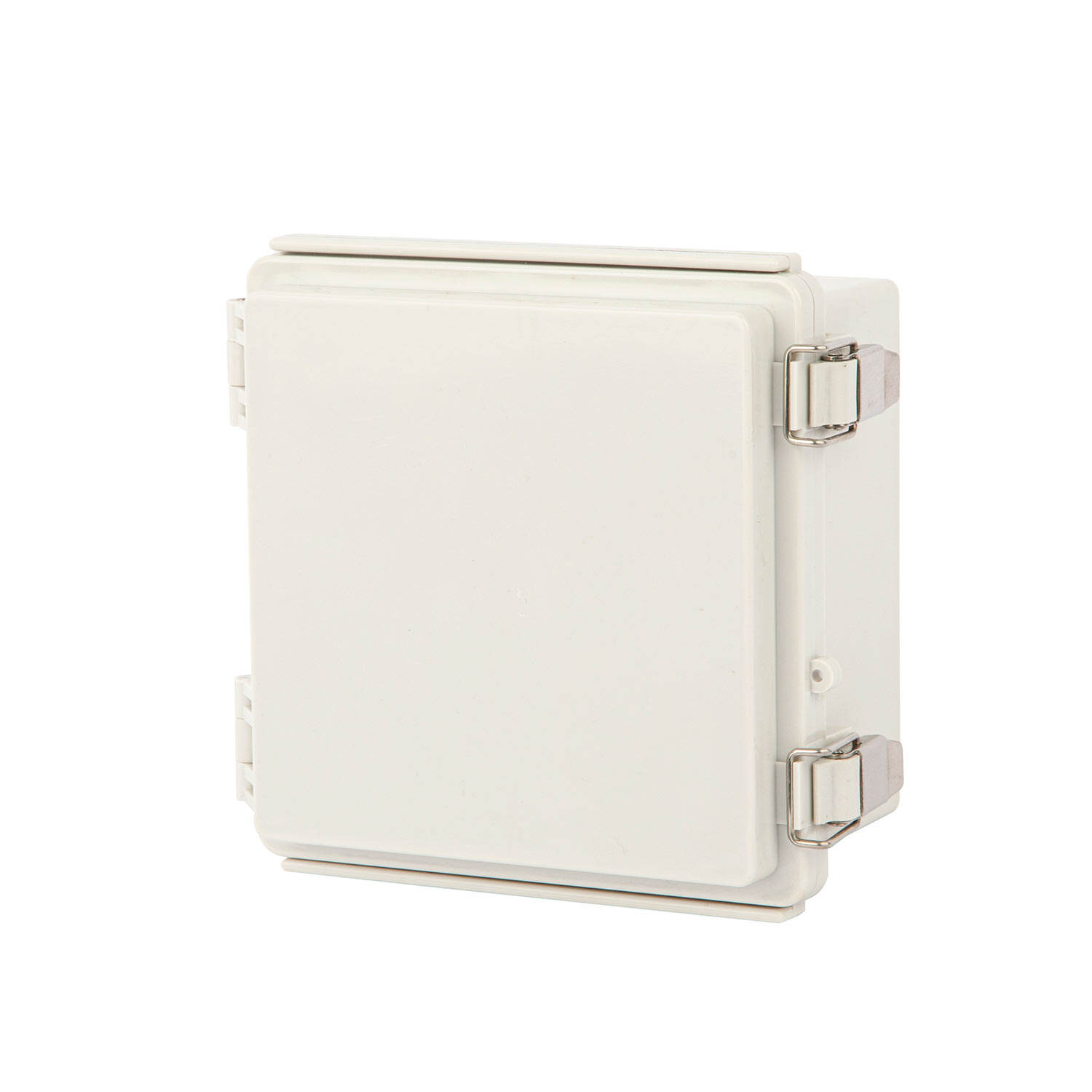
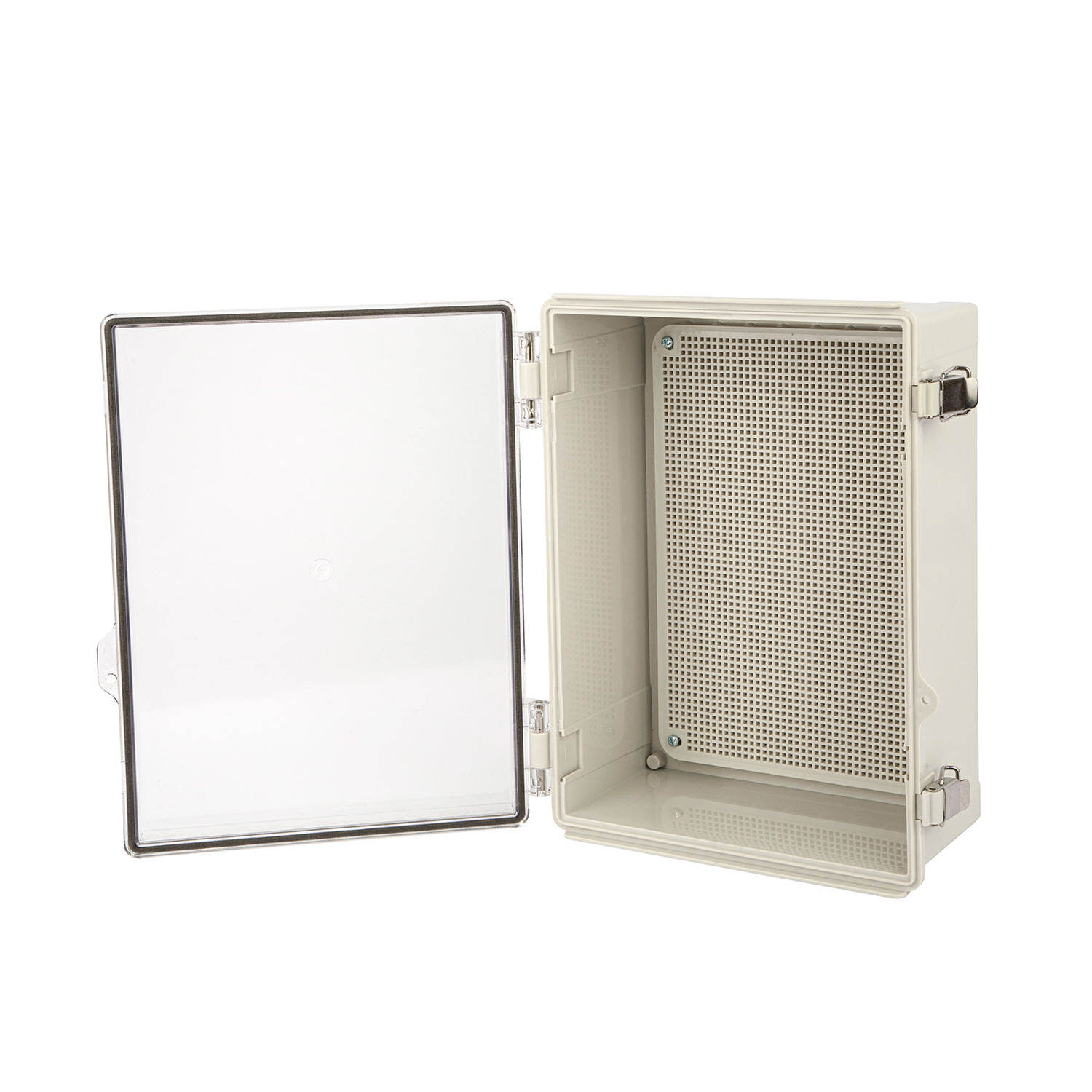
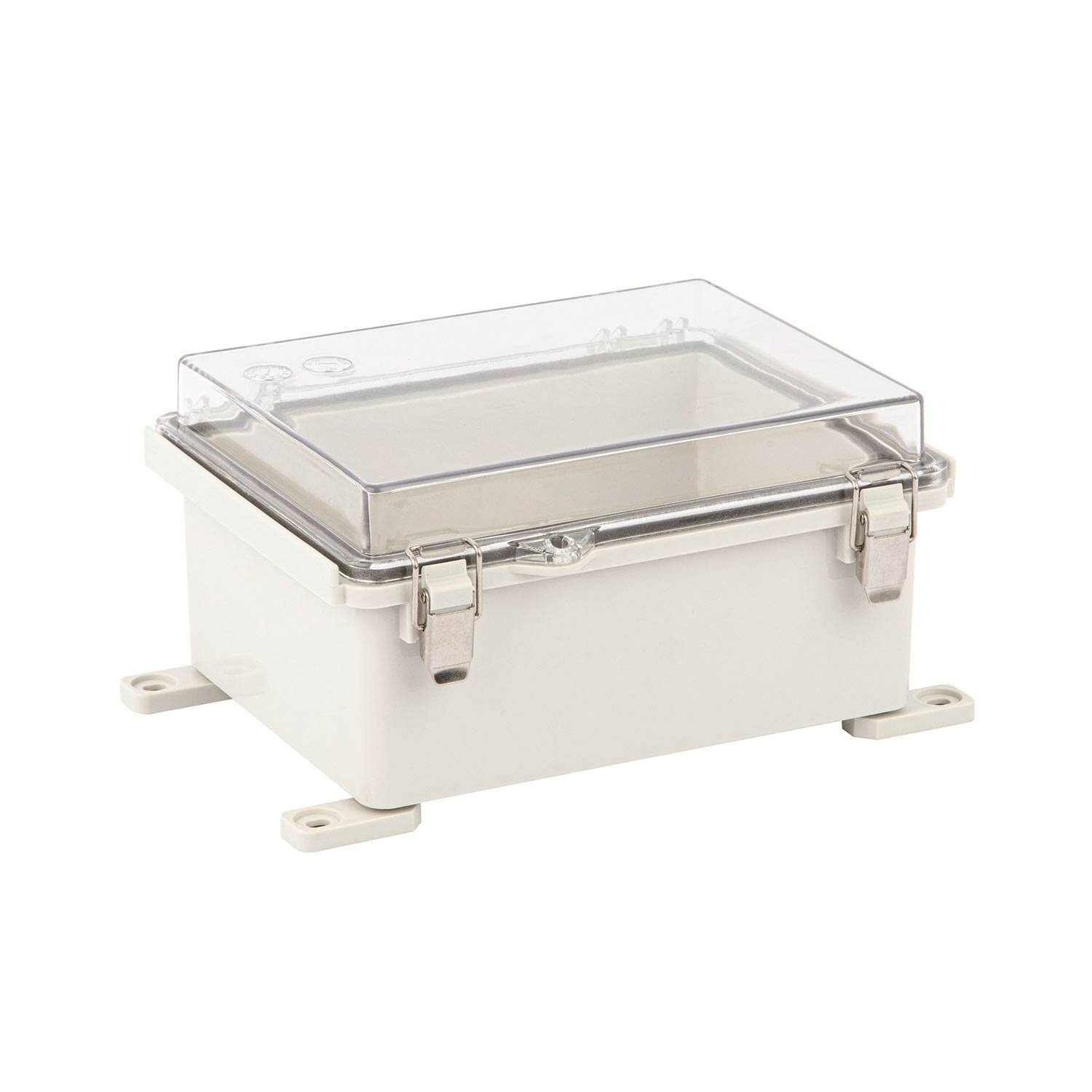
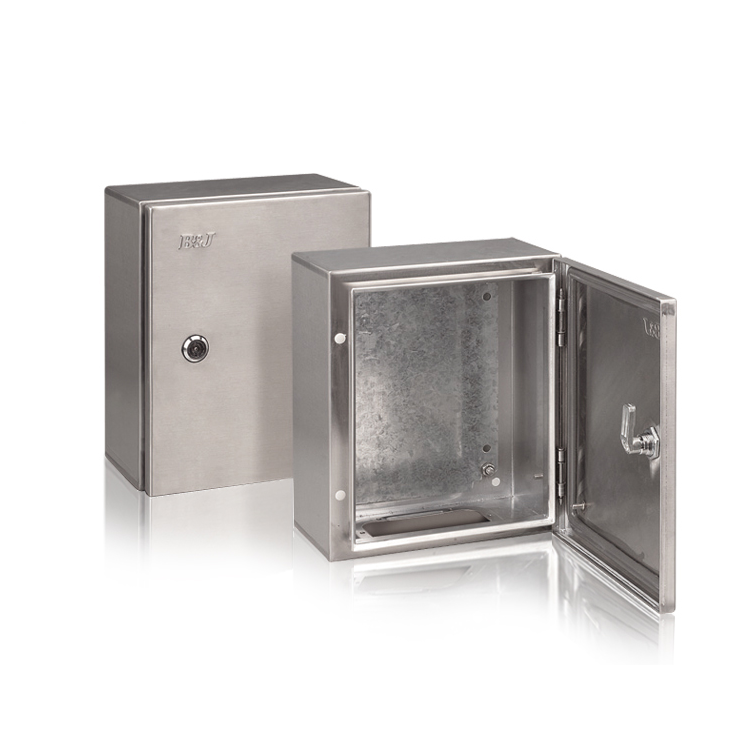
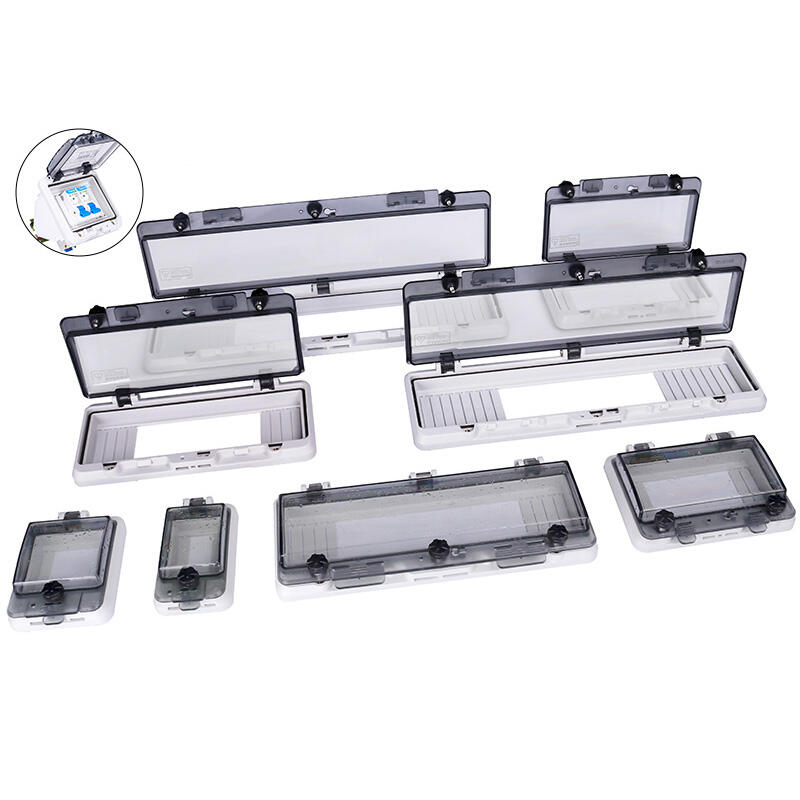
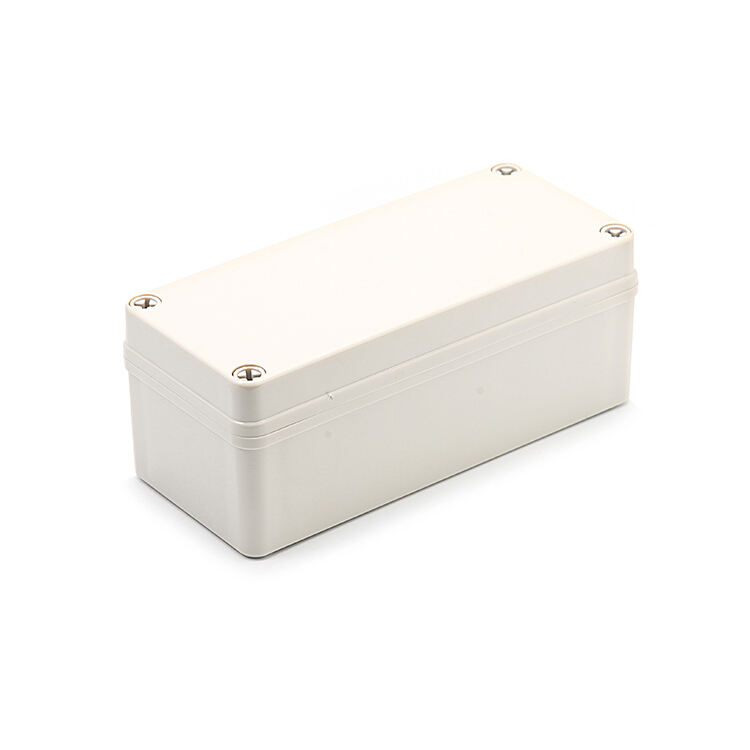
A standard waterproof enclosure represents a critical protective solution designed to safeguard electrical and electronic equipment from moisture, dust, and environmental hazards. These enclosures serve as the primary defense mechanism for sensitive components operating in challenging conditions where water exposure poses significant risks to functionality and safety. The fundamental purpose of a standard waterproof enclosure extends beyond simple moisture protection, encompassing comprehensive environmental shielding that ensures reliable operation across diverse applications. Modern standard waterproof enclosure designs incorporate advanced sealing technologies, including precision-engineered gaskets, O-rings, and compression seals that create impermeable barriers against water intrusion. The technological features of these enclosures typically include reinforced construction materials such as aluminum alloys, stainless steel, or high-grade plastics that provide exceptional durability while maintaining lightweight characteristics. Standard waterproof enclosure systems often feature IP65, IP66, or IP67 ratings, indicating their ability to withstand water jets, temporary submersion, and complete dust protection. The internal configuration of a standard waterproof enclosure includes mounting provisions, cable entry systems, and ventilation options that accommodate various equipment types without compromising protective integrity. Applications for standard waterproof enclosure solutions span numerous industries, including telecommunications, marine equipment, outdoor lighting systems, industrial automation, renewable energy installations, and transportation infrastructure. These enclosures protect critical components such as control panels, junction boxes, power supplies, networking equipment, and monitoring devices in environments ranging from coastal installations to industrial facilities. The versatility of standard waterproof enclosure designs enables customization for specific requirements, including size modifications, additional access points, and specialized mounting configurations that meet unique operational demands while maintaining optimal protection standards.