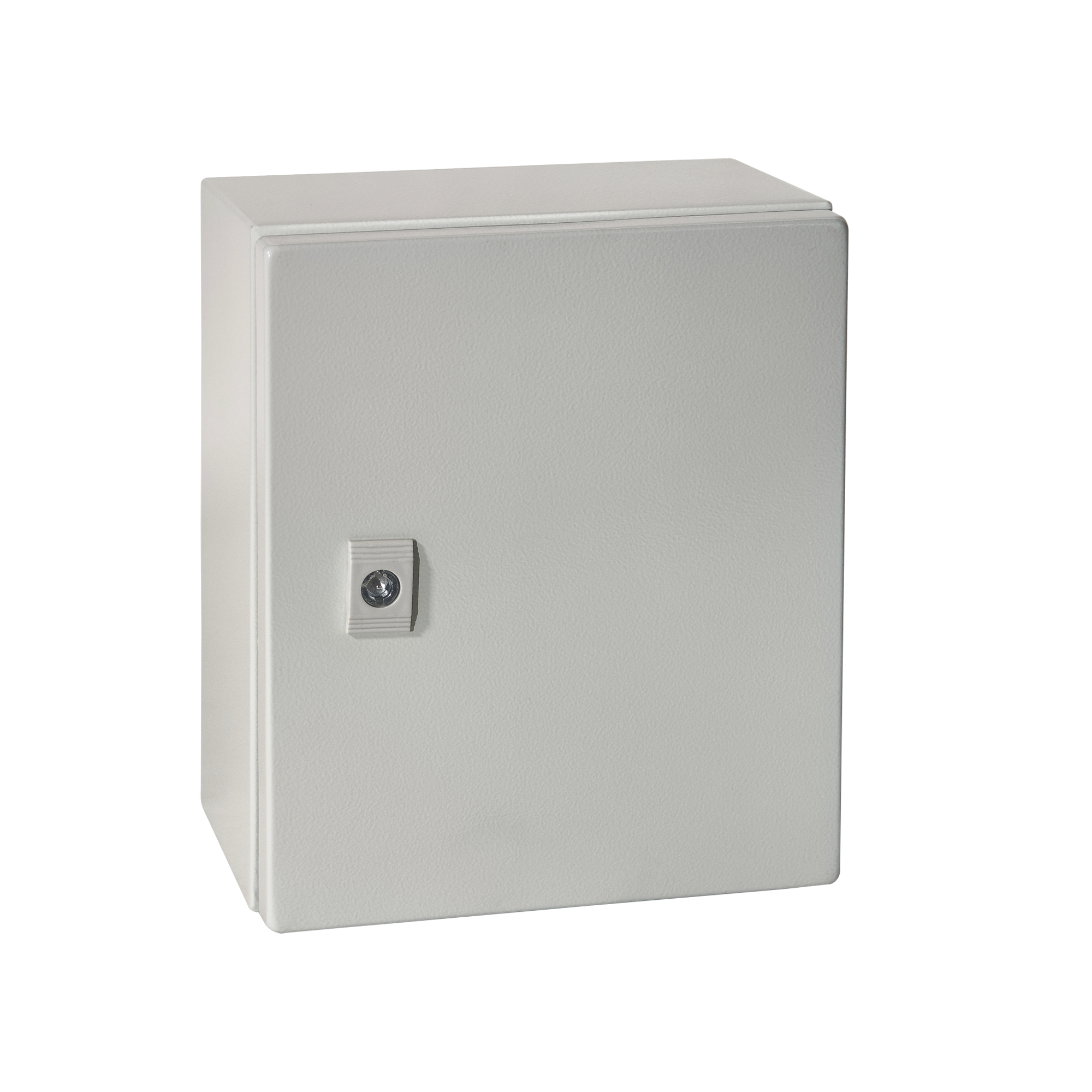
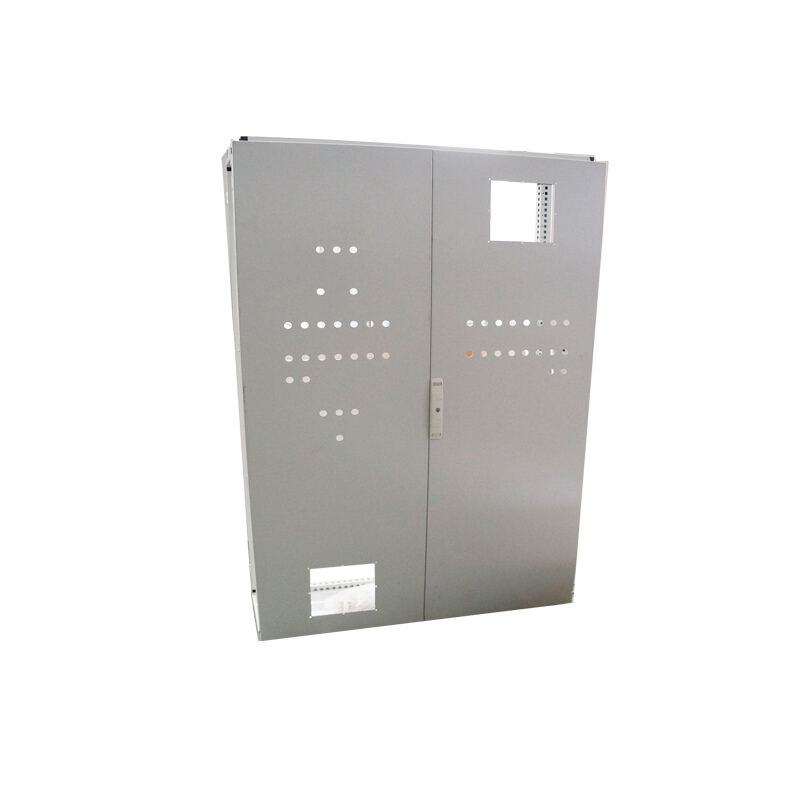
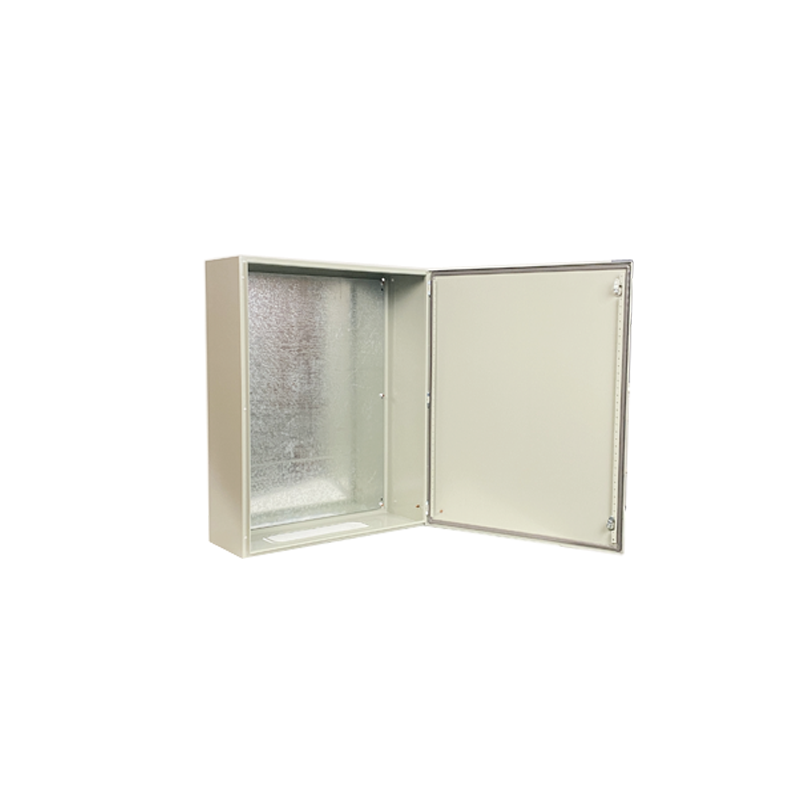
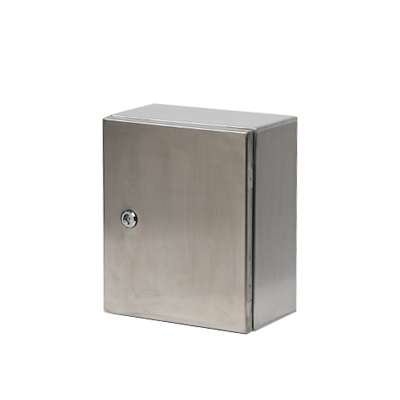
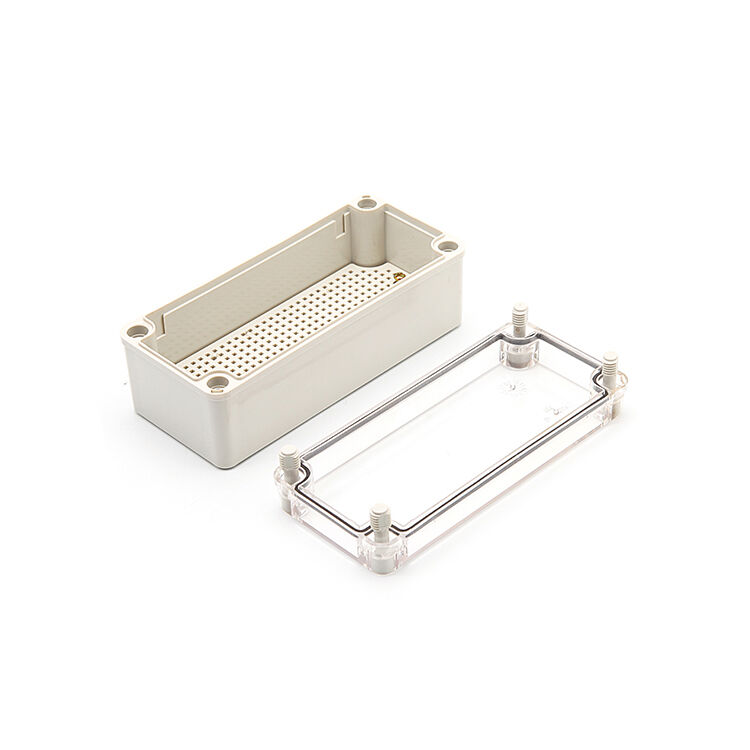
ipari elektromos szekrény
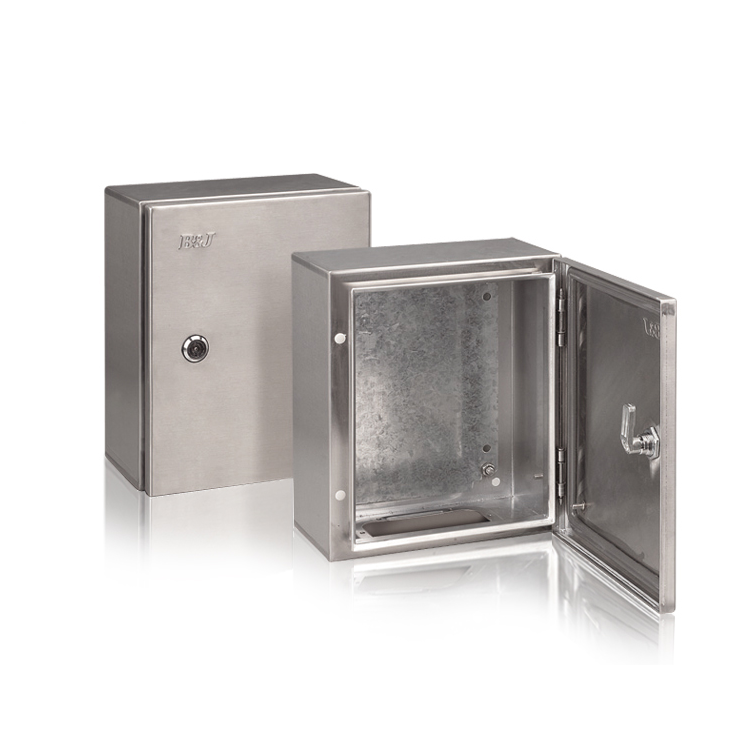
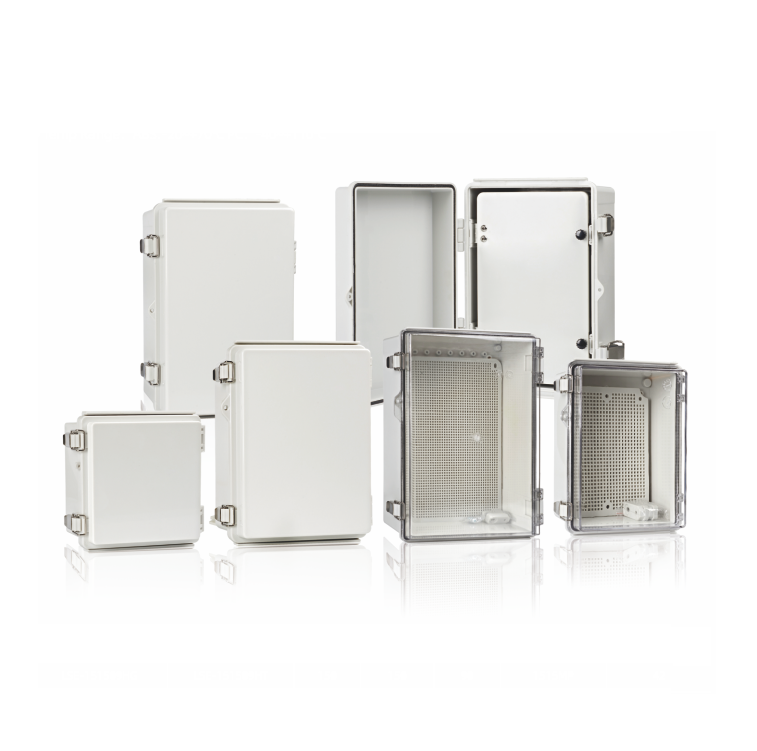
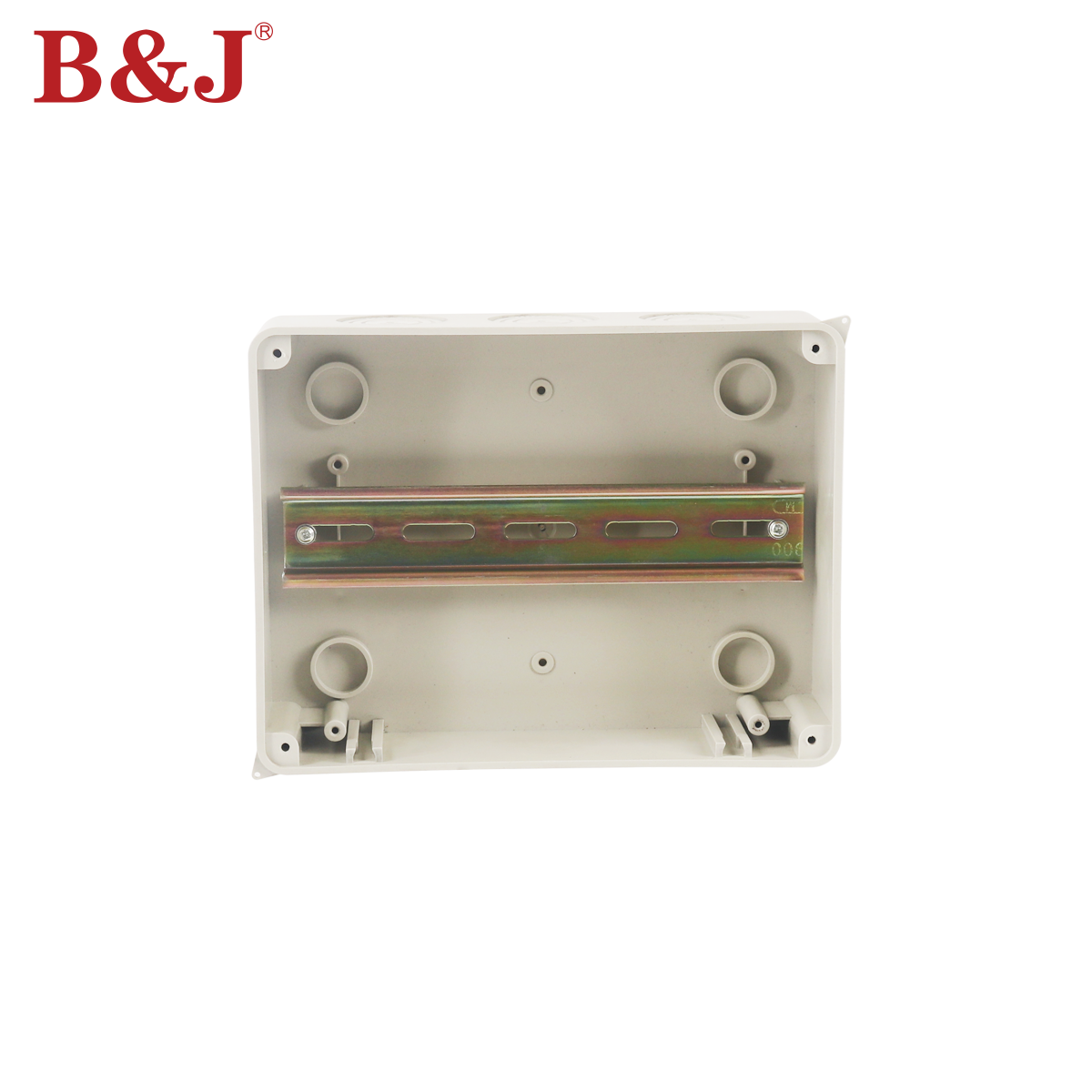
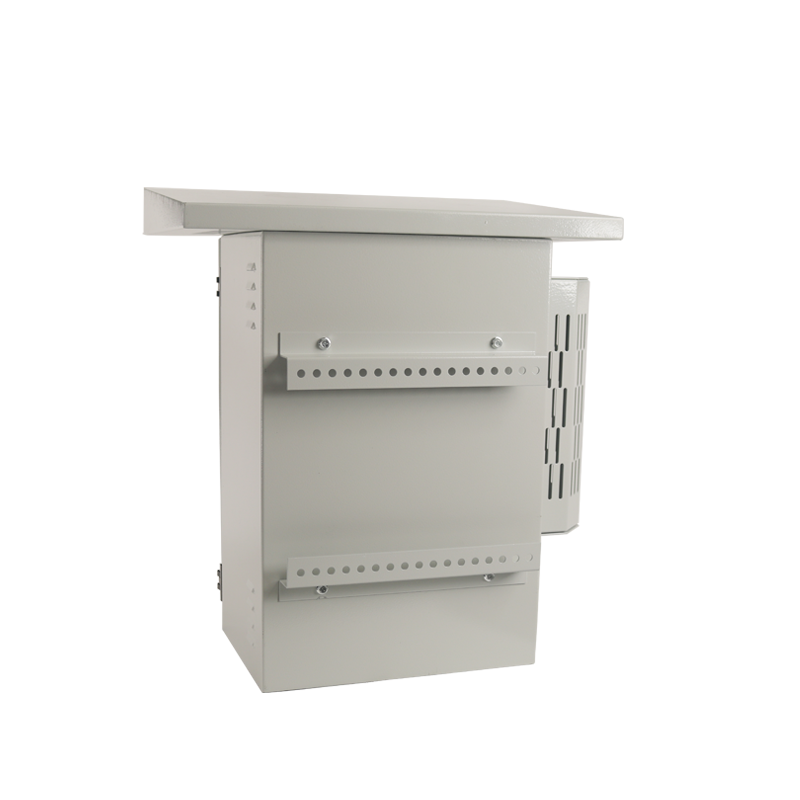
Egy ipari elektromos burkolat egy védőházi rendszer, amelyet az elektromos alkatrészek, vezérlőrendszerek és érzékeny berendezések környezeti veszélyekkel, jogtalan hozzáféréssel és működési zavarokkal szembeni védelmére terveztek. Ezek a robusztus védőszerkezetek a modern ipari műveletek gerincét képezik, biztonságos környezetet teremtve a kritikus elektromos infrastruktúra számára. Az ipari elektromos burkolatok fő funkciója a környezeti védelem, biztosítva, hogy a finom elektronikus alkatrészek működőképesek maradjanak por, nedvesség, vegyi anyagok, extrém hőmérsékletek és fizikai ütés hatására is. Ezek a burkolatok emellett lényeges biztonsági akadályokat is nyújtanak, megakadályozva a véletlen érintkezést az életveszélyes elektromos részekkel, csökkentve ezzel a munkahelyi baleseteket, és biztosítva a szigorú biztonsági előírások betartását. Biztonsági szempontból az ipari elektromos burkolatrendszerek zármechanizmusokat és hozzáférés-vezérlő rendszereket tartalmaznak, amelyek korlátozzák a jogtalan személyek hozzáférését az érzékeny berendezésekhez. A modern ipari elektromos burkolatok technológiai jellemzői közé tartoznak az avanzsált tömítési rendszerek, szellőzési lehetőségek és moduláris tervek, amelyek különféle berendezés-elrendezéseket is támogatnak. Számos egység IP-védettségi osztályozással rendelkezik, amely meghatározza a szilárd részecskék és folyadékok behatolásával szemben nyújtott védelem szintjét. A hőmérséklet-szabályozás egy másik kulcsfontosságú technológiai aspektus, mivel számos burkolat hűtőrendszert, fűtőelemeket és hőszigetelést tartalmaz az optimális működési körülmények fenntartása érdekében. Az ipari elektromos burkolatrendszerek alkalmazási területei számos szektorra kiterjednek, köztük a gyártóüzemek, az energiaelőállító erőművek, a távközlési infrastruktúra, az olaj- és gázipar, a vízkezelő létesítmények és a közlekedési rendszerek. A gyártási környezetekben ezek a burkolatok a motorvezérlő központokat, a programozható logikai vezérlőket (PLC-ket) és az elosztópaneleket védik. Az energiaelőállító létesítmények ipari elektromos burkolatokra támaszkodnak a kritikus vezérlőrendszerek, védőrelék és figyelőberendezések elhelyezéséhez. A távközlési iparban ezeket a védőszerkezeteket a hálózati berendezések, szerverek és kommunikációs eszközök környezeti kihívásokkal és biztonsági fenyegetésekkel szembeni védelmére használják. Mindegyik alkalmazás specifikus tervezési szempontokat igényel, hogy az ipari környezetben uralkodó nehéz körülmények mellett is optimális teljesítményt és hosszú élettartamot biztosítson.
 EN
EN