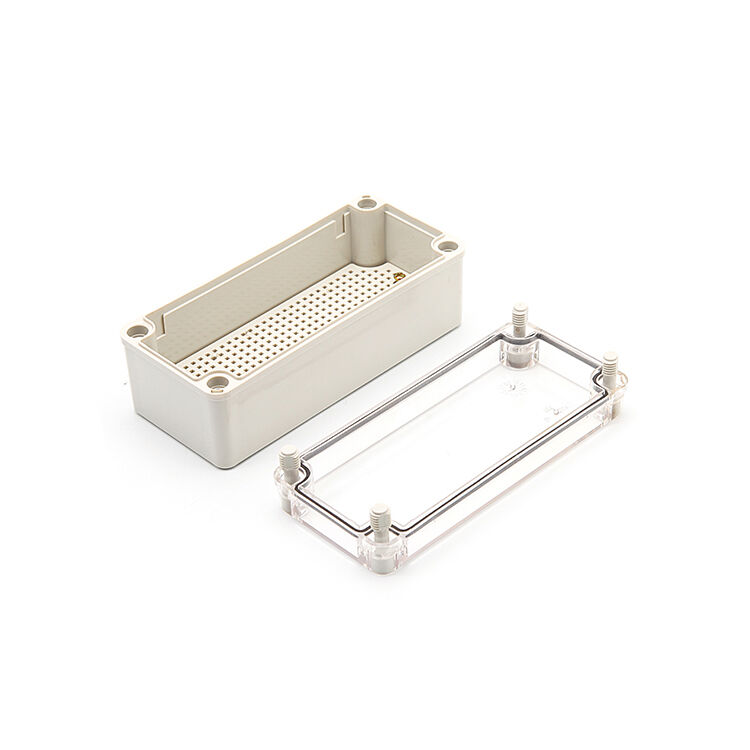
Industrial Electrical Enclosures: Complete Protection Solutions for Critical Equipment

Get a Free Quote

Our representative will contact you soon.
Email
Name
Company Name
Message
0/1000

industrial electrical enclosure

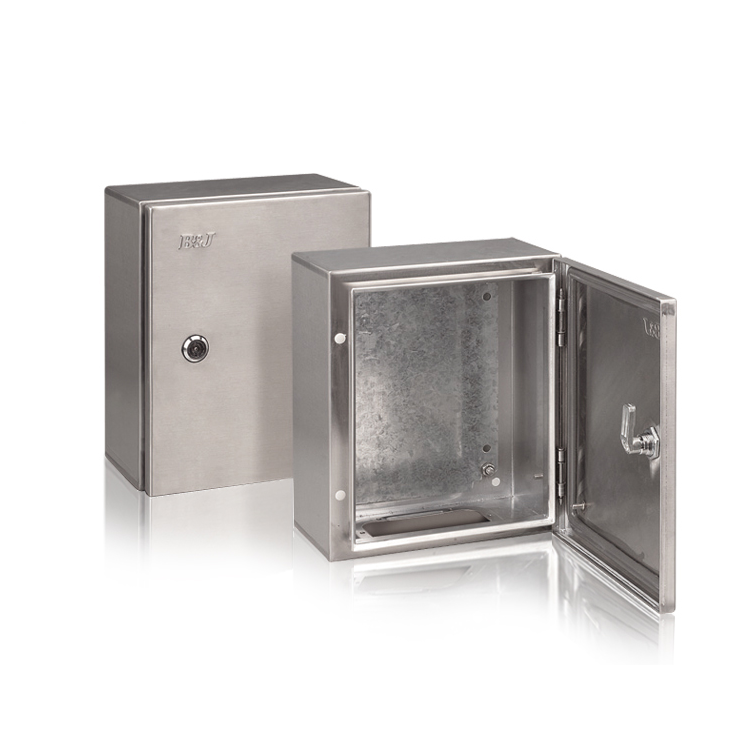
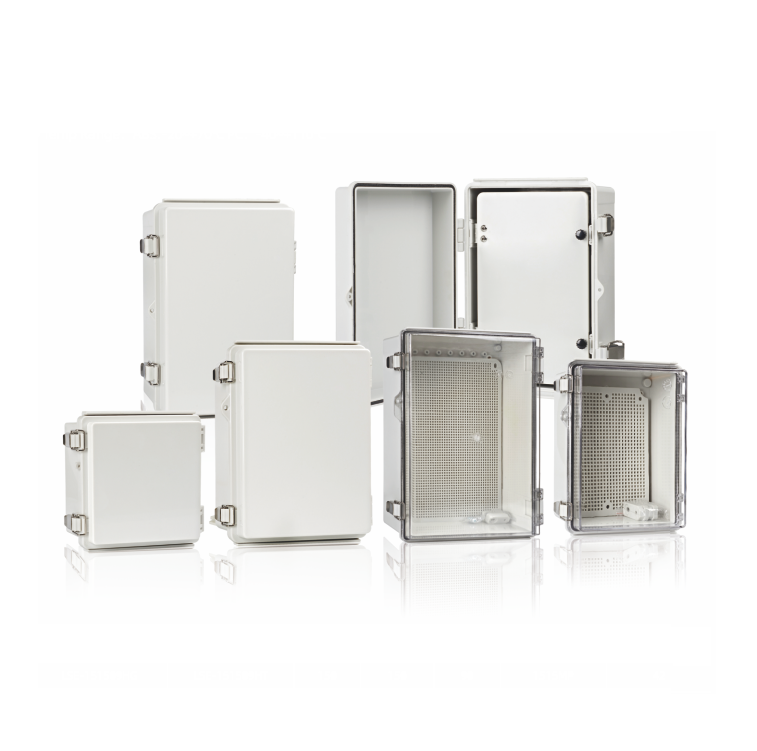
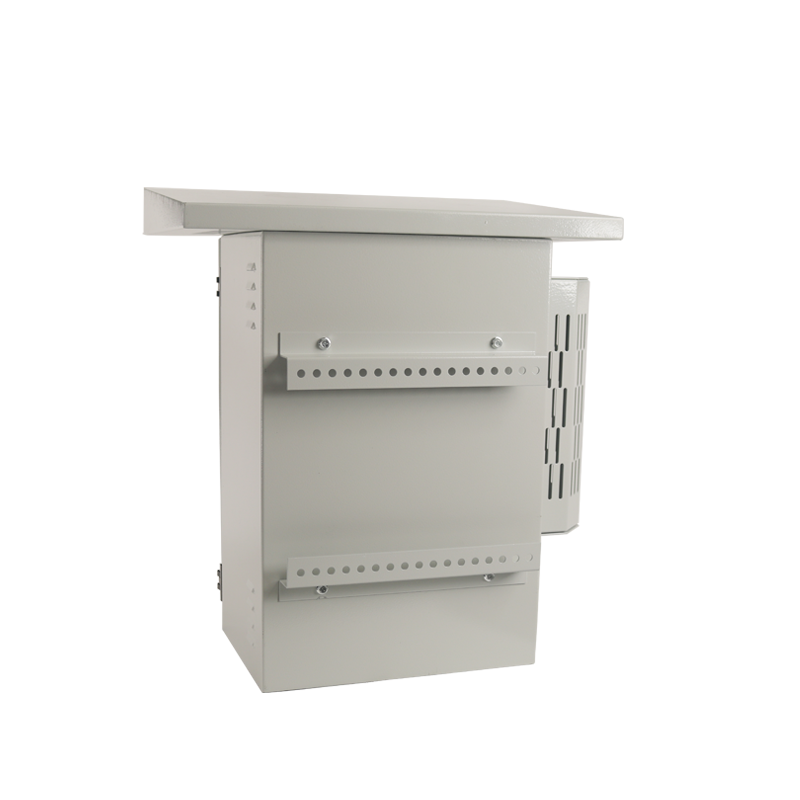
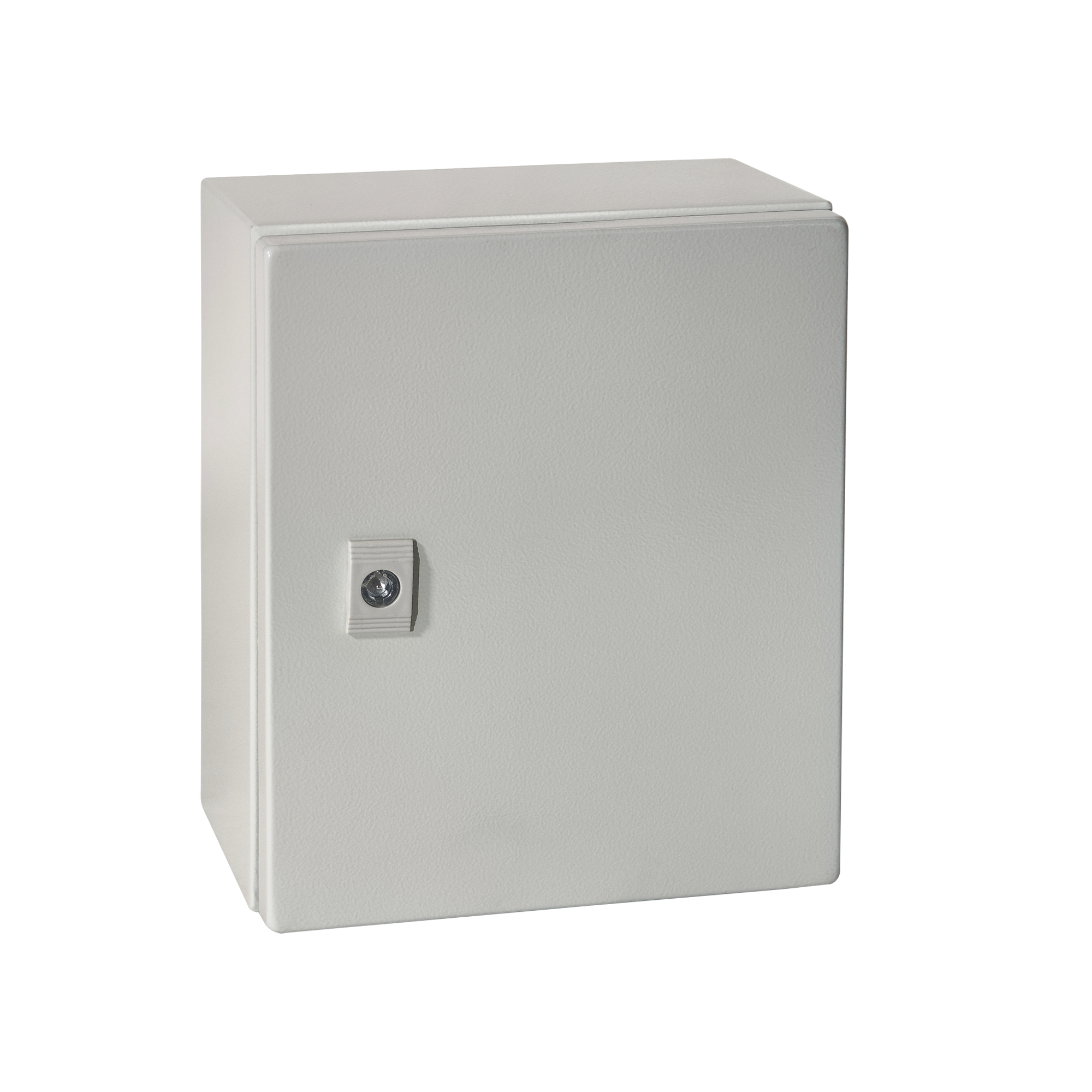
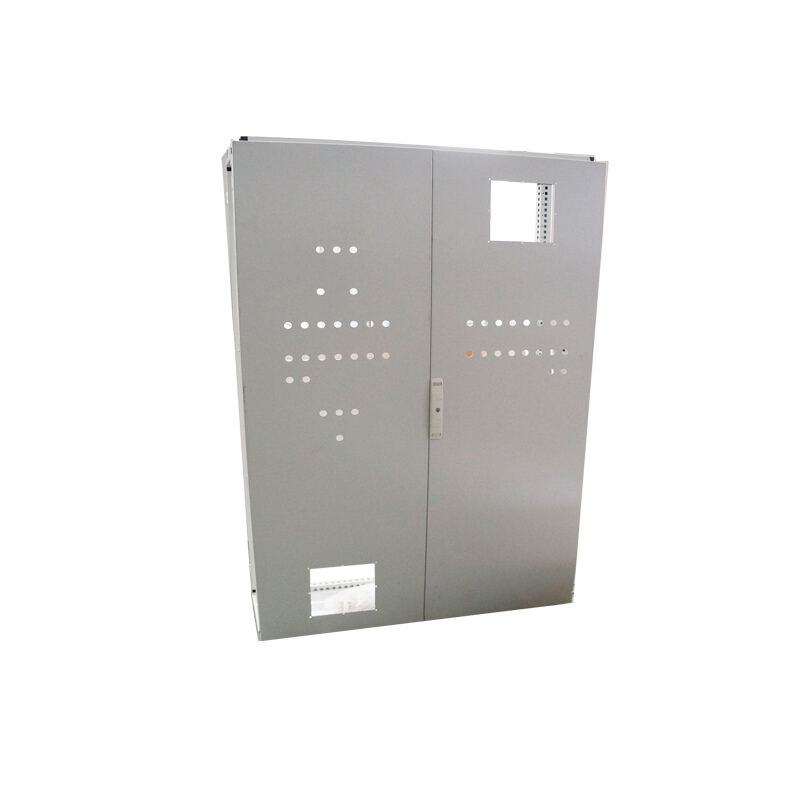
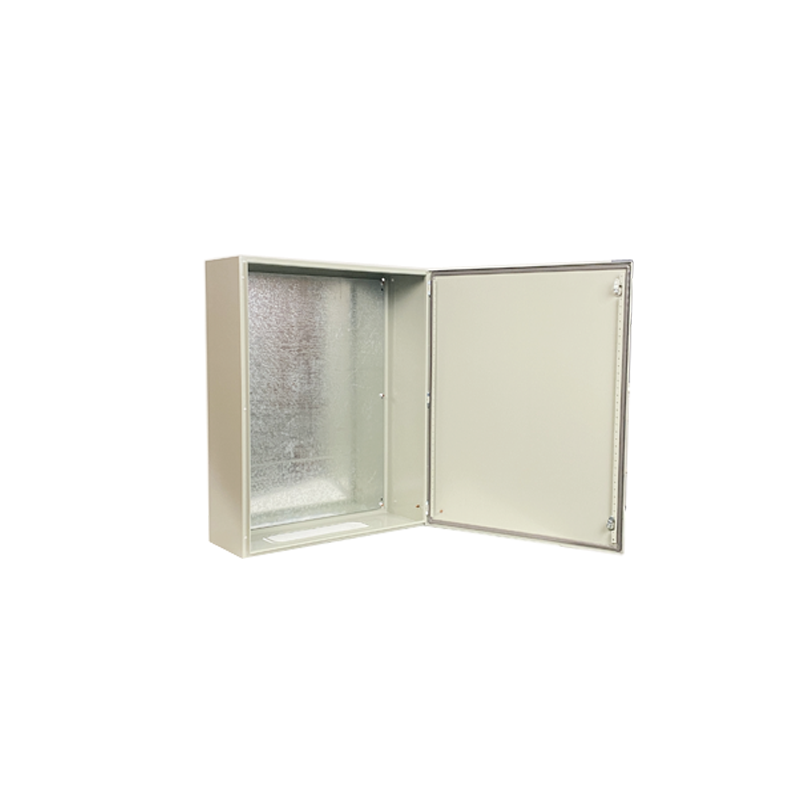
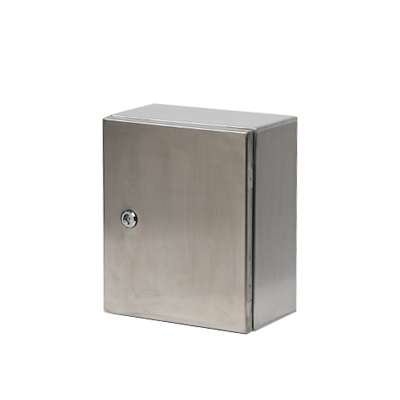
An industrial electrical enclosure serves as a protective housing system designed to safeguard electrical components, control systems, and sensitive equipment from environmental hazards, unauthorized access, and operational interference. These robust protective structures form the backbone of modern industrial operations by creating secure environments for critical electrical infrastructure. The primary function of an industrial electrical enclosure revolves around environmental protection, ensuring that delicate electronic components remain operational despite exposure to dust, moisture, chemicals, extreme temperatures, and physical impact. These enclosures also provide essential safety barriers that prevent accidental contact with live electrical parts, reducing workplace accidents and ensuring compliance with stringent safety regulations. From a security perspective, industrial electrical enclosure systems incorporate locking mechanisms and access controls that restrict unauthorized personnel from tampering with sensitive equipment. The technological features of modern industrial electrical enclosures include advanced sealing systems, ventilation capabilities, and modular designs that accommodate various equipment configurations. Many units feature IP rating classifications that specify their level of protection against solid particles and liquid ingress. Temperature management represents another crucial technological aspect, with many enclosures incorporating cooling systems, heating elements, and thermal insulation to maintain optimal operating conditions. The applications for industrial electrical enclosure systems span numerous sectors including manufacturing facilities, power generation plants, telecommunications infrastructure, oil and gas operations, water treatment facilities, and transportation systems. In manufacturing environments, these enclosures protect motor control centers, programmable logic controllers, and distribution panels. Power generation facilities rely on industrial electrical enclosures to house critical control systems, protection relays, and monitoring equipment. The telecommunications industry utilizes these protective structures to safeguard network equipment, servers, and communication devices from environmental challenges and security threats. Each application demands specific design considerations to ensure optimal performance and longevity in demanding industrial environments.

New Product Recommendations

Industrial electrical enclosures deliver substantial cost savings by preventing expensive equipment damage and reducing maintenance requirements throughout their operational lifespan. Organizations experience significant financial benefits when protective enclosures shield sensitive electrical components from environmental damage, eliminating costly repairs and premature replacements. These protective systems extend equipment life cycles by maintaining optimal operating conditions, allowing businesses to maximize their capital investments while reducing total ownership costs. The enhanced safety features of industrial electrical enclosures protect workers from electrical hazards, reducing workplace accidents and associated liability costs. Companies benefit from improved regulatory compliance as these enclosures help meet occupational safety standards and electrical codes, avoiding potential fines and legal complications. Operational reliability increases dramatically when critical electrical systems remain protected from environmental interference, power fluctuations, and physical damage. This reliability translates to reduced downtime, increased productivity, and consistent manufacturing output that directly impacts profitability. Industrial electrical enclosures offer exceptional flexibility through modular designs that accommodate future expansions and equipment upgrades without requiring complete system overhauls. This adaptability allows organizations to scale their operations efficiently while protecting their infrastructure investments. The standardized mounting systems and cable management features simplify installation processes, reducing labor costs and project timelines. Maintenance becomes more efficient when electrical components are organized within well-designed enclosures that provide easy access for service technicians. The improved organization reduces troubleshooting time and minimizes system downtime during routine maintenance activities. Environmental protection capabilities ensure consistent performance across diverse operating conditions, from extreme temperatures to high humidity environments. This versatility allows single enclosure designs to serve multiple applications, simplifying inventory management and reducing procurement complexity. Energy efficiency improvements result from better temperature control and reduced heat loss, contributing to lower operational costs. The professional appearance of quality industrial electrical enclosures enhances facility aesthetics while maintaining functionality, supporting corporate image and client confidence. Long-term durability ensures these protective systems continue delivering value for decades, making them sound investments for forward-thinking organizations seeking reliable electrical infrastructure protection.

Latest News

Top Industrial Distribution Box Brands to Consider in 2025

13

Mar

Top Industrial Distribution Box Brands to Consider in 2025

Top Industrial Distribution Box Brands to Consider in 2025 Industrial facilities require reliable and durable electrical infrastructure, and the distribution box is one of the most critical components of any power distribution system. From manufactu...
View More
Powder-Coated vs. Galvanized Metal Boxes: Which Resists Rust Longer?

23

Apr

Powder-Coated vs. Galvanized Metal Boxes: Which Resists Rust Longer?

When selecting a metal box for industrial applications, the coating choice directly impacts how long your investment will withstand corrosion and environmental challenges. Powder-coated and galvanized finishes represent two fundamentally different ap...
View More
Picking an IP66 Metal Enclosure for EV Charging Piles

23

Apr

Picking an IP66 Metal Enclosure for EV Charging Piles

Selecting the right metal enclosure for EV charging piles requires careful consideration of environmental protection standards, material durability, and installation requirements. IP66-rated metal enclosures provide the essential weatherproof barrier...
View More
Modular Enclosure Panel Cut-Out Standards (Free Templates)

23

Apr

Modular Enclosure Panel Cut-Out Standards (Free Templates)

Modular enclosure panel cut-out standards represent the backbone of professional electrical installations, providing precise dimensional specifications that ensure component compatibility and installation efficiency. These standardized measurements e...
View More

Get a Free Quote

Our representative will contact you soon.
Email
Name
Company Name
Message
0/1000

industrial electrical enclosure

Superior Environmental Protection and Durability

Superior Environmental Protection and Durability

Industrial electrical enclosures provide unmatched environmental protection through advanced engineering designs that shield critical electrical components from harsh operating conditions. These protective systems incorporate multiple layers of defense against environmental threats including moisture ingress, dust accumulation, chemical exposure, temperature extremes, and physical impact damage. The enclosure materials typically feature corrosion-resistant properties achieved through specialized coatings, stainless steel construction, or aluminum alloys that maintain structural integrity despite prolonged exposure to challenging environments. Sealing systems represent a critical component of environmental protection, utilizing high-quality gaskets, O-rings, and weatherstripping materials that create effective barriers against water and particle infiltration. Many industrial electrical enclosures achieve IP65 or higher ratings, indicating complete protection against dust ingress and resistance to water jets from any direction. The robust construction methods employed in manufacturing these enclosures ensure they withstand mechanical stress, vibration, and impact forces commonly encountered in industrial settings. Thermal management capabilities built into these protective systems maintain optimal operating temperatures for sensitive electronic equipment through passive cooling designs, forced air circulation, or integrated heating elements. This temperature control prevents component failure due to overheating or thermal cycling stress. UV resistance properties protect enclosures from degradation when exposed to direct sunlight, ensuring long-term aesthetic appeal and structural integrity. The durability advantages extend beyond immediate protection to include resistance against aging, fatigue, and wear that could compromise protective capabilities over time. Specialized coatings and surface treatments enhance resistance to chemical exposure, salt spray, and industrial pollutants that might otherwise cause deterioration. Quality industrial electrical enclosures undergo rigorous testing procedures to verify their protective capabilities under simulated environmental conditions, providing confidence in their performance across diverse applications. This comprehensive environmental protection translates to extended equipment life, reduced maintenance requirements, and improved operational reliability that justifies the investment in quality enclosure systems.
Advanced Safety Features and Regulatory Compliance

Advanced Safety Features and Regulatory Compliance

Industrial electrical enclosures incorporate comprehensive safety features designed to protect personnel while ensuring compliance with stringent electrical and safety regulations governing industrial operations. These safety systems begin with robust access control mechanisms that prevent unauthorized personnel from contacting live electrical components or sensitive control systems. Multi-point locking systems, key-operated latches, and tamper-evident seals provide layered security that maintains safe working environments. The enclosure designs incorporate proper grounding systems and bonding connections that eliminate electrical hazards associated with fault conditions or static electricity buildup. Internal component organization follows established safety standards that maintain appropriate clearances between live parts and accessible surfaces, reducing risk of accidental contact during maintenance activities. Emergency disconnect capabilities enable rapid system shutdown when safety concerns arise, protecting both personnel and equipment from potential damage. Ventilation systems designed into many industrial electrical enclosures maintain safe internal atmospheres by preventing accumulation of hazardous gases or excessive heat that could create dangerous operating conditions. Fire resistance properties built into enclosure materials and designs help contain electrical fires and prevent their spread to surrounding areas. Arc flash protection measures incorporated into advanced enclosure designs include pressure relief mechanisms and flame-resistant materials that mitigate the effects of electrical faults. Compliance with international safety standards including NEMA, IEC, and UL requirements ensures these enclosures meet rigorous safety criteria established by regulatory authorities. Documentation and certification processes verify that each enclosure design meets specific safety requirements for its intended application environment. Regular safety audits and inspection procedures supported by proper enclosure design enable organizations to maintain compliance with evolving safety regulations. Training programs and safety protocols become more effective when supported by properly designed industrial electrical enclosures that clearly identify hazards and provide appropriate protective barriers. The comprehensive approach to safety embedded in quality enclosure designs reduces insurance costs, minimizes regulatory compliance burdens, and creates safer working environments that benefit both employees and organizations.
Modular Design Flexibility and Easy Installation

Modular Design Flexibility and Easy Installation

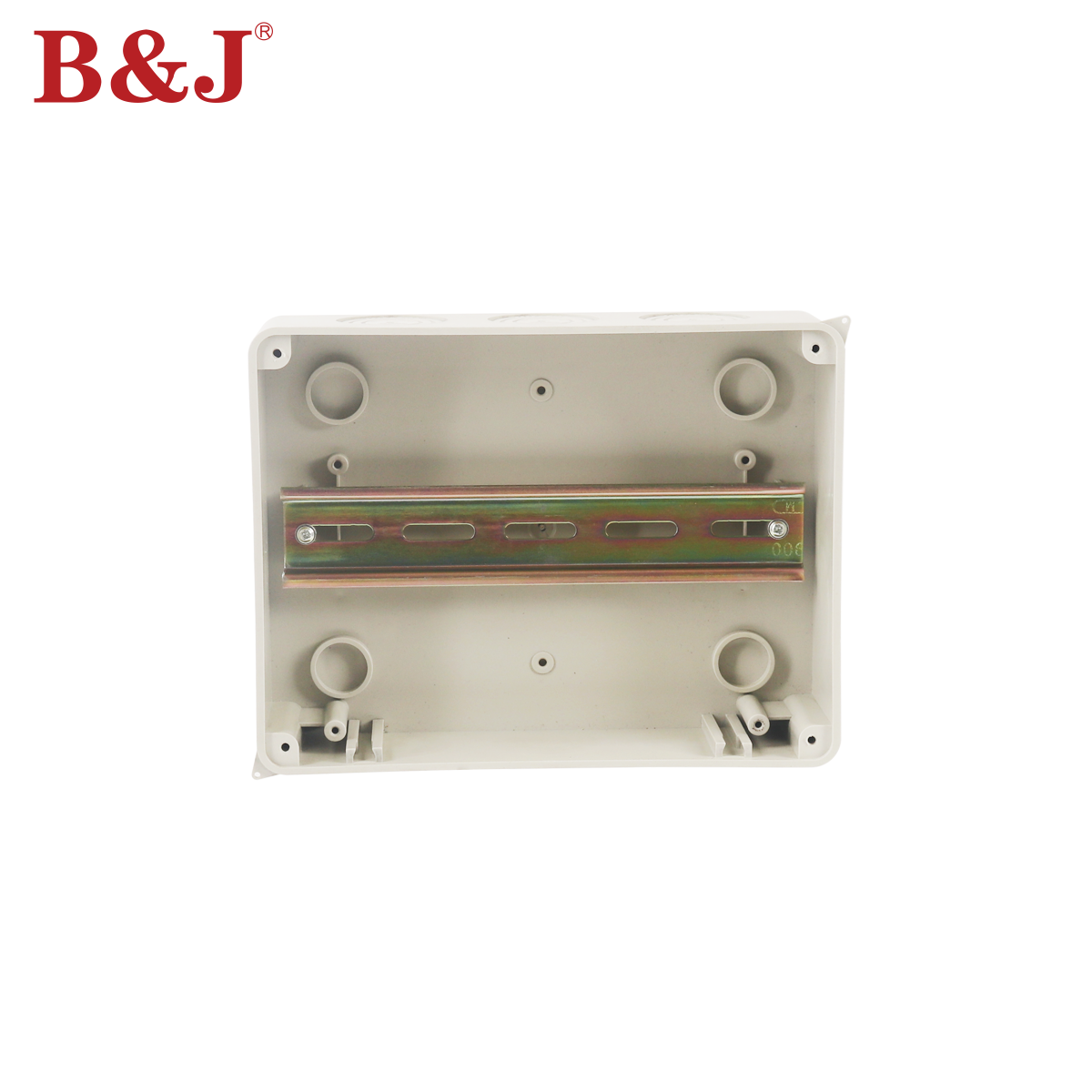
Industrial electrical enclosures feature sophisticated modular design architectures that provide exceptional flexibility for diverse applications while simplifying installation and future expansion requirements. These modular systems utilize standardized mounting rails, panel layouts, and connection interfaces that accommodate various equipment configurations without requiring custom fabrication or specialized installation techniques. The modular approach enables organizations to optimize enclosure layouts for specific operational needs while maintaining compatibility with standard electrical components and accessories. Standardized dimensions and mounting patterns facilitate easy integration of control devices, instrumentation, and protective equipment within organized, accessible arrangements. Cable management systems integrated into modular enclosure designs provide structured pathways for power and control wiring that simplify installation while maintaining neat, professional appearances. These organized cable routing systems reduce installation time, minimize wiring errors, and facilitate future modifications or troubleshooting activities. Pre-punched mounting holes, threaded inserts, and standardized hardware simplify assembly processes and reduce installation labor requirements. Tool-free assembly features enable quick configuration changes without specialized equipment or extensive technical expertise. The modular design philosophy extends to expansion capabilities that allow organizations to add new equipment or modify existing installations without disrupting operational systems. This scalability proves particularly valuable in growing facilities where electrical infrastructure must evolve to meet changing operational demands. Interchangeable components and standardized interfaces ensure that future modifications remain cost-effective and technically feasible. Installation efficiency improvements result from pre-engineered mounting systems, standardized hardware, and clear documentation that guides proper assembly procedures. Quality control processes embedded in modular manufacturing ensure consistent fitment and performance across all system components. The standardization inherent in modular designs reduces inventory requirements by enabling common components to serve multiple applications. Field customization capabilities allow on-site modifications to meet specific installation requirements without compromising structural integrity or protective capabilities. Maintenance advantages emerge from modular designs that provide clear access pathways and removable panels that facilitate component inspection and replacement. The professional appearance achieved through modular design consistency enhances facility aesthetics while maintaining full functionality and protection capabilities essential for reliable industrial electrical infrastructure.
Industrial Electrical Enclosures: Complete Protection Solutions for Critical Equipment

Get a Free Quote

Our representative will contact you soon.
Email
Name
Company Name
Message
0/1000