 EN
EN

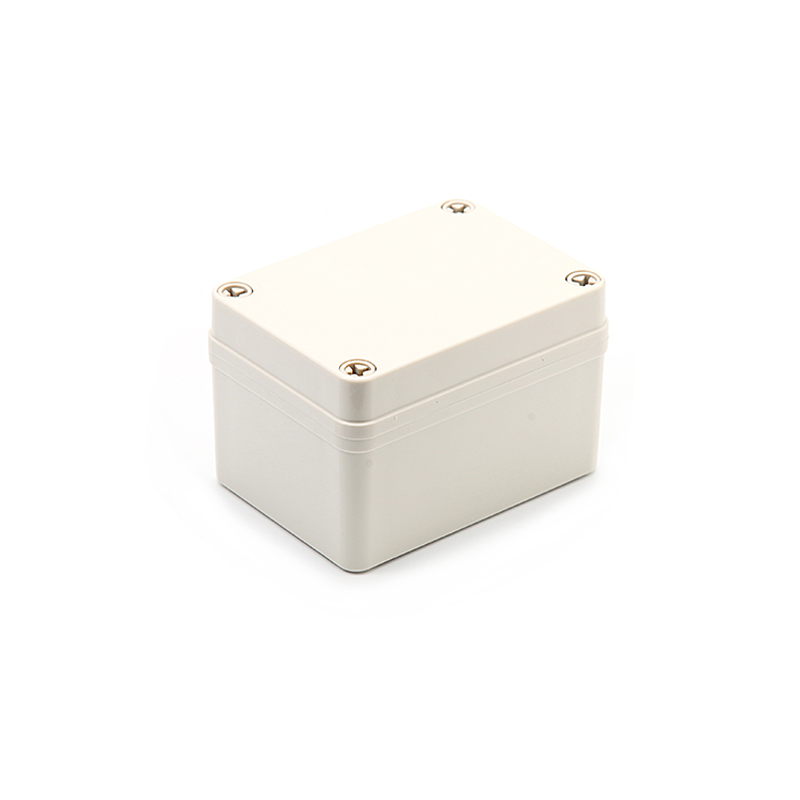
Պլաստիկ կապսուլների կիրառման դեպքում IP65 և IP67 վարկանիշների տարբերությունը հասկանալու համար բավարար չէ միայն տեխնիկական սպեցիֆիկացիաները կարդալը: Իրական պայմաններում ջրի փորձարկումները բացահայտում են կարևոր կատարողական տարբերություններ, որոնք ուղղակիորեն ազդում են սարքավորումների պաշտպանության և նախագծի հաջողության վրա: Այս համապարփակ ջրի փորձարկման վերլուծությունը հետազոտում է, թե ինչպես են այս երկու մուտքի պաշտպանության ստանդարտները աշխատում իրական դաշտային պայմաններում, ինժեներներին և նախագծերի ղեկավարներին տրամադրելով պրակտիկ տեղեկություններ օպտիմալ պլաստիկ կապսուլի վարկանիշը ընտրելու համար
Մեր փորձարկման տեսանյութում ցուցադրված ջրի փորձարկման մեթոդաբանությունը ցույց է տալիս իրական կատարողականության տարբերություններ IP65 և IP67 դասակարգված պլաստիկ կապսուլավորման միավորների միջև վերահսկվող պայմաններում: Այս փորձարկումները նմանակում են արդյունաբերական սարքավորումների առաջադրած իրական շրջակա միջավայրի մարտահրավերները՝ սկսած փոշով լցված արտադրական միջավայրերից մինչև ժամանակավոր ջրի մեջ խորտակման դեպքեր: Ստացված արդյունքները տրամադրում են պարզ ուղեցույց այն դեպքերում, երբ յուրաքանչյուր պաշտպանության մակարդակ ապահովում է բավարար պաշտպանություն պլաստիկ կապսուլավորման կառուցվածքի ներսում տեղադրված զգայուն էլեկտրոնային բաղադրիչների համար:
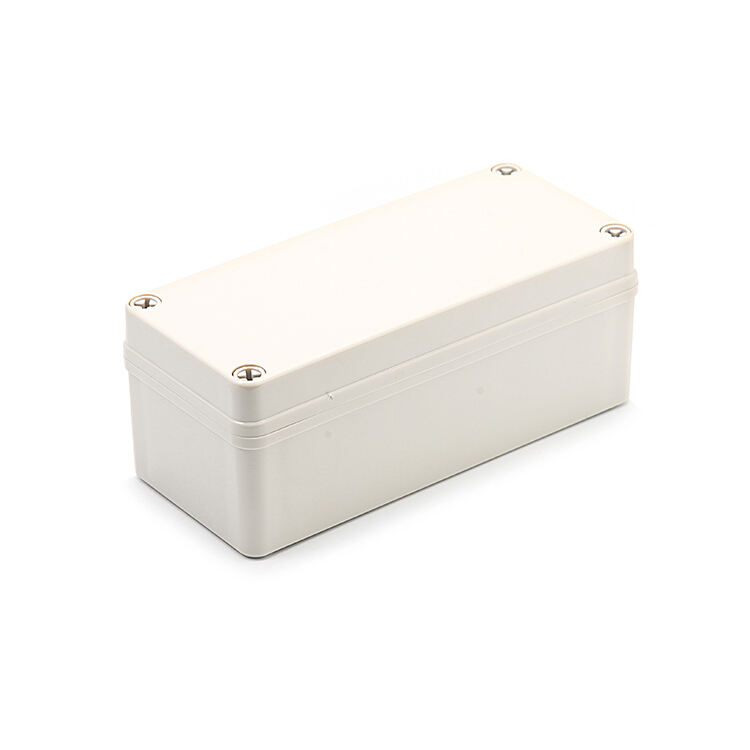
IP դասակարգման ստանդարտներ և ջրի դեմ պաշտպանության հիմունքներ
IP65 պաշտպանության բնութագրերի վերլուծություն
IP65 դասակարգումը սահմանում է արդյունաբերական կիրառումների համար նախատեսված ցանկացած պլաստմասսայե կապսուլի համար սահմանված ջրի դեմ պաշտպանության պարամետրեր: Առաջին թվանշանը հաստատում է լրիվ փոշու դեմ պաշտպանությունը, իսկ երկրորդ թվանշանը նշում է ջրի շիթերի դեմ դիմացկունությունը ցանկացած ուղղությունից: Այս պաշտպանության մակարդակը թույլ է տալիս պլաստմասսայե կապսուլին դիմանալ ճնշված ջրի շիթերի՝ մինչև 12,5 լիտր րոպեում, 6,3 մմ տրամագծով սեղանից 3 մետր հեռավորության վրա:
IP65 պլաստմասսայե կապսուլների փորձարկման պրոտոկոլները ներառում են առնվազն երեք րոպե տևողությամբ ջրի շիթերի ազդեցության երկարատև ենթարկում բազմաթիվ անկյուններից: Կապսուլը պետք է կանխի ջրի ներթափանցումը, որը կարող է վնասել ներքին բաղադրիչները կամ վտանգել շահագործման ամբողջականությունը: Սակայն այս դասակարգումը չի երաշխավորում ժամանակավոր միացման դեմ պաշտպանությունը, ինչը որոշ արդյունաբերական միջավայրերում, որտեղ հնարավոր է ջրի վերելք կամ պատահական միացում, ներկայացնում է կարևոր սահմանափակում:
Արտադրության որակը գործում է որպես կարևորագույն գործոն՝ ազդելով IP65 ցուցանիշի ցուցադրման վրա ցանկացած պլաստմասսայե կապույտի համակարգում: Սեղմված սեալի ճնշումը, սեալի համատեղումը և փակման մեխանիզմները պետք է ապահովեն ճնշման համաչափ բաշխում ամբողջ պարագայի երկայնքով: Նույնիսկ ամենափոքր արտադրական շեղումները կարող են ստեղծել վտանգված կետեր, որտեղ ճնշված ջուրը թափանցում է պլաստմասսայե կապույտի մեջ փորձարկման կամ գործողության ընթացքում:
IP67 մակարդակի խորը մտնելու հնարավորությունների հասկացում
IP67 սերտիֆիկացիան սահմանում է զգալիորեն բարձր ջրի դիմացկունության ստանդարտներ պլաստմասսայե կապույտների համար, որոնք պահանջում են ժամանակավոր ընկղմման դիմացկունություն: Այս դասակարգումը երաշխավորում է ջրի նկատմամբ պաշտպանություն մինչև 1 մետր խորությամբ ջրի մեջ ընկղմման դեպքում մինչև 30 րոպե ժամանակահատվածում՝ առանց ներքին բաղադրիչների ամբողջականության վնասման: Պլաստմասսայե կապույտը պետք է ցուցադրի ամբողջական ջրի բացառում այս վերահսկվող ընկղմման պայմաններում:
IP67 պլաստիկ հատակագծված մասերի փորձարկման պրոտոկոլը ներառում է ամբողջական խորտակում ջրի ավազանում, որտեղ հատակագծված մասի ամենաբարձր կետը տեղադրվում է ջրի մակերևույթից 150 մմ ցածր: Փորձարկման տևողությունը կազմում է առնվազն 30 րոպե, իսկ որոշ կիրառումներում անհրաժեշտ է երկարացված խորտակում՝ երկարաժամկետ լուսանցքի կատարողականությունը ստուգելու համար: Այս փորձարկումների ընթացքում ներքին ճնշման հավասարակշռումը դառնում է կրիտիկական՝ լուսանցքի անհաջողությունը կանխելու համար:
Զարգացած լուսանցքավորման տեխնոլոգիաները հնարավորություն են տալիս ստանալ IP67 մակարդակի կատարողականություն ժամանակակից պլաստիկ հատակագծված մասերի դիզայնում: Բազմաթիվ լուսանցքավորման համակարգեր, ճշգրիտ ձուլված լուսանցքավորման մակերեսներ և բարելավված փակման մեխանիզմներ միասին ապահովում են անհրաժեշտ ջրամերժ կատարողականությունը: Այս դիզայնի տարրերը սովորաբար մեծացնում են արտադրության ծախսերը, սակայն ապահովում են անհրաժեշտ պաշտպանություն այն կիրառումների համար, որտեղ ժամանակավոր խորտակումը ներկայացնում է իրական շահագործման ռիսկ:
Ջրի փորձարկման մեթոդաբանություն և տեսագրային փաստաթղթավորում
Կառավարվող փորձարկման միջավայրի ստեղծում
Մեր լիակատար ջրի փորձարկման վիդեոն ցույց է տալիս համակարգված գնահատման ընթացակարգերը՝ IP65 և IP67 պլաստիկ կապսուլների կատարողականությունը համեմատելու համար նույն պայմաններում: Փորձարկման կենտրոնը օգտագործում է կալիբրված ջրի ճնշման համակարգեր, ճշգրտությամբ չափման սարքավորումներ և ստանդարտացված փորձարկման նմուշներ՝ վստահելի և կրկնվող արդյունքներ ստանալու համար: Յուրաքանչյուր պլաստիկ կապսուլի նմուշ ենթարկվում է նույն պատրաստման ընթացակարգերի՝ ներառյալ սեղմանային օղակների ստուգումը, փակման մոմենտի ստուգումը և փորձարկումից առաջ հայտնաբերվող հոսքի ստուգումը:
Ջրի որակի ցուցանիշները մնում են անփոփոխ ամբողջ փորձարկման ընթացքում՝ բացառելու այն փոփոխականները, որոնք կարող են ազդել սեղմանային օղակների կատարողականության կամ կոռոզիայի վարքագծի վրա: Ջերմաստիճանի վերահսկումը ապահովում է հաստատուն փորձարկման պայմաններ, քանի որ ջերմային ընդլայնումն ու սեղմումը կարող են կտրուկ ազդել պլաստիկ կապսուլների համակարգում սեղմանային օղակների սեղմման և կնքման արդյունավետության վրա: Փաստաթղթերի վարման պրոտոկոլները գրանցում են մանրամասն կատարողականության տվյալներ՝ փորձարկումից հետո վերլուծության և հաստատման համար:
Վիդեոյի մեթոդաբանությունը ներառում է մի քանի տեսախցիկների անկյուններ, որպեսզի ապահովվի ջրի կիրառման տեխնիկայի, լուծարման վարքագծի և փորձարկման ընթացքում ջրի ներթափանցման ցանկացած նշանի լիարժեք տեսանելիությունը: Բարձր լուծարումով ձայնագրությունը հնարավորություն է տալիս վերլուծել լուծարման աշխատանքը կադր առ կադր՝ տարբեր ջրի ճնշման պայմաններում: Այս փաստաթղթավորման մոտեցումը թույլ է տալիս ինժեներներին դիտել IP65 և IP67 պլաստիկ կապույտների դիզայնների միջև աշխատանքի երեւակայելի տարբերությունները:
Փուլային ջրի ազդեցության փորձարկում
Փորձարկման հաջորդականությունը սկսվում է IP65 մակարդակի ջրի շիթի կիրառմամբ՝ երկու տեսակի պլաստիկ կապույտների համար բազային աշխատանքի ցուցանիշները սահմանելու համար: Կալիբրված սփրեյի սեղանները համաձայն IEC 60529 սպեցիֆիկացիայի ճշգրիտ վերահսկվող ջրի ծավալներ և ճնշումներ են մատակարարում: Մի քանի սփրեյի անկյուններ ապահովում են յուրաքանչյուր պլաստիկ կապույտի դիզայնում բոլոր լուծարման մակերեսների, միացման մասերի և հնարավոր թույլ կետերի լիարժեք ծածկույթը:
Ներքին մոնիտորինգի համակարգերը հետևում են ջրի ներթափանցմանը շիթային փորձարկման փուլերի ընթացքում: Հավասարաչափ զգայուն հայտնաբերման սարքավորումները նույնիսկ նվազագույն խոնավության ներթափանցումը հայտնաբերում են, որը կարող է վտանգել էլեկտրոնային բաղադրիչները իրական շահագործման պայմաններում: պլաստման պարգև փորձարկման պրոտոկոլը ներառում է զննման ժամանակահատվածներ՝ գնահատելու սեղմված ջրի ազդեցության տակ սեալների աստիճանական կատարածությունը:
Շիթային փորձարկմանը հաջորդում է խորտակման փորձարկումը՝ IP67 հնարավորությունների գնահատման համար, երբ դա համապատասխան է: Կառավարվող խորտակման միջավայրը ճշգրիտ պահպանում է խորության և տևողության պարամետրերը՝ միաժամանակ հսկելով ներքին պայմանները ջրի ներթափանցման ցանկացած նշանի համար: Վիդեո տեղեկագրումը մեկնաբանում է սեալների վարքը խորտակման ընթացքում, ներառյալ օդի փուչիկների արտանետումը կամ տեսանելի դեֆորմացիան, որոնք կարող են վկայել պաշտպանության մակարդակի վտանգվածությունը:
Կատարածության վերլուծություն և գործնական հետևանքներ
Սեալների ամբողջականությունը տարբեր ջրային ճնշումների տակ
Ջրի փորձարկման արդյունքները ցույց են տալիս IP65 և IP67 պլաստիկ պատյանների նախագծերի տարբեր աշխատանքային բնութագրեր՝ տարբեր ճնշման պայմաններում: IP65 վարկանիշ ունեցող սարքերը ցուցաբերում են հուսալի պաշտպանություն ստանդարտացված ջրային շիթերից, բայց խոցելի են, երբ ճնշումը գերազանցում է սահմանված սահմանները: Միջադիրների սեղմման և փակման մեխանիզմները ապահովում են բավարար կնքում նորմալ շիթերի ազդեցության համար, բայց կարող են սթրեսի կենտրոնացման կետեր ունենալ ծայրահեղ պայմաններում:
IP67 պլաստիկե կապսուլավորման սարքերը ցուցադրում են բարձրակարգ սեալինգ ամբողջականություն ինչպես ջրի շիթերի, այնպես էլ ջրի մեջ խորտակման պայմաններում՝ շնորհիվ բարելավված սեալինգ համակարգերի և բարելավված փակման մեխանիզմների: Խորտակման դիմացկունության համար անհրաժեշտ լրացուցիչ սեալինգ տեխնոլոգիաները նաև ապահովում են բարձրացված պաշտպանություն բարձր ճնշման ջրի շիթերից, որոնք կարող են գերազանցել IP65 ստանդարտի սահմանափակումները: Այս կատարողական մարգինը ապահովում է արժեքավոր պաշտպանություն արդյունաբերական միջավայրերում, որտեղ ջրի ազդեցության պայմանները կարող են անկանխատեսելիորեն փոփոխվել:
Երկարաժամկետ սեռլի կատարումը ցույց է տալիս նկատելի տարբերություններ երկու պաշտպանության մակարդակների միջև իրական դաշտային կիրառումներում: IP67 պլաստիկ կապսուլավորման համակարգերը սովորաբար երկար ժամանակ պահպանում են սեռլի ամբողջականությունը կրկնվող ջրի ազդեցության ցիկլերի ժամանակ՝ շնորհիվ ավելի հարկավոր սեռլային նյութերի և բարելավված մեխանիկական դիզայնի: Այս տևողականության առավելությունը հանգեցնում է սպասարկման պահանջների նվազման և դժվարին արդյունաբերական միջավայրերում հավաստիության բարելավման:
Ջրի պաշտպանության վրա ջերմաստիճանի ազդեցությունը
Ջերմաստիճանի փոփոխությունները կարևոր ազդեցություն են ունենում ջրի պաշտպանության կատարումի վրա ինչպես IP65, այնպես էլ IP67 պլաստիկ կապսուլավորման կիրառումներում: Ջերմային ցիկլերը ստեղծում են ընդլայնման և սեղմման լարվածություններ, որոնք ժամանակի ընթացքում կարող են վնասել սեռլային սեղմումը և նվազեցնել սեռլի արդյունավետությունը: Ջրի փորձարկման տեսանյութը ցույց է տալիս, թե ինչպես են փորձարկման ընթացքում ջերմաստիճանի փոփոխությունները ազդում սեռլի վարքագծի և ջրի ներթափանցման օրինաչափությունների վրա:
Սովորաբար ցածր ջերմաստիճանները բարելավում են ստատիկ ամրացման միջոցների սեղմումը և կնքման արդյունավետությունը շատ պլաստմասսայե կապսուլների դիզայնում: Այնուամենայնիվ, չափազանց ցածր ջերմաստիճանները կարող են առաջացնել ստատիկ ամրացման միջոցների մատերիալների մեխանիկական մաքրության կորուստ կամ ճկունության նվազում, ինչը հնարավոր է առաջացնի հերմետիկության խախտում ջերմային շոկի դեպքում:
Ջերմային շոկի փորձարկումները բացահայտում են կարևոր կատարողական տարբերություններ IP65 և IP67 պլաստմասսայե կապսուլավորման համակարգերի միջև: Ջրի մեջ խորտակման դիմացկունության համար նախատեսված միավորները սովորաբար օգտագործում են ջերմաստիճանային կայուն ստատիկ ամրացման միջոցների մատերիալներ և մեխանիկական կառուցվածքներ, որոնք հաշվի են առնում ջերմային ընդլայնումը՝ առանց վնասելու կնքման ամբողջականությունը: Այս բարելավված ջերմային կատարողականը ավելի մեծ վստահելիության մարգիններ է ապահովում արտաքին և արդյունաբերական կիրառումների համար, որտեղ տեղի են ունենում ջերմաստիճանի մեծ տատանումներ:
Կիրառման ընտրության ուղեցույցներ և որոշման չափանիշներ
Շրջակա միջավայրի ռիսկի գնահատման գործոններ
IP65 և IP67 պլաստիկ համարանիշների պաշտպանության մակարդակների ընտրությունը պահանջում է իրական շրջակա միջավայրի պայմանների և ռիսկի գործոնների համապարփակ գնահատական: Այն կիրառումները, որոնք կարող են ներառել ժամանակավոր խորտակում, օրինակ՝ ջրհեղձվելու վտանգի տակ գտնվող տարածքներում կամ ծովային միջավայրում արտաքին տեղադրումներ, ակնհայտորեն շահում են IP67 պաշտպանության հնարավորություններից: Սակայն շատ արդյունաբերական կիրառումներ, որոնք պահանջում են միայն փոշու պաշտպանություն և երբեմն ջրի սրատակ ցայտեցումով մաքրում, կարող են բավարար պաշտպանություն ապահովել IP65 վարկանիշավորված պլաստիկ համարանիշների համակարգերով:
Ծախս-եկամուտի վերլուծությունը պետք է հաշվի առնի ինչպես սկզբնական պլաստիկե համարակալման ձեռքբերման ծախսերը, այնպես էլ երկարաժամկետ շահագործման ծախսերը: IP67 վարկանիշավորված սարքերը սովորաբար ավելի բարձր գներ ունեն՝ պայմանավորված բարելավված ամրացման տեխնոլոգիաներով և ավելի բարդ արտադրական պահանջներով: Սակայն դժվարին միջավայրերում բարելավված հավաստիությունը և նվազած սպասարկման անհրաժեշտությունը կարող են արդարացնել լրացուցիչ ներդրումը՝ նվազեցված կյանքի ցիկլի ծախսերի և բարելավված համակարգի առկայության շնորհիվ:
Տեղադրման վայրի բնութագրերը կարևոր ազդեցություն են ունենում ցանկացած պլաստիկ կապսուլի համար պաշտպանության մակարդակի պահանջների վրա: Հատակի մակարդակում տեղադրված կառույցները ժամանակավոր ջրհեղեղի կամ պատահական ջրի ազդեցության ռիսկի ավելի բարձր մակարդակի են ենթակա, քան բարձրացված տեղադրման վայրերը: Երկրի տակ կամ մասամբ թաղված տեղադրումները կարող են պահանջել IP67 պաշտպանություն՝ որպես ստանդարտ պրակտիկա, հաշվի առնելով հնարավոր ստորերկրյա ջրերի ներթափանցումը կամ ուժեղ անձրևի ժամանակ մակերեսային ջրի կուտակումը:
Սարքավորման արժեքը և պաշտպանության պահանջները
Պլաստիկ կապսուլի ներսում տեղադրված սարքավորման արժեքը և կարևորությունը ուղղակիորեն ազդում են համապատասխան պաշտպանության մակարդակի ընտրության վրա: Բարձր արժեքի էլեկտրոնային համակարգերը կամ անվտանգության համար կրիտիկական բաղադրիչները սովորաբար արդարացնում են բարձրացված IP67 պաշտպանությունը՝ ջրի վնասի և համակարգի աշխատանքի ընդհատման ռիսկը նվազեցնելու համար: Ցածր արժեքի կամ հեշտությամբ փոխարինելի բաղադրիչները, երբ շրջակա միջավայրի ռիսկերը մնում են չափավոր, կարող են բավարար պաշտպանություն ապահովել IP65 վարկանիշավորված պլաստիկ կապսուլների միջոցով:
Պահպանման հասանելիության հարցերը ազդում են շատ արդյունաբերական կիրառումներում պաշտպանության մակարդակի որոշման վրա: Հեռավոր կամ դժվար հասանելի տեղադրումները շահում են IP67 բարձրացված պաշտպանությունից՝ սպասարկման այցերի հաճախականությունը և պահպանման պահանջները նվազեցնելու համար: Հեշտ հասանելի պլաստիկ կապսուլավորման տեղադրումները կարող են օգտագործել IP65 պաշտպանություն՝ ավելի հաճախակի ստուգումների և պահպանման գրաֆիկների միջոցով ապահովելով պաշտպանության արդյունավետության շարունակականությունը:
Համակարգի կրկնակիությունը և պահեստային հնարավորությունները ազդում են ջրի ներթափանցման դեպքերի նկատմամբ ռիսկի ընդունման մակարդակի վրա: Ներդրված կրկնակիություն կամ արագ փոխարինման հնարավորություններ ունեցող կիրառումները կարող են ընդունել IP65 պաշտպանության հետ կապված միջին ռիսկի մակարդակը: Կրիտիկական մեկ կետի անհաջողության համակարգերը, որպես կանոն, պահանջում են IP67 վարկանիշավորված պլաստիկ կապսուլավորման դիզայների կողմից ապահովվող առավելագույն պաշտպանության մակարդակ՝ համակարգի թանկարժեք անջատումը կամ անվտանգության վտանգավոր դեպքերը կանխելու համար:
Հաճախադեպ տրվող հարցեր
Կարո՞ղ են IP65 պլաստիկ կապսուլավորման միավորները մոդերնիզացվել IP67 պաշտպանության մակարդակի վրա:
IP65 պլաստիկ համարակալված մասերի առավելագույն պաշտպանության մակարդակի բարձրացումը IP67 մակարդակի վրա սովորաբար պահանջում է կարևոր դիզայնային փոփոխություններ՝ պարզ սեղմանիչ մասերի փոխարինումից շատ ավելի շատ։ Ջրի մեջ ընկղմման դիմացության համար անհրաժեշտ առավել արդյունավետ կնքման համակարգերը, փակման մեխանիզմները և ներքին ճնշման կառավարման հատկանիշները սովորաբար պահանջում են ամբողջական համարակալված մասերի փոխարինում՝ այլ ոչ թե դաշտային մոդերնիզացիա։ Որոշ արտադրողներ առաջարկում են վերատեղադրման համար նախատեսված կնքման լուծումներ, սակայն այդ փոփոխությունները հազվադեպ են հասնում լիարժեք IP67 սերտիֆիկացման համապատասխանությանը։
Ինչքա՞ն ժամանակ են պահպանում իրենց արդյունավետությունը սեղմանիչ մասերը պլաստիկ համարակալված մասերի կիրառման դեպքում։
Պլաստիկ կապույտ համակարգերում սեղմանի ամրացման ծառայության ժամկետը զգալիորեն տարբերվում է՝ կախված շրջակա միջավայրի պայմաններից, նյութի ընտրությունից և սպասարկման մեթոդներից: Բարձրորակ սեղմանի միջոցները չափավոր պայմաններում սովորաբար ապահովում են 3–5 տարի անվտանգ աշխատանք, իսկ ծանր պայմաններում այդ ժամկետը կարող է կրճատվել մինչև 1–2 տարի: Կանոնավոր ստուգումները և կանխարգելիչ փոխարինման ծրագրերը օգնում են պահպանել կապույտի ամբողջ ծառայության ընթացքում ջրի նկատմամբ հաստատուն պաշտպանություն:
Ի՞նչ է տեղի ունենում, եթե ջուրը ներխուժում է IP67 դասակարգմամբ պլաստիկ կապույտի մեջ սովորական շահագործման ընթացքում:
IP67 դասակարգմամբ պլաստիկ կապույտի մեջ ջրի ներխուժումը սովորական շահագործման ընթացքում վկայում է սեղմանի ամրացման ձախողման, սխալ տեղադրման կամ վնասվածքի մասին, որը պահանջում է անմիջապես միջամտել: IP67 դասակարգումը երաշխավորում է ջրի բացառումը սահմանված փորձարկման պայմաններում, հետևաբար ցանկացած ջրի ներթափանցում նշանակում է, որ կապույտը այլևս չի համապատասխանում իր պաշտպանության դասակարգմանը: Անհրաժեշտ է անմիջապես ստուգել սեղմանի միջոցները, փակման մեխանիզմները և մոնտաժային ֆուրնիտուրը՝ ձախողման պատճառը հայտնաբերելու և վերացնելու համար:
Պահանջվում է արդյոք հատուկ սարքավորում պլաստիկ կապսուլավորման ջրի փորձարկման համար, թե՞ այն կարելի է կատարել դաշտային պայմաններում:
Ֆորմալ IP դասակարգման վավերացումը պահանջում է կալիբրված փորձարկման սարքավորում և վերահսկվող պայմաններ, որոնք սովորաբար հասանելի չեն դաշտային միջավայրում: Այնուամենայնիվ, սովորական ջրի սպրեյի փորձարկումները՝ օգտագործելով այգու խողովակներ կամ ճնշման տակ աշխատող մաքրման սարքեր, կարող են օգտակար տեղեկատվություն տալ մեծ չափի սեալի անսարքությունների կամ տեղադրման խնդիրների մասին: Դաշտային փորձարկումները պետք է լ допլեմենտար լինեն, այլ ոչ թե փոխարինեն լաբորատորիայում կատարվող ճիշտ IP դասակարգման վավերացումը՝ համապատասխան փաստաթղթերի և սերտիֆիկացիայի հետ միասին:
Բովանդակության ցուցակ
- IP դասակարգման ստանդարտներ և ջրի դեմ պաշտպանության հիմունքներ
- Ջրի փորձարկման մեթոդաբանություն և տեսագրային փաստաթղթավորում
- Կատարածության վերլուծություն և գործնական հետևանքներ
- Կիրառման ընտրության ուղեցույցներ և որոշման չափանիշներ
-
Հաճախադեպ տրվող հարցեր
- Կարո՞ղ են IP65 պլաստիկ կապսուլավորման միավորները մոդերնիզացվել IP67 պաշտպանության մակարդակի վրա:
- Ինչքա՞ն ժամանակ են պահպանում իրենց արդյունավետությունը սեղմանիչ մասերը պլաստիկ համարակալված մասերի կիրառման դեպքում։
- Ի՞նչ է տեղի ունենում, եթե ջուրը ներխուժում է IP67 դասակարգմամբ պլաստիկ կապույտի մեջ սովորական շահագործման ընթացքում:
- Պահանջվում է արդյոք հատուկ սարքավորում պլաստիկ կապսուլավորման ջրի փորձարկման համար, թե՞ այն կարելի է կատարել դաշտային պայմաններում: