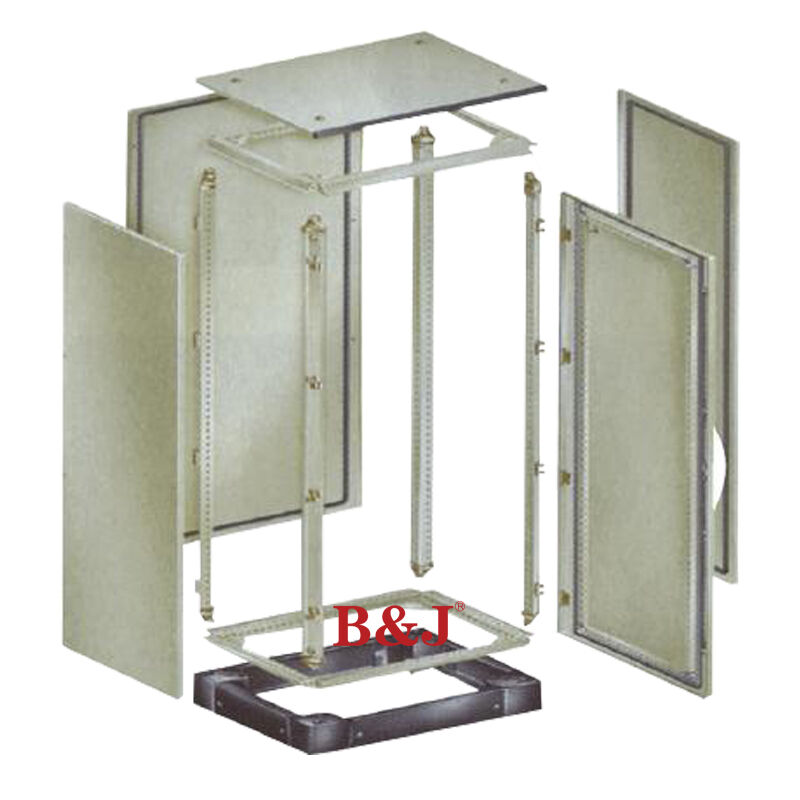
standard per armadi elettrici
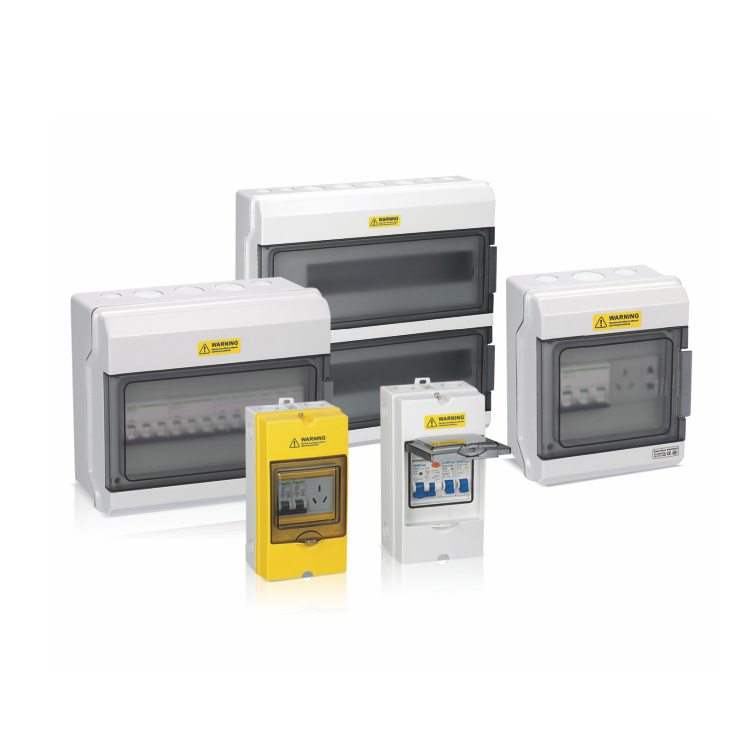
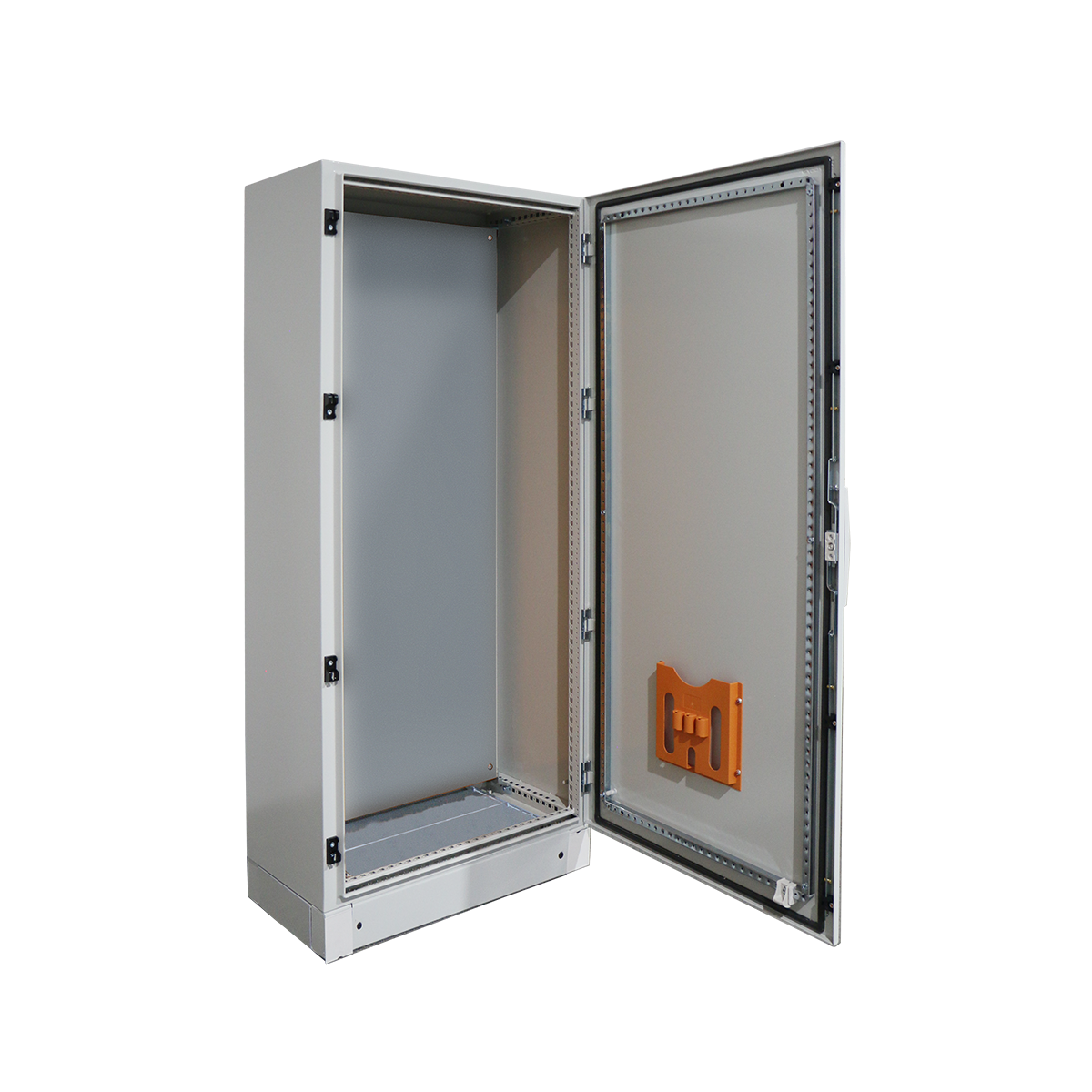
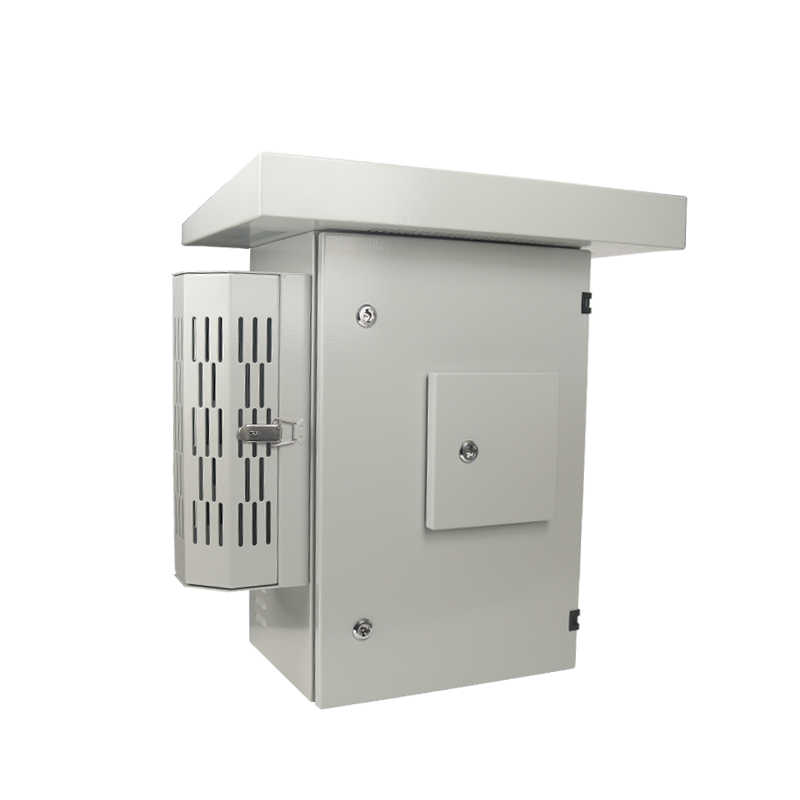
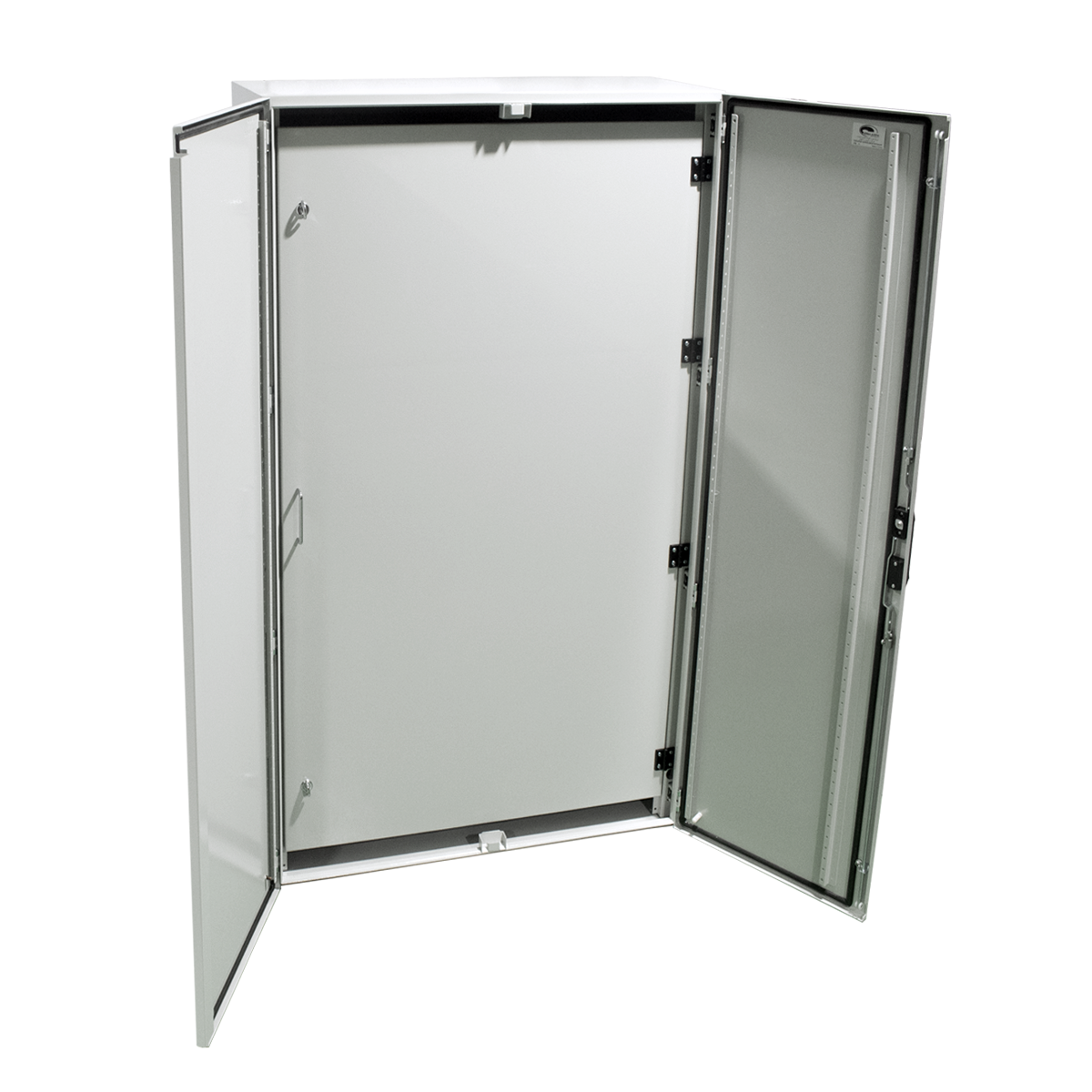
Gli standard per gli armadi elettrici rappresentano un quadro completo di norme, specifiche e linee guida che disciplinano la progettazione, la produzione, l’installazione e il funzionamento degli involucri elettrici in vari settori industriali. Questi standard costituiscono la base per garantire sicurezza, affidabilità e coerenza prestazionale nei sistemi di infrastrutture elettriche a livello mondiale. Le principali funzioni degli standard per gli armadi elettrici comprendono l’istituzione di protocolli di sicurezza uniformi, la definizione dei requisiti dimensionali, la specifica delle proprietà dei materiali e l’indicazione delle procedure di prova per gli involucri elettrici. Tali standard affrontano inoltre le considerazioni ambientali, la compatibilità elettromagnetica e i requisiti di gestione termica, fondamentali per ottenere prestazioni ottimali del sistema. Le caratteristiche tecnologiche integrate negli standard per gli armadi elettrici includono specifiche precise per i gradi di protezione contro l’ingresso di corpi solidi e liquidi (IP), che determinano la resistenza dell’involucro alla penetrazione di polvere e umidità. Questi standard definiscono inoltre i requisiti di integrità strutturale, assicurando che gli armadi possano resistere a sollecitazioni meccaniche, vibrazioni e condizioni ambientali. Specifiche avanzate di gestione termica contribuiscono a mantenere temperature operative ottimali, mentre i requisiti di schermatura elettromagnetica proteggono i componenti sensibili dalle interferenze. I valori di resistenza al fuoco e le misure di protezione contro i guasti d’arco sono aspetti tecnologici essenziali che migliorano complessivamente la sicurezza del sistema. Le applicazioni degli standard per gli armadi elettrici riguardano numerosi settori, tra cui la produzione industriale, gli edifici commerciali, i data center, le installazioni di energie rinnovabili, i sistemi di trasporto e le infrastrutture di telecomunicazione. Nei siti produttivi, questi standard garantiscono una protezione adeguata dei sistemi di controllo e delle apparecchiature di automazione. Le applicazioni commerciali includono pannelli di distribuzione elettrica, sistemi di controllo HVAC e impianti di gestione edilizia. I data center fanno affidamento su tali standard per gli involucri rack server e le unità di distribuzione elettrica. Nel settore delle energie rinnovabili, questi standard vengono applicati agli involucri per inverter fotovoltaici, ai quadri di controllo per turbine eoliche e alle strutture di contenimento per sistemi di accumulo energetico. Le applicazioni nel settore dei trasporti comprendono armadi per segnalamento ferroviario, sistemi di controllo del traffico e infrastrutture per la ricarica dei veicoli elettrici (EV), dimostrando così la versatilità e l’importanza critica degli standard per gli armadi elettrici nelle moderne implementazioni tecnologiche.
 EN
EN