Comprehensive Guide to Electrical Cabinet Standards: Safety, Performance & Cost Benefits

Get a Free Quote

Our representative will contact you soon.
Email
Name
Company Name
Message
0/1000

electrical cabinet standards

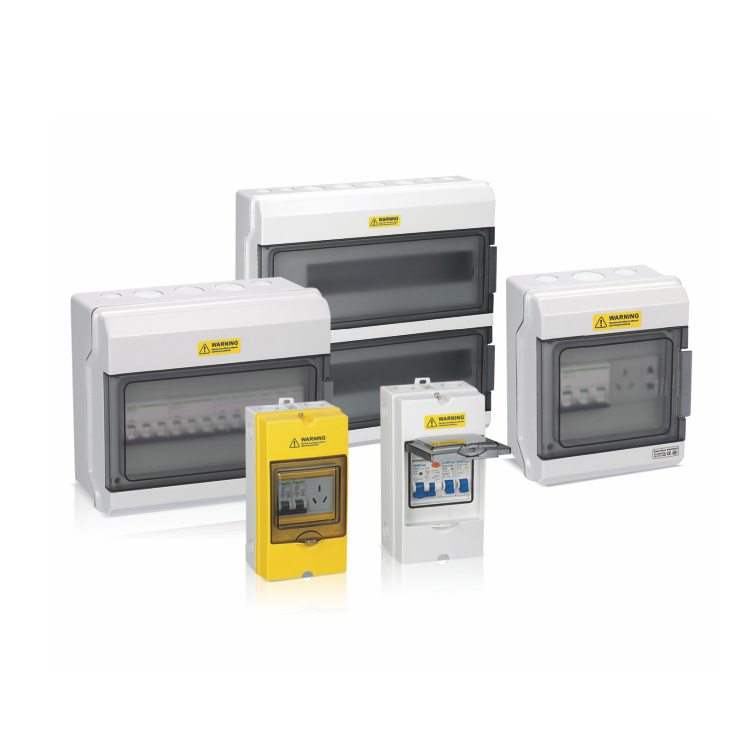
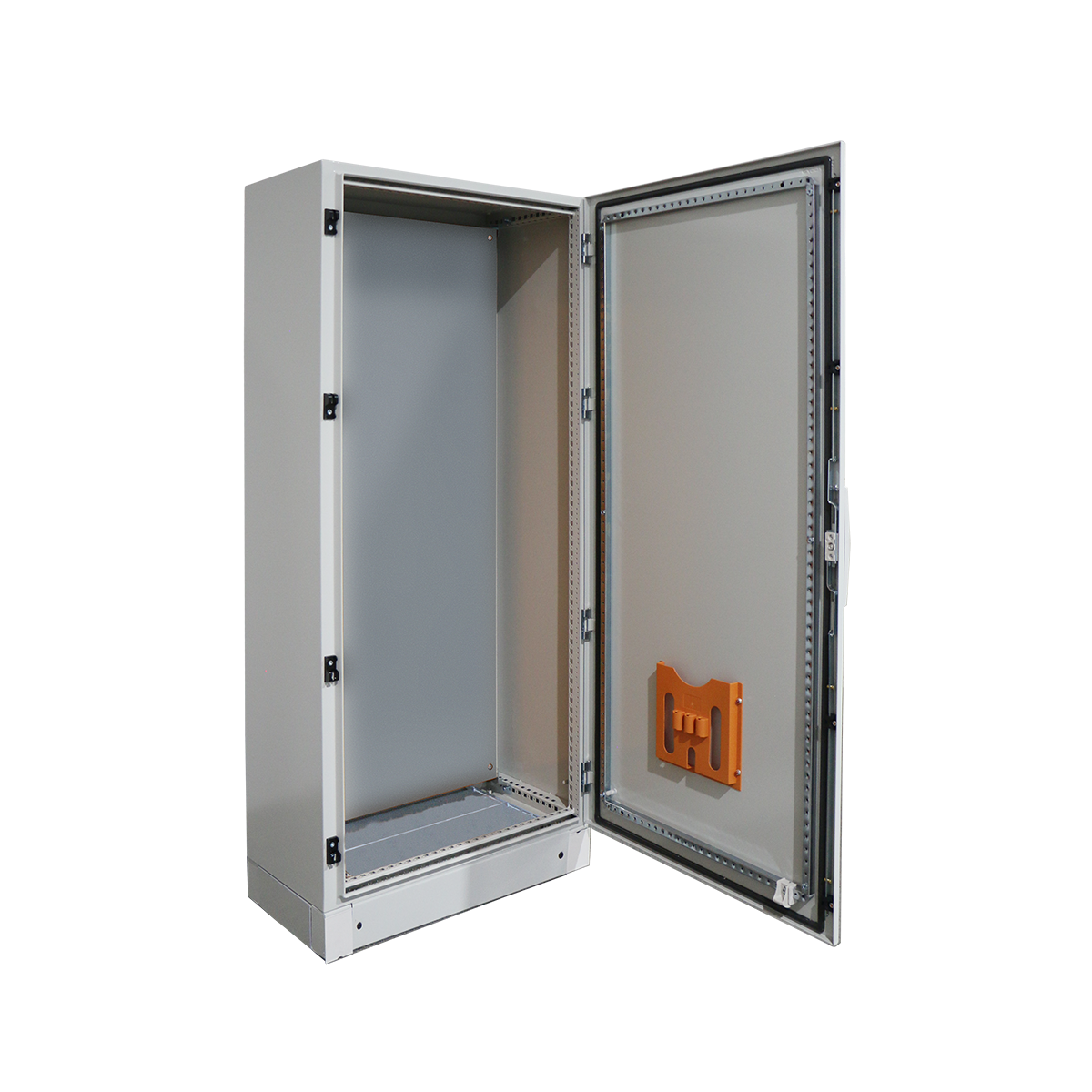
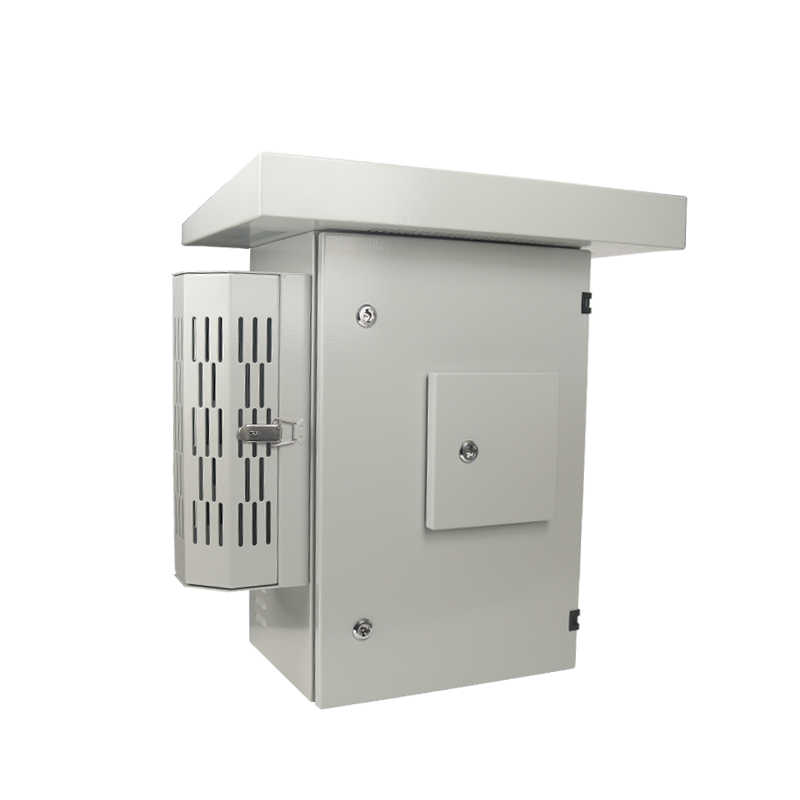
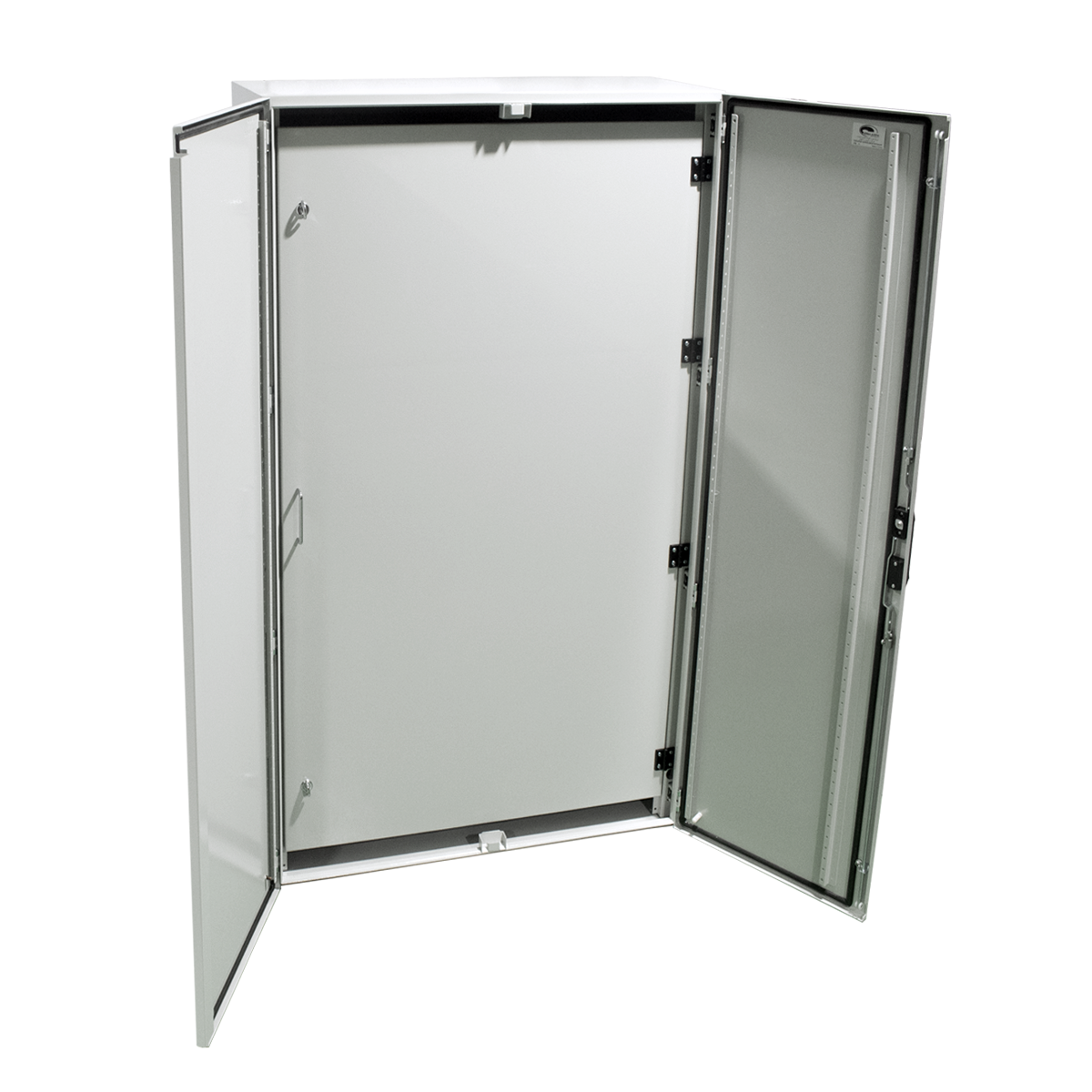
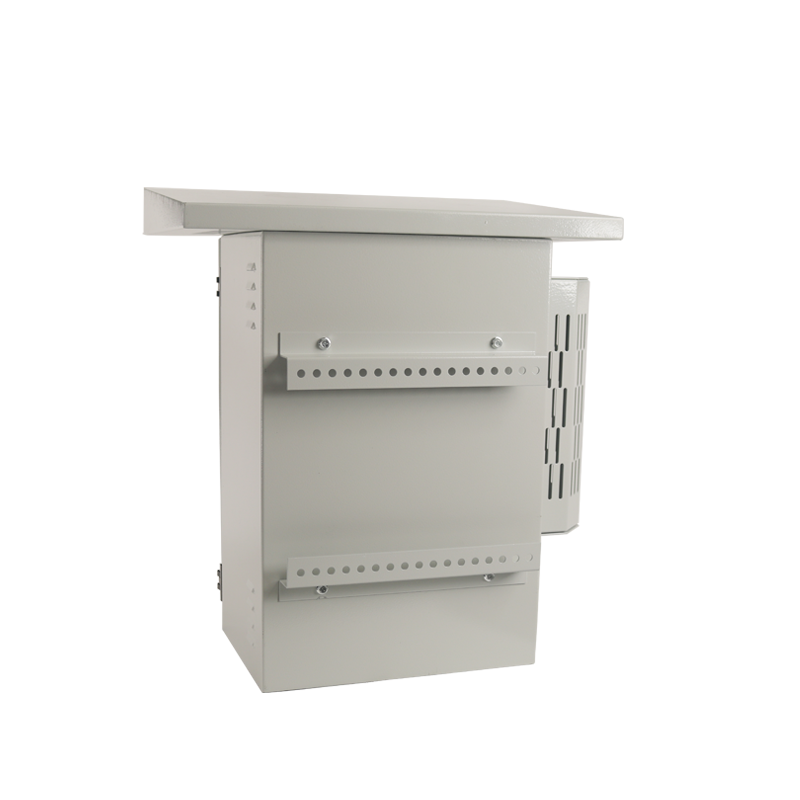
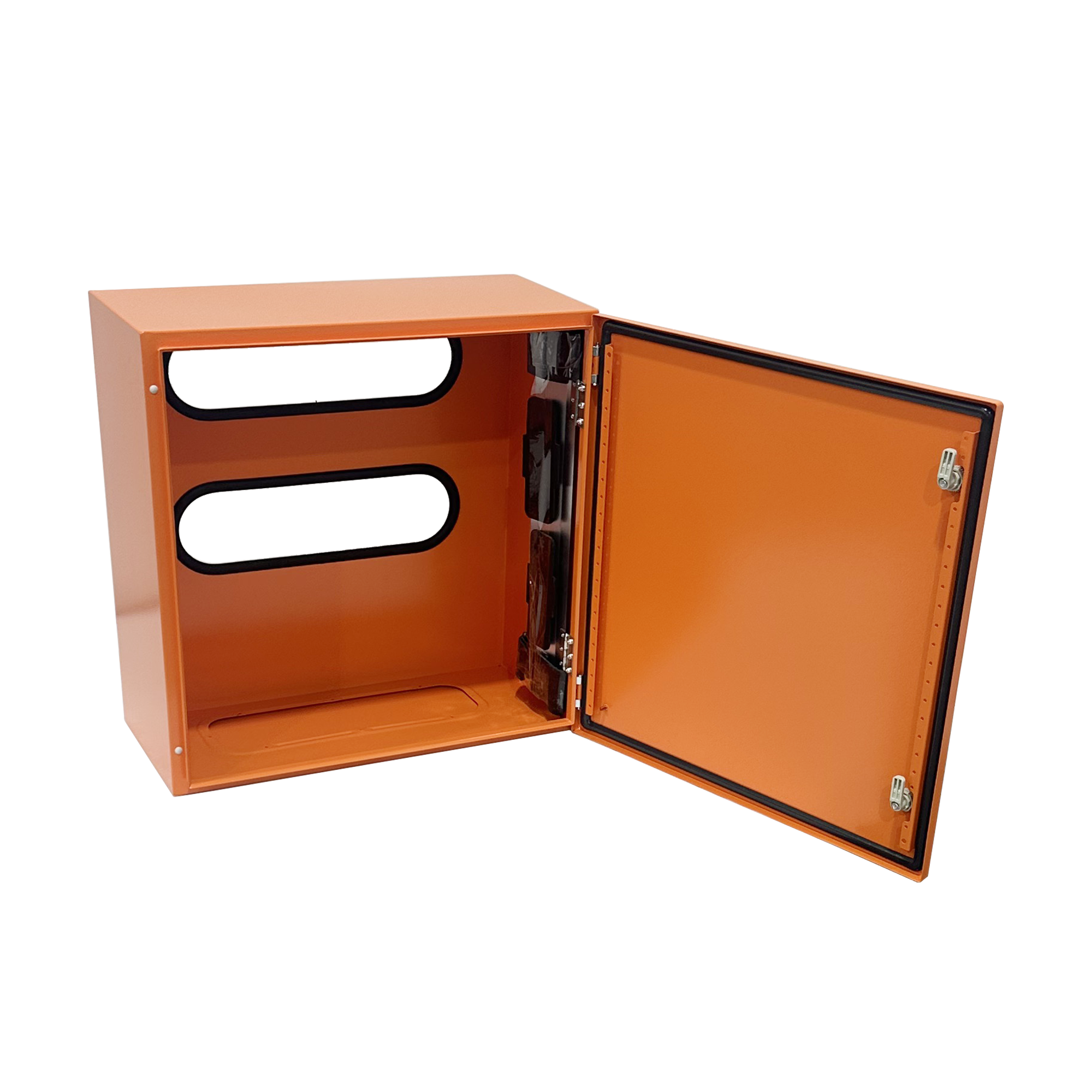
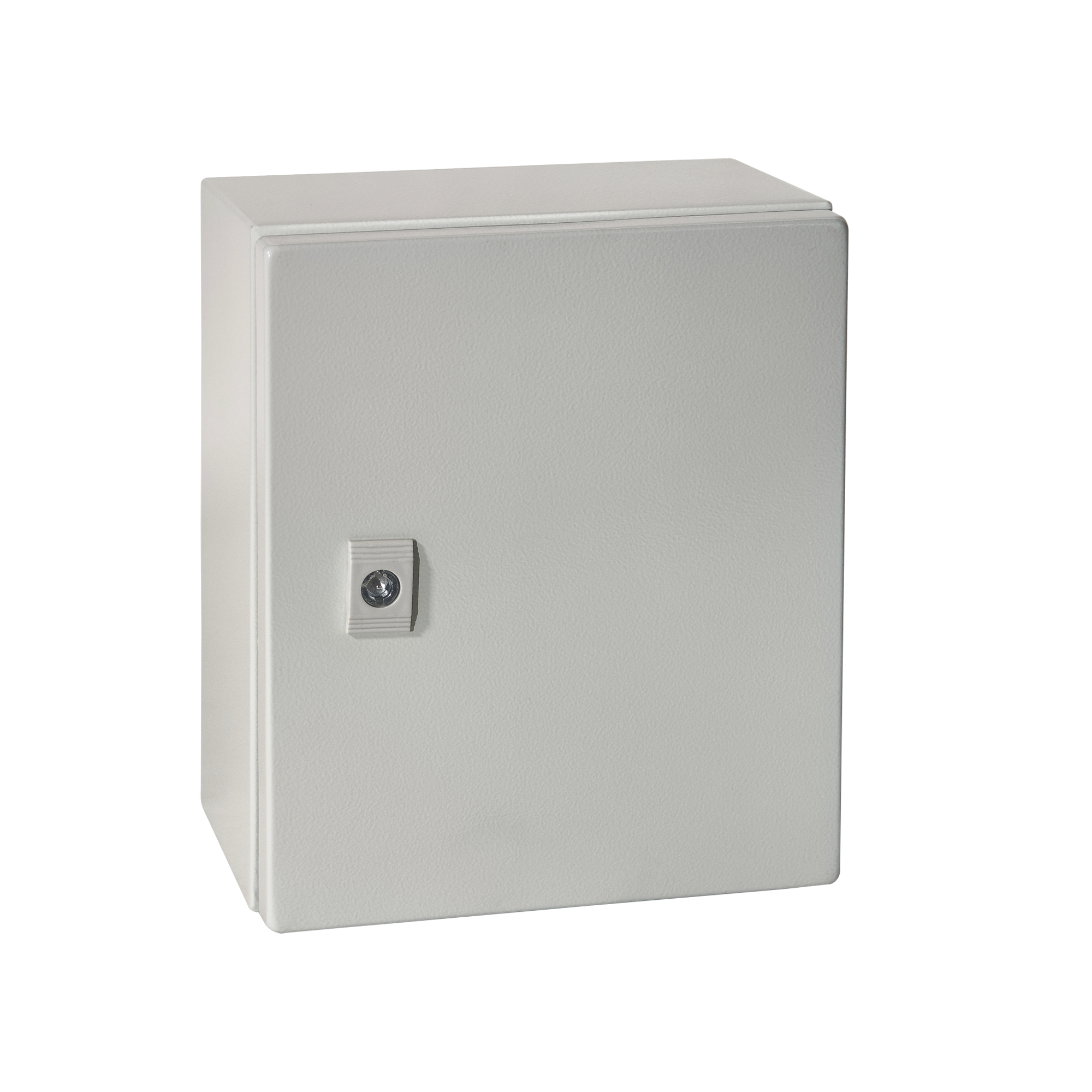
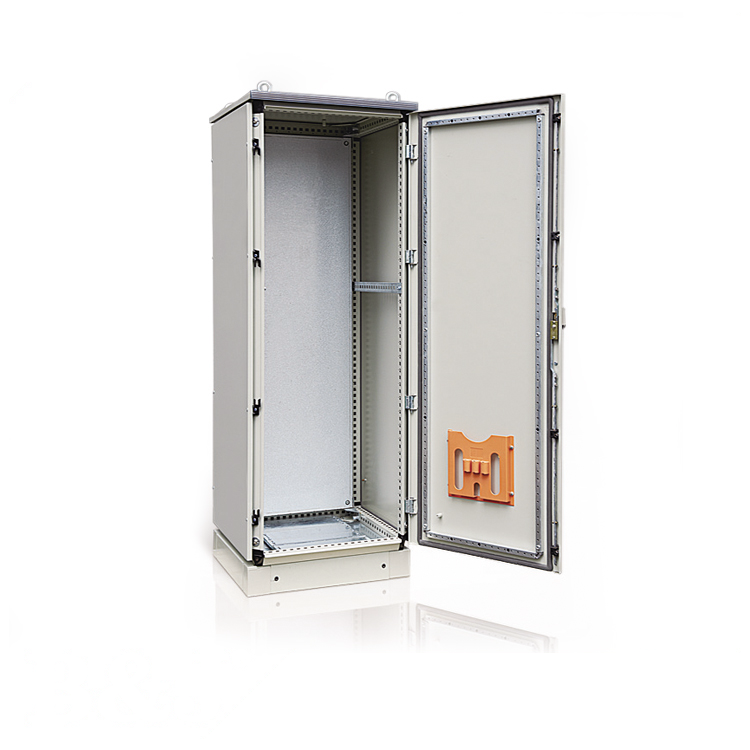
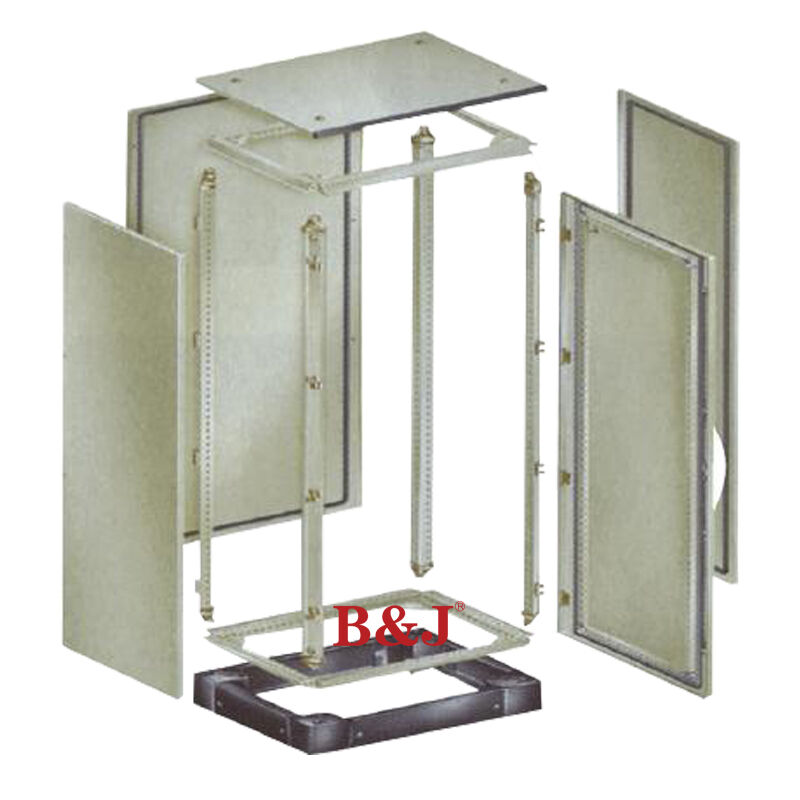
Electrical cabinet standards represent a comprehensive framework of regulations, specifications, and guidelines that govern the design, manufacturing, installation, and operation of electrical enclosures across various industries. These standards serve as the foundation for ensuring safety, reliability, and performance consistency in electrical infrastructure systems worldwide. The primary functions of electrical cabinet standards encompass establishing uniform safety protocols, defining dimensional requirements, specifying material properties, and outlining testing procedures for electrical enclosures. These standards also address environmental considerations, electromagnetic compatibility, and thermal management requirements that are crucial for optimal system performance. The technological features embedded within electrical cabinet standards include precise specifications for ingress protection ratings, which determine the enclosure's resistance to dust and moisture penetration. These standards also define structural integrity requirements, ensuring cabinets can withstand mechanical stresses, vibrations, and environmental conditions. Advanced thermal management specifications help maintain optimal operating temperatures, while electromagnetic shielding requirements protect sensitive components from interference. Fire resistance ratings and arc fault protection measures are integral technological aspects that enhance overall system safety. Applications of electrical cabinet standards span across numerous sectors including industrial manufacturing, commercial buildings, data centers, renewable energy installations, transportation systems, and telecommunications infrastructure. In manufacturing facilities, these standards ensure proper protection of control systems and automation equipment. Commercial applications include power distribution panels, HVAC control systems, and building management installations. Data centers rely on these standards for server rack enclosures and power distribution units. The renewable energy sector applies these standards to solar inverter enclosures, wind turbine control cabinets, and energy storage system housings. Transportation applications encompass railway signaling cabinets, traffic control systems, and electric vehicle charging infrastructure, demonstrating the versatile nature and critical importance of electrical cabinet standards in modern technological implementations.

New Products

Electrical cabinet standards deliver substantial practical benefits that directly impact operational efficiency, safety, and cost-effectiveness for businesses and organizations. Enhanced safety represents the most significant advantage, as these standards implement rigorous protective measures that prevent electrical accidents, fires, and equipment failures. By following established protocols, companies reduce liability risks and create safer working environments for personnel. This safety enhancement translates into reduced insurance premiums and minimized downtime from accidents. Improved reliability stands as another crucial benefit, with standardized designs ensuring consistent performance across different installations and environments. Equipment manufactured according to electrical cabinet standards demonstrates superior longevity and reduced failure rates, resulting in decreased maintenance costs and extended service life. This reliability improvement leads to better return on investment and lower total cost of ownership. Cost optimization emerges through standardization, enabling bulk purchasing opportunities and reduced inventory management complexity. Companies can achieve economies of scale when procuring standardized components, while maintenance teams benefit from familiar configurations across multiple installations. This standardization reduces training requirements and enables faster troubleshooting and repair processes. Quality assurance becomes streamlined through adherence to electrical cabinet standards, as these frameworks establish clear benchmarks for performance and reliability. Organizations can confidently specify equipment knowing it meets established criteria, reducing the risk of substandard installations. This quality consistency improves project outcomes and reduces costly rework or replacement needs. Regulatory compliance is simplified when following established electrical cabinet standards, as these frameworks align with national and international safety codes and regulations. This compliance reduces approval timeframes for new installations and minimizes regulatory scrutiny during inspections. Future-proofing capabilities are enhanced through standards that anticipate technological developments and evolving safety requirements. Equipment designed to current standards maintains compatibility with emerging technologies and regulatory changes, protecting long-term investments. Interoperability benefits allow seamless integration between components from different manufacturers, providing flexibility in system design and vendor selection while maintaining performance consistency.

Practical Tips

Best Waterproof Junction Boxes for Outdoor Lighting in 2025

25

Feb

Best Waterproof Junction Boxes for Outdoor Lighting in 2025

Outdoor lighting installations require robust electrical connections that can withstand harsh weather conditions year-round. A high-quality junction box serves as the critical component that protects electrical connections from moisture, dust, and en...
View More
Powder-Coated vs. Galvanized Metal Boxes: Which Resists Rust Longer?

23

Apr

Powder-Coated vs. Galvanized Metal Boxes: Which Resists Rust Longer?

When selecting a metal box for industrial applications, the coating choice directly impacts how long your investment will withstand corrosion and environmental challenges. Powder-coated and galvanized finishes represent two fundamentally different ap...
View More
Laser Cutting vs. CNC Punching: Which Lowers Metal-Enclosure Costs?

23

Apr

Laser Cutting vs. CNC Punching: Which Lowers Metal-Enclosure Costs?

Manufacturing cost optimization remains a critical factor when selecting fabrication methods for metal enclosure production. The choice between laser cutting and CNC punching directly impacts both initial tooling investments and per-unit production e...
View More
Picking an IP66 Metal Enclosure for EV Charging Piles

23

Apr

Picking an IP66 Metal Enclosure for EV Charging Piles

Selecting the right metal enclosure for EV charging piles requires careful consideration of environmental protection standards, material durability, and installation requirements. IP66-rated metal enclosures provide the essential weatherproof barrier...
View More

Get a Free Quote

Our representative will contact you soon.
Email
Name
Company Name
Message
0/1000

electrical cabinet standards

Universal Safety Framework Protection

Universal Safety Framework Protection

The universal safety framework embedded within electrical cabinet standards provides comprehensive protection mechanisms that safeguard both equipment and personnel across diverse operational environments. This framework establishes multiple layers of safety protocols that work synergistically to prevent accidents, equipment damage, and operational disruptions. The foundation of this safety approach lies in rigorous testing requirements that simulate real-world conditions including extreme temperatures, humidity variations, mechanical stress, and electrical fault scenarios. These testing protocols ensure that electrical cabinets can withstand adverse conditions while maintaining their protective functions. Arc fault protection represents a critical component of this safety framework, incorporating specialized materials and design features that contain electrical arcs and prevent fires. Advanced flame-retardant materials and proper ventilation systems work together to dissipate heat and prevent dangerous temperature buildup. The framework also includes comprehensive grounding and bonding specifications that eliminate electrical shock hazards and ensure proper fault current paths. Personnel safety is enhanced through standardized access controls, warning labels, and lockout procedures that prevent unauthorized access to energized components. Emergency shutdown capabilities are integrated into the framework, allowing rapid system isolation during emergency situations. The safety framework extends to environmental considerations, ensuring cabinets maintain their protective properties under various weather conditions and industrial atmospheres. Corrosion resistance specifications protect against degradation in harsh environments, while ingress protection ratings guarantee continued operation despite dust and moisture exposure. Regular inspection and maintenance protocols are defined within this framework, ensuring ongoing safety compliance throughout the equipment lifecycle. Training requirements for installation and maintenance personnel are standardized, creating consistent safety practices across different organizations and geographical locations. This comprehensive safety approach reduces insurance costs, minimizes liability exposure, and creates a culture of safety that benefits all stakeholders while ensuring regulatory compliance.
Performance Optimization Through Standardization

Performance Optimization Through Standardization

Performance optimization through standardization within electrical cabinet standards creates measurable improvements in efficiency, reliability, and operational effectiveness across industrial and commercial applications. This optimization process begins with standardized thermal management specifications that ensure optimal operating temperatures for sensitive electronic components. Proper heat dissipation extends component lifespan, reduces failure rates, and maintains consistent performance under varying load conditions. Standardized ventilation requirements and cooling specifications prevent overheating while minimizing energy consumption. Electromagnetic compatibility standards within the framework eliminate interference issues that can degrade system performance and cause operational disruptions. Shielding specifications and grounding requirements create clean electrical environments that enable precision control systems to operate at peak efficiency. Power quality improvements result from standardized surge protection and filtering requirements that protect sensitive equipment from electrical disturbances. Dimensional standardization optimizes space utilization while ensuring adequate clearances for maintenance access and component replacement. This spatial optimization reduces installation costs and simplifies facility planning processes. Standardized mounting systems and component layouts streamline installation procedures, reducing labor costs and project timelines. Performance monitoring capabilities are enhanced through standardized interfaces and communication protocols that enable centralized system management. Remote monitoring and diagnostic features allow proactive maintenance scheduling and rapid fault identification. Energy efficiency improvements result from standardized power distribution methods and optimized component selection criteria. These efficiency gains translate into reduced operating costs and improved environmental sustainability. Modular design standards enable system scalability and future expansion without requiring complete system replacement. This modularity provides flexibility to adapt to changing operational requirements while maintaining performance consistency. Quality control processes are standardized throughout the manufacturing and installation phases, ensuring consistent performance across all installations. Performance validation procedures verify that completed installations meet specified criteria and operate within defined parameters. Long-term performance tracking through standardized metrics enables continuous improvement and optimization of electrical cabinet designs and applications.
Cost-Effective Implementation Solutions

Cost-Effective Implementation Solutions

Cost-effective implementation solutions inherent in electrical cabinet standards deliver significant financial benefits through optimized procurement, installation, and lifecycle management strategies. These solutions begin with standardized component specifications that enable bulk purchasing opportunities and volume discounts from suppliers. Organizations can leverage economies of scale when procuring multiple installations, reducing per-unit costs substantially. Standardized designs eliminate custom engineering requirements for routine applications, reducing design costs and project lead times. Pre-engineered solutions based on electrical cabinet standards accelerate project delivery while maintaining quality and performance standards. Installation cost reductions result from standardized procedures and familiar configurations that reduce labor requirements and minimize specialized training needs. Technicians become proficient with standard installations more quickly, reducing installation time and associated costs. Standardized tools and equipment requirements simplify procurement and inventory management for installation teams. Maintenance cost optimization emerges through predictable service requirements and standardized replacement parts availability. Inventory management becomes more efficient with fewer unique components requiring stock maintenance. Preventive maintenance procedures are standardized, enabling scheduled service contracts and reducing emergency repair costs. Training costs decrease as personnel become familiar with standard configurations that apply across multiple installations and facilities. This training efficiency extends to new employee onboarding and ongoing professional development programs. Warranty and service support improvements result from manufacturer familiarity with standard designs, leading to faster resolution times and reduced service costs. Quality assurance costs are minimized through proven designs that reduce testing requirements and validation procedures. Risk management costs decrease through established safety records and proven reliability of standardized solutions. Energy efficiency improvements inherent in modern electrical cabinet standards reduce ongoing operational costs through lower power consumption and improved system efficiency. Insurance premium reductions may be available for installations that comply with recognized standards, further improving total cost of ownership. Long-term value protection results from standards that anticipate future requirements and maintain compatibility with evolving technologies, protecting capital investments and reducing premature obsolescence risks.
Comprehensive Guide to Electrical Cabinet Standards: Safety, Performance & Cost Benefits

Get a Free Quote

Our representative will contact you soon.
Email
Name
Company Name
Message
0/1000