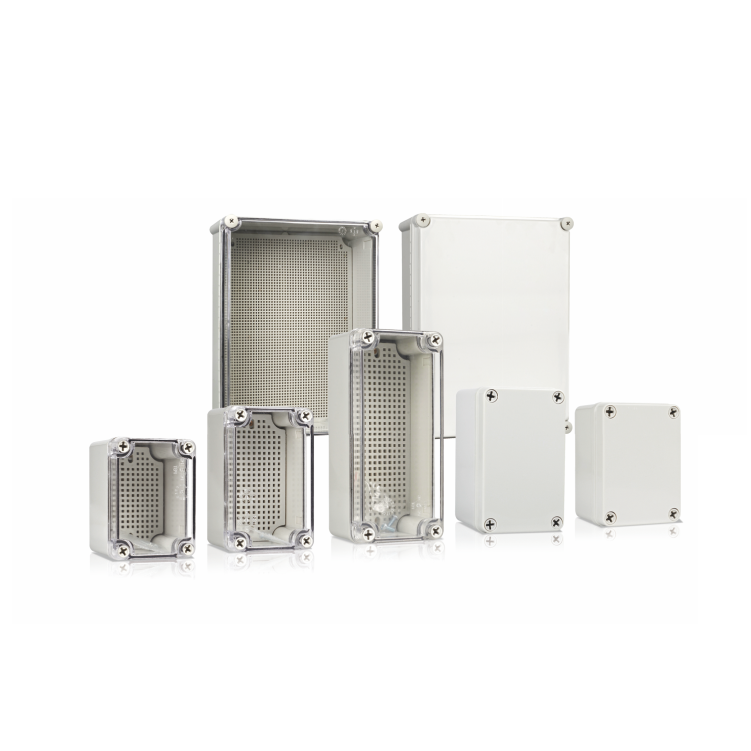
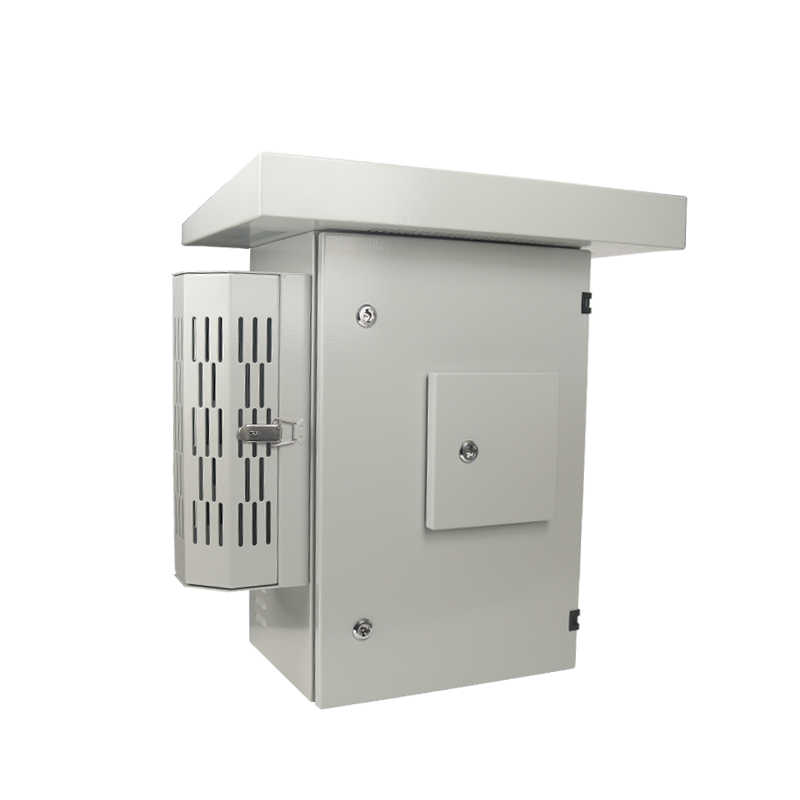
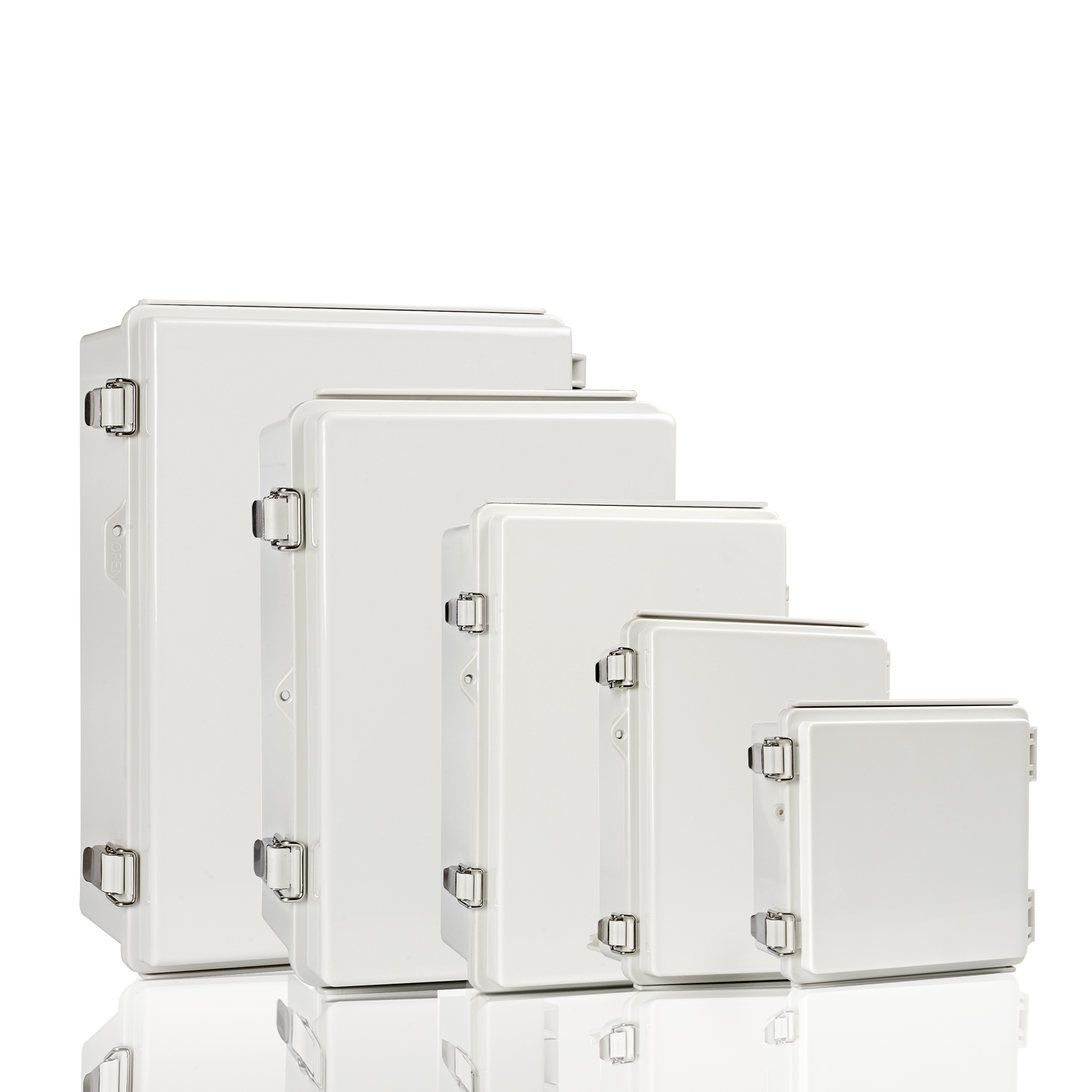
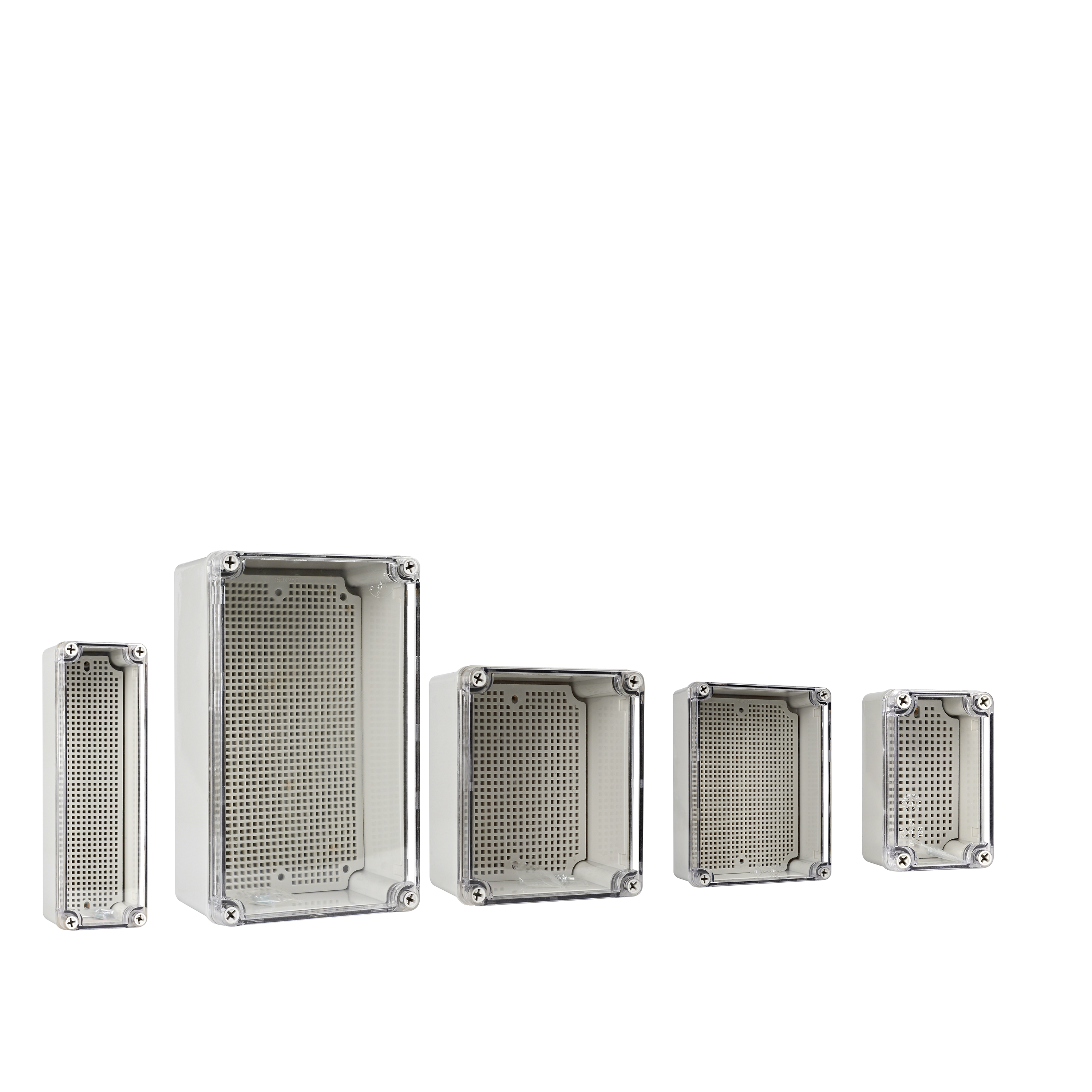
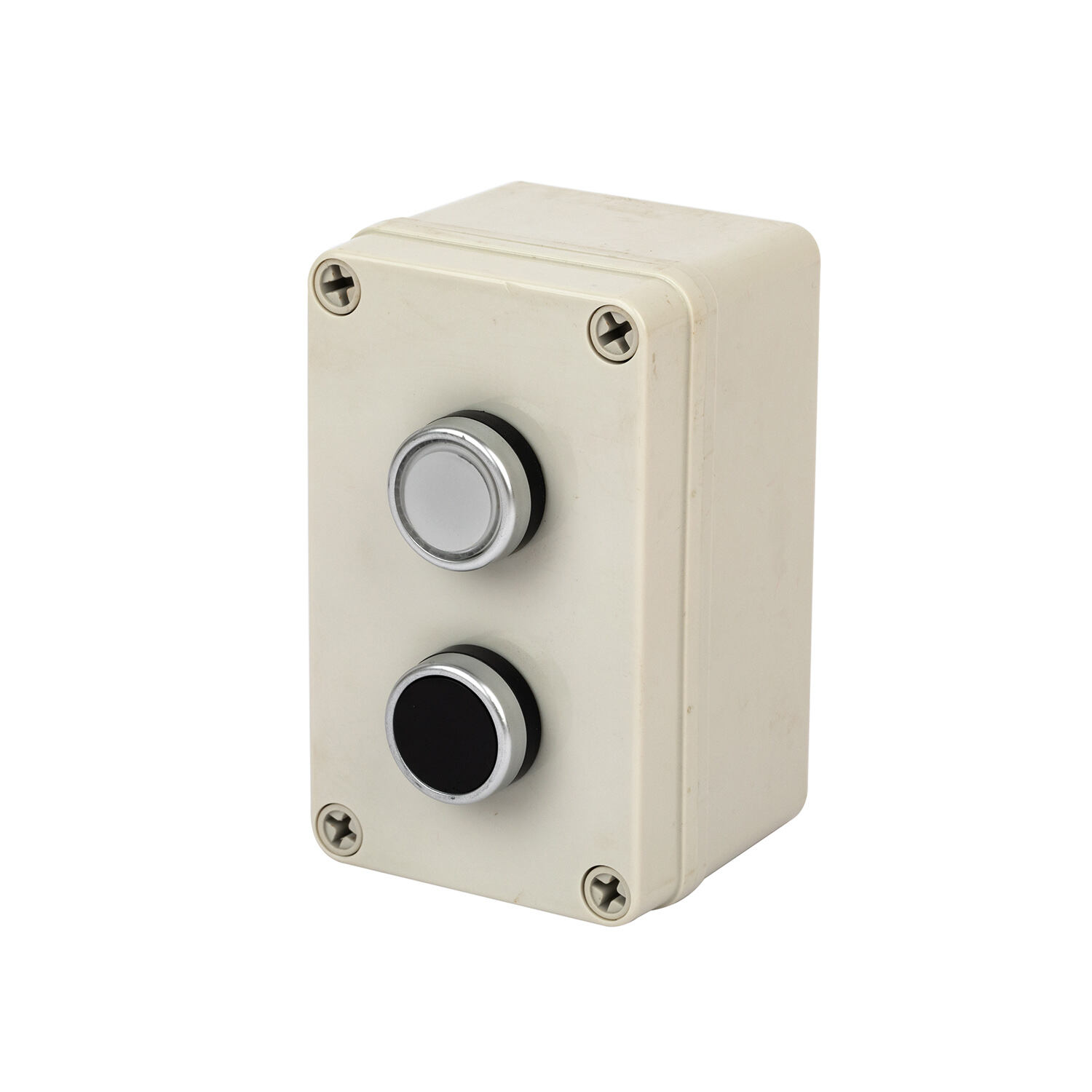
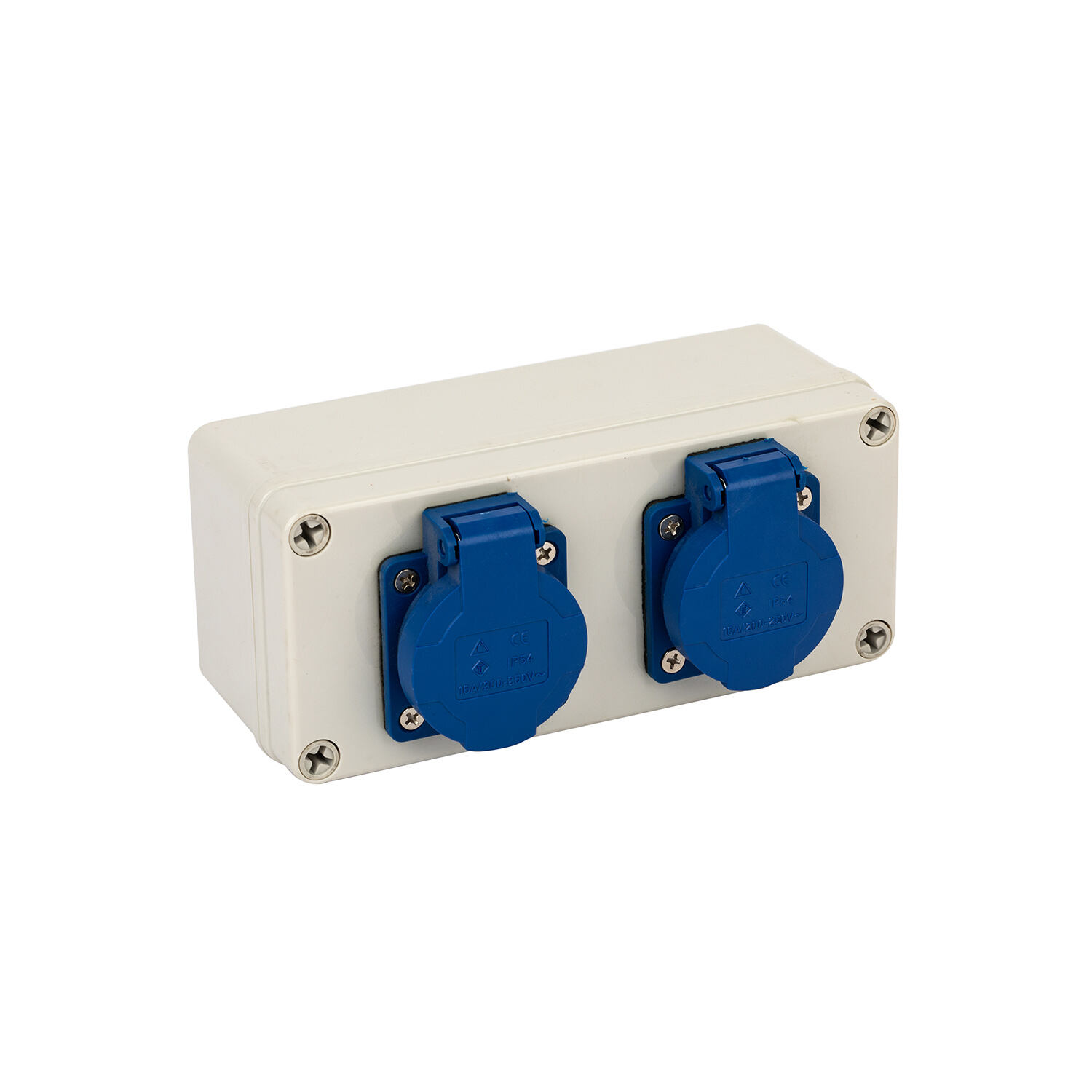
Professional Telecom Enclosures - Advanced Protection Solutions for Telecommunications Infrastructure

Get a Free Quote

Our representative will contact you soon.
Email
Name
Company Name
Message
0/1000

telecom enclosure

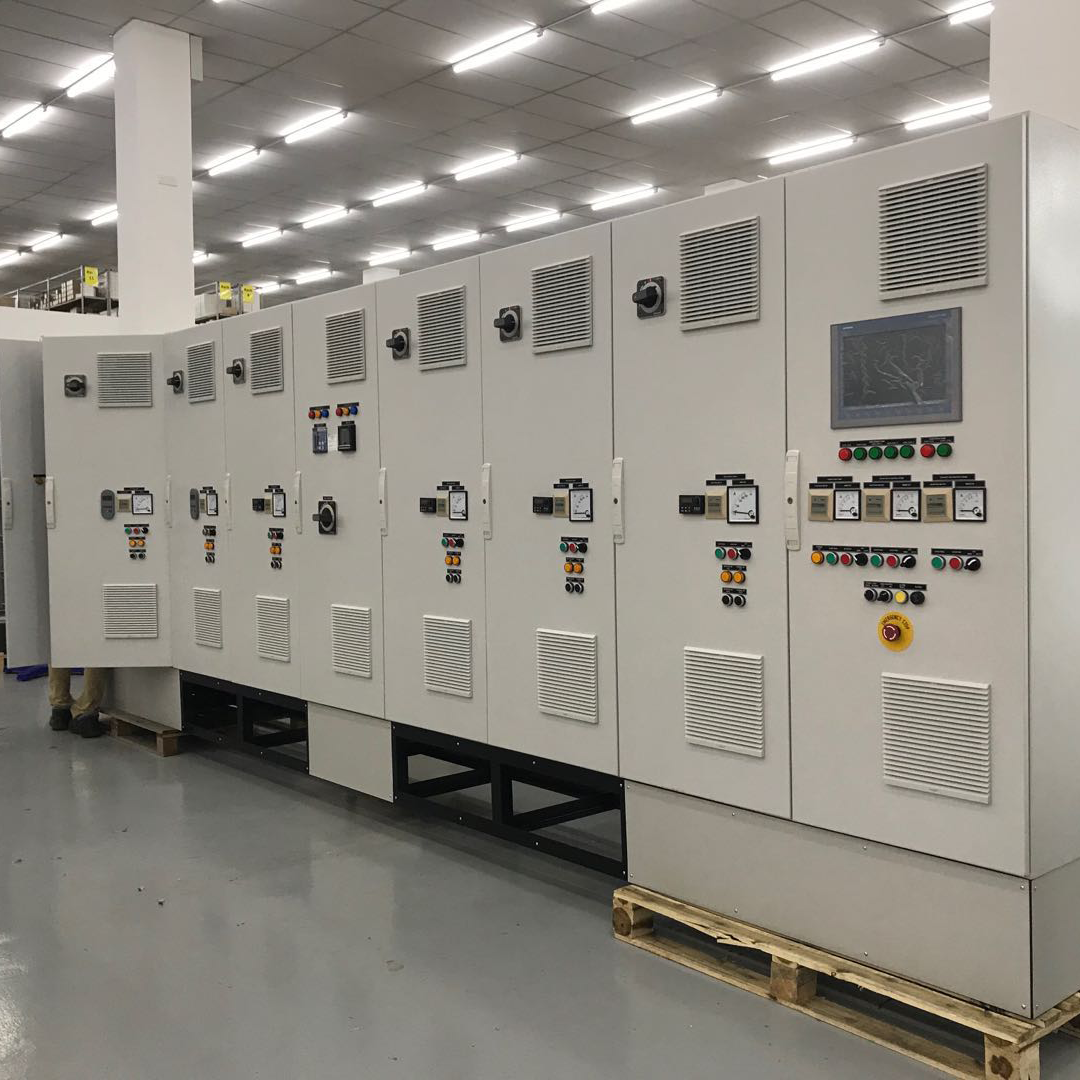
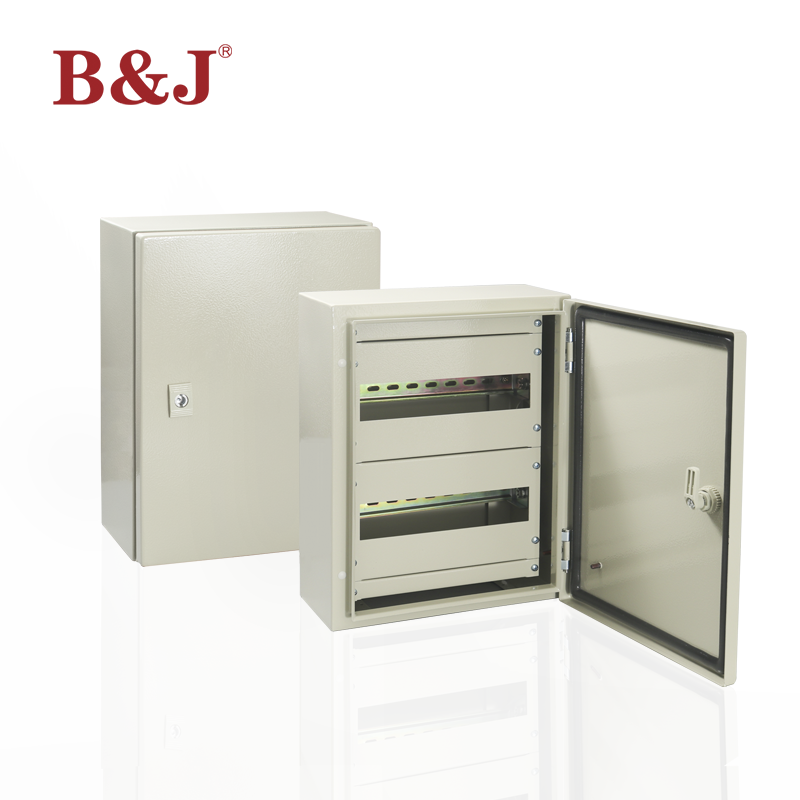
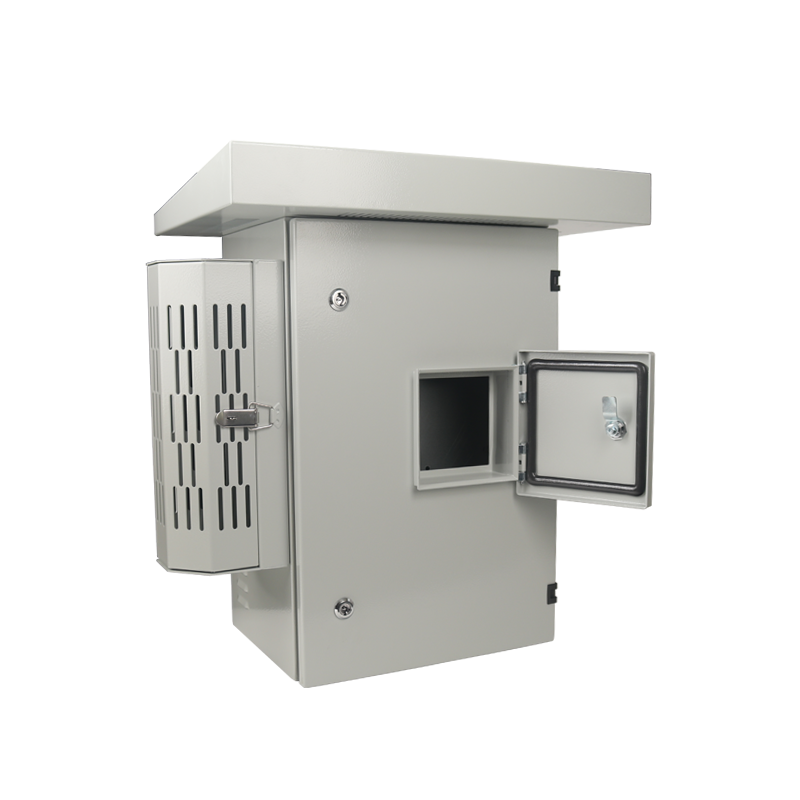
A telecom enclosure serves as the protective housing for critical telecommunications infrastructure, safeguarding sensitive electronic equipment from environmental hazards while ensuring optimal operational performance. These robust structures accommodate various networking components including servers, switches, routers, power supplies, and cable management systems that form the backbone of modern communication networks. The primary function of a telecom enclosure revolves around creating a controlled environment that maintains consistent temperature, humidity levels, and electromagnetic interference protection for housed equipment. Advanced telecom enclosures incorporate sophisticated cooling systems, including forced air circulation, heat exchangers, and climate control mechanisms that prevent overheating and ensure continuous operation even in challenging outdoor conditions. The structural design emphasizes durability through reinforced steel construction, corrosion-resistant coatings, and weatherproof sealing systems that withstand extreme temperatures, precipitation, wind loads, and seismic activities. Security features integrated into telecom enclosures include multi-point locking mechanisms, tamper-evident seals, and access control systems that prevent unauthorized entry while allowing legitimate maintenance personnel to perform necessary tasks efficiently. Cable management solutions within these enclosures facilitate organized routing of fiber optic cables, copper conductors, and power connections through dedicated pathways that minimize signal interference and simplify troubleshooting procedures. Modern telecom enclosures support remote monitoring capabilities through integrated sensor networks that track environmental conditions, power consumption, and equipment status in real-time. Applications span across cellular tower installations, fiber optic network nodes, data center extensions, emergency communication systems, and rural broadband deployment projects where reliable infrastructure protection remains paramount. The modular design of contemporary telecom enclosures allows for scalable expansion as network demands grow, accommodating additional equipment without requiring complete system replacement. These versatile solutions support both indoor and outdoor deployments, adapting to diverse installation environments from urban rooftops to remote countryside locations where traditional building infrastructure may be unavailable or impractical.

New Products

Telecom enclosures deliver exceptional protection that significantly extends equipment lifespan by shielding valuable networking hardware from dust, moisture, temperature fluctuations, and physical damage that commonly cause premature failures in unprotected installations. This protection translates directly into reduced replacement costs and minimized downtime, allowing businesses to maintain consistent service quality while controlling operational expenses. The standardized mounting systems within these enclosures accelerate installation processes, enabling technicians to deploy new equipment quickly without custom fabrication or extensive site preparation work that typically delays project completion timelines. Energy efficiency represents another crucial advantage as modern telecom enclosures incorporate intelligent thermal management systems that optimize cooling performance while reducing power consumption through variable fan speeds, temperature sensors, and automated climate control that responds dynamically to changing load conditions. Enhanced security measures protect against theft, vandalism, and unauthorized access that could compromise network integrity or result in costly equipment losses, particularly important for remote installations where constant surveillance proves impractical or expensive. The organized internal layout of telecom enclosures simplifies maintenance procedures by providing clear access paths, labeled connection points, and standardized component placement that reduces service time and minimizes the risk of accidental damage during routine inspections or emergency repairs. Scalability benefits allow networks to grow incrementally without major infrastructure overhauls, as additional equipment racks, power distribution units, and cooling capacity can be integrated seamlessly into existing enclosure frameworks. Weather resistance capabilities enable reliable operation across diverse geographic regions and climatic conditions, eliminating the need for costly indoor facilities or specialized buildings that would otherwise house critical telecommunications equipment. Remote monitoring integration provides proactive maintenance opportunities by alerting operators to potential issues before they escalate into service-affecting problems, enabling preventive interventions that maintain optimal network performance while reducing emergency service calls. The standardized dimensions and mounting interfaces ensure compatibility with equipment from multiple manufacturers, providing procurement flexibility and preventing vendor lock-in situations that could increase long-term costs or limit technology upgrade options. Compliance with industry safety standards and environmental regulations simplifies permitting processes while ensuring installations meet local building codes and telecommunications authority requirements without additional certification procedures.

Latest News

Top 5 Electrical Boxes for Home Wiring in 2025

13

Mar

Top 5 Electrical Boxes for Home Wiring in 2025

Top 5 Electrical Boxes for Home Wiring in 2025 Choosing the right electrical box is one of the most important steps in safe home wiring. Electrical boxes protect wire connections, prevent fire hazards, and ensure your installation complies with elec...
View More
What Makes Industrial Enclosures Best-Sellers Overseas in 2025: Specs, Prices & Market Trends

25

Feb

What Makes Industrial Enclosures Best-Sellers Overseas in 2025: Specs, Prices & Market Trends

The global industrial enclosure market continues to experience unprecedented growth as manufacturers worldwide seek robust protection solutions for their electrical and electronic components. Modern industrial facilities require enclosures that can w...
View More
Top 10 Best-Selling Metal Boxes on Amazon in 2025 (Reviewed)

23

Apr

Top 10 Best-Selling Metal Boxes on Amazon in 2025 (Reviewed)

Finding the right metal box for your storage, electrical, or organizational needs has become increasingly important as industries demand more durable and reliable solutions. The popularity of metal box products on Amazon continues to surge in 2025, d...
View More
2025 Industrial Metal Enclosure Pricing & Sourcing Guide

23

Apr

2025 Industrial Metal Enclosure Pricing & Sourcing Guide

Industrial procurement professionals face increasingly complex decisions when sourcing metal enclosure solutions in 2025, with market dynamics shifting due to raw material costs, manufacturing innovations, and evolving regulatory requirements. This c...
View More

Get a Free Quote

Our representative will contact you soon.
Email
Name
Company Name
Message
0/1000

telecom enclosure

Advanced Environmental Protection System

Advanced Environmental Protection System

The sophisticated environmental protection system integrated into telecom enclosures represents a cornerstone feature that ensures uninterrupted operation of critical telecommunications infrastructure under the most challenging conditions. This comprehensive protection framework combines multiple layers of defense against environmental threats that could otherwise compromise equipment functionality and network reliability. The weatherproof design incorporates precision-engineered sealing systems using high-grade gaskets and compression fittings that create impermeable barriers against moisture infiltration, preventing corrosion and electrical failures that commonly plague unprotected installations. Temperature regulation mechanisms within the telecom enclosure include both active and passive cooling solutions, featuring variable-speed fans, heat exchangers, and thermal management algorithms that maintain optimal operating temperatures regardless of external weather conditions or internal heat generation from high-performance networking equipment. Advanced filtration systems remove airborne contaminants including dust particles, salt spray, and industrial pollutants that could accumulate on sensitive electronic components and cause performance degradation over time. The structural integrity of these protection systems withstands extreme wind loads, seismic activity, and temperature cycling through reinforced construction materials and flexible mounting systems that absorb mechanical stress while maintaining environmental seal integrity. UV-resistant exterior finishes prevent material degradation from prolonged sun exposure, ensuring long-term protection effectiveness without requiring frequent maintenance or replacement of protective coatings. Condensation prevention measures include desiccant systems, humidity sensors, and controlled ventilation that eliminate moisture buildup inside the enclosure while maintaining optimal air circulation patterns. Emergency protection features activate during power outages or extreme weather events, providing backup cooling through battery-powered systems and automatic equipment shutdown procedures that prevent damage during prolonged adverse conditions. This comprehensive environmental protection directly translates into increased equipment reliability, reduced maintenance costs, and extended service life for telecommunications infrastructure investments.
Intelligent Monitoring and Management Capabilities

Intelligent Monitoring and Management Capabilities

The intelligent monitoring and management capabilities embedded within modern telecom enclosures revolutionize infrastructure oversight by providing unprecedented visibility into system performance, environmental conditions, and potential maintenance requirements through sophisticated sensor networks and automated reporting systems. Real-time data collection encompasses critical parameters including internal temperature, humidity levels, power consumption, equipment status, and security breach detection, creating a comprehensive operational picture that enables proactive management decisions and prevents service disruptions before they occur. Advanced telemetry systems within the telecom enclosure transmit performance data through multiple communication channels including cellular networks, satellite links, and internet connections, ensuring continuous connectivity even when primary communication paths experience interruptions. Predictive analytics algorithms process collected data to identify patterns and trends that indicate potential equipment failures, allowing maintenance teams to schedule interventions during planned maintenance windows rather than responding to emergency outages that disrupt customer services. Remote access capabilities enable technicians to perform diagnostic procedures, adjust environmental controls, and monitor system health from central operations centers without dispatching field personnel to remote installation sites, significantly reducing operational costs and response times for routine maintenance activities. Automated alert systems generate immediate notifications when operational parameters exceed predetermined thresholds, escalating issues through configurable notification hierarchies that ensure appropriate personnel receive timely information about developing problems. Historical data logging creates valuable maintenance records and performance trends that support long-term planning decisions, warranty claims, and regulatory compliance reporting requirements. Integration with network management systems allows telecom enclosures to participate in comprehensive infrastructure monitoring platforms that coordinate responses across multiple sites and equipment types. Customizable dashboards present operational information in formats tailored to different user roles, from executive summaries for management personnel to detailed technical data for field technicians and engineers. These intelligent capabilities transform telecom enclosures from passive protection systems into active infrastructure management tools that optimize performance, reduce costs, and improve service reliability.
Modular Design and Scalability Features

Modular Design and Scalability Features

The modular design architecture of contemporary telecom enclosures delivers unparalleled flexibility and scalability that adapts seamlessly to evolving network requirements and technological advances, ensuring long-term infrastructure investments remain viable and cost-effective throughout multiple technology lifecycle transitions. This innovative approach utilizes standardized component interfaces and expandable framework systems that accommodate future growth without requiring complete system replacement or extensive site modifications that typically accompany traditional fixed-size installations. Rack mounting systems within the telecom enclosure support various equipment form factors and manufacturer specifications, enabling network operators to select optimal hardware solutions based on performance requirements rather than compatibility limitations imposed by inflexible housing designs. Power distribution scalability allows incremental capacity expansion through modular power supplies, redundant feed systems, and load balancing mechanisms that grow with increasing equipment demands while maintaining system reliability and efficiency standards. Cooling system modularity enables thermal management upgrades that match expanding heat loads from higher-density equipment deployments, incorporating additional fan units, heat exchangers, or advanced cooling technologies without disrupting existing operations or requiring enclosure replacement. Cable management expansion capabilities accommodate increasing fiber optic and copper cable requirements through removable panels, adjustable routing systems, and additional entry points that maintain organization and accessibility as network complexity grows. The standardized dimensional specifications ensure compatibility with industry-standard equipment while providing sufficient internal volume for future expansion activities and maintenance access requirements. Upgrade pathways built into the modular design facilitate technology transitions such as migration from copper to fiber optic systems, implementation of higher-speed networking equipment, or integration of emerging technologies like edge computing platforms. Component replaceability features allow individual system elements to be updated or replaced independently, minimizing service interruptions and reducing upgrade costs compared to monolithic designs that require complete system replacement for technology advances. This modular approach extends the useful life of telecom enclosure investments while providing the flexibility to adapt to changing regulatory requirements, customer demands, and technological innovations that continuously reshape the telecommunications industry landscape.
Professional Telecom Enclosures - Advanced Protection Solutions for Telecommunications Infrastructure

Get a Free Quote

Our representative will contact you soon.
Email
Name
Company Name
Message
0/1000