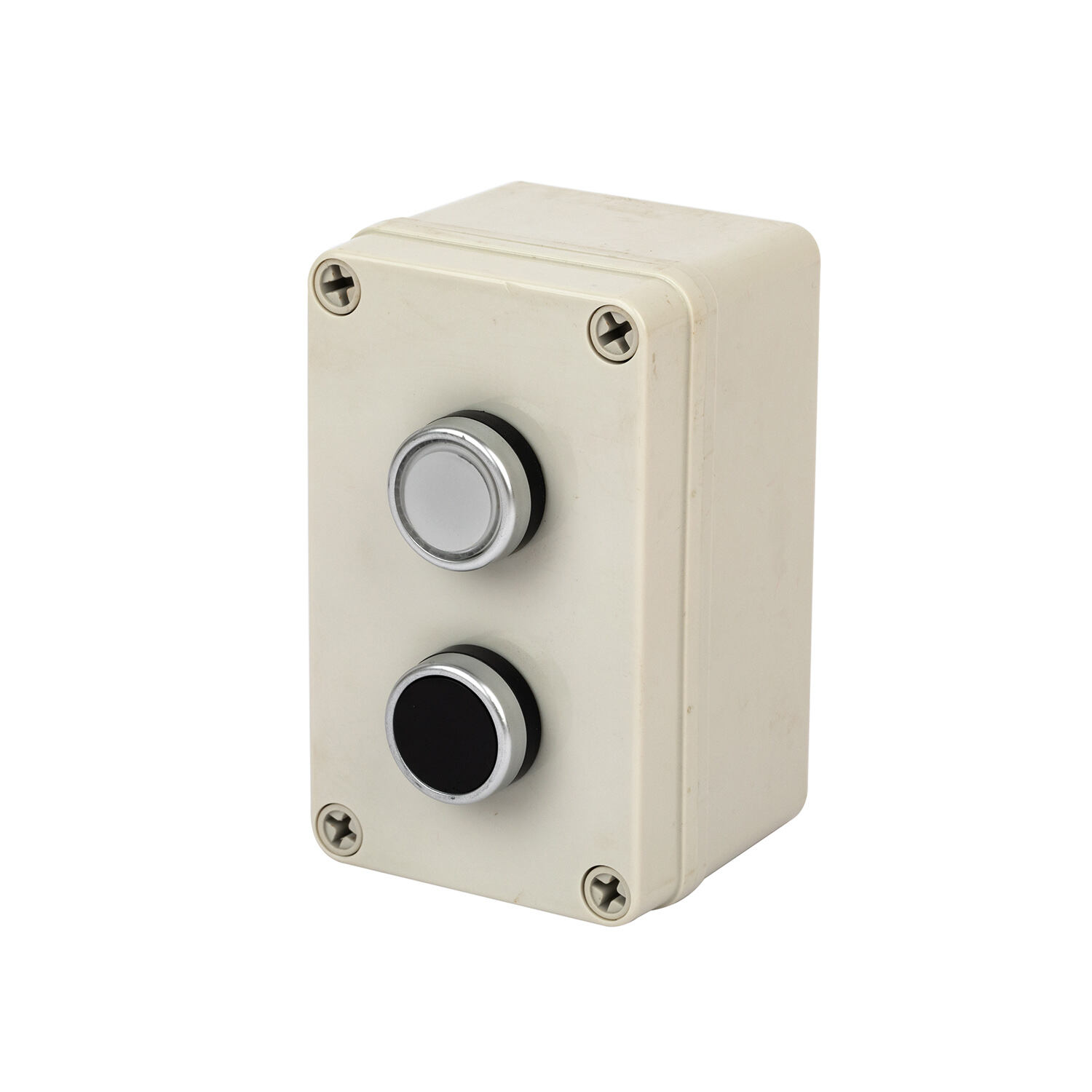
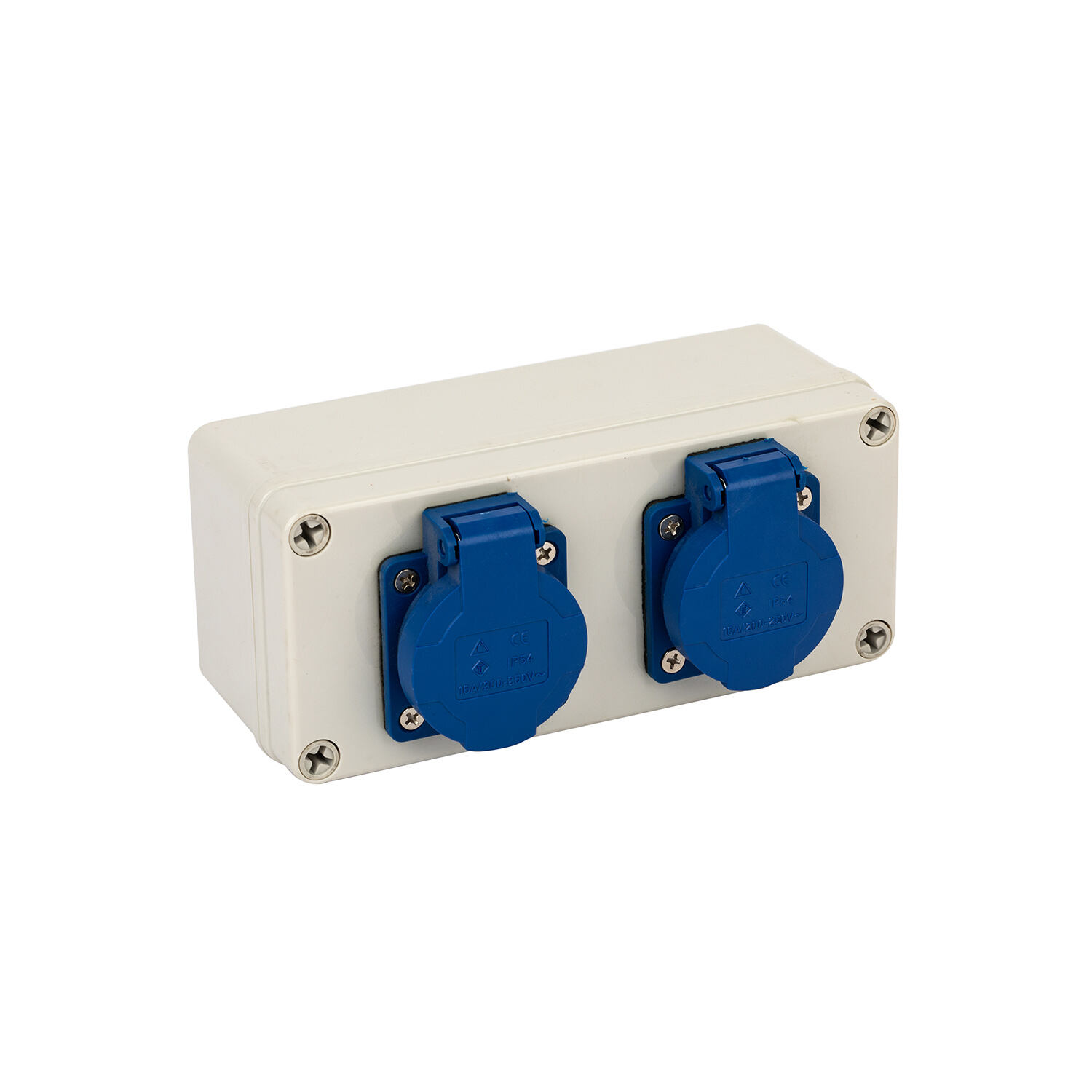
telekomhylsa
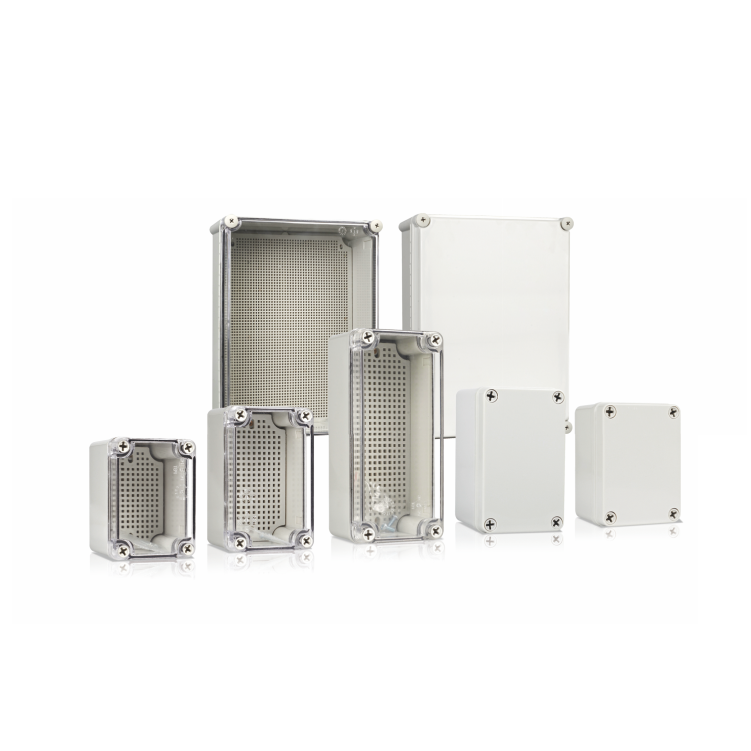
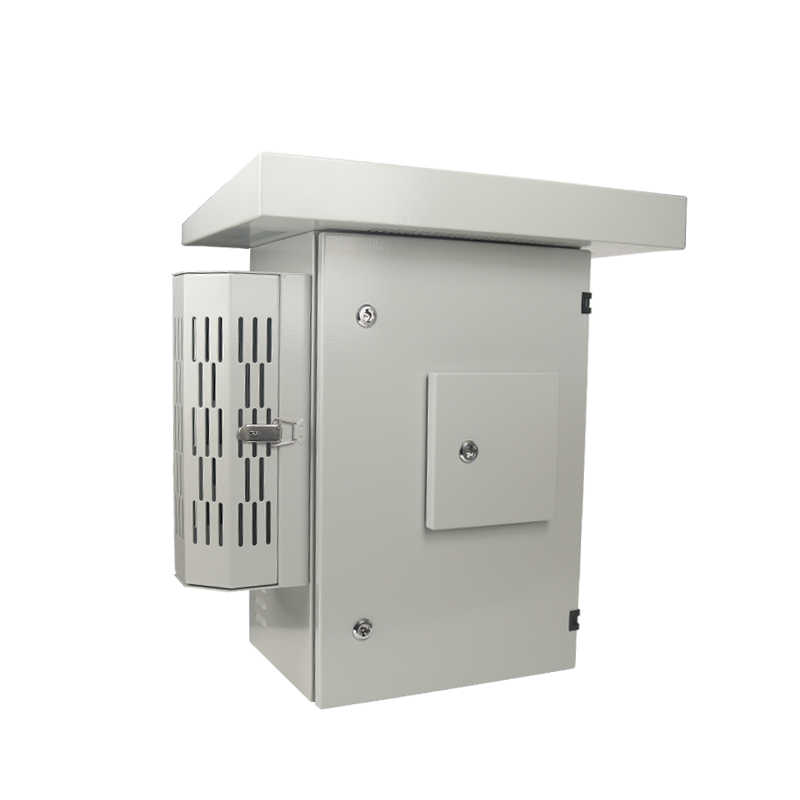
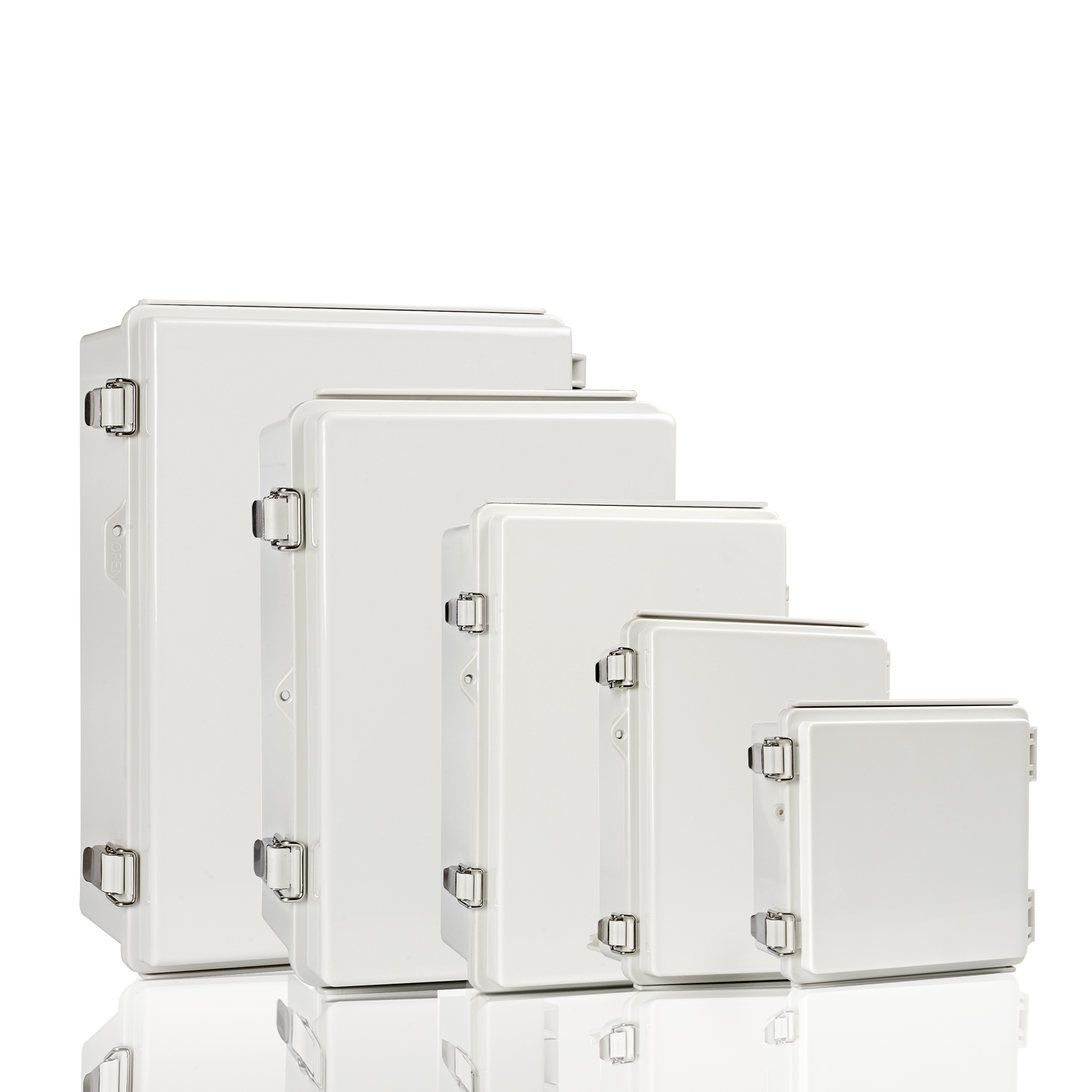
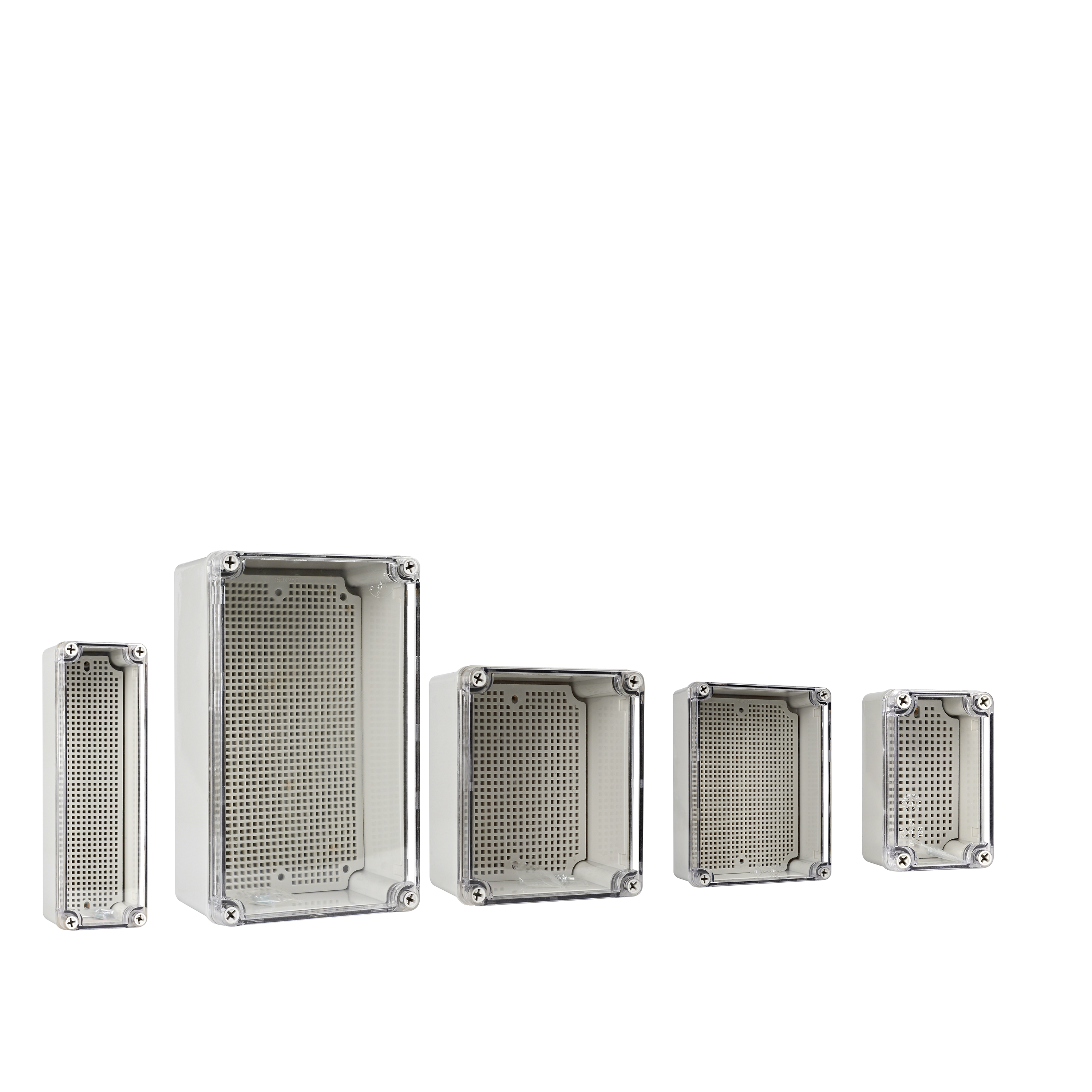
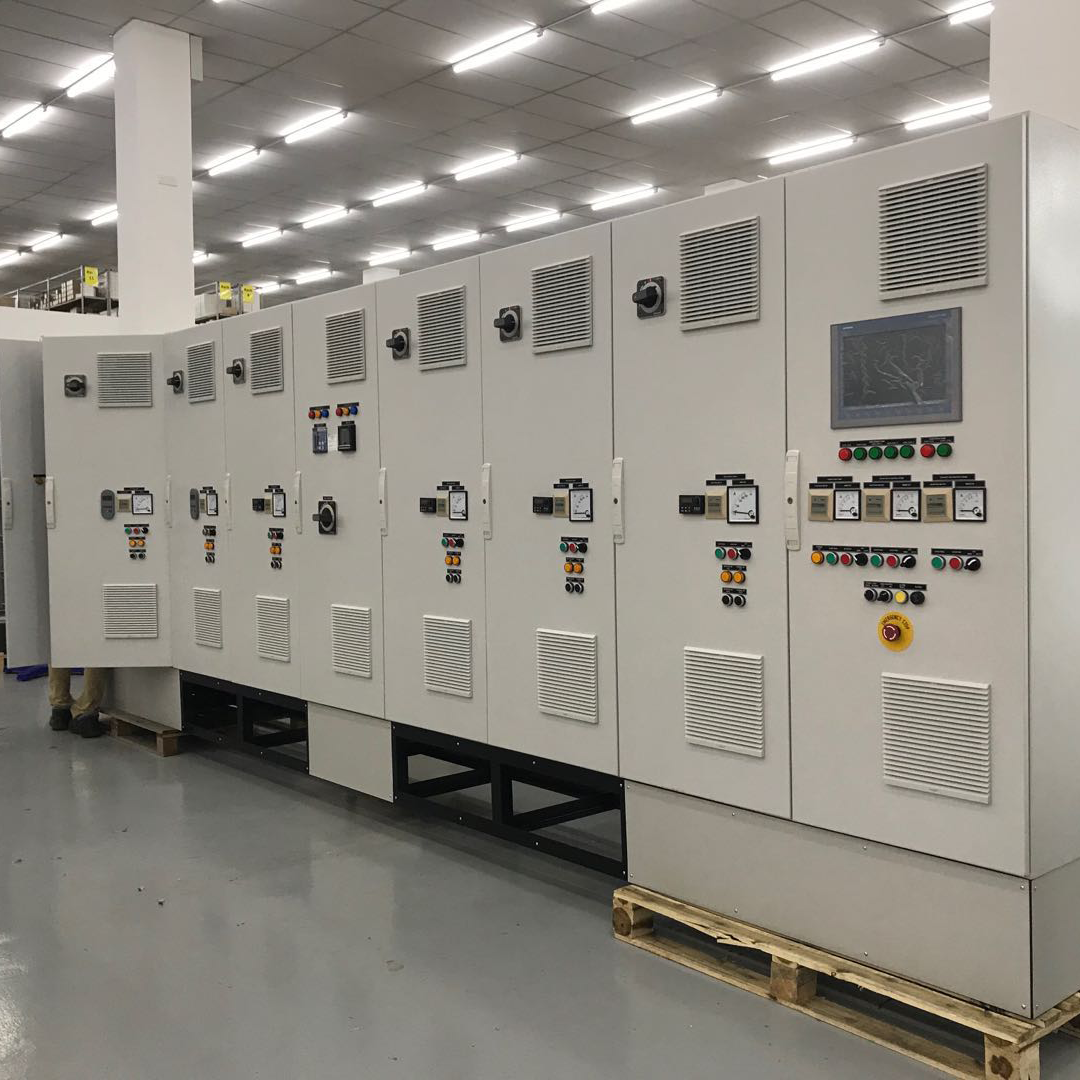
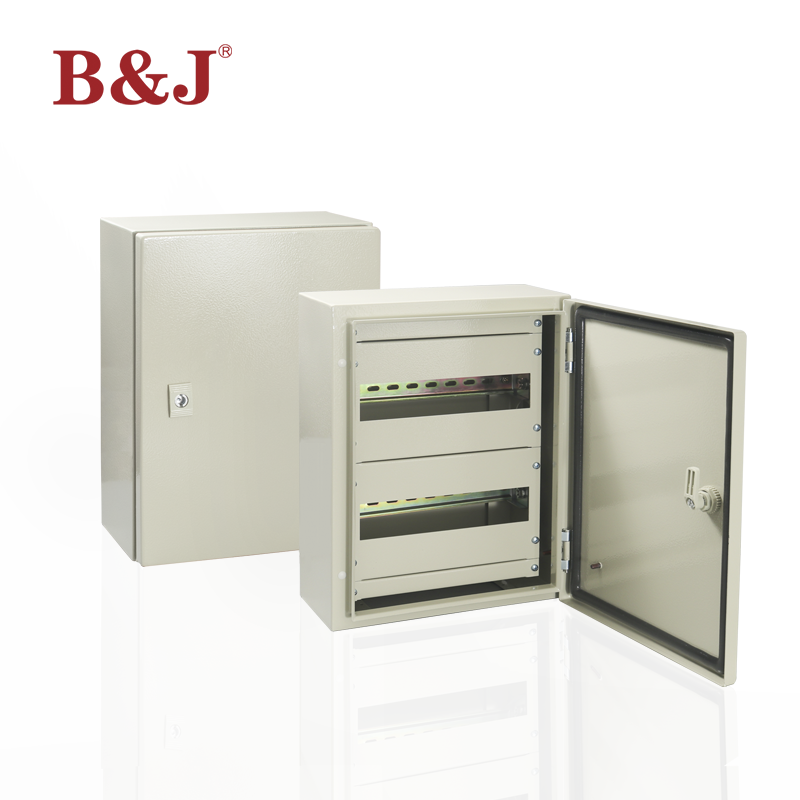
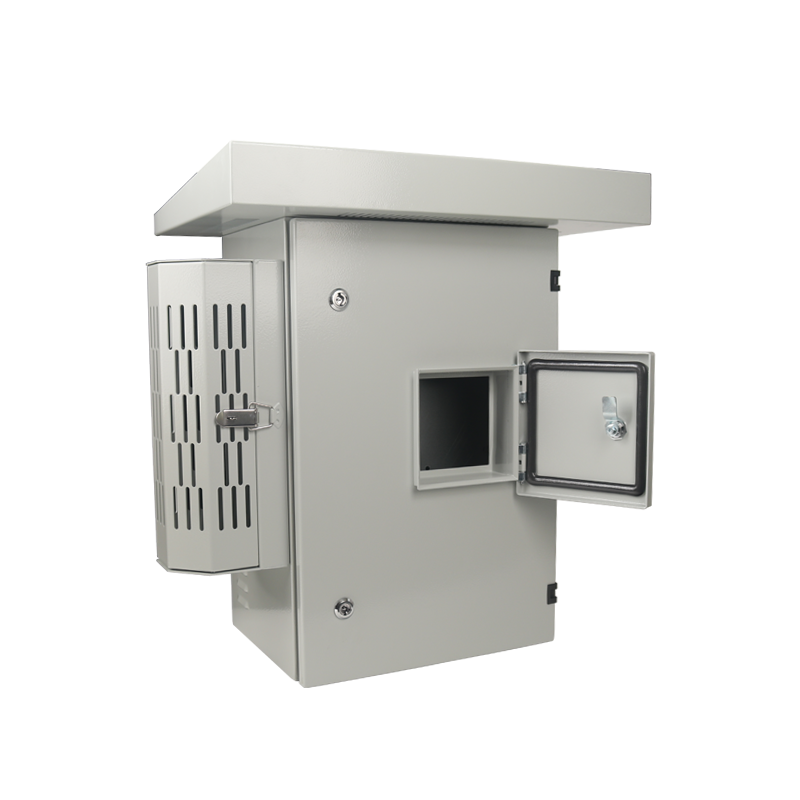
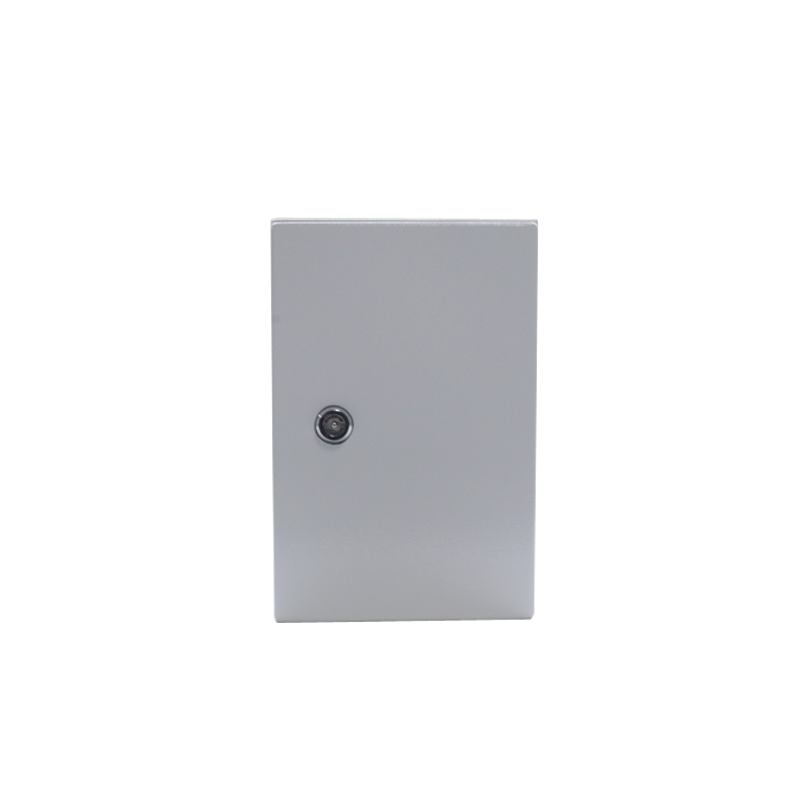
Ett telekommunikationshus är en skyddande behållare för kritisk telekommunikationsinfrastruktur som skyddar känslig elektronisk utrustning mot miljöpåverkan samtidigt som den säkerställer optimal driftsprestanda. Dessa robusta strukturer innehåller olika nätverkskomponenter, inklusive servrar, switchar, routrar, strömförsörjningar och kabelförvaltningssystem som utgör stommen i moderna kommunikationsnät. Den primära funktionen för ett telekommunikationshus är att skapa en kontrollerad miljö som upprätthåller konstant temperatur, fuktighetsnivåer och skydd mot elektromagnetisk störning för den inhysta utrustningen. Avancerade telekommunikationshus integrerar sofistikerade kylsystem, inklusive tvungen luftcirkulation, värmeväxlare och klimatregleringsmekanismer som förhindrar överhettning och säkerställer kontinuerlig drift även i utmanande utomhusförhållanden. Den strukturella designen betonar hållbarhet genom förstärkt stålkonstruktion, korrosionsbeständiga beläggningar och väderfast tätningsystem som tål extrema temperaturer, nederbörd, vindlast och jordbävningar. Säkerhetsfunktioner som integrerats i telekommunikationshus inkluderar flerpunktslås, spårbara förseglingar och åtkomstkontrollsystem som förhindrar obehörig inträde samtidigt som de möjliggör effektiv underhållsarbete av behörig personal. Kabelförvaltningslösningar inom dessa hus underlättar organiserad routning av fiberkablar, kopparledare och strömanslutningar genom dedicerade vägar som minimerar signalstörningar och förenklar felsökningsprocedurer. Moderna telekommunikationshus stödjer fjärrövervakning via integrerade sensornätverk som i realtid spårar miljöförhållanden, elförbrukning och utrustningsstatus. Tillämpningarna omfattar celltorn, fibernätverksnoder, datacenterutbyggnader, nödkommunikationssystem samt projekt för bredband i glesbygd där pålitlig infrastrukturskydd är av yttersta vikt. Den modulära designen hos samtida telekommunikationshus möjliggör skalbar utbyggnad när nätverkskraven ökar, vilket gör det möjligt att lägga till extra utrustning utan att behöva ersätta hela systemet. Dessa mångsidiga lösningar stödjer både inomhus- och utomhusinstallationer och anpassar sig till olika installationsmiljöer – från stadens tak till avlägsna landsbygdslägen där traditionell byggnadsinfrastruktur kan vara otillgänglig eller olämplig.
 EN
EN