Industrial Plastic Enclosures - Durable, Chemical-Resistant Protection Solutions

Get a Free Quote

Our representative will contact you soon.
Email
Name
Company Name
Message
0/1000

industrial plastic enclosures

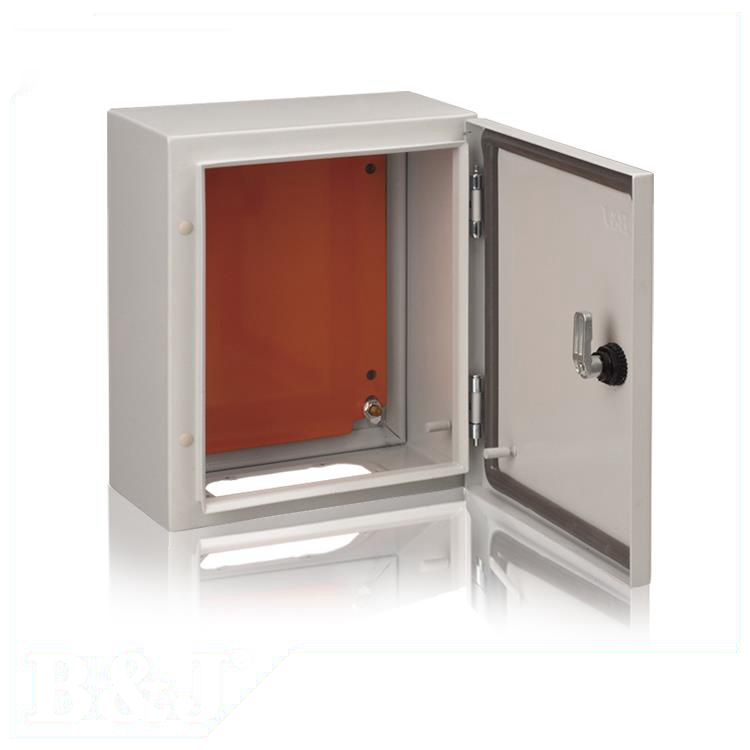
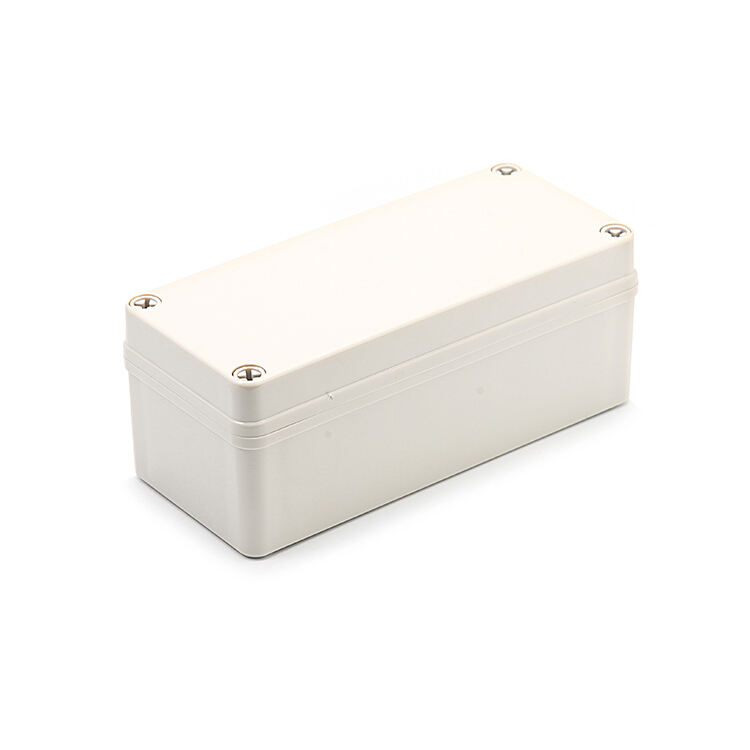
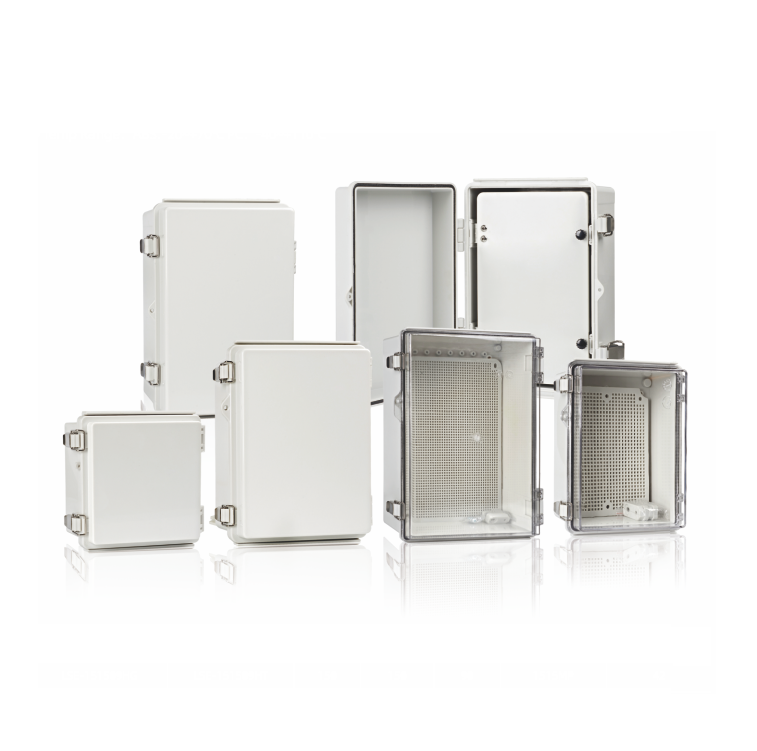
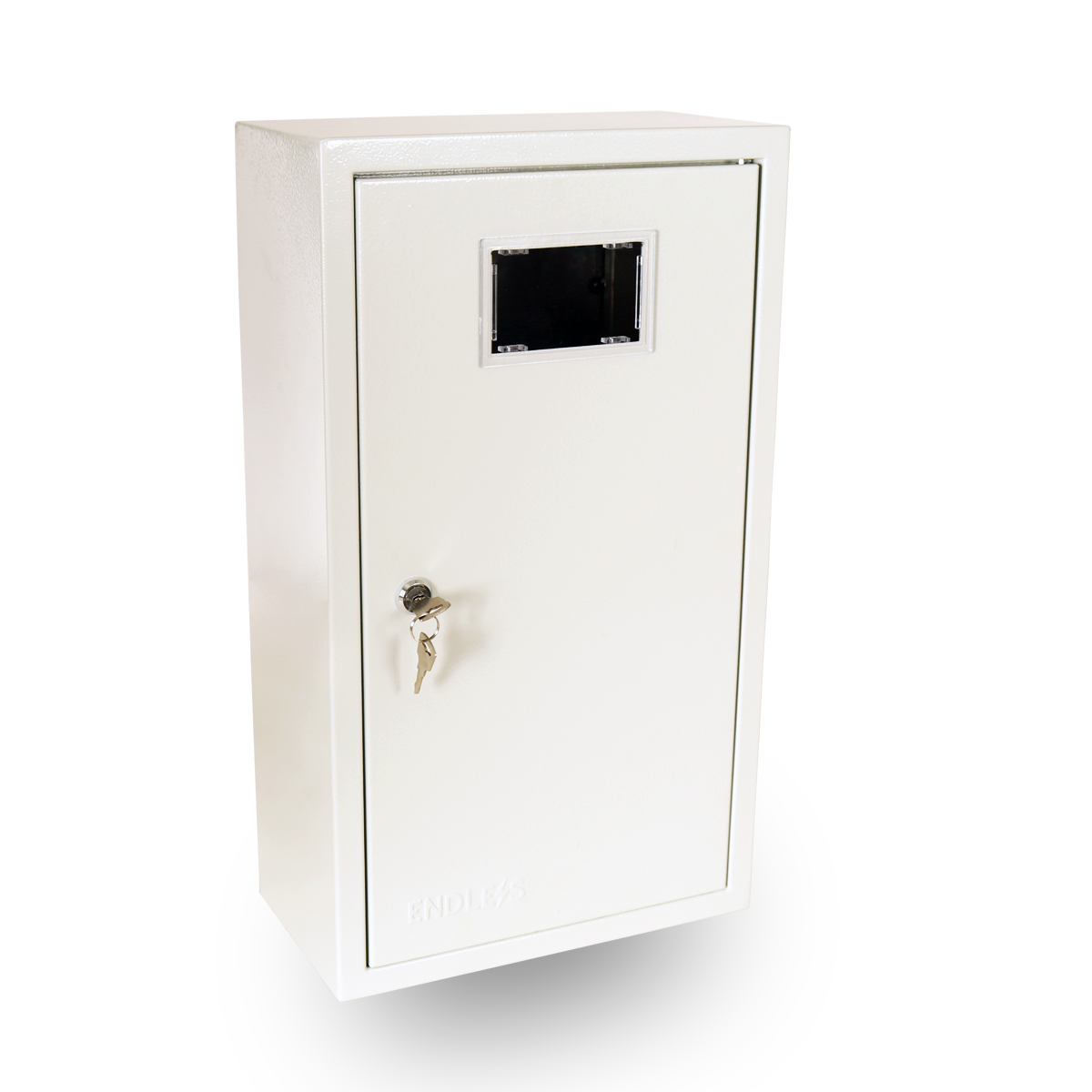
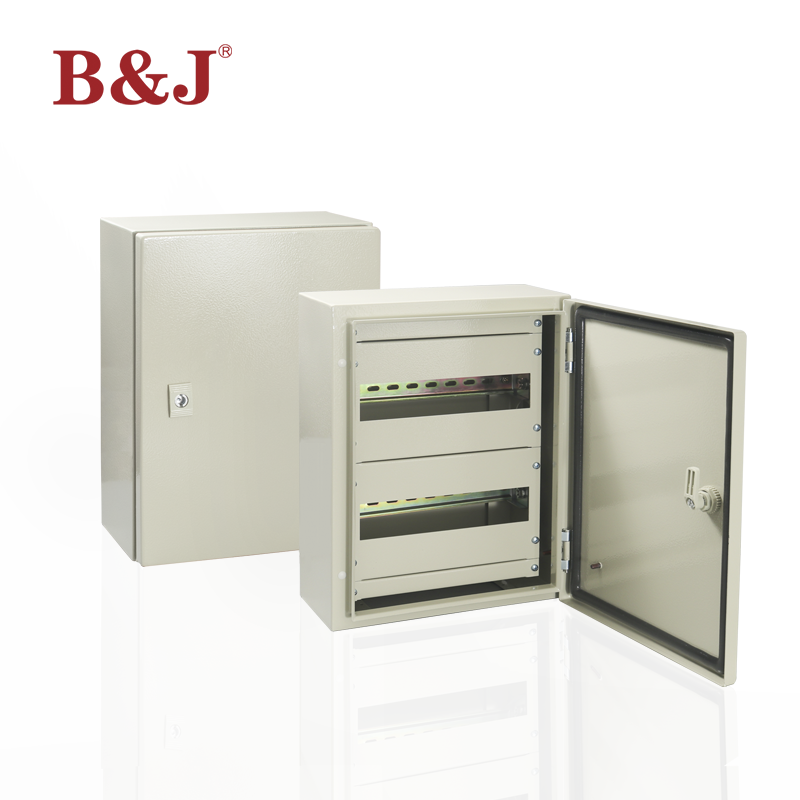
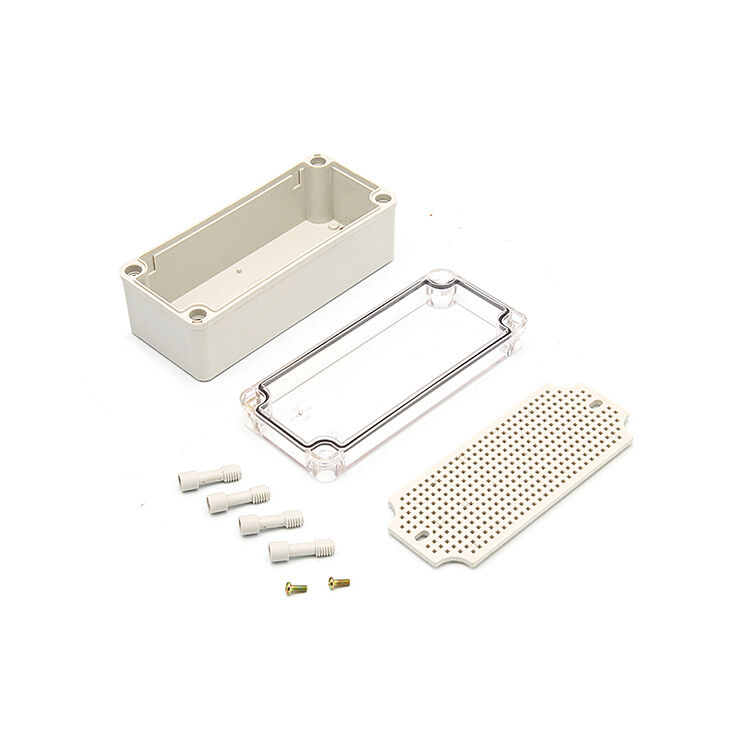
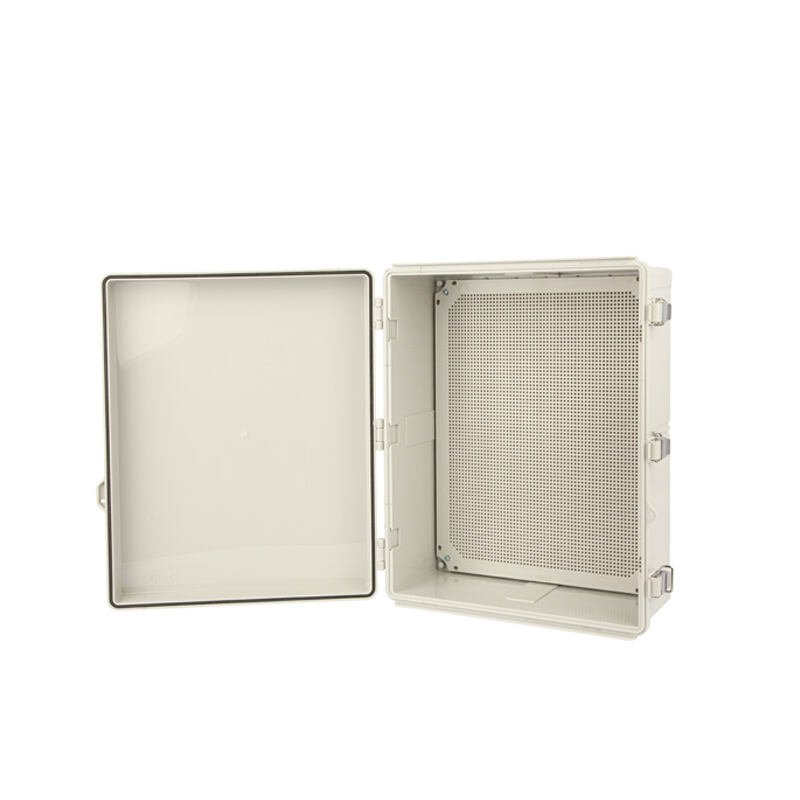
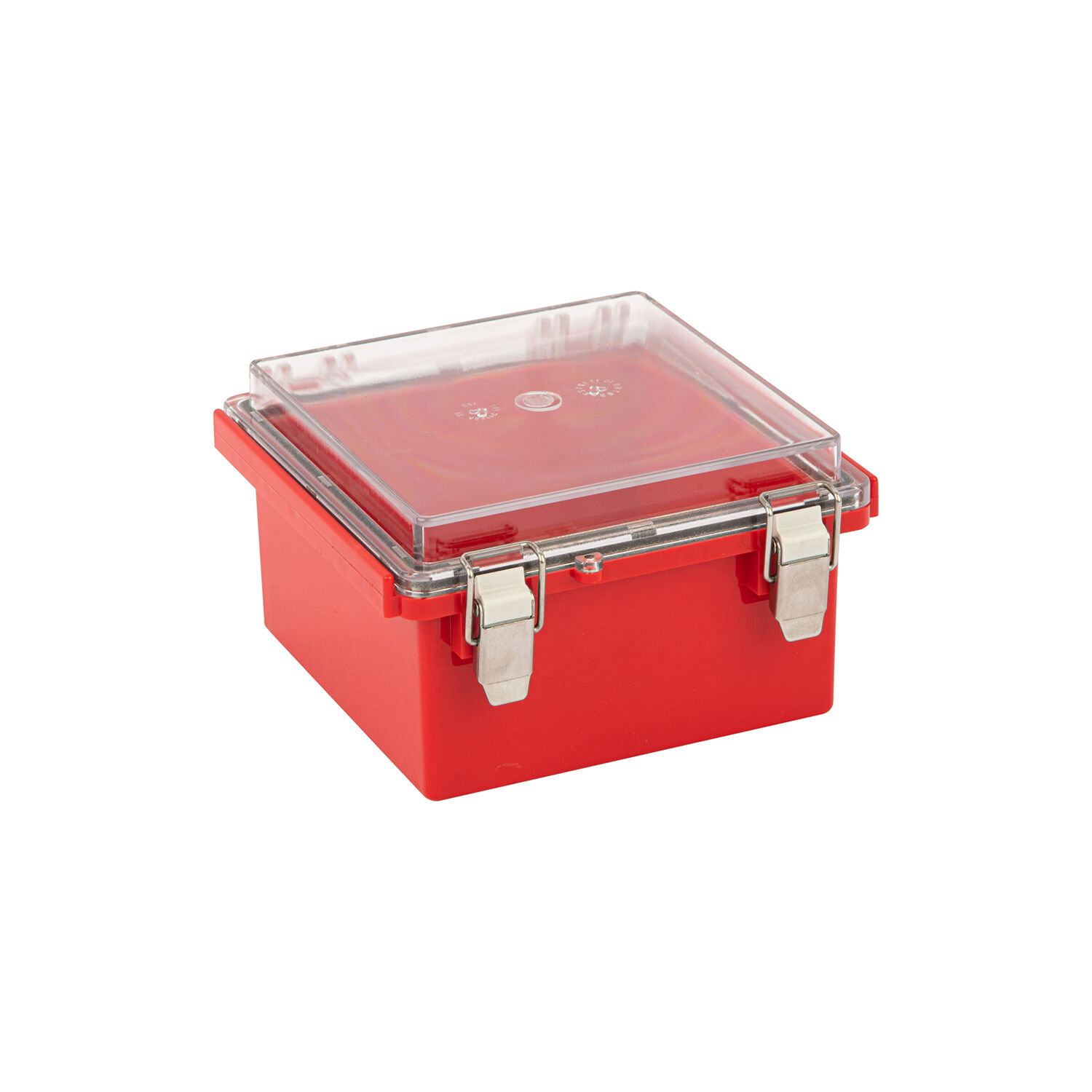
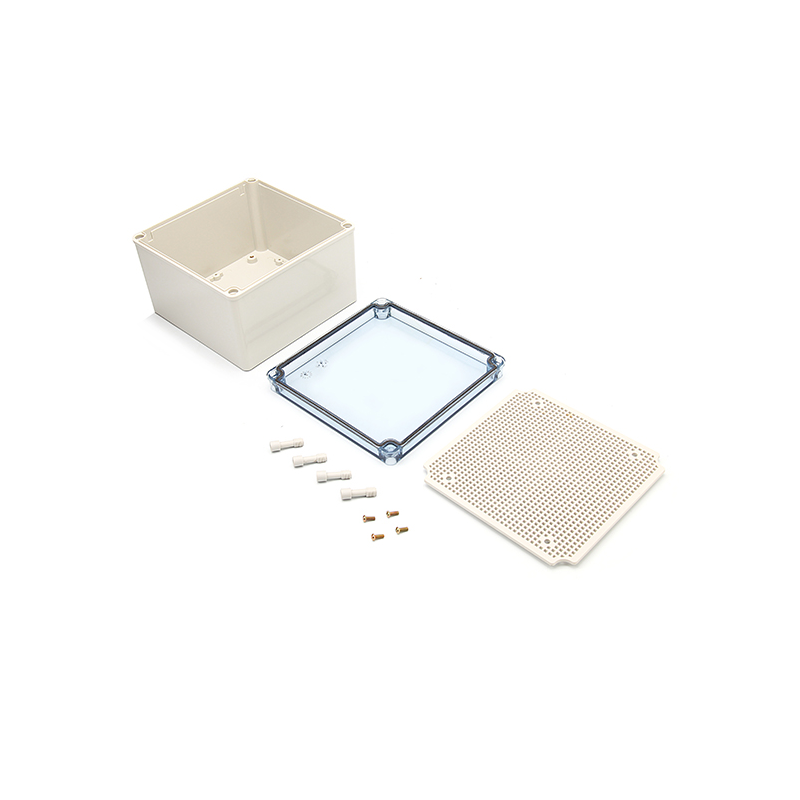
Industrial plastic enclosures serve as critical protective housings designed to safeguard electronic components, control systems, and sensitive equipment across diverse manufacturing and commercial environments. These specialized containers provide essential protection against environmental hazards including moisture, dust, chemical exposure, temperature fluctuations, and physical impact while maintaining optimal accessibility for maintenance and operation. Modern industrial plastic enclosures utilize advanced polymer compounds that deliver exceptional durability and resistance properties far exceeding traditional materials. The primary function of these enclosures centers on creating secure barriers that preserve the integrity and functionality of housed equipment while ensuring compliance with rigorous industrial safety standards. Technological features of contemporary industrial plastic enclosures incorporate sophisticated design elements including reinforced mounting systems, precision-molded gasket channels, integrated ventilation solutions, and customizable port configurations. These enclosures demonstrate remarkable versatility through modular construction methods that accommodate various installation requirements and equipment specifications. Advanced manufacturing processes enable the production of enclosures with enhanced UV resistance, flame retardancy, and chemical compatibility suitable for harsh operational conditions. Applications for industrial plastic enclosures span numerous sectors including manufacturing automation, telecommunications infrastructure, food processing facilities, pharmaceutical operations, water treatment systems, and outdoor installations. The lightweight nature of plastic construction combined with superior corrosion resistance makes these enclosures particularly valuable in marine environments, chemical processing plants, and locations subjected to frequent washdowns. Installation flexibility represents another key advantage as industrial plastic enclosures can be easily mounted, modified, or relocated without specialized tools or extensive structural modifications. The non-conductive properties of plastic materials provide inherent electrical safety benefits while eliminating concerns about galvanic corrosion that commonly affect metal alternatives in challenging environments.

New Product Releases

Industrial plastic enclosures offer substantial cost savings compared to metal alternatives while delivering superior performance characteristics that benefit businesses across multiple operational aspects. The lightweight construction significantly reduces shipping costs and installation labor requirements, allowing companies to complete projects faster and more economically. Unlike metal enclosures that require expensive coatings and treatments to prevent corrosion, plastic variants maintain their protective properties throughout extended service periods without additional maintenance expenses. The inherent chemical resistance of quality plastic materials eliminates the need for special protective treatments, reducing both initial costs and ongoing maintenance budgets. Durability advantages become immediately apparent in challenging environments where traditional materials fail prematurely. Industrial plastic enclosures resist corrosion, oxidation, and degradation from exposure to acids, bases, solvents, and cleaning chemicals commonly encountered in industrial settings. This exceptional chemical compatibility ensures reliable protection for sensitive electronics even in aggressive environments such as wastewater treatment facilities, chemical processing plants, and food production areas where frequent sanitization occurs. Temperature stability represents another significant advantage as modern plastic formulations maintain structural integrity across wide temperature ranges while providing excellent thermal insulation properties. Installation simplicity provides immediate practical benefits that reduce project timelines and labor costs. These enclosures can be easily cut, drilled, and modified using standard tools without requiring specialized equipment or techniques. The lightweight nature allows single-person installation in many applications, contrasting sharply with heavy metal alternatives that often require multiple workers and lifting equipment. Maintenance accessibility improves dramatically with plastic enclosures featuring smooth surfaces that clean easily and resist buildup of contaminants. The non-porous nature prevents bacterial growth and makes thorough sanitization straightforward, particularly important in food processing and pharmaceutical applications. Electrical safety benefits include natural insulation properties that eliminate shock hazards and reduce grounding requirements. The non-conductive nature of plastic materials provides additional protection layers for electrical personnel and equipment while simplifying installation procedures in sensitive electronic environments.

Practical Tips

What Makes Industrial Enclosures Best-Sellers Overseas in 2025: Specs, Prices & Market Trends

25

Feb

What Makes Industrial Enclosures Best-Sellers Overseas in 2025: Specs, Prices & Market Trends

The global industrial enclosure market continues to experience unprecedented growth as manufacturers worldwide seek robust protection solutions for their electrical and electronic components. Modern industrial facilities require enclosures that can w...
View More
Plastic vs. Metal Junction Boxes: Cost, Durability & Install Time

25

Feb

Plastic vs. Metal Junction Boxes: Cost, Durability & Install Time

When selecting electrical enclosures for your project, choosing between a plastic or metal junction box can significantly impact both performance and budget. The junction box serves as a critical protective housing for electrical connections, safegua...
View More
Metal Box Cut-Out Dimensions: Free CAD Templates Inside

23

Apr

Metal Box Cut-Out Dimensions: Free CAD Templates Inside

Accurate cut-out dimensions are critical when designing mounting solutions for electrical enclosures, particularly when working with metal box installations in industrial and commercial applications. Engineers and technicians frequently encounter cha...
View More
Modular Enclosure Panel Cut-Out Standards (Free Templates)

23

Apr

Modular Enclosure Panel Cut-Out Standards (Free Templates)

Modular enclosure panel cut-out standards represent the backbone of professional electrical installations, providing precise dimensional specifications that ensure component compatibility and installation efficiency. These standardized measurements e...
View More

Get a Free Quote

Our representative will contact you soon.
Email
Name
Company Name
Message
0/1000

industrial plastic enclosures

Superior Chemical and Environmental Resistance

Superior Chemical and Environmental Resistance

Industrial plastic enclosures demonstrate exceptional resistance to harsh chemicals, environmental conditions, and aggressive cleaning agents that would quickly degrade metal alternatives. This remarkable chemical compatibility stems from advanced polymer formulations specifically engineered to withstand exposure to acids, bases, solvents, oils, and industrial cleaning solutions without experiencing structural degradation or surface deterioration. Unlike metal enclosures that require expensive protective coatings that can chip, scratch, or wear away over time, plastic enclosures maintain their protective properties throughout their entire service life. The molecular structure of quality industrial plastics creates an inherent barrier against chemical penetration, ensuring that housed electronics remain protected even during accidental spills or routine cleaning procedures. This resistance extends to environmental factors including UV radiation, ozone exposure, salt spray, and extreme humidity conditions that commonly cause premature failure in other materials. Manufacturing facilities processing chemicals, pharmaceuticals, food products, or beverages particularly benefit from this chemical resistance as these environments often require frequent washdowns with aggressive cleaning solutions. The non-porous surface characteristics prevent absorption of contaminants, odors, or cleaning residues that could compromise the cleanliness standards required in sensitive applications. Temperature cycling and thermal shock resistance ensure reliable performance across diverse climate conditions and operational environments. Industrial plastic enclosures maintain their protective seal integrity and structural stability when exposed to rapid temperature changes that would cause metal alternatives to expand, contract, and potentially compromise gasket seals. This thermal stability proves crucial in applications involving heating and cooling cycles, outdoor installations subject to seasonal temperature variations, or processes that generate significant heat fluctuations. The chemical inertness of plastic materials eliminates galvanic corrosion concerns that plague mixed-metal installations, providing long-term reliability without the maintenance requirements associated with protective coating systems.
Lightweight Construction with Enhanced Installation Flexibility

Lightweight Construction with Enhanced Installation Flexibility

The lightweight nature of industrial plastic enclosures provides significant advantages in installation, modification, and maintenance procedures while reducing overall project costs and complexity. Weighing substantially less than comparable metal alternatives, these enclosures can be handled and positioned by single installers in most applications, eliminating the need for multiple workers or specialized lifting equipment. This weight advantage translates directly into reduced shipping costs, simplified logistics, and faster installation timelines that benefit project schedules and budgets. The exceptional workability of plastic materials allows for easy customization and modification using standard tools, enabling on-site adaptations without requiring specialized fabrication services or expensive equipment. Holes can be drilled, openings can be cut, and mounting points can be added quickly and precisely using conventional workshop tools, providing unprecedented flexibility in addressing unique installation requirements or equipment changes. This adaptability proves particularly valuable in retrofit applications where existing installations must accommodate new equipment or modified layouts without extensive structural modifications. The corrosion-free nature of plastic construction eliminates concerns about dissimilar metal interactions and galvanic corrosion that complicate metal enclosure installations, particularly in marine environments or locations with high humidity and salt exposure. Installation procedures become more straightforward as plastic enclosures do not require special grounding considerations or isolation techniques needed with metal alternatives in certain electrical applications. The smooth, non-abrasive surfaces of plastic enclosures protect cables and personnel during installation and maintenance activities, reducing the risk of insulation damage or injury from sharp metal edges. Mounting flexibility extends to various surface types including concrete, masonry, wood, and metal structures without requiring specialized fasteners or isolation materials. The inherent vibration damping properties of plastic materials reduce noise transmission and mechanical stress on housed components, particularly important in applications involving motors, pumps, or other equipment generating operational vibrations. Field modifications and expansions become economically viable as plastic enclosures can be easily cut, joined, or extended using standard fabrication techniques without requiring welding, specialized tools, or protective equipment.
Cost-Effective Long-Term Performance and Maintenance Benefits

Cost-Effective Long-Term Performance and Maintenance Benefits

Industrial plastic enclosures deliver exceptional long-term value through reduced maintenance requirements, extended service life, and lower total cost of ownership compared to traditional metal alternatives. The inherent properties of quality plastic materials eliminate many common failure modes that plague metal enclosures, including corrosion, oxidation, galvanic reactions, and coating degradation that typically require expensive maintenance interventions or premature replacement. This maintenance-free performance characteristic becomes particularly valuable in remote installations, hazardous locations, or applications where routine access proves difficult or costly. The smooth, non-porous surfaces of plastic enclosures resist contamination buildup and facilitate thorough cleaning with minimal effort, reducing both cleaning time and chemical consumption in applications requiring strict hygiene standards. Unlike painted or coated metal surfaces that can harbor bacteria or contaminants in surface imperfections, plastic enclosures maintain hygienic conditions essential for food processing, pharmaceutical, and medical applications. The color-stable formulations resist fading, chalking, or discoloration from UV exposure, maintaining professional appearance throughout extended outdoor service without requiring refinishing or replacement. Energy efficiency benefits emerge from the superior insulation properties of plastic materials that help maintain stable internal temperatures, reducing heating and cooling costs in temperature-sensitive applications. This thermal performance proves particularly valuable in outdoor installations where temperature control affects equipment performance and energy consumption. The electrical safety advantages of non-conductive plastic construction eliminate grounding requirements and reduce electrical hazards, simplifying installation procedures and reducing ongoing safety compliance costs. Insurance and liability benefits often result from the enhanced safety characteristics of plastic enclosures, particularly in applications involving personnel exposure or public access areas. The recyclability of modern plastic materials supports environmental sustainability initiatives while providing end-of-life value recovery options. Quality industrial plastic enclosures typically demonstrate service lives exceeding metal alternatives in corrosive environments, providing superior return on investment through extended operational periods without performance degradation. The predictable aging characteristics of plastic materials enable accurate lifecycle planning and budgeting, contrasting with the unpredictable failure patterns often associated with corrosion-related degradation in metal enclosures.
Industrial Plastic Enclosures - Durable, Chemical-Resistant Protection Solutions

Get a Free Quote

Our representative will contact you soon.
Email
Name
Company Name
Message
0/1000