Perlawanan Kimia dan Alam Sekitar yang Lebih Baik
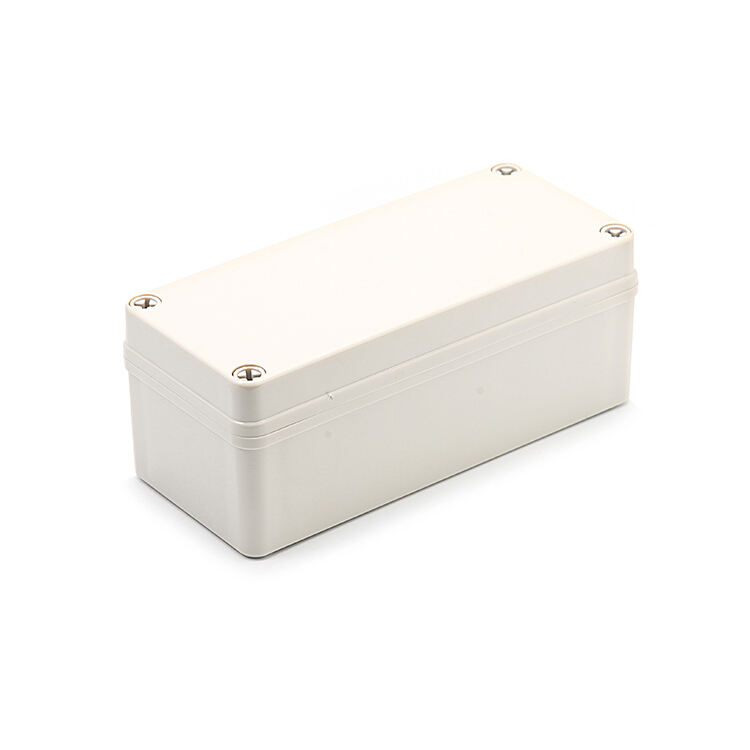
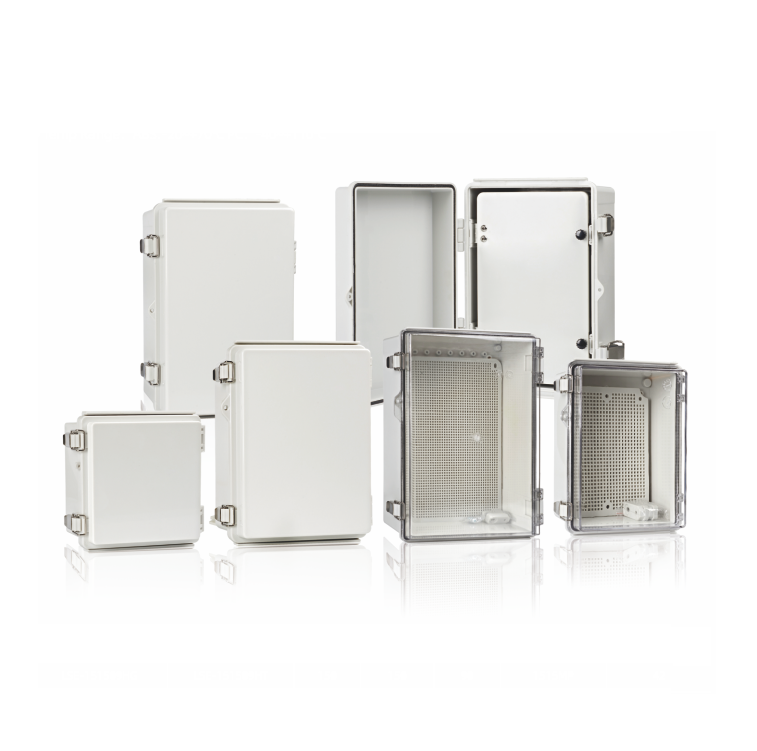
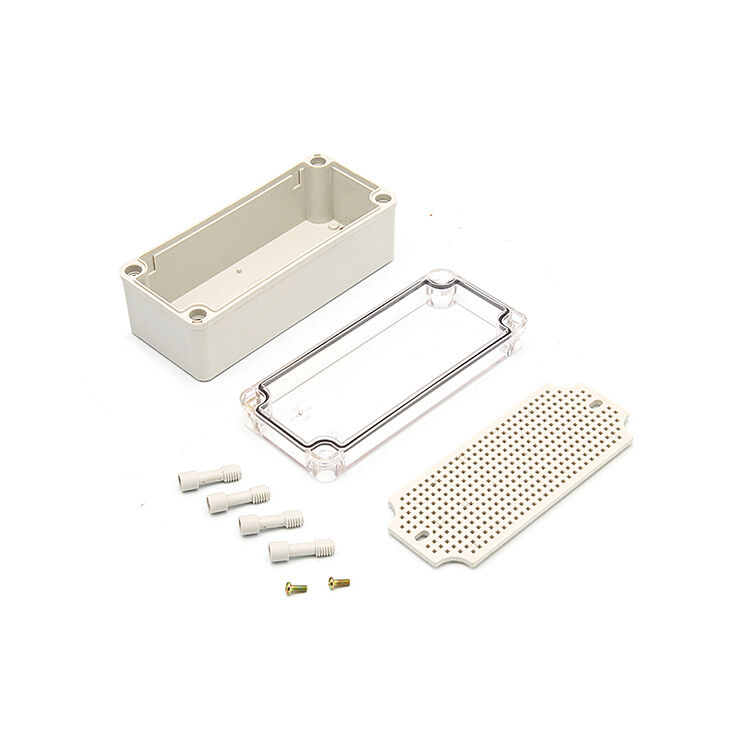
Kotak pelindung plastik industri menunjukkan rintangan luar biasa terhadap bahan kimia keras, keadaan persekitaran, dan agen pembersih agresif yang boleh dengan cepat merosakkan alternatif logam. Keserasian kimia yang luar biasa ini timbul daripada formulasi polimer canggih yang direkabentuk khusus untuk menahan pendedahan kepada asid, alkali, pelarut, minyak, dan larutan pembersih industri tanpa mengalami kemerosotan struktur atau kerosakan permukaan. Berbeza dengan kotak pelindung logam yang memerlukan salutan pelindung mahal yang boleh terkelupas, tergores, atau haus seiring masa, kotak pelindung plastik mengekalkan sifat pelindungnya sepanjang hayat perkhidmatannya. Struktur molekul plastik industri berkualiti mencipta halangan semula jadi terhadap penembusan bahan kimia, memastikan elektronik yang dilindungi kekal selamat walaupun dalam kes tumpahan tidak sengaja atau prosedur pembersihan rutin. Rintangan ini juga meluas kepada faktor persekitaran termasuk sinaran UV, pendedahan ozon, semburan garam, dan keadaan kelembapan ekstrem yang kerap menyebabkan kegagalan awal pada bahan lain. Fasiliti pengilangan yang memproses bahan kimia, farmaseutikal, produk makanan, atau minuman khususnya mendapat manfaat daripada rintangan kimia ini, memandangkan persekitaran tersebut sering memerlukan pembilasan berkala menggunakan larutan pembersih agresif. Ciri-ciri permukaan tak berliang mencegah penyerapan kontaminan, bau, atau sisa pembersih yang boleh menjejaskan piawaian kebersihan yang diperlukan dalam aplikasi sensitif. Ketahanan terhadap kitaran suhu dan kejutan haba memastikan prestasi boleh dipercayai dalam pelbagai keadaan iklim dan persekitaran operasi. Kotak pelindung plastik industri mengekalkan integriti segel pelindung dan kestabilan strukturalnya apabila terdedah kepada perubahan suhu pantas yang boleh menyebabkan alternatif logam mengembang, mengecut, dan berpotensi merosakkan segel gasket. Kestabilan haba ini terbukti penting dalam aplikasi yang melibatkan kitaran pemanasan dan penyejukan, pemasangan luar rumah yang tertakluk kepada variasi suhu musiman, atau proses yang menghasilkan fluktuasi haba yang ketara. Ketidakaktifan kimia bahan plastik menghilangkan risiko kakisan galvanik yang menjadi masalah dalam pemasangan logam bercampur, memberikan kebolehpercayaan jangka panjang tanpa keperluan penyelenggaraan yang berkaitan dengan sistem salutan pelindung.
 EN
EN