 EN
EN

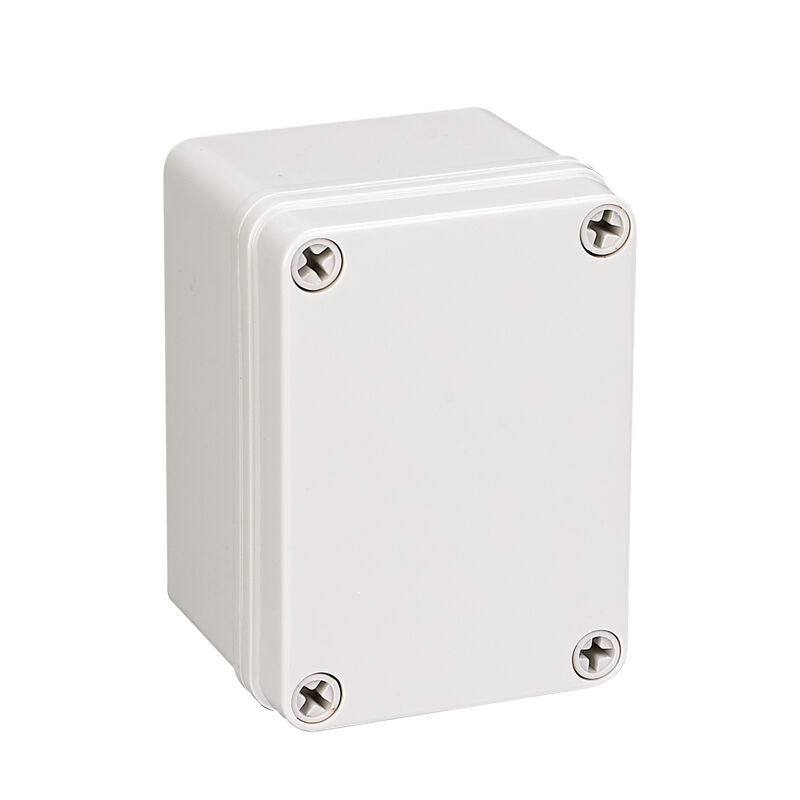
Modern industrial applications demand housing solutions that can withstand harsh environmental conditions while maintaining cost-effectiveness and design flexibility. The durability question surrounding plastic enclosure technology has become increasingly critical as manufacturers seek alternatives to traditional metal housing systems. Recent laboratory testing conducted in 2025 reveals significant advances in polymer science that directly impact the longevity and performance characteristics of contemporary plastic enclosure designs.
Laboratory analysis demonstrates that properly engineered plastic enclosures can achieve durability metrics comparable to traditional housing materials when specific material compositions and manufacturing processes are employed. The 2025 material science breakthroughs show measurable improvements in impact resistance, thermal stability, and chemical compatibility that address historical concerns about plastic enclosure longevity in demanding industrial environments.
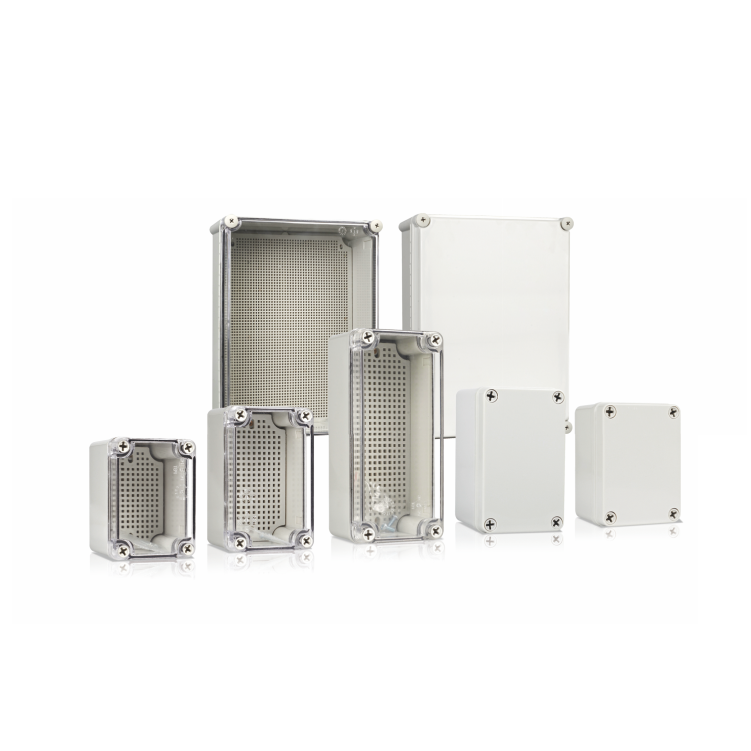
Material Science Advances in Plastic Enclosure Durability
Polymer Composition Improvements
The foundation of plastic enclosure durability lies in advanced polymer formulations that incorporate glass fiber reinforcement, UV stabilizers, and impact modifiers. Current engineering-grade resins used in plastic enclosure manufacturing demonstrate tensile strengths exceeding 8000 psi, representing a 40% improvement over previous generation materials. These formulations specifically address the mechanical stress factors that historically limited plastic enclosure applications in high-vibration industrial environments.
Molecular-level modifications to base polymer chains create enhanced cross-linking structures that improve long-term dimensional stability under thermal cycling conditions. Laboratory testing shows that modern plastic enclosure materials maintain structural integrity through temperature ranges from -40°C to +120°C without experiencing significant warping or stress cracking. This thermal performance directly impacts the practical durability expectations for plastic enclosure installations in outdoor and industrial settings.
Chemical resistance properties have been substantially enhanced through the incorporation of fluoropolymer additives and specialized surface treatments. These modifications allow plastic enclosures to withstand exposure to industrial solvents, cleaning chemicals, and atmospheric pollutants without degradation of mechanical properties or protective capabilities over extended service periods.
Manufacturing Process Optimization
Precision injection molding techniques combined with controlled cooling protocols eliminate internal stress concentrations that previously contributed to premature plastic enclosure failure. Advanced molding parameters ensure uniform wall thickness distribution and optimal fiber orientation, resulting in consistent mechanical properties throughout the enclosure structure. These manufacturing improvements directly translate to enhanced durability performance in real-world applications.
Quality control measures implemented during plastic enclosure production include automated dimensional inspection, density verification, and stress analysis using advanced imaging technologies. These processes identify potential durability issues before products reach end users, ensuring that each plastic enclosure meets specified performance criteria for mechanical strength and environmental resistance.
Surface finishing techniques applied during manufacturing create protective barriers that enhance resistance to UV radiation, moisture penetration, and chemical attack. These specialized coatings integrate with the base polymer structure to provide long-term protection without compromising the inherent design flexibility that makes plastic enclosures attractive for complex geometries and custom applications.
Environmental Resistance Testing Results
Weathering and UV Exposure Analysis
Accelerated weathering tests conducted over 2000-hour cycles demonstrate that contemporary plastic enclosure materials maintain color stability and mechanical properties when exposed to intense UV radiation equivalent to 10 years of outdoor exposure. The testing protocol simulates extreme solar conditions combined with temperature cycling and moisture exposure to evaluate long-term durability characteristics under realistic environmental stress.
Comparative analysis between treated and untreated plastic enclosure samples reveals that UV-stabilized formulations show less than 5% reduction in impact strength after extended exposure testing. This performance level indicates that properly formulated plastic enclosures can maintain protective functionality throughout extended service life in outdoor installations without requiring frequent replacement or maintenance interventions.
Color retention testing shows minimal fading or discoloration in UV-stabilized plastic enclosure materials, maintaining aesthetic appearance and identification markings throughout the exposure period. This characteristic proves particularly important for applications where visual inspection and equipment identification remain critical throughout the service life of the installation.
Chemical Compatibility Assessment
Laboratory evaluation of plastic enclosure resistance to common industrial chemicals reveals excellent compatibility with petroleum products, cleaning solvents, and atmospheric contaminants typically encountered in manufacturing environments. Immersion testing over 1000-hour periods shows no measurable degradation in mechanical properties or dimensional stability when exposed to concentrated salt solutions, hydraulic fluids, and industrial lubricants.
Stress crack resistance testing demonstrates that modern plastic enclosure materials resist environmental stress cracking when exposed to chemical vapors under mechanical load conditions. This performance characteristic addresses concerns about long-term durability in chemical processing facilities and outdoor installations where atmospheric pollutants may concentrate on enclosure surfaces over time.
Temperature-accelerated chemical exposure testing reveals that plastic enclosures maintain protective integrity even when chemical contact occurs at elevated temperatures typical of industrial processing environments. These results indicate that plastic enclosure solutions can provide reliable long-term service in chemically aggressive environments without compromising internal component protection.
Mechanical Performance Under Stress
Impact and Vibration Resistance
Drop test protocols simulating transportation and installation handling demonstrate that reinforced plastic enclosures absorb impact energy more effectively than traditional housing materials, reducing the risk of internal component damage during shipping and installation procedures. Testing shows that properly designed plastic enclosure structures can withstand repeated impacts of 50 joules without cracking or permanent deformation.
Vibration testing using industrial frequency ranges typical of motor-driven equipment reveals that plastic enclosure mounting systems provide excellent vibration dampening characteristics while maintaining secure component retention. The natural dampening properties of engineering plastics contribute to reduced stress transmission to internal electronics compared to rigid metal housing alternatives.
Long-term fatigue testing under cyclic loading conditions shows that plastic enclosure materials resist crack propagation and maintain structural integrity through millions of stress cycles. This performance characteristic proves essential for applications involving rotating machinery or equipment subject to operational vibration throughout extended service periods.
Thermal Cycling Durability
Thermal shock testing between extreme temperature limits demonstrates that modern plastic enclosure designs accommodate thermal expansion and contraction without developing leak paths or structural failures. Testing protocols cycle enclosures through temperature ranges from -40°C to +80°C over 1000 cycles while monitoring seal integrity and dimensional stability.
Heat deflection testing reveals that engineering-grade plastic enclosure materials maintain structural rigidity at elevated temperatures typical of industrial environments. Materials used in contemporary plastic enclosure construction show deflection temperatures above 120°C, ensuring structural integrity even in high-temperature applications or direct sunlight exposure.
Thermal aging studies conducted over extended periods show minimal degradation in mechanical properties when plastic enclosures operate within specified temperature ranges. These results support durability expectations for plastic enclosure installations in temperature-controlled industrial environments where consistent performance over many years of operation is required.
Long-Term Performance Validation
Field Installation Case Studies
Analysis of plastic enclosure installations with 10+ years of service history reveals excellent durability performance in diverse environmental conditions ranging from coastal marine environments to industrial manufacturing facilities. Field inspection data shows that properly specified plastic enclosures maintain protective integrity throughout extended service periods with minimal maintenance requirements.
Failure analysis of returned plastic enclosure samples indicates that durability issues typically result from improper material selection or installation errors rather than inherent material limitations. Proper application engineering ensures that plastic enclosure solutions provide reliable service life comparable to traditional housing alternatives when environmental conditions and mechanical requirements are properly matched to material capabilities.
Performance tracking of plastic enclosure installations in corrosive environments demonstrates superior durability compared to coated metal alternatives, with significantly reduced maintenance costs and replacement frequency. These real-world results validate laboratory testing predictions regarding the long-term reliability of properly engineered plastic enclosure solutions.
Predictive Durability Modeling
Mathematical modeling based on accelerated aging test data provides accurate predictions of plastic enclosure service life under specific environmental conditions. These models consider temperature exposure, UV radiation levels, chemical contact, and mechanical stress factors to establish realistic durability expectations for various application scenarios.
Statistical analysis of failure modes in plastic enclosure applications reveals that material degradation follows predictable patterns that allow for proactive replacement scheduling in critical applications. This predictability supports maintenance planning and lifecycle cost analysis for plastic enclosure installations in industrial environments.
Reliability engineering principles applied to plastic enclosure design demonstrate that proper material selection and application engineering can achieve durability targets exceeding 20 years for many industrial applications. These projections are based on conservative extrapolation from accelerated testing results and field performance validation data.
FAQ
How long can I expect a plastic enclosure to last in outdoor applications?
Properly engineered plastic enclosures with UV-stabilized materials typically provide 15-20 years of reliable service in outdoor environments when properly installed and maintained. The actual service life depends on specific environmental conditions including UV exposure intensity, temperature cycling, and chemical exposure levels. Field data from installations in various climates supports these durability expectations for quality plastic enclosure products.
Do plastic enclosures become brittle over time like older plastic materials?
Modern plastic enclosure materials incorporate advanced stabilizer packages and impact modifiers that prevent the embrittlement issues associated with older plastic formulations. Laboratory aging tests demonstrate that contemporary plastic enclosures maintain impact resistance and flexibility throughout their service life when exposed to typical environmental conditions. The molecular structure modifications in current materials specifically address historical brittleness concerns.
Can plastic enclosures withstand the same mechanical abuse as metal enclosures?
Engineering-grade plastic enclosures demonstrate comparable impact resistance to metal alternatives while providing superior vibration dampening and corrosion resistance. While the failure modes differ between materials, properly designed plastic enclosures meet or exceed the mechanical durability requirements for most industrial applications. Impact testing shows that plastic enclosures often outperform metal alternatives in absorbing shock loads without transmitting damaging forces to internal components.
What factors most significantly affect plastic enclosure durability in industrial environments?
Temperature exposure, chemical contact, UV radiation intensity, and mechanical stress represent the primary factors influencing plastic enclosure durability. Proper material selection based on specific environmental conditions and stress requirements ensures optimal durability performance. Installation quality, mounting methods, and seal maintenance also significantly impact long-term durability in industrial applications where environmental protection is critical.
Table of Contents
- Material Science Advances in Plastic Enclosure Durability
- Environmental Resistance Testing Results
- Mechanical Performance Under Stress
- Long-Term Performance Validation
-
FAQ
- How long can I expect a plastic enclosure to last in outdoor applications?
- Do plastic enclosures become brittle over time like older plastic materials?
- Can plastic enclosures withstand the same mechanical abuse as metal enclosures?
- What factors most significantly affect plastic enclosure durability in industrial environments?