 EN
EN

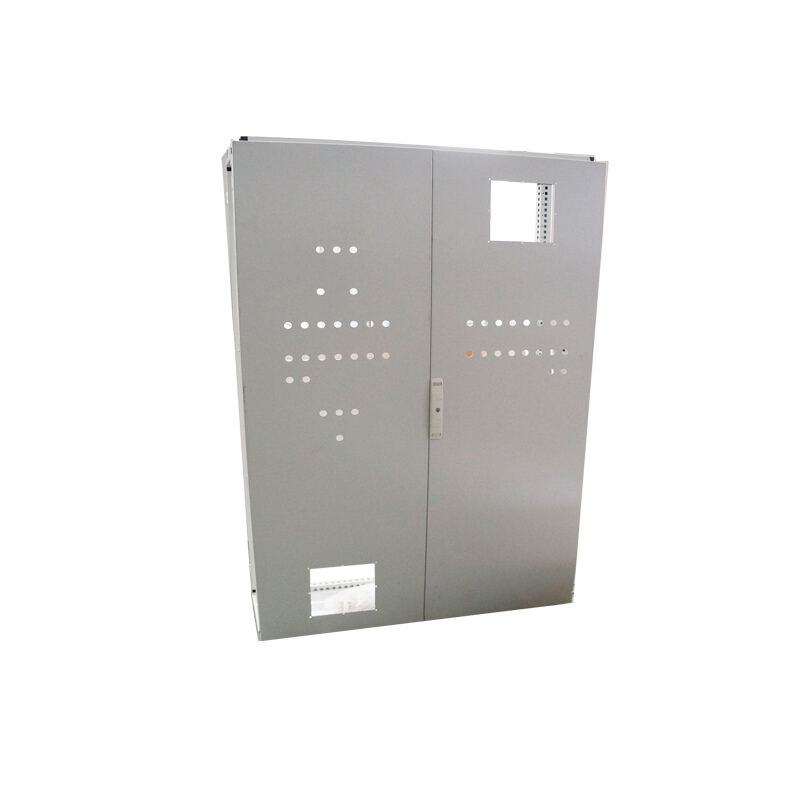
Modular enclosure panel cut-out standards represent the backbone of professional electrical installations, providing precise dimensional specifications that ensure component compatibility and installation efficiency. These standardized measurements eliminate guesswork during panel preparation, reduce manufacturing errors, and streamline the integration of switches, indicators, meters, and control devices into modular enclosure systems across industrial applications.
Understanding and applying proper cut-out standards becomes critical when working with modular enclosure configurations, where precision directly impacts assembly time, component fit, and overall system reliability. Professional electricians and panel builders rely on established dimensional templates to maintain consistency across projects, ensure regulatory compliance, and achieve the tight tolerances required for modern industrial control systems.
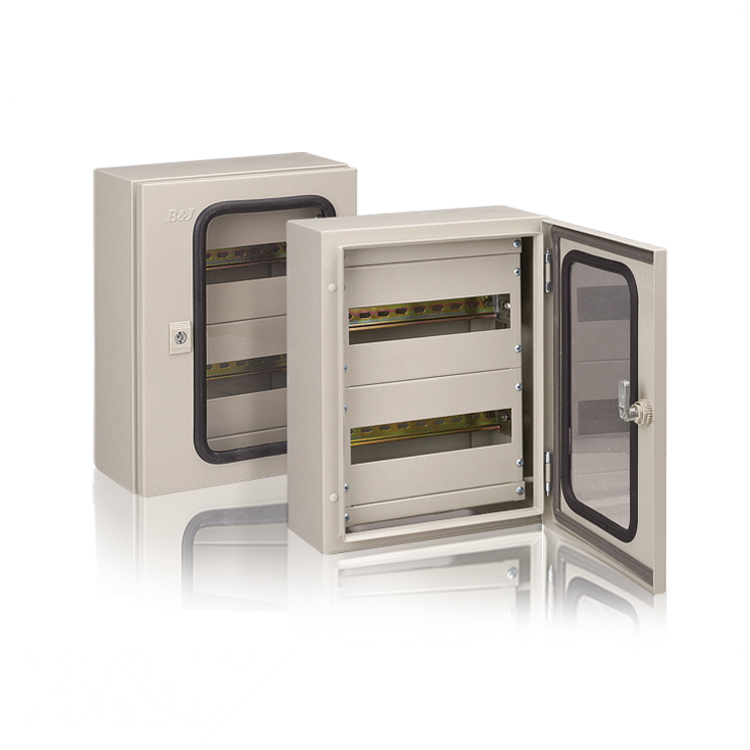
Understanding Modular Enclosure Cut-Out Fundamentals
Standard Dimensional Framework
The modular enclosure cut-out framework follows internationally recognized dimensional standards that accommodate common industrial components. These standards establish rectangular opening sizes ranging from 16mm x 16mm for small indicator lights to 144mm x 144mm for large panel meters and display units. The dimensional grid system ensures that components align properly within the panel structure while maintaining adequate spacing for heat dissipation and maintenance access.
Professional-grade modular enclosure systems utilize a coordinate-based approach for cut-out positioning, where each opening location corresponds to specific grid points on the panel surface. This systematic arrangement prevents overlapping installations and maintains structural integrity throughout the enclosure assembly. The standard framework also accounts for material thickness variations, ensuring that cut-out depths accommodate different panel gauge requirements.
Modern modular enclosure designs incorporate tolerance specifications that address thermal expansion, vibration resistance, and component insertion forces. These tolerance ranges typically fall within ±0.1mm for precision applications, ensuring tight component fit without excessive installation stress. The dimensional framework extends to mounting hole patterns, where standardized spacing prevents misalignment issues during assembly.
Component Integration Requirements
Each component category within a modular enclosure system requires specific cut-out characteristics that support proper function and environmental protection. Push-button switches demand precise circular openings with smooth edges to prevent operator injury and ensure reliable actuation. Pilot lights require openings that accommodate lens assemblies while maintaining IP rating integrity through proper gasket compression.
Digital displays and analog meters integrated into modular enclosure panels need rectangular cut-outs with specific depth clearances for connection terminals and adjustment mechanisms. These openings must provide adequate ventilation space while preventing dust ingress and moisture penetration. The cut-out design also considers cable routing requirements, ensuring that wire management systems align with component placement.
Terminal block installations within modular enclosure assemblies require standardized mounting rail cut-outs that support DIN rail systems and custom mounting brackets. These openings incorporate precise width dimensions that accommodate various terminal block sizes while maintaining proper electrical clearances. The integration requirements also address grounding considerations, where cut-out edges must maintain electrical continuity with the enclosure frame.
Industry Standard Cut-Out Specifications
International Compliance Standards
International standards organizations have established comprehensive specifications for modular enclosure cut-out dimensions, ensuring global compatibility and safety compliance. The IEC 61439 standard defines panel cut-out requirements for low-voltage switchgear assemblies, specifying minimum clearances, edge finishing requirements, and dimensional tolerances. These specifications address both functional performance and electrical safety considerations across different operating environments.
NEMA standards complement international specifications by providing additional requirements for North American installations, particularly regarding environmental protection ratings and component accessibility. The NEMA 250 standard establishes cut-out sealing requirements that maintain enclosure integrity under various weather conditions and industrial atmospheres. These standards also specify testing procedures that validate cut-out performance under thermal cycling and vibration stress.
European EN standards contribute additional specifications for modular enclosure applications in industrial automation systems, establishing cut-out requirements that support fieldbus communication devices and safety monitoring equipment. These standards address electromagnetic compatibility considerations, requiring cut-out designs that minimize electrical interference between adjacent components. The compliance framework ensures that modular enclosure installations meet regional safety and performance requirements.
Material-Specific Cutting Guidelines
Different modular enclosure materials require specialized cutting approaches to achieve specified cut-out dimensions and edge quality. Stainless steel enclosures demand cutting techniques that prevent work hardening and maintain corrosion resistance along cut edges. The cutting process must avoid heat-affected zones that could compromise material integrity or create galvanic corrosion sites when dissimilar metals contact the cut surface.
Aluminum modular enclosure panels require cutting methods that prevent burr formation and maintain dimensional accuracy throughout the cutting process. The material's thermal conductivity affects cutting tool selection and feed rates, requiring specific parameters to achieve clean edges without material distortion. Post-cutting deburring procedures ensure that component installations proceed smoothly without interference from rough edges or material projections.
Composite and fiberglass modular enclosure materials present unique cutting challenges that affect cut-out quality and dimensional stability. These materials require specialized cutting tools that prevent delamination and fiber pull-out along cut edges. The cutting process must also consider the material's anisotropic properties, adjusting cutting parameters to maintain consistent dimensions across different fiber orientations within the panel structure.
Template Design and Application Methods
Digital Template Development
Modern modular enclosure template systems utilize computer-aided design software to create precise cut-out patterns that integrate with manufacturing workflows. These digital templates incorporate parametric design features that automatically adjust dimensions based on component specifications and panel thickness requirements. The template development process includes validation routines that check for dimensional conflicts and ensure compliance with applicable standards.
Digital template libraries maintain comprehensive databases of standard cut-out patterns for common modular enclosure applications, reducing design time and eliminating dimensional errors. These libraries include component-specific templates that account for manufacturer variations and mounting hardware requirements. The template system also supports custom modifications that address unique installation requirements while maintaining compatibility with standard components.
Integration capabilities within digital template systems allow direct export to CNC cutting equipment and laser processing systems, ensuring that designed dimensions translate accurately to finished cut-outs. The digital workflow includes quality control features that verify cut-out placement and dimensional accuracy before material processing begins. This integration eliminates manual measurement errors and reduces waste material from incorrect cut-out positioning.
Physical Template Construction
Physical templates for modular enclosure cut-out operations provide reliable dimensional references for manual cutting processes and field modifications. These templates utilize durable materials such as hardened steel or precision-machined aluminum that maintain dimensional stability under repeated use. The template construction includes registration features that ensure proper alignment with panel edges and existing cut-outs during application.
Template marking systems incorporate clear dimensional indicators and component identification codes that prevent confusion during complex panel assemblies. The marking approach uses permanent engraving or laser etching that remains legible throughout the template's service life. Multiple size variations within template sets accommodate different modular enclosure configurations while maintaining consistent dimensional references.
Storage and organization systems for physical templates ensure availability and prevent damage during handling and transport. Template storage solutions include protective cases with foam inserts that prevent scratching and dimensional distortion. The organization system uses logical numbering schemes that correspond to component catalogs and installation documentation, streamlining template selection during project execution.
Quality Control and Dimensional Verification
Measurement Precision Standards
Achieving consistent quality in modular enclosure cut-out operations requires precise measurement techniques that verify dimensional accuracy throughout the cutting process. Professional-grade measuring instruments, including digital calipers and coordinate measuring machines, provide the accuracy levels necessary for modern component integration requirements. These instruments must maintain calibration certificates that demonstrate traceability to national measurement standards.
Measurement procedures for modular enclosure cut-outs incorporate statistical process control methods that identify dimensional trends and prevent out-of-specification conditions. The measurement protocol includes multiple checkpoint inspections that verify cut-out dimensions at various stages of the manufacturing process. This systematic approach ensures that dimensional errors are detected early, reducing scrap material and rework costs.
Environmental factors affecting measurement precision require controlled conditions during dimensional verification activities. Temperature variations, humidity levels, and vibration sources can influence measurement accuracy, particularly when working with materials that exhibit significant thermal expansion coefficients. The measurement environment should maintain stable conditions that support repeatable results across different operators and time periods.
Edge Quality Assessment
Edge quality evaluation for modular enclosure cut-outs encompasses surface roughness, burr presence, and dimensional perpendicularity measurements that affect component fit and sealing performance. Surface roughness standards specify maximum allowable texture values that ensure proper gasket compression and environmental seal integrity. These standards vary based on the intended application environment and required protection rating.
Burr measurement techniques utilize specialized gauges and microscopic inspection methods to verify that cut edges meet specified smoothness requirements. Excessive burr presence can interfere with component installation and create safety hazards for assembly personnel. The assessment protocol includes visual inspection criteria and tactile testing procedures that identify unacceptable edge conditions.
Perpendicularity verification ensures that cut-out edges maintain proper angular relationships with panel surfaces, supporting accurate component alignment and secure mounting. This verification process uses precision angle measurement tools and inspection fixtures that detect angular deviations beyond specified tolerances. Proper perpendicularity becomes critical for modular enclosure applications where component stacking or tight clearances are required.
FAQ
What are the most common cut-out sizes for modular enclosure panels?
The most frequently used cut-out sizes for modular enclosure applications include 22mm diameter for standard push-buttons and pilot lights, 30mm x 30mm square openings for larger switches and displays, and 48mm x 48mm rectangular cuts for panel meters and digital displays. These standard sizes accommodate approximately 80% of common industrial components used in control panel assemblies.
How do I ensure my cut-outs meet international safety standards?
Meeting international safety standards requires following IEC 61439 specifications for dimensional tolerances, maintaining minimum clearances between adjacent cut-outs, and ensuring proper edge finishing to prevent injury and maintain IP ratings. Documentation should include dimensional verification records and compliance certificates from accredited testing laboratories that demonstrate adherence to applicable standards.
Can I modify existing templates for custom component requirements?
Yes, existing templates can be modified to accommodate custom components, but modifications must maintain structural integrity and electrical clearance requirements specified in relevant standards. Custom modifications should include engineering review to verify that changes don't compromise the modular enclosure's performance or safety characteristics, and updated documentation should reflect the modified specifications.
What cutting tools work best for different modular enclosure materials?
Cutting tool selection depends on material type: carbide-tipped tools for stainless steel, high-speed steel for aluminum, and diamond-coated tools for composite materials. Laser cutting provides excellent edge quality for most materials, while waterjet cutting offers superior precision for thick sections. Tool selection should also consider production volume, dimensional tolerance requirements, and edge quality specifications for the specific application.