 EN
EN

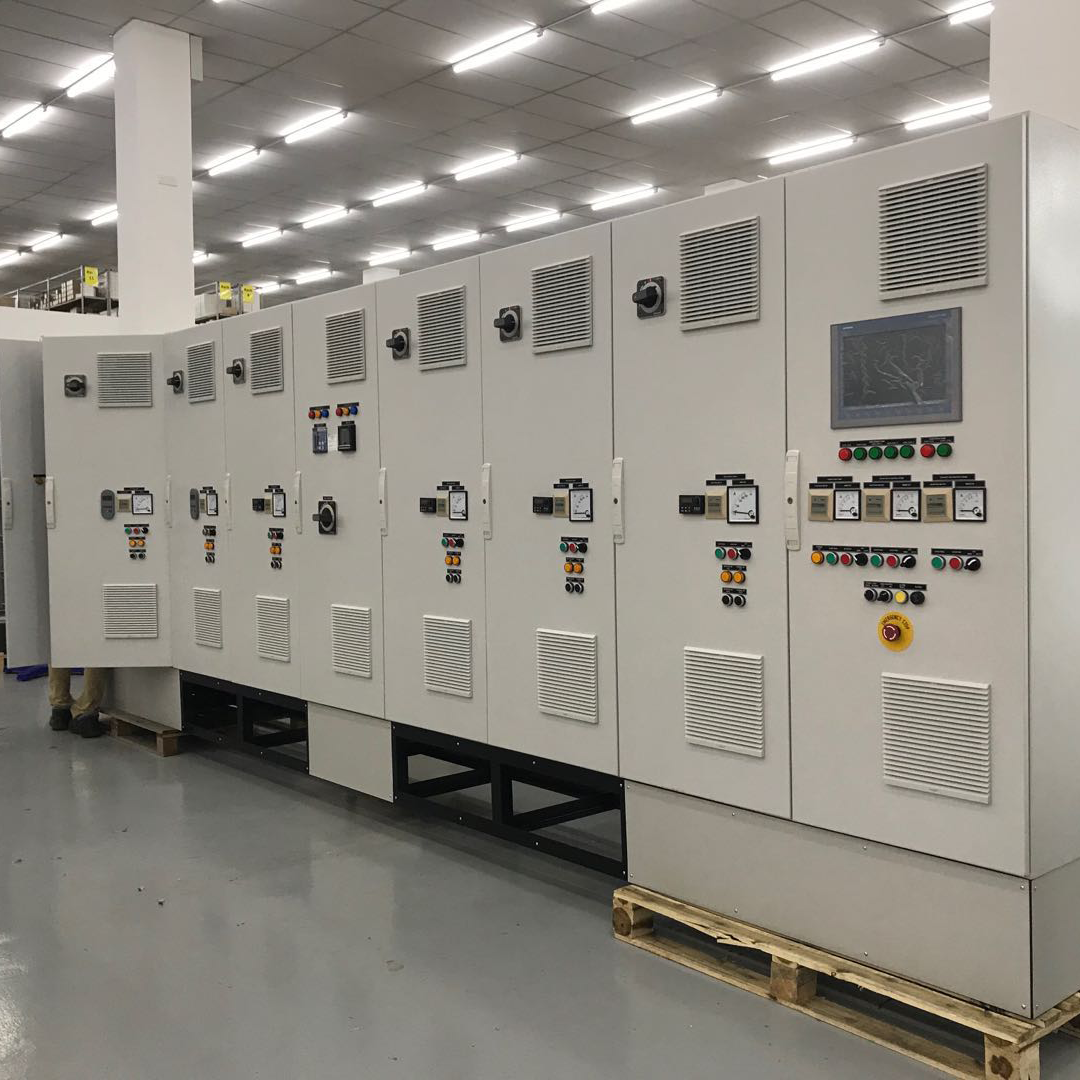
Electrical installations form the backbone of modern infrastructure, yet code violations remain one of the leading causes of electrical fires and safety hazards in residential and commercial buildings. Understanding proper electrical box installation and maintenance is crucial for electricians, contractors, and property owners who want to ensure compliance with national electrical codes while maintaining the highest safety standards. These violations often stem from improper installation techniques, inadequate planning, or simply overlooking critical safety requirements that govern electrical work.

Understanding Electrical Box Code Requirements
National Electrical Code Standards
The National Electrical Code serves as the foundation for all electrical installations across the United States, establishing minimum safety standards that protect both property and human life. These comprehensive guidelines cover every aspect of electrical box installation, from proper sizing and placement to grounding requirements and accessibility standards. Professional electricians must stay current with NEC updates, as these codes evolve regularly to address new technologies and safety concerns that emerge in the electrical industry.
Compliance with NEC standards ensures that electrical systems operate safely under normal conditions while providing adequate protection during fault situations. The code addresses specific requirements for different types of electrical boxes, including junction boxes, outlet boxes, and switch boxes, each serving distinct purposes within electrical systems. Understanding these distinctions helps prevent common mistakes that lead to code violations and potential safety hazards.
Local Code Variations
While the NEC provides national standards, local municipalities often adopt additional requirements that exceed federal minimums to address specific regional concerns. These local amendments might include stricter requirements for seismic zones, hurricane-prone areas, or regions with unique geological conditions that affect electrical installations. Electrical contractors must research and understand these local variations before beginning any project to ensure complete compliance.
Local codes may also specify different inspection requirements, permit procedures, and qualification standards for electrical work. Some jurisdictions require additional certifications or continuing education for electricians working within their boundaries. Staying informed about local code variations prevents costly delays and ensures that electrical installations meet all applicable standards from the project's inception.
Most Common Electrical Box Violations
Improper Box Fill Calculations
Box fill violations represent one of the most frequent code infractions encountered during electrical inspections, often resulting from inadequate planning or misunderstanding of conductor volume requirements. The NEC specifies exact volume calculations for different wire gauges, devices, and fittings that occupy space within an electrical box. These calculations ensure adequate space for safe wire connections while preventing overcrowding that could lead to overheating or connection failures.
Proper box fill calculations must account for all conductors entering the box, including hot wires, neutrals, grounds, and equipment grounding conductors. Each conductor size requires specific volume allowances, and additional deductions apply for devices like switches, receptacles, and wire nuts. Exceeding these limits creates dangerous conditions where wires become compressed, increasing resistance and heat generation that can cause fires.
Inadequate Support and Mounting
Electrical boxes must be securely supported according to code requirements that specify mounting methods based on box type, location, and intended use. Ceiling-mounted boxes require additional support when they will support lighting fixtures or ceiling fans, while wall-mounted boxes need proper attachment to structural members. These requirements prevent boxes from loosening over time, which could create dangerous conditions where live wires become exposed.
Support violations often occur when contractors use inadequate fasteners, fail to locate structural members properly, or attempt to support heavy fixtures with standard outlet boxes not designed for such loads. The code specifies different support requirements for different applications, and using the wrong mounting method can result in failed inspections and safety hazards. Proper planning during the rough-in phase prevents these issues by ensuring appropriate box selection and mounting hardware.
Grounding and Bonding Violations
Missing Equipment Grounding
Equipment grounding violations pose serious safety risks because they eliminate the protective path that safely conducts fault currents back to the electrical source. Every electrical box must have proper grounding connections that create a continuous path from the box through the electrical system to the main panel ground. This grounding system protects users from electrical shock by providing a low-resistance path for fault currents that would otherwise energize metal components.
Common grounding violations include missing grounding pigtails, improper grounding screw installation, and failure to bond metal boxes to the equipment grounding system. These oversights create dangerous conditions where electrical faults cannot clear properly, leaving metal components energized at dangerous voltages. Proper grounding requires attention to detail during installation and regular verification during maintenance activities.
Improper Bonding Connections
Bonding ensures that all metal components within an electrical system remain at the same electrical potential, preventing dangerous voltage differences that could cause shock or electrocution. Electrical boxes must be properly bonded to conduit systems, cable armor, and other metallic components to maintain this equipotential system. The NEC specifies exact requirements for bonding connections, including acceptable methods and hardware specifications.
Bonding violations often result from using inappropriate hardware, failing to make proper mechanical connections, or omitting required bonding jumpers around joints or fittings. These violations compromise the electrical system's safety by creating high-resistance paths that prevent proper fault clearing. Regular inspection and testing help identify bonding problems before they create dangerous situations.
Installation and Placement Errors
Incorrect Box Depth and Positioning
Electrical box depth and positioning directly affect both safety and functionality, with specific code requirements governing how boxes must be installed relative to finished surfaces. Boxes installed too deep create gaps around device faces that expose live parts, while boxes installed too shallow prevent proper device mounting and create fire hazards. The code requires that box edges be flush with combustible surfaces and not recessed more than specified distances in non-combustible surfaces.
Positioning errors also include improper height placement, inadequate clearances from other building components, and failure to maintain required distances from plumbing or HVAC equipment. These violations can make electrical components inaccessible for maintenance or create dangerous situations where electrical and other building systems interfere with each other. Careful planning and measurement during installation prevent these costly mistakes.
Accessibility and Clearance Issues
The electrical code mandates specific clearances around electrical equipment to ensure safe operation and maintenance access. These clearances vary depending on voltage levels, equipment types, and installation locations, but they all serve the same purpose of protecting workers and users from electrical hazards. Electrical boxes must remain accessible for inspection, maintenance, and repair throughout the building's lifetime.
Common accessibility violations include installing boxes behind permanent fixtures, failing to maintain required working space, and positioning boxes where they become difficult to reach or operate safely. These violations create dangerous situations during maintenance and may prevent proper system operation during emergencies. Planning electrical layouts with accessibility in mind prevents these issues and ensures long-term system maintainability.
Prevention Strategies and Best Practices
Proper Planning and Design
Effective electrical planning begins with comprehensive system design that considers all code requirements, load calculations, and future expansion needs. This planning phase should include detailed box schedules that specify box types, sizes, and mounting requirements for each location. Proper planning prevents field changes that often lead to code violations and ensures that all materials and hardware are available when needed.
Design documentation should include electrical box layouts, grounding schemes, and support details that guide installation crews and inspection personnel. Clear documentation reduces misunderstandings and helps identify potential problems before they occur in the field. Regular design reviews with experienced electricians and code officials can catch issues early when they are less expensive to correct.
Quality Installation Techniques
Professional installation techniques ensure that electrical systems meet code requirements while providing reliable long-term service. These techniques include proper tool use, appropriate fastener selection, and careful attention to manufacturer installation instructions. Quality workmanship reduces the likelihood of code violations and creates electrical systems that operate safely and efficiently throughout their service life.
Installation quality depends on proper training, adequate supervision, and commitment to following established procedures. Regular training updates help installation crews stay current with code changes and new technologies that affect electrical work. Quality control procedures, including self-inspection checklists and peer reviews, help identify and correct problems before formal inspections.
Inspection and Compliance Verification
Self-Inspection Procedures
Systematic self-inspection procedures help identify potential code violations before official inspections, reducing delays and costly corrections. These procedures should include comprehensive checklists that cover all major code requirements, from proper box installation to grounding and bonding verification. Regular self-inspections throughout the installation process catch problems early when they are easier and less expensive to correct.
Effective self-inspection requires understanding of code requirements, attention to detail, and commitment to quality workmanship. Inspection checklists should be customized for different project types and updated regularly to reflect code changes. Documentation of self-inspection activities provides valuable records that demonstrate compliance efforts and help identify recurring problems.
Professional Inspection Strategies
Professional electrical inspections serve as the final verification that installations meet all applicable codes and safety standards. These inspections typically occur at multiple project phases, including rough-in, trim-out, and final stages. Understanding inspection procedures and requirements helps contractors prepare properly and ensures smooth project completion without delays or violations.
Building positive relationships with electrical inspectors through professional communication and quality work leads to more efficient inspection processes. Inspectors can provide valuable guidance on code interpretation and local requirements that help prevent future violations. Regular communication with inspection departments keeps contractors informed about procedure changes and enforcement priorities.
FAQ
What are the most serious electrical box code violations
The most serious electrical box violations involve safety issues that create immediate hazards, including improper grounding, overcrowded boxes, and inadequate support systems. These violations can lead to electrical fires, shock hazards, and equipment failures that endanger building occupants. Missing or improper grounding connections represent particularly dangerous violations because they eliminate crucial safety protections. Box overfill violations create overheating risks that can ignite surrounding materials, while improper support can cause boxes to fail and expose live electrical parts.
How can I calculate proper electrical box fill requirements
Electrical box fill calculations require adding the volumes of all conductors, devices, and fittings within the box according to NEC tables that specify volume allowances for different components. Each conductor entering the box counts toward fill calculations based on its wire gauge, with larger conductors requiring more volume allowance. Devices like switches and receptacles have specific volume deductions, and wire nuts or other connectors also count toward total fill. The total calculated volume must not exceed the box's listed capacity to ensure safe installation and prevent overheating.
What clearances are required around electrical boxes
Electrical box clearance requirements depend on voltage levels and installation locations, but generally require sufficient space for safe operation and maintenance access. Standard residential installations typically require at least 30 inches of clear working space in front of electrical panels and 36 inches for higher voltage equipment. Boxes must also maintain specified distances from plumbing fixtures, gas lines, and other building systems to prevent dangerous interactions. Ceiling clearances vary based on installation type, with some applications requiring additional height clearances for safe operation.
How often should electrical boxes be inspected for code compliance
Electrical boxes should undergo initial inspection during installation and periodic maintenance inspections throughout their service life to ensure continued code compliance and safe operation. New installations typically require inspection at rough-in and final stages, with additional inspections if modifications are made. Existing installations benefit from professional inspections every few years or when electrical problems occur, as code requirements and safety standards evolve over time. Regular maintenance inspections help identify developing problems before they create safety hazards or code violations.