 EN
EN

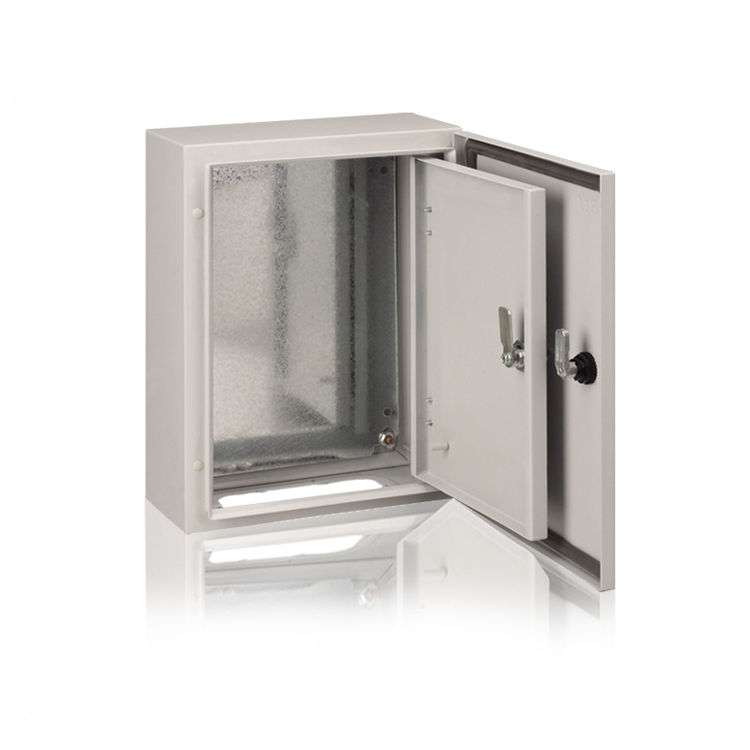
Industrial power systems form the backbone of modern manufacturing, processing, and production facilities worldwide. These complex networks require sophisticated protection and organization to ensure safe, reliable operation under demanding conditions. At the heart of every robust industrial power system lies a critical component that often goes unnoticed yet performs an indispensable role in maintaining operational integrity. The electrical cabinet serves as both guardian and organizer, housing sensitive equipment while providing essential protection against environmental hazards and electrical faults that could compromise entire production lines.
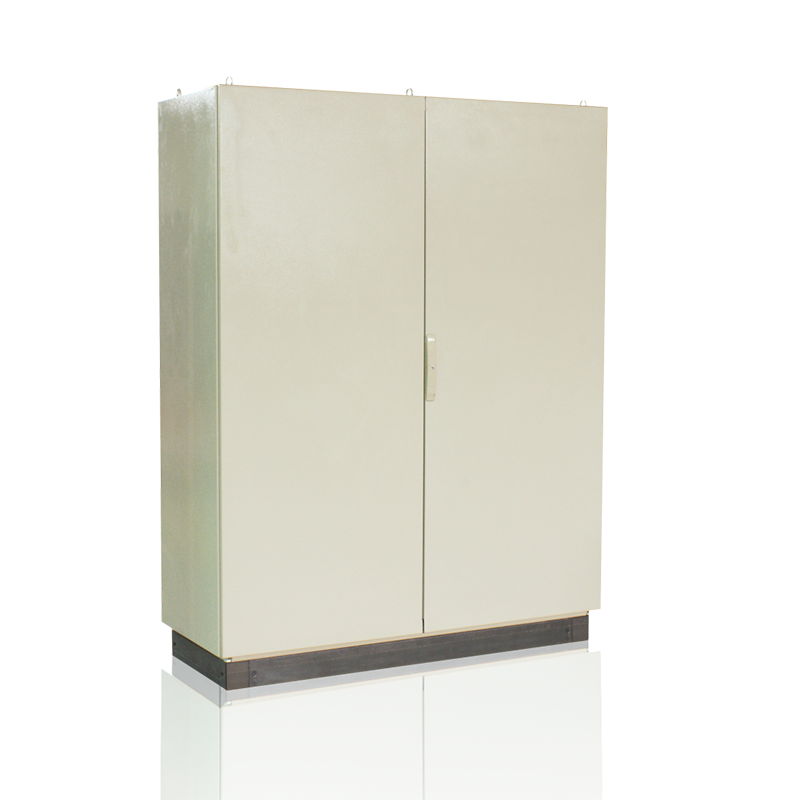
The significance of proper electrical enclosure systems extends far beyond simple housing requirements. Modern industrial facilities depend on continuous power delivery to maintain productivity, meet production deadlines, and ensure worker safety. When electrical systems fail due to inadequate protection or poor organization, the consequences can be devastating, ranging from costly downtime to safety incidents that threaten both personnel and equipment. Understanding why electrical cabinets represent such a crucial investment requires examining their multifaceted role in protecting, organizing, and optimizing industrial power infrastructure.
Essential Protection Functions in Industrial Environments
Environmental Hazard Mitigation
Industrial facilities present numerous environmental challenges that can compromise electrical systems without proper protection. Dust, moisture, corrosive chemicals, and temperature fluctuations pose constant threats to sensitive electrical components. An electrical cabinet provides a sealed barrier that prevents these contaminants from reaching critical equipment, ensuring consistent performance and extending component lifespan significantly. The enclosure's protective properties become particularly important in harsh industrial settings where exposure to elements could result in catastrophic system failures.
Advanced sealing technologies incorporated into modern electrical cabinets create multiple lines of defense against environmental intrusion. Gasket systems, weatherproofing materials, and specialized coatings work together to maintain optimal internal conditions regardless of external environmental pressures. This protection proves especially valuable in outdoor installations, coastal facilities with salt exposure, or chemical processing plants where corrosive atmospheres threaten unprotected equipment.
Electromagnetic Interference Shielding
Electromagnetic interference represents a significant concern in industrial environments where multiple high-powered electrical systems operate simultaneously. Radio frequency emissions, magnetic fields, and electrical noise can disrupt sensitive control systems, leading to erratic behavior or complete system failures. Properly designed electrical cabinets incorporate electromagnetic shielding materials that create a protective barrier against these invisible threats, ensuring reliable signal transmission and preventing interference-related malfunctions.
The shielding effectiveness of an electrical cabinet depends on careful material selection and construction techniques. Conductive gaskets, continuous metal pathways, and proper grounding systems work together to create a comprehensive electromagnetic barrier. This protection becomes increasingly important as industrial facilities adopt more sophisticated automation systems that rely on precise signal integrity for optimal performance.
Safety and Compliance Considerations
Personnel Protection Standards
Worker safety represents the paramount concern in any industrial facility, and electrical cabinets play a vital role in preventing dangerous exposure to live electrical components. Properly installed enclosures create physical barriers that prevent accidental contact with energized parts while providing controlled access for authorized maintenance personnel. The design and installation of these protective systems must comply with strict safety standards that govern electrical installations in industrial environments.
Modern safety regulations require electrical cabinets to meet specific ingress protection ratings that define their ability to exclude foreign objects and moisture. These standards ensure that enclosures provide adequate protection for both equipment and personnel under various operating conditions. Compliance with these regulations not only protects workers but also shields facility operators from liability concerns related to electrical safety incidents.
Arc Flash Protection
Arc flash incidents represent one of the most serious electrical hazards in industrial environments, capable of causing severe injuries and significant equipment damage. An electrical cabinet designed with arc flash considerations incorporates specialized features that contain and redirect the explosive energy released during electrical faults. These protective measures include reinforced construction, pressure relief systems, and arc-resistant materials that prevent catastrophic failures from propagating beyond the enclosure.
The implementation of arc flash protection requires careful engineering analysis to determine appropriate safety measures for specific applications. Factors such as fault current levels, clearing times, and equipment ratings influence the selection of protective features. Properly designed electrical cabinets can significantly reduce arc flash incident energy levels, creating safer working conditions for maintenance personnel and reducing the severity of potential accidents.
Organizational and Maintenance Benefits
Systematic Equipment Organization
Efficient organization of electrical components within industrial power systems directly impacts maintenance efficiency and system reliability. Electrical cabinets provide structured environments where components can be logically arranged, clearly labeled, and easily accessed when service requirements arise. This organizational framework reduces troubleshooting time, minimizes the risk of maintenance errors, and facilitates rapid component replacement during emergency situations.
Strategic component placement within electrical cabinets considers factors such as heat generation, service frequency, and functional relationships between different systems. Proper organization allows maintenance technicians to quickly locate specific components, understand system architecture, and perform necessary repairs with minimal disruption to ongoing operations. This efficiency translates directly into reduced downtime and improved overall system availability.
Simplified Maintenance Procedures
Regular maintenance represents a critical requirement for reliable industrial power system operation, and electrical cabinets significantly simplify these essential activities. Centralized component housing allows maintenance teams to perform comprehensive system checks from single locations rather than searching throughout sprawling industrial facilities. Access panels, removable covers, and service-friendly designs enable efficient maintenance procedures that minimize system interruption time.
Preventive maintenance programs benefit substantially from well-designed electrical cabinet installations. Standardized enclosure designs allow maintenance teams to develop consistent procedures that can be applied across multiple installations, improving efficiency and reducing the likelihood of maintenance-related errors. Documentation systems integrated into cabinet designs provide essential information for troubleshooting and component replacement activities.
Power System Integration and Performance
Load Distribution Management
Effective power distribution requires careful management of electrical loads to prevent overloading and ensure optimal system performance. Electrical cabinets serve as centralized distribution points where incoming power can be divided among various facility loads according to specific requirements and priorities. This centralized approach enables sophisticated load management strategies that optimize energy utilization while maintaining system stability under varying demand conditions.
Advanced electrical cabinet designs incorporate intelligent switching systems, monitoring equipment, and control interfaces that enable real-time load management. These capabilities allow facility operators to respond quickly to changing power demands, redistribute loads during peak periods, and implement energy conservation measures that reduce operational costs while maintaining production requirements.
System Monitoring and Control
Modern industrial power systems require continuous monitoring to detect developing problems before they result in system failures or safety incidents. Electrical cabinets provide ideal mounting locations for monitoring equipment, control interfaces, and communication systems that enable comprehensive system oversight. Integration of these monitoring capabilities into centralized enclosures facilitates operator access while protecting sensitive equipment from environmental hazards.
Remote monitoring capabilities integrated into electrical cabinet installations enable facility managers to track system performance from central control rooms or even off-site locations. This connectivity allows for proactive maintenance scheduling, rapid response to developing problems, and optimization of system performance based on real-time operational data. The result is improved system reliability and reduced operational costs through predictive maintenance strategies.
Economic Impact and Return on Investment
Downtime Prevention Value
The economic value of electrical cabinets becomes most apparent when considering the costs associated with unplanned production downtime. Industrial facilities typically experience significant financial losses during power system failures, including lost production, emergency repair costs, and potential equipment damage. Proper electrical cabinet installation represents a relatively small investment compared to the potential costs of system failures that could have been prevented through adequate protection and organization.
Statistical analysis of industrial power system failures consistently demonstrates that facilities with comprehensive electrical cabinet protection experience significantly fewer unplanned outages and shorter recovery times when problems do occur. This improved reliability translates directly into higher production availability, reduced maintenance costs, and improved profitability over the long term.
Long-term Equipment Protection
Industrial electrical equipment represents substantial capital investments that require protection to achieve expected service life and performance levels. Electrical cabinets extend equipment lifespan by maintaining optimal operating conditions, preventing environmental damage, and reducing wear caused by contamination or improper operating conditions. The protective value provided by quality enclosures often exceeds their initial cost through extended equipment life and reduced replacement frequency.
Properly maintained electrical equipment housed within appropriate cabinets typically operates closer to design specifications throughout its service life, delivering more consistent performance and higher efficiency. This improved performance contributes to reduced energy consumption, lower maintenance requirements, and better overall return on equipment investments.
FAQ
What are the most important factors to consider when selecting an electrical cabinet for industrial applications
The selection of an appropriate electrical cabinet requires careful evaluation of environmental conditions, equipment requirements, and safety considerations specific to each application. Key factors include ingress protection ratings that match environmental exposure levels, adequate size and configuration for housed equipment, proper material selection for corrosion resistance, and compliance with relevant safety standards. Additionally, consider future expansion needs, maintenance access requirements, and integration with existing facility infrastructure to ensure optimal long-term performance.
How do electrical cabinets contribute to overall facility energy efficiency
Electrical cabinets improve facility energy efficiency through several mechanisms including optimized equipment protection that maintains peak performance levels, centralized power distribution that reduces transmission losses, and integration of monitoring systems that enable energy management strategies. Protected equipment operates more efficiently throughout its service life, while centralized distribution systems minimize power losses associated with long cable runs. Advanced cabinet designs also facilitate integration of power factor correction equipment and energy monitoring systems that identify optimization opportunities.
What maintenance procedures are typically required for electrical cabinet installations
Regular maintenance procedures for electrical cabinets include periodic cleaning of internal components, inspection and replacement of seals and gaskets, verification of proper ventilation system operation, and testing of safety systems such as door interlocks. Additionally, maintenance programs should include thermal imaging inspections to identify developing hot spots, tightening of electrical connections, and verification of proper grounding systems. Documentation of maintenance activities helps track equipment condition and plan future service requirements effectively.
How do electrical cabinet designs address different industrial environment challenges
Modern electrical cabinet designs incorporate various features to address specific environmental challenges commonly encountered in industrial settings. Corrosive environments require specialized coatings and materials resistant to chemical attack, while dusty conditions necessitate enhanced sealing systems and positive pressure ventilation. High-temperature applications benefit from thermal management systems including heat exchangers or air conditioning units, while outdoor installations require weatherproof construction and UV-resistant materials. Each application requires careful analysis to select appropriate protective features and ensure long-term reliability.
Table of Contents
- Essential Protection Functions in Industrial Environments
- Safety and Compliance Considerations
- Organizational and Maintenance Benefits
- Power System Integration and Performance
- Economic Impact and Return on Investment
-
FAQ
- What are the most important factors to consider when selecting an electrical cabinet for industrial applications
- How do electrical cabinets contribute to overall facility energy efficiency
- What maintenance procedures are typically required for electrical cabinet installations
- How do electrical cabinet designs address different industrial environment challenges