 EN
EN


Installing an electrical box is a fundamental skill every homeowner and DIY enthusiast should master. Whether you're adding new outlets, switches, or junction points, understanding how to properly install an electrical box ensures safe and code-compliant electrical work. This comprehensive guide will walk you through the entire process, from selecting the right type of electrical box to completing the installation with professional-grade results. Safety is paramount when working with electrical systems, so we'll emphasize proper precautions and best practices throughout this tutorial.
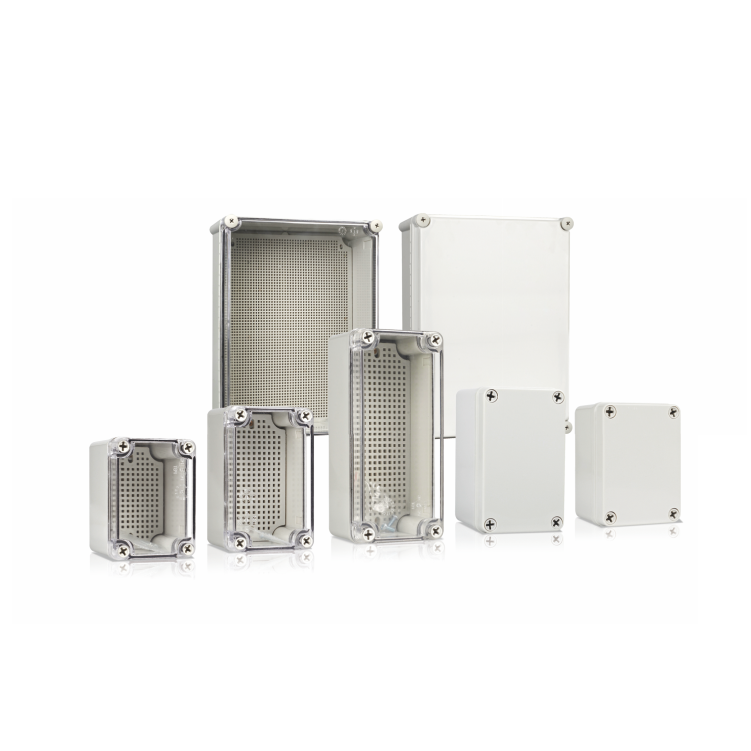
Understanding Electrical Box Types and Applications
Standard Electrical Box Categories
Electrical boxes come in various configurations designed for specific applications and installation requirements. Single-gang boxes accommodate one device such as a standard outlet or switch, while double-gang and larger boxes house multiple devices. The depth of an electrical box determines its wire capacity and compatibility with different device types. Standard depths range from 1.5 inches for basic applications to 3.5 inches for more complex installations requiring additional wire connections.
Material composition significantly impacts the electrical box's durability and application suitability. Metal boxes offer superior strength and grounding capabilities, making them ideal for heavy-duty applications and older wiring systems. Plastic boxes provide excellent insulation properties and resist corrosion, particularly in moisture-prone environments. Fiberglass boxes combine the benefits of both materials, offering exceptional durability while maintaining electrical insulation properties.
Specialized Box Configurations
Junction boxes serve as connection points where multiple electrical circuits meet, requiring larger internal volumes to accommodate wire nuts and connections safely. These boxes must be accessible after installation and cannot be concealed behind finished surfaces. Weatherproof electrical boxes feature gaskets and sealed designs for outdoor applications, protecting internal connections from moisture and environmental contaminants.
Ceiling boxes require specific mounting hardware to support light fixtures and fans securely. Fan-rated boxes incorporate reinforced mounting systems capable of supporting dynamic loads and vibrations. Low-voltage boxes accommodate data cables, telephone lines, and other communication wiring, often featuring dividers to separate power and signal conductors according to electrical codes.
Essential Tools and Materials for Installation
Basic Tool Requirements
Successful electrical box installation requires specific tools designed for electrical work and construction applications. A voltage tester is absolutely essential for verifying power disconnection before beginning any electrical work. Non-contact voltage detectors provide quick initial checks, while multimeters offer precise voltage measurements and continuity testing capabilities. Wire strippers and electrical pliers designed for specific wire gauges ensure clean connections without damaging conductors.
Construction tools include a reciprocating saw or drywall saw for cutting openings, drill bits sized for mounting screws, and a level to ensure proper alignment. A stud finder helps locate framing members for secure mounting, while a flashlight or headlamp provides adequate illumination in cramped spaces. Safety equipment including safety glasses, work gloves, and non-conductive footwear protects against potential hazards during installation.
Material Selection and Preparation
Selecting appropriate mounting hardware depends on the installation location and wall construction type. Drywall installations typically use adjustable mounting tabs or Madison bars that expand behind the wall surface. Solid mounting requires wood screws driven into framing members for maximum stability. Cable clamps secure electrical cables entering the box and prevent strain on wire connections.
Wire nuts sized for the specific wire gauge and connection requirements ensure secure and code-compliant joints. Electrical tape provides additional insulation and mechanical protection for connections. Cable staples secure electrical cables to framing members according to code requirements, maintaining proper support intervals and preventing damage from sharp edges or movement.
Step-by-Step Installation Process
Pre-Installation Safety and Planning
Before beginning any electrical work, disconnect power at the circuit breaker and verify disconnection using a reliable voltage tester. Test the voltage tester on a known live circuit to confirm proper operation before trusting it for safety verification. Mark the circuit breaker clearly to prevent accidental re-energization during the installation process. Plan the installation location carefully, considering accessibility requirements, code clearances, and structural considerations.
Measure and mark the electrical box location precisely, using a level to ensure proper alignment with existing fixtures or outlets. Check for obstacles within the wall cavity including plumbing, existing wiring, or HVAC components that might interfere with installation. Use a stud finder to locate framing members and plan mounting strategy accordingly. Consider the finished wall surface and any potential conflicts with trim work or furniture placement.
Cutting and Mounting Procedures
Create a precise template using the electrical box itself, tracing around the opening requirements onto the wall surface. Use a sharp utility knife to score the outline, creating clean cutting lines that minimize drywall damage. Drill pilot holes at opposite corners of the marked area to provide starting points for saw cuts. Cut along the marked lines using appropriate tools, maintaining steady pressure for clean edges.
Test-fit the electrical box in the opening, adjusting the cut as necessary for proper fit without excessive gaps. Install mounting hardware according to the specific box design and wall construction. Adjustable mounting tabs should engage securely behind the drywall surface, while screw-mounted boxes require solid attachment to framing members. Ensure the box sits flush with the finished wall surface to accommodate device installation properly.
Wiring Connections and Final Installation
Cable Entry and Strain Relief
Route electrical cables through appropriate knockouts in the electrical box, removing only the necessary openings to maintain box integrity. Install cable clamps in each used knockout to provide strain relief and prevent cable damage from sharp metal edges. Leave adequate cable length inside the box for connections, typically six inches minimum as required by electrical codes. Strip outer cable sheathing carefully to avoid damaging individual conductors.
Organize conductors within the box to facilitate connections and device installation. Group similar conductors together, separating line, load, neutral, and ground wires logically. Ensure adequate working space within the box for wire nuts and connections without overcrowding. Follow manufacturer specifications for maximum wire fill to prevent overheating and ensure proper device operation.
Connection Techniques and Code Compliance
Strip individual conductor insulation to the proper length for the intended connection method, typically three-quarters of an inch for wire nuts. Twist conductors together clockwise before applying wire nuts to ensure secure mechanical connections. Tighten wire nuts firmly while avoiding over-tightening that might damage conductors or strip threads. Tug-test all connections to verify mechanical integrity before proceeding with installation.
Install grounding connections according to local electrical codes, ensuring continuity between the electrical box, device grounding screws, and system ground. Metal boxes require bonding to the equipment grounding conductor using approved methods. Fold conductors neatly into the box, avoiding sharp bends that might damage insulation or create stress points. Install the electrical device, ensuring proper engagement with mounting screws and verification of secure attachment.
Troubleshooting Common Installation Issues
Mounting and Alignment Problems
Electrical box installation challenges often stem from improper measurements or cutting techniques resulting in oversized or misaligned openings. Oversized cuts can be remedied using box extenders or repair rings that provide additional mounting surface and cover gaps. Misaligned boxes may require repositioning or shimming to achieve proper device alignment and professional appearance.
Insufficient mounting support causes electrical boxes to move or become loose over time, creating safety hazards and device operation problems. Retrofit mounting solutions include expanding anchors designed specifically for electrical boxes and adjustable support brackets that distribute loads across larger wall areas. Verify mounting security by applying moderate pressure to the installed box without causing movement or deflection.
Wiring and Connection Difficulties
Overcrowded electrical boxes create installation difficulties and code violations that require resolution before completing the project. Calculate wire fill capacity using National Electrical Code guidelines, considering conductor size, wire nuts, and device requirements. Upgrade to larger boxes when necessary to accommodate all connections safely and maintain proper working clearances.
Poor connections result from inadequate conductor preparation, incorrect wire nut sizing, or insufficient tightening during installation. Re-strip damaged conductors and ensure clean, bright copper surfaces for optimal connections. Select wire nuts appropriately sized for the conductor combination and verify secure mechanical connections before energizing circuits. Document any modifications or upgrades for future reference and inspection purposes.
FAQ
What depth electrical box should I choose for standard residential applications
Standard residential electrical boxes typically require 2.5 to 3.5 inches of depth to accommodate modern devices and wiring connections comfortably. Shallow boxes work for simple switch installations, while deeper boxes provide additional space for GFCI outlets, dimmer switches, and complex wiring configurations. Consider the specific devices you plan to install and any future upgrade requirements when selecting box depth.
Can I install an electrical box in a load-bearing wall
Installing electrical boxes in load-bearing walls requires careful planning to avoid compromising structural integrity. Small boxes can typically be installed between studs without structural concerns, but larger openings may require header installation or structural reinforcement. Consult local building codes and consider professional consultation for installations that remove significant framing material or affect structural elements.
How do I determine the correct wire fill capacity for my electrical box
Wire fill calculations follow National Electrical Code Table 314.16(A), which specifies maximum conductor quantities based on box volume and wire gauge. Count each conductor entering the box, including equipment grounding conductors, and add allowances for devices and wire nuts. Standard calculations allow two cubic inches per 14 AWG conductor and 2.25 cubic inches per 12 AWG conductor, with additional allowances for devices and fittings.
What safety precautions should I take when installing electrical boxes
Always disconnect power at the circuit breaker and verify disconnection using a reliable voltage tester before beginning electrical work. Wear appropriate personal protective equipment including safety glasses and insulated gloves. Use tools designed for electrical work and maintain a clean, organized workspace. Never assume circuits are de-energized without proper testing, and consider hiring a qualified electrician for complex installations or when local codes require professional work.