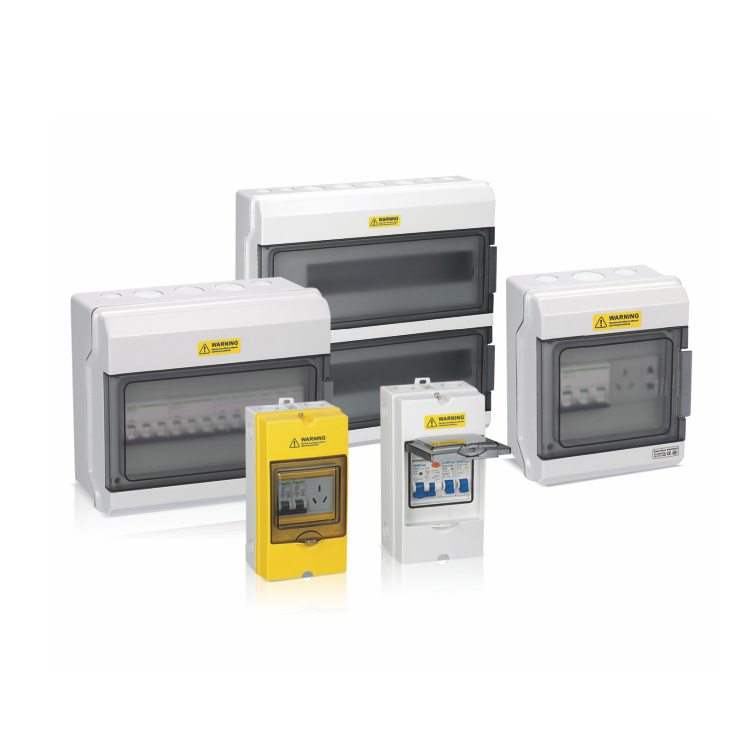
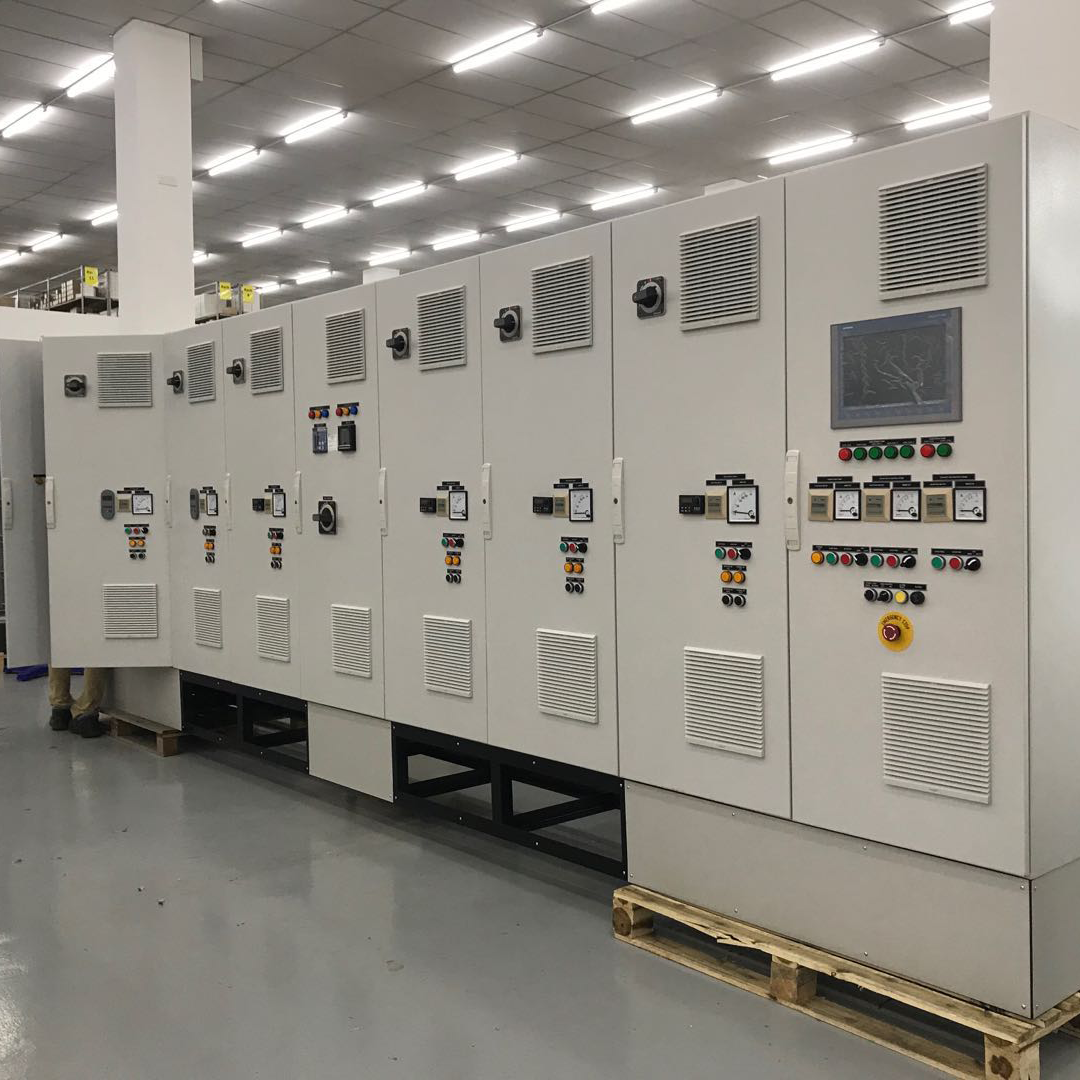
Home electrical safety begins with selecting the right electrical box for your wiring projects. Whether you're renovating an older home or building new construction, choosing proper electrical boxes ensures code compliance, fire prevention, and long-term reliability. Modern electrical systems demand higher capacity and improved safety features, making 2025 an excellent time to upgrade your electrical infrastructure with quality components that meet current standards.

Essential Features of Modern Electrical Boxes
Material Composition and Durability
Today's electrical boxes incorporate advanced materials designed for superior performance and longevity. High-grade thermoplastic compounds resist cracking under temperature fluctuations while maintaining excellent insulation properties. Metal options feature corrosion-resistant coatings that prevent rust formation in humid environments. Quality electrical box construction includes reinforced mounting points and precision-molded cable entry holes that ensure secure connections without compromising wire integrity.
Fire-retardant materials meet stringent UL standards, providing crucial safety barriers in residential applications. Modern manufacturing techniques produce boxes with consistent wall thickness and smooth interior surfaces that protect wire insulation during installation. Premium electrical boxes also feature color-coded designs that help electricians quickly identify proper applications and voltage ratings during complex wiring projects.
Size and Capacity Specifications
Proper electrical box sizing directly impacts installation safety and code compliance. Standard residential boxes range from single-gang units for basic switches to four-gang configurations for complex control panels. Cubic inch capacity calculations determine how many conductors each box can safely accommodate while maintaining proper heat dissipation. Deep boxes provide additional wire space for GFCI outlets and smart home devices that require extra connections.
Volume calculations must account for device mounting screws, wire nuts, and ground connections that consume valuable interior space. Professional electricians recommend oversizing boxes when possible to accommodate future upgrades and modifications. This forward-thinking approach prevents costly rewiring projects when homeowners add smart switches, USB outlets, or other advanced electrical components.
Top Electrical Box Categories for Residential Use
Single Gang Switch Boxes
Single gang electrical boxes represent the most common residential application, housing standard light switches, outlets, and basic controls. These compact units measure approximately 2 inches wide by 3 inches tall, fitting between standard wall studs without structural modifications. Quality single gang boxes feature adjustable mounting ears that accommodate various wall thickness configurations from drywall to tile installations.
Old work boxes utilize expandable wings or clips that secure installations in existing walls without accessing wall cavities. New construction versions include nail-through flanges for quick attachment to framing members during building phases. The best single gang electrical boxes incorporate cable clamps that prevent wire pullout while maintaining proper strain relief for long-term reliability.
Multi Gang Configurations
Multi gang electrical boxes accommodate multiple devices in single wall locations, reducing installation time and improving aesthetic appearance. Two-gang boxes commonly house switch-outlet combinations, while three and four-gang units serve complex lighting control systems or entertainment centers. These larger boxes require careful planning to ensure adequate wall space and proper support structures.
Gang box assemblies use removable sides that allow custom configurations during installation. Premium multi-gang electrical boxes include internal barriers that separate high and low voltage circuits, preventing interference between power and communication wiring. Proper multi-gang installation requires attention to box fill calculations and heat dissipation requirements for safe operation.
Installation Best Practices and Code Compliance
Mounting Methods and Support Systems
Proper electrical box mounting ensures long-term stability and prevents dangerous loose connections. Ceiling boxes require robust support systems that handle fixture weight plus dynamic loading from normal use. Wall-mounted installations need adequate backing or toggle systems that distribute loads across wall surfaces. The most reliable electrical box installations use multiple attachment points to prevent shifting during device installation or removal.
Remodel boxes feature adjustable mounting systems that work with various wall construction types including drywall, plaster, and paneling. These versatile units include depth adjustment mechanisms that ensure proper setback distances for flush device mounting. Quality mounting hardware resists corrosion and maintains tight connections despite temperature cycling and structural settling.
Wire Management and Safety Protocols
Effective wire management within electrical boxes prevents overheating, insulation damage, and connection failures. Proper installation techniques include gentle wire bending radii that prevent conductor stress and maintain insulation integrity. Cable entry points should utilize appropriate connectors or built-in clamps that provide strain relief and prevent moisture infiltration.
Ground wire connections require dedicated terminals or grounding screws that ensure reliable earth fault protection. Modern electrical boxes include pre-installed grounding provisions that simplify installation while maintaining code compliance. Wire organization within boxes should allow easy access for future maintenance while preventing conductor contact with sharp edges or mounting hardware.
Advanced Features and Smart Home Integration
Deep Box Configurations
Deep electrical boxes provide additional interior volume for modern devices that require extra space for connections and heat dissipation. GFCI outlets, dimmer switches, and smart home controls often include large wire compartments that exceed standard box capacities. Deep configurations typically add one-half to one inch of interior depth while maintaining standard exterior dimensions for existing wall compatibility.
Smart device installations benefit from deep box designs that accommodate wireless modules, transformer units, and communication interfaces without overcrowding. These spacious interiors also provide room for proper wire organization and future modifications as smart home technology evolves. Quality deep boxes maintain structural integrity despite increased interior volume through reinforced wall designs and improved mounting systems.
Cable Management Features
Modern electrical boxes incorporate sophisticated cable management systems that streamline installation while improving safety and reliability. Pre-punched knockouts eliminate the need for field modifications while providing precise entry points for various cable sizes. Removable sections allow custom configurations for specific applications without compromising box integrity.
Internal cable guides direct wires away from device mounting areas while preventing conductor damage during installation. Some premium electrical boxes include removable wire management accessories that organize multiple circuits within single enclosures. These features become increasingly important as homes incorporate more complex electrical systems for lighting control, security, and energy management.
Selection Criteria for Different Applications
Residential vs Commercial Requirements
Residential electrical box selection focuses on ease of installation, cost effectiveness, and compatibility with standard home wiring practices. Homeowners typically require boxes that accommodate basic lighting, outlet, and switch configurations while meeting local electrical codes. Plastic boxes often provide adequate performance for most residential applications while offering corrosion resistance and electrical isolation benefits.
Commercial applications may require metal electrical boxes that provide enhanced durability and electromagnetic shielding capabilities. Industrial environments demand boxes with specialized ratings for moisture, chemical resistance, or explosion-proof operation. Understanding application-specific requirements helps ensure proper electrical box selection for optimal safety and performance throughout the installation's service life.
Environmental Considerations
Environmental factors significantly influence electrical box performance and longevity in various installation locations. Outdoor applications require weatherproof enclosures with gasket seals that prevent moisture infiltration while maintaining easy access for maintenance. Indoor installations in humid areas like bathrooms and kitchens benefit from corrosion-resistant materials and proper ventilation features.
Temperature extremes affect electrical box materials differently, with plastic units offering superior performance in freezing conditions while metal boxes provide better heat dissipation in high-temperature environments. Chemical exposure in garages, workshops, or utility areas may require specialized box materials that resist degradation from solvents, fuels, or cleaning products commonly found in these locations.
FAQ
What size electrical box do I need for a standard outlet
Standard residential outlets require single-gang electrical boxes with minimum 18 cubic inch capacity for basic installations. GFCI outlets need deeper boxes, typically 20.3 cubic inches or more, to accommodate the larger device body and additional wire connections. Always consult local electrical codes for specific volume requirements in your area.
Can I use plastic electrical boxes for all residential applications
Plastic electrical boxes work well for most residential applications including switches, outlets, and light fixtures. However, ceiling fan installations and heavy fixtures may require metal boxes for additional structural support. Some local codes mandate metal boxes for specific applications, so verify requirements with your local electrical inspector.
How do I determine the correct electrical box depth for my installation
Standard electrical boxes measure 1.5 inches deep for basic switches and outlets. Deep boxes at 2.5 to 3.5 inches accommodate GFCI devices, dimmers, and smart switches. Measure your device depth plus allow extra space for wire connections and heat dissipation to select the appropriate box depth.
What is the difference between old work and new construction electrical boxes
New construction electrical boxes include mounting flanges or brackets for attachment to framing before drywall installation. Old work boxes feature expandable clips or wings that secure the box in finished walls through the device opening. Choose based on whether you have access to wall framing during installation.