 EN
EN

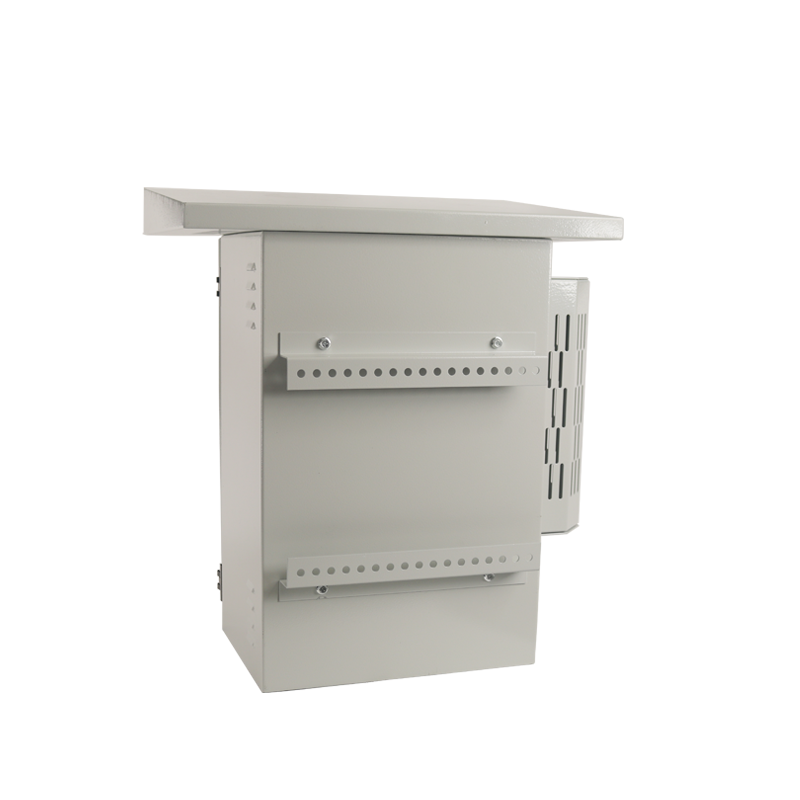
When selecting a metal box for industrial applications, the coating choice directly impacts how long your investment will withstand corrosion and environmental challenges. Powder-coated and galvanized finishes represent two fundamentally different approaches to protecting metal surfaces, each offering distinct advantages in rust resistance, durability, and long-term performance.
The answer to which coating resists rust longer depends on specific environmental conditions, application requirements, and maintenance practices. While galvanized coatings provide sacrificial protection through zinc layers, powder coatings create barrier protection through polymer films. Understanding these mechanisms helps determine which metal box coating delivers superior rust resistance for your particular use case.
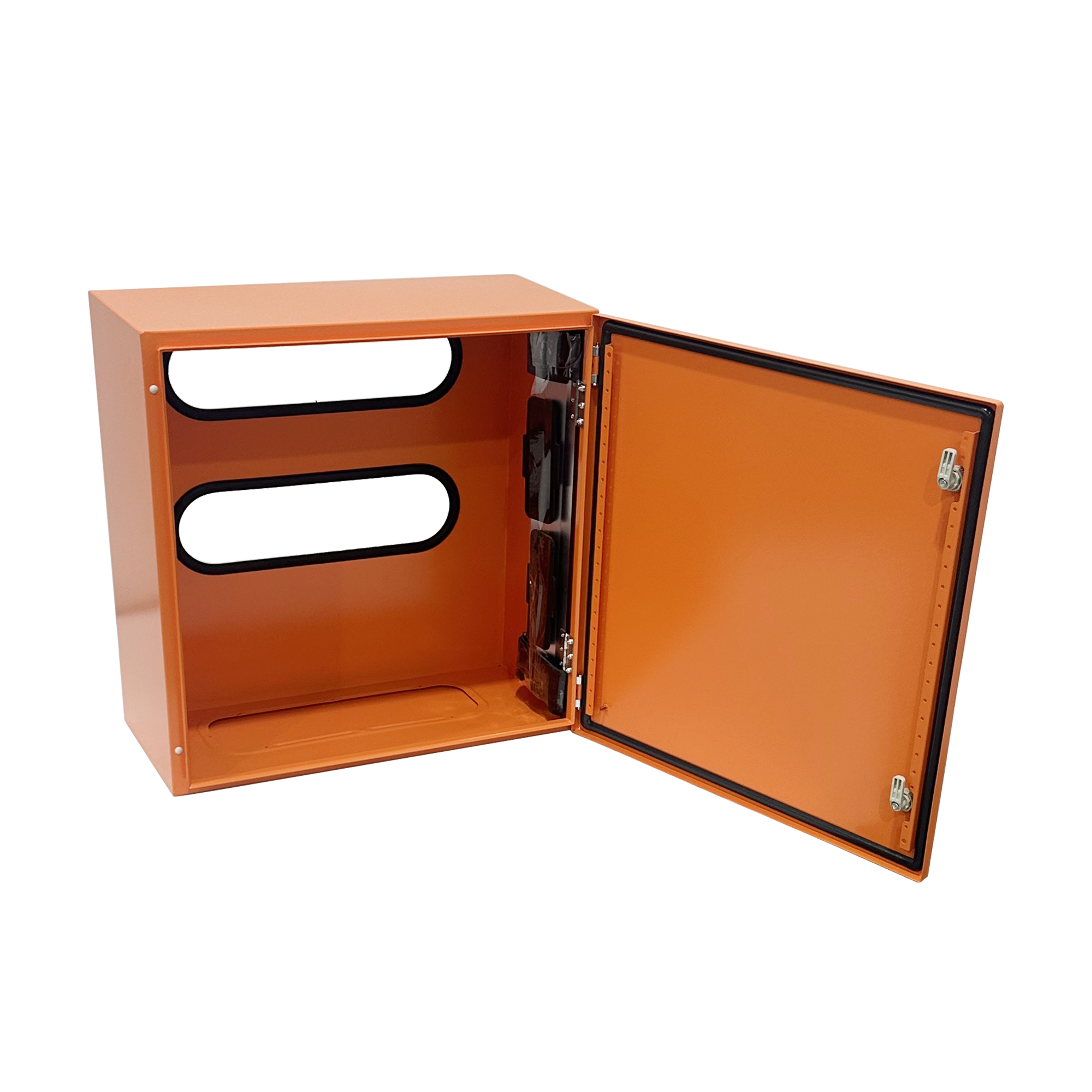
Understanding Metal Box Coating Fundamentals
How Powder Coating Protects Metal Surfaces
Powder coating creates a protective barrier on metal box surfaces through an electrostatic application process followed by thermal curing. The dry powder particles adhere to the metal surface when electrically charged, forming a uniform coating that melts and flows during the curing process. This creates a continuous polymer film that physically separates the underlying metal from moisture, oxygen, and corrosive elements.
The thickness of powder coating typically ranges from 25 to 100 microns, providing substantial barrier protection for metal box applications. Modern powder formulations include cross-linking polymers that create molecular bonds during curing, resulting in a coating that resists chipping, cracking, and environmental degradation. The coating's effectiveness relies entirely on maintaining film integrity, as any breach in the coating exposes the underlying metal to corrosion.
Unlike liquid paints, powder coatings contain no solvents and achieve higher film thickness in a single application. This characteristic makes them particularly suitable for metal box manufacturing where consistent coating thickness and environmental compliance are priorities. The cured coating exhibits excellent adhesion to properly prepared metal surfaces, creating a durable protective layer that maintains its integrity under normal handling and installation conditions.
Galvanization Process and Protective Mechanisms
Galvanization protects metal box surfaces through a sacrificial corrosion process where zinc coating corrodes preferentially to the underlying steel. Hot-dip galvanizing immerses the metal box in molten zinc at approximately 450°C, creating metallurgical bonds between the zinc and steel substrate. This process forms multiple zinc-iron alloy layers topped with a pure zinc layer, providing both barrier and sacrificial protection.
The zinc coating thickness in hot-dip galvanizing typically ranges from 45 to 200 microns, depending on steel thickness and composition. When the metal box surface experiences minor scratches or coating damage, the surrounding zinc continues protecting the exposed steel through galvanic action. This electrochemical protection extends beyond the immediate damaged area, offering self-healing characteristics that powder coatings cannot match.
Galvanized coatings develop a protective patina over time as zinc oxidizes to form zinc carbonate and zinc hydroxide compounds. This natural weathering process actually enhances the coating's protective properties in many environments. The metal box benefits from this ongoing protection even as the surface appearance changes from bright metallic to a matte gray finish.
Rust Resistance Performance Comparison
Environmental Factors Affecting Coating Longevity
Marine environments pose the greatest challenge to metal box coatings due to salt spray and high humidity levels. Powder coatings in coastal applications typically show excellent performance when the coating remains intact, as the polymer barrier effectively excludes chloride ions that accelerate corrosion. However, any coating damage in marine environments can lead to rapid localized corrosion beneath the coating film, requiring prompt repair to maintain protection.
Galvanized metal box surfaces demonstrate superior performance in marine environments due to their sacrificial protection mechanism. Even when the zinc coating experiences localized damage, the surrounding zinc continues protecting the exposed steel through electrochemical action. This characteristic makes galvanized coatings particularly valuable in applications where coating damage is likely and regular maintenance access is limited.
Industrial environments with chemical exposure create different challenges for metal box coatings. Powder coatings formulated with appropriate chemical resistance can outperform galvanizing in environments containing acids that rapidly attack zinc. Conversely, alkaline environments may degrade certain powder coating formulations while having minimal impact on galvanized surfaces. Understanding the specific chemical environment is crucial for selecting the appropriate coating system.
Expected Service Life Under Different Conditions
In rural and suburban environments with minimal air pollution, properly applied powder coatings on metal box installations typically provide 15 to 25 years of effective rust protection. The coating's performance depends heavily on proper surface preparation, appropriate powder selection, and correct curing parameters. UV-resistant powder formulations maintain both protective properties and appearance retention throughout their service life.
Galvanized coatings in similar low-corrosivity environments often exceed 50 years of service life, with the zinc coating gradually consuming itself to protect the underlying steel. The galvanizing thickness directly correlates with service life, with heavier coatings providing proportionally longer protection. A metal box with 85-micron average coating thickness typically provides twice the service life of one with 45-micron thickness.
Urban and industrial environments reduce service life for both coating systems due to increased atmospheric pollution and potential chemical exposure. Powder-coated metal box installations in these environments may require recoating after 10 to 15 years, while galvanized coatings typically provide 25 to 40 years of protection before significant base metal corrosion occurs.
Practical Considerations for Metal Box Selection
Maintenance Requirements and Repair Options
Powder-coated metal box maintenance involves regular inspection for coating damage and prompt repair of any chips or scratches that expose the underlying metal. Touch-up procedures require surface preparation, primer application, and matching powder coating application, which may necessitate professional equipment and expertise. The complexity of field repairs often makes complete recoating more practical than localized touch-ups.
Galvanized coatings require minimal maintenance during their effective service life, as minor scratches and coating damage are naturally protected by the surrounding zinc. When touch-up is necessary, zinc-rich paints provide adequate localized protection until major recoating becomes necessary. The self-healing properties of galvanized coatings significantly reduce maintenance requirements compared to barrier coatings.
Long-term maintenance planning should consider the total cost of ownership for each coating system. While powder coatings may offer lower initial costs and superior appearance retention, galvanized coatings often provide lower lifecycle costs due to reduced maintenance requirements and longer service life in corrosive environments.
Application-Specific Performance Factors
Electrical applications place specific requirements on metal box coatings that affect corrosion protection performance. Powder coatings provide excellent electrical insulation properties, which may be beneficial or detrimental depending on grounding requirements. The coating's dielectric properties must be considered when designing electrical connections and grounding systems.
Galvanized coatings maintain electrical conductivity between metal components, simplifying grounding and bonding requirements in electrical installations. However, the galvanic potential difference between zinc and other metals must be managed to prevent accelerated corrosion at dissimilar metal interfaces. Proper design practices address these electrochemical interactions in metal box installations.
Temperature cycling affects both coating systems differently, with powder coatings potentially experiencing thermal expansion mismatches that can lead to coating stress and eventual failure. Galvanized coatings generally accommodate thermal cycling better due to their metallurgical bond with the substrate, maintaining protection even under repeated temperature variations.
Economic and Environmental Considerations
Initial Cost and Processing Requirements
Powder coating processes typically require lower initial capital investment for metal box manufacturing compared to hot-dip galvanizing facilities. The electrostatic application equipment and curing ovens necessary for powder coating represent moderate facility requirements, while galvanizing operations require molten zinc handling systems and more extensive safety infrastructure.
Material costs for powder coating depend on the specific formulation and desired properties, with specialty formulations commanding premium pricing. High-performance powder coatings designed for maximum corrosion resistance may approach or exceed the material costs of galvanizing, particularly when considering the zinc consumption rates in galvanizing operations.
Processing time differences affect manufacturing efficiency and cost structures. Powder coating processes can be completed in hours, while galvanizing requires longer processing times due to surface preparation requirements and cooling periods. These timing differences impact production scheduling and inventory management in metal box manufacturing operations.
Environmental Impact and Sustainability
Environmental considerations increasingly influence coating selection for metal box applications. Powder coatings generate minimal volatile organic compounds during application and curing, contributing to better air quality in manufacturing facilities. The overspray from powder coating processes can be recovered and reused, reducing material waste and environmental impact.
Galvanizing processes consume significant energy for maintaining molten zinc baths and managing zinc emissions, but the resulting coating provides exceptional longevity that reduces replacement frequency and associated environmental impacts. The zinc used in galvanizing is fully recyclable, and galvanized metal box components retain their protective coating through multiple recycling cycles.
Lifecycle environmental assessment should consider the total environmental impact including manufacturing, service life, maintenance requirements, and end-of-life disposal or recycling. Longer-lasting coatings that reduce replacement frequency may offer superior environmental performance despite higher initial processing impacts.
FAQ
How long does powder coating last compared to galvanizing on metal boxes?
Powder coating typically provides 15-25 years of protection in moderate environments, while galvanizing often exceeds 50 years in similar conditions. The actual service life depends on environmental exposure, coating thickness, and maintenance practices. Galvanizing generally offers longer protection due to its sacrificial corrosion mechanism that continues working even when the coating is damaged.
Can powder-coated metal boxes be repaired if the coating gets damaged?
Yes, but powder coating repairs are more complex than galvanizing touch-ups. Damaged powder coating requires surface preparation, primer application, and matching powder coating application using specialized equipment. Minor damage often requires professional repair services, while galvanized surfaces can be touched up with zinc-rich paints using simpler field application methods.
Which coating is better for marine environments where metal boxes face salt exposure?
Galvanized coatings typically perform better in marine environments because they provide sacrificial protection even when damaged. Salt spray can quickly exploit any breaks in powder coating, leading to localized corrosion beneath the coating film. Galvanizing continues protecting exposed steel through electrochemical action, making it more suitable for coastal and marine applications.
Do galvanized metal boxes require any special maintenance compared to powder-coated ones?
Galvanized metal boxes require minimal maintenance during their service life due to the self-protecting nature of zinc coatings. Regular inspection for major coating loss is sufficient, while powder-coated boxes need more frequent inspection for coating damage and prompt repair of any chips or scratches to prevent corrosion. This makes galvanized boxes more suitable for applications with limited maintenance access.
Table of Contents
- Understanding Metal Box Coating Fundamentals
- Rust Resistance Performance Comparison
- Practical Considerations for Metal Box Selection
- Economic and Environmental Considerations
-
FAQ
- How long does powder coating last compared to galvanizing on metal boxes?
- Can powder-coated metal boxes be repaired if the coating gets damaged?
- Which coating is better for marine environments where metal boxes face salt exposure?
- Do galvanized metal boxes require any special maintenance compared to powder-coated ones?