 EN
EN

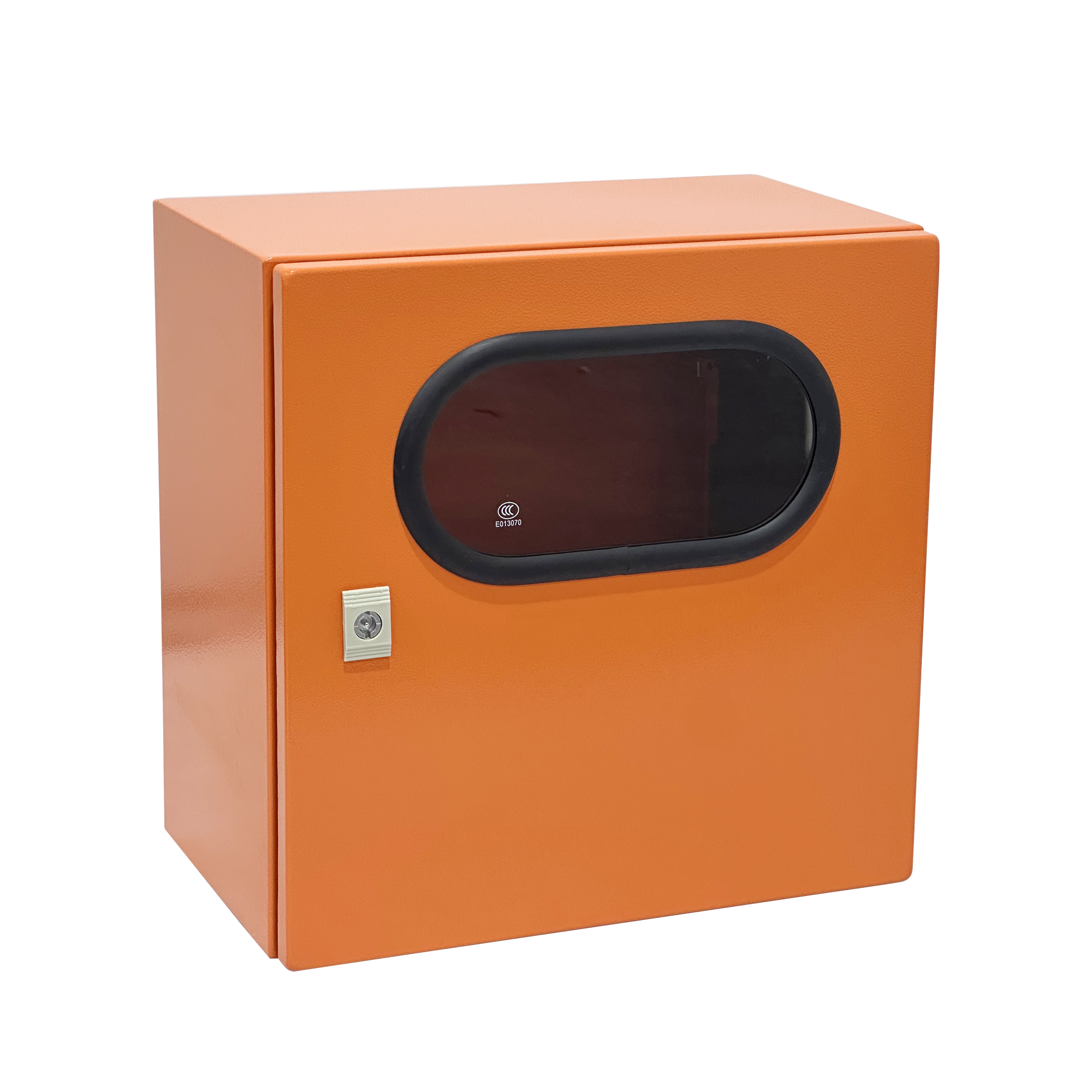
Accurate cut-out dimensions are critical when designing mounting solutions for electrical enclosures, particularly when working with metal box installations in industrial and commercial applications. Engineers and technicians frequently encounter challenges when determining precise measurements for panel cuts, cable entry points, and mounting hardware placement. Understanding the standard dimensional requirements and having access to reliable CAD templates can significantly streamline the design process while ensuring proper fit and professional installation results.
The complexity of modern electrical installations demands precise dimensional planning, especially when integrating multiple metal box units within control panels, switchgear assemblies, or outdoor enclosure systems. Professional-grade CAD templates provide the foundation for accurate fabrication drawings, enabling manufacturers, installers, and design engineers to achieve consistent results across diverse project requirements. This comprehensive guide delivers the essential dimensional data and downloadable resources needed for successful metal box integration planning.
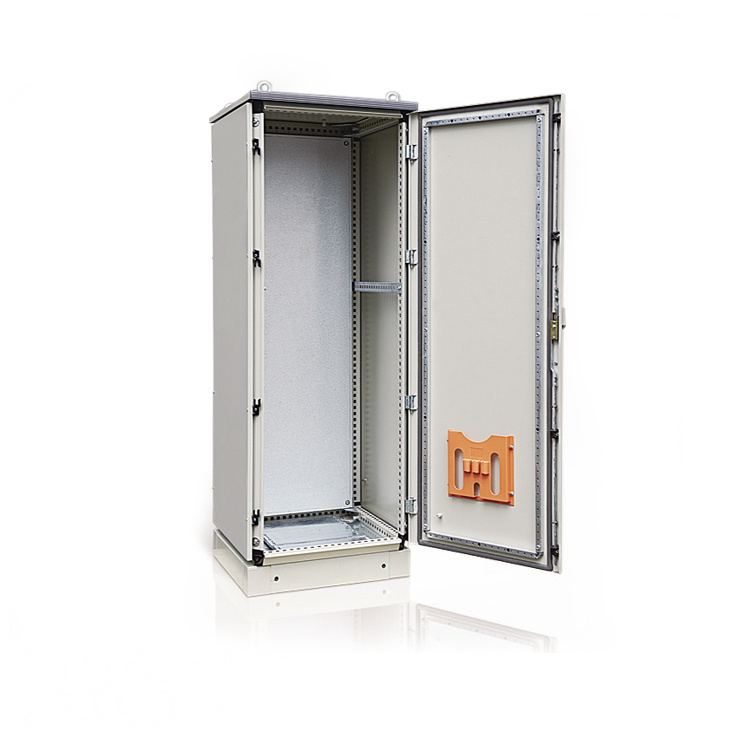
Standard Metal Box Cut-Out Dimensional Requirements
Base Mounting Dimensions
Standard metal box mounting requires precise cut-out dimensions that account for both the enclosure body and necessary clearance tolerances. The primary cut-out dimension typically measures the external frame width minus the mounting flange overlap, ensuring proper panel engagement without binding or gaps. Most industrial metal box designs follow standardized mounting patterns that align with international electrical standards, providing consistency across different manufacturers and product lines.
The mounting flange depth represents another critical dimension that affects panel thickness compatibility and overall installation integrity. Standard flange designs accommodate panel thicknesses ranging from 1.5mm to 6mm, with specific depth requirements varying based on the metal box size and intended application environment. Engineers must verify that the selected panel material thickness falls within the supported range to ensure proper mechanical engagement and sealing performance.
Corner radius specifications impact the cut-out preparation method and tooling requirements for metal box installation. Sharp corner cuts require precision machining or laser cutting techniques, while radiused corners can often accommodate punch-and-nibble fabrication methods. The standard corner radius for most metal box cut-outs ranges from 2mm to 5mm, depending on the enclosure size and mounting flange design characteristics.
Clearance and Tolerance Considerations
Proper clearance planning ensures smooth installation while maintaining the structural integrity of both the panel and the metal box assembly. Standard practice recommends a uniform clearance of 0.5mm to 1.0mm around the perimeter of the cut-out, providing sufficient space for thermal expansion and installation tolerances without compromising the weatherproof seal integrity.
Tolerance accumulation becomes particularly important in large panel assemblies where multiple metal box units are installed in close proximity. The cumulative effect of individual tolerance variations can result in alignment issues if not properly managed during the design phase. Professional CAD templates incorporate standard tolerance zones that help prevent these alignment problems while ensuring consistent spacing and professional appearance.
Environmental factors such as temperature cycling and vibration can affect the long-term dimensional stability of cut-out openings, particularly in outdoor installations or industrial environments. The metal box mounting system must accommodate these dynamic conditions through appropriate clearance allocation and flexible mounting hardware selection that maintains secure attachment under varying operational conditions.
CAD Template Design Standards and Specifications
Industry Standard File Formats
Professional CAD templates for metal box cut-out dimensions are typically provided in multiple file formats to ensure compatibility with diverse design software platforms. The most commonly supported formats include DWG (AutoCAD), DXF (universal exchange), STEP (3D solid modeling), and PDF (dimensional reference) files that cover both 2D and 3D design requirements.
Layer organization within CAD templates follows standardized naming conventions that separate dimensional information, cut-out geometry, mounting hole patterns, and annotation elements. This systematic approach enables users to selectively display or modify specific design elements without affecting other template components, streamlining the customization process for project-specific requirements.
Parametric template designs allow for dynamic dimension adjustment based on specific metal box model selections, automatically updating all related dimensions and clearances when the base enclosure size is modified. This advanced functionality significantly reduces design time while minimizing the risk of dimensional errors that could result in fabrication problems or installation delays.
Template Accuracy and Verification
Template accuracy verification involves comparison with physical metal box samples and manufacturer specification sheets to ensure dimensional consistency across different production batches and model variations. Professional templates undergo regular updates to reflect any changes in manufacturing tolerances or design standards that could affect cut-out requirements.
Quality control procedures for CAD templates include dimensional cross-checking against multiple measurement methods and validation through prototype installations. This comprehensive verification process helps identify potential issues before they impact production schedules or installation quality, ensuring reliable results across diverse application scenarios.
Template documentation includes detailed notes regarding measurement references, tolerance interpretations, and any special considerations that apply to specific metal box models or installation environments. This supporting information enables users to make informed decisions about template application and any necessary modifications for unique project requirements.
Installation Planning and Fabrication Guidelines
Panel Material Compatibility
Different panel materials require specific cutting techniques and edge finishing procedures to achieve professional results with metal box installations. Steel panels typically accommodate standard punching or plasma cutting methods, while aluminum panels may require specialized tooling to prevent material deformation or edge quality issues during the fabrication process.
Panel thickness selection affects both the cut-out dimensions and the mounting hardware requirements for secure metal box attachment. Thinner panels may require reinforcement plates or backing structures to provide adequate support for heavy enclosures, while thicker panels might need modified mounting screws or extended fasteners to ensure proper engagement depth.
Surface finish considerations include paint compatibility, corrosion protection, and aesthetic matching between the panel and metal box components. The cut-out edge treatment must provide long-term protection against environmental exposure while maintaining a professional appearance that aligns with overall system design standards.
Cutting Methods and Edge Preparation
Precision cutting methods for metal box openings include laser cutting, waterjet cutting, and CNC machining, each offering specific advantages depending on the panel material, thickness, and required edge quality. Laser cutting provides excellent dimensional accuracy and smooth edge finish for most metal box applications, while waterjet cutting offers superior performance for thick or exotic materials.
Edge preparation requirements vary based on the sealing method and environmental protection level required for the specific installation. Standard practice includes deburring, edge radiusing, and primer application to ensure proper gasket compression and long-term weather resistance in outdoor applications.
Quality inspection procedures for finished cut-outs include dimensional verification, edge quality assessment, and trial fit testing with actual metal box units. These validation steps help identify any fabrication issues before final installation, reducing the likelihood of field problems and ensuring professional results.
Application-Specific Dimensional Variations
Indoor vs Outdoor Installation Requirements
Indoor metal box installations typically allow for tighter dimensional tolerances and simplified sealing requirements compared to outdoor applications where weather resistance and thermal expansion become primary concerns. Indoor environments generally provide stable temperature conditions that minimize dimensional changes over time, enabling more precise fit tolerances.
Outdoor installations require enhanced sealing systems and expanded clearance allowances to accommodate thermal cycling effects and potential panel movement due to wind loading or structural settlement. The metal box mounting system must provide reliable performance under these dynamic conditions while maintaining long-term weather protection.
Environmental protection ratings such as IP65 or NEMA 4X influence the gasket selection and compression requirements, which in turn affect the final cut-out dimensions and edge preparation specifications. Higher protection ratings typically require more robust sealing systems that may impact the overall dimensional requirements for proper installation.
Multi-Unit Installation Considerations
Large panel assemblies containing multiple metal box units require careful spacing analysis to ensure adequate clearance for cable routing, maintenance access, and thermal management. The cumulative dimensional effects of multiple cut-outs can create alignment challenges that must be addressed during the initial design phase.
Modular installation patterns enable standardized spacing and alignment procedures that simplify fabrication and reduce installation time. Professional CAD templates for multi-unit installations include grid-based layout tools and automated spacing calculations that ensure consistent results across large panel assemblies.
Cable management considerations for multi-unit metal box installations include entry point coordination, routing path optimization, and adequate space allocation for future expansion or modification requirements. These factors can influence the optimal spacing and orientation of individual enclosures within the overall panel layout.
FAQ
What are the standard cut-out tolerances for metal box installations?
Standard cut-out tolerances for metal box installations typically range from +0.5mm to +1.0mm on each dimension, providing adequate clearance for installation while maintaining proper gasket compression. The exact tolerance depends on the enclosure size, panel material, and environmental requirements. Larger enclosures may require slightly increased tolerances to accommodate thermal expansion effects.
How do I determine the correct corner radius for metal box cut-outs?
Corner radius requirements are specified in the metal box manufacturer's dimensional drawings and typically range from 2mm to 5mm depending on the enclosure size. The corner radius must match the mounting flange design to ensure proper seating and seal integrity. Most CAD templates include the correct radius specification for each enclosure model.
Can the same CAD template be used for different panel thicknesses?
Standard CAD templates provide cut-out dimensions that work with panel thicknesses within the specified range for each metal box model, typically 1.5mm to 6mm. However, the mounting hardware length may need adjustment for different panel thicknesses. Always verify that your panel thickness falls within the manufacturer's recommended range before proceeding with fabrication.
What file formats are typically included with metal box CAD templates?
Professional metal box CAD templates are usually provided in multiple formats including DWG (AutoCAD), DXF (universal exchange), STEP (3D modeling), and PDF (reference drawings). This ensures compatibility with most CAD software platforms and provides both 2D cut-out geometry and 3D installation reference information for comprehensive design support.