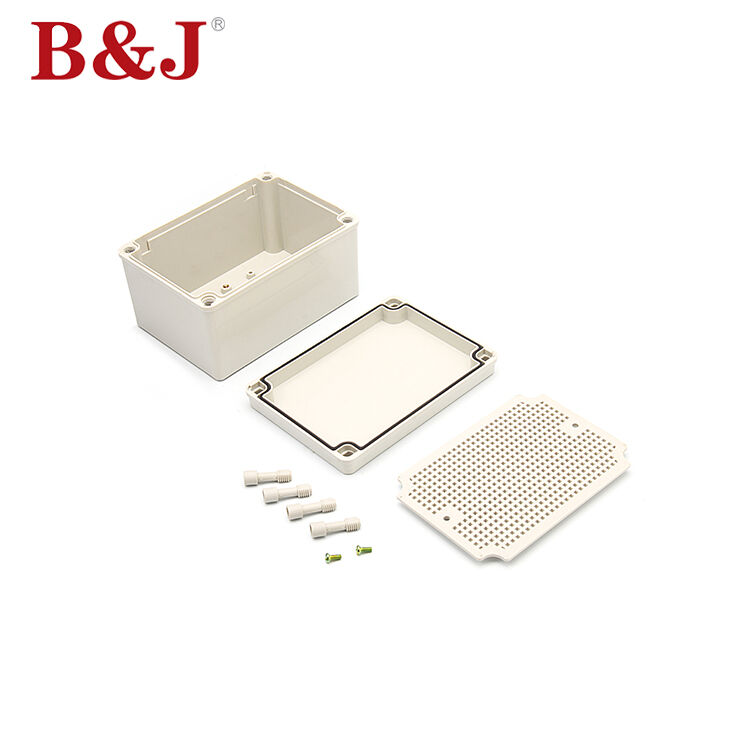
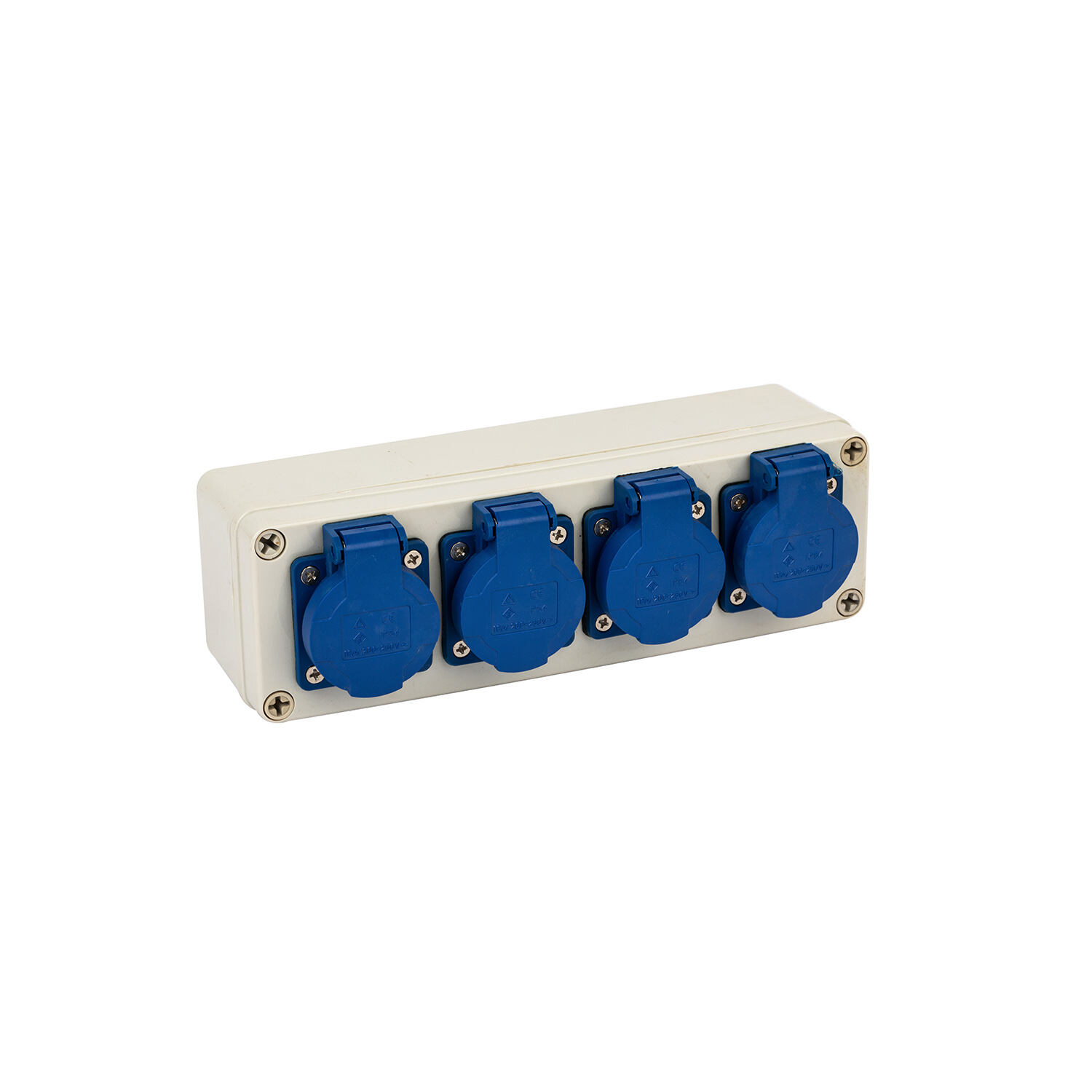
transparentes Gehäuse
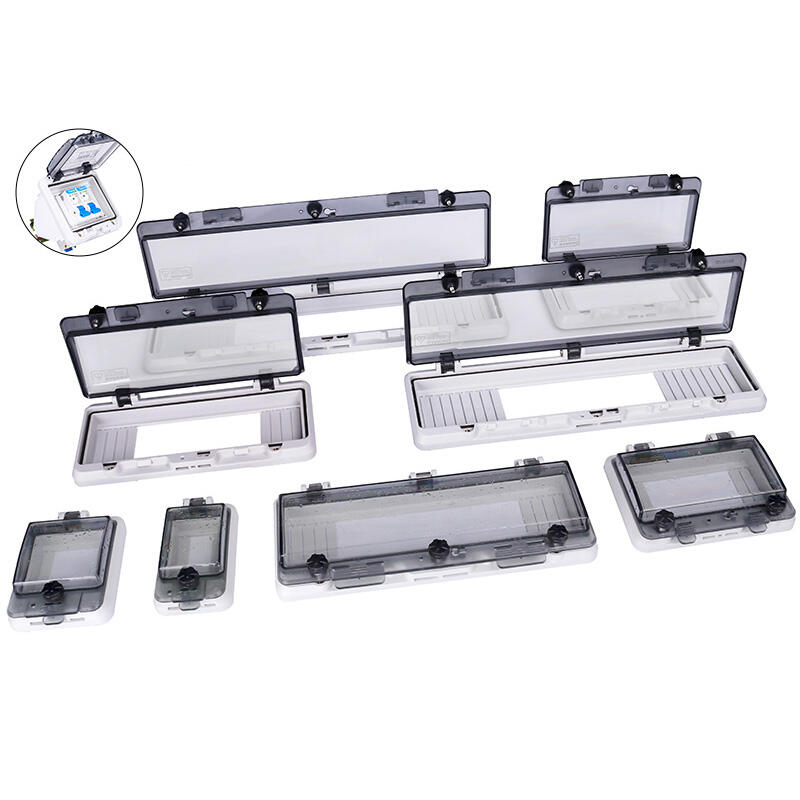
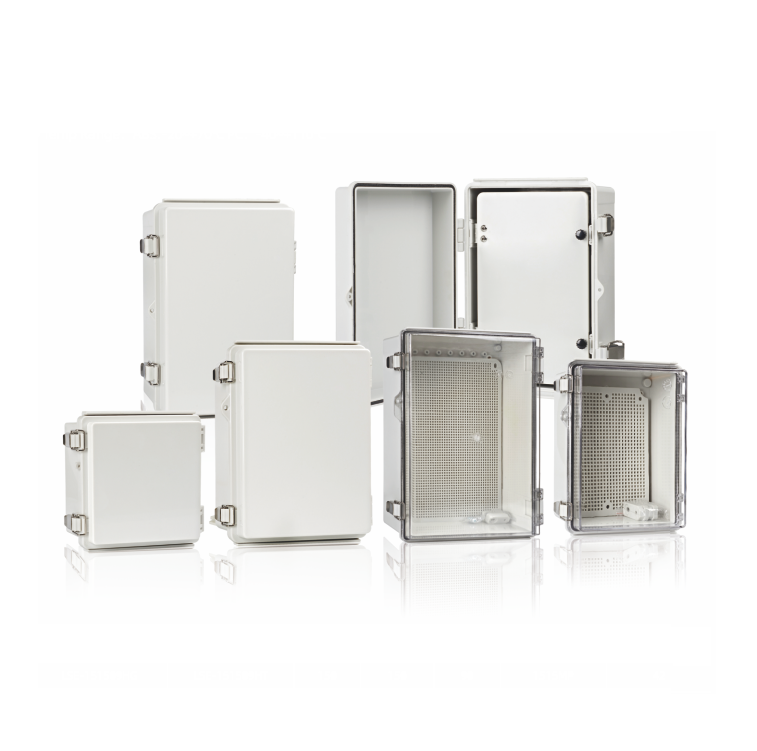
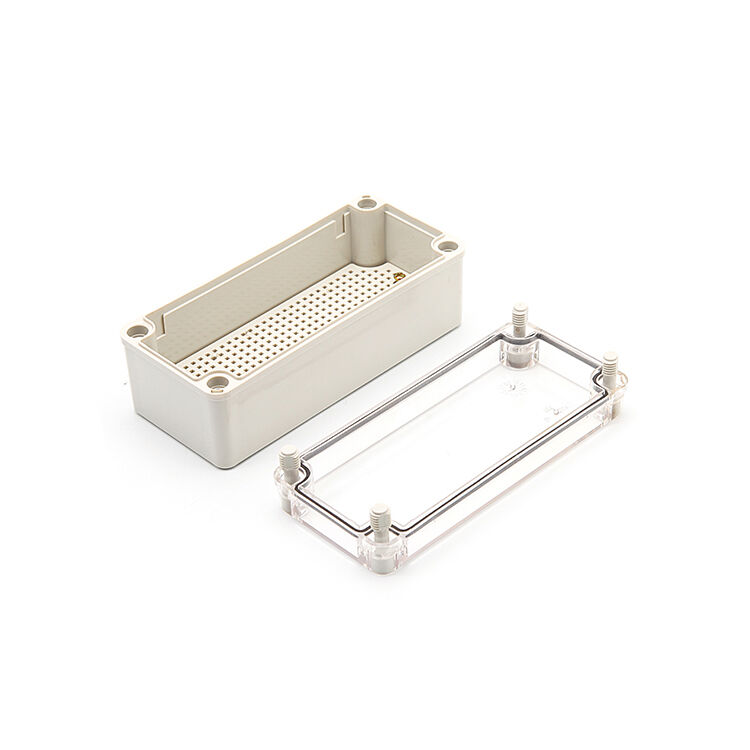
Ein transparentes Gehäuse stellt einen revolutionären Ansatz für Schutzhüllen-Lösungen dar und vereint Sichtbarkeit mit robuster Absicherung in vielfältigen industriellen und gewerblichen Anwendungen. Diese speziellen Behälter verfügen über kristallklare Wände aus hochwertigen Materialien wie Polycarbonat, Acryl oder gehärtetem Glas und ermöglichen so den vollständigen visuellen Zugang zu den eingeschlossenen Geräten, während gleichzeitig ein wirksamer Umweltschutz gewährleistet bleibt. Das transparente Gehäuse fungiert als zentrale Komponente in Branchen, die eine ständige Überwachung, Inspektion oder Demonstration interner Prozesse erfordern. Moderne transparente Gehäuse beruhen auf fortschrittlichen Konstruktionsprinzipien, die optische Klarheit mit struktureller Integrität in Einklang bringen. Ihre Hauptfunktion besteht darin, empfindliche Geräte vor Umwelteinflüssen wie Staub, Feuchtigkeit, Chemikalien und mechanischen Einwirkungen zu schützen, ohne dabei die vollständige visuelle Übersicht einzuschränken. Zu den technologischen Merkmalen zählen präzise geformte Dichtsysteme, die das Eindringen von Verunreinigungen verhindern, Lüftungsmechanismen zur Regelung von Innentemperatur und Luftfeuchtigkeit sowie modulare Konstruktionen, die sich an unterschiedliche Gerätekonfigurationen anpassen lassen. Transparente Gehäuse integrieren häufig Montagesysteme, Kabelmanagement-Lösungen und Zugangspaneele, die Wartungsarbeiten erleichtern, ohne die Schutzwirkung zu beeinträchtigen. Die Einsatzgebiete umfassen zahlreiche Branchen, darunter Fertigungsstätten, Forschungslabore, Gehäuse für medizinische Geräte, Außen-Telekommunikationsinfrastruktur sowie Einzelhandels-Displaysysteme. In Produktionsumgebungen ermöglicht das transparente Gehäuse den Bedienern die Überwachung automatisierter Prozesse, die schnelle Erkennung potenzieller Probleme und die Einhaltung von Qualitätsstandards. Forschungseinrichtungen nutzen diese Gehäuse, um experimentelle Abläufe zu beobachten, ohne sterile Bedingungen zu gefährden. Die Telekommunikationsbranche setzt transparente Gehäuse ein, um kritische Netzwerktechnik vor Witterungseinflüssen zu schützen und gleichzeitig visuelle Inspektionen durch Techniker zu ermöglichen. Bildungseinrichtungen und Museen setzen transparente Gehäuse häufig für interaktive Ausstellungen und Demonstrationszwecke ein. Die Konstruktion erfolgt typischerweise mittels Spritzgussverfahren mit präzisionsgefertigten Fugen, die Schwachstellen eliminieren und die Transparenz maximieren. Fortschrittliche transparente Gehäuse verfügen zudem über intelligente Funktionen wie integrierte Beleuchtungssysteme, Klimaregelungsmechanismen und Fernüberwachungsmöglichkeiten, die ihre Funktionalität über den reinen Schutz hinaus erheblich erweitern.
 EN
EN