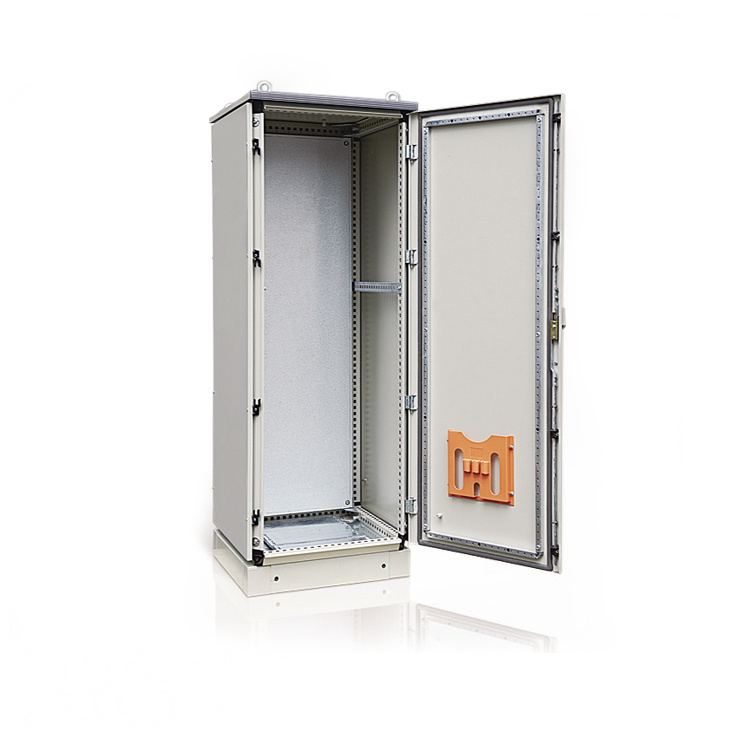
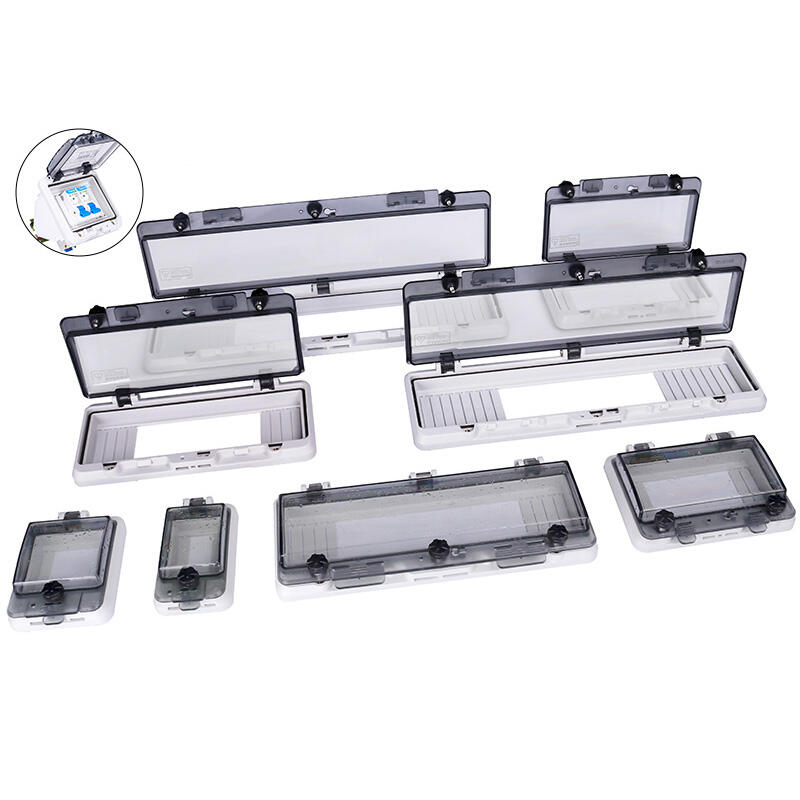
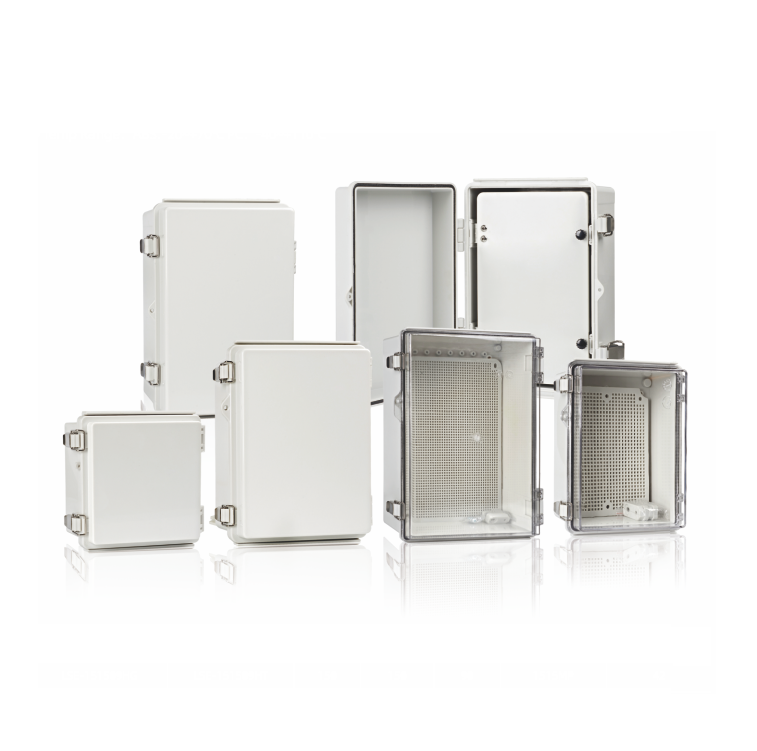
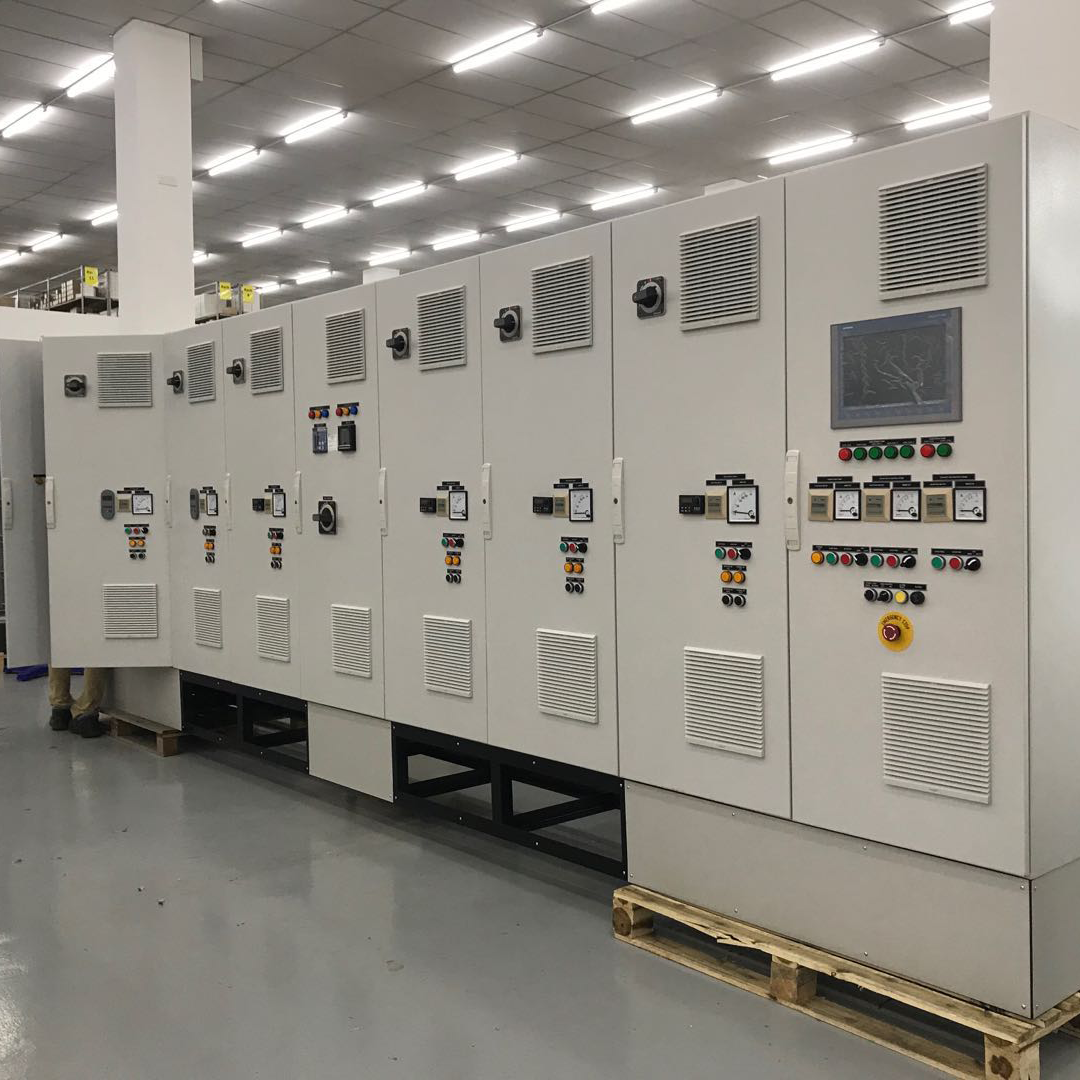
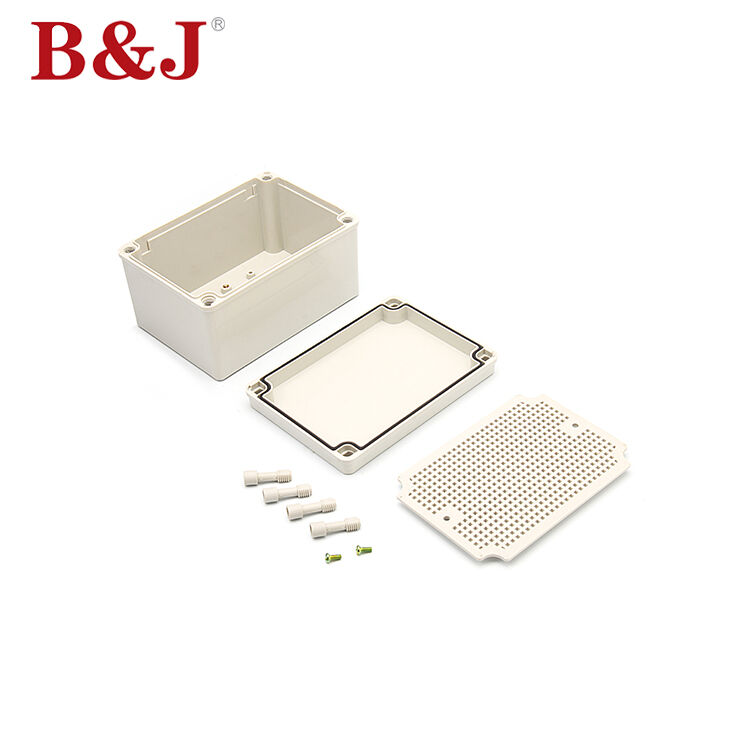
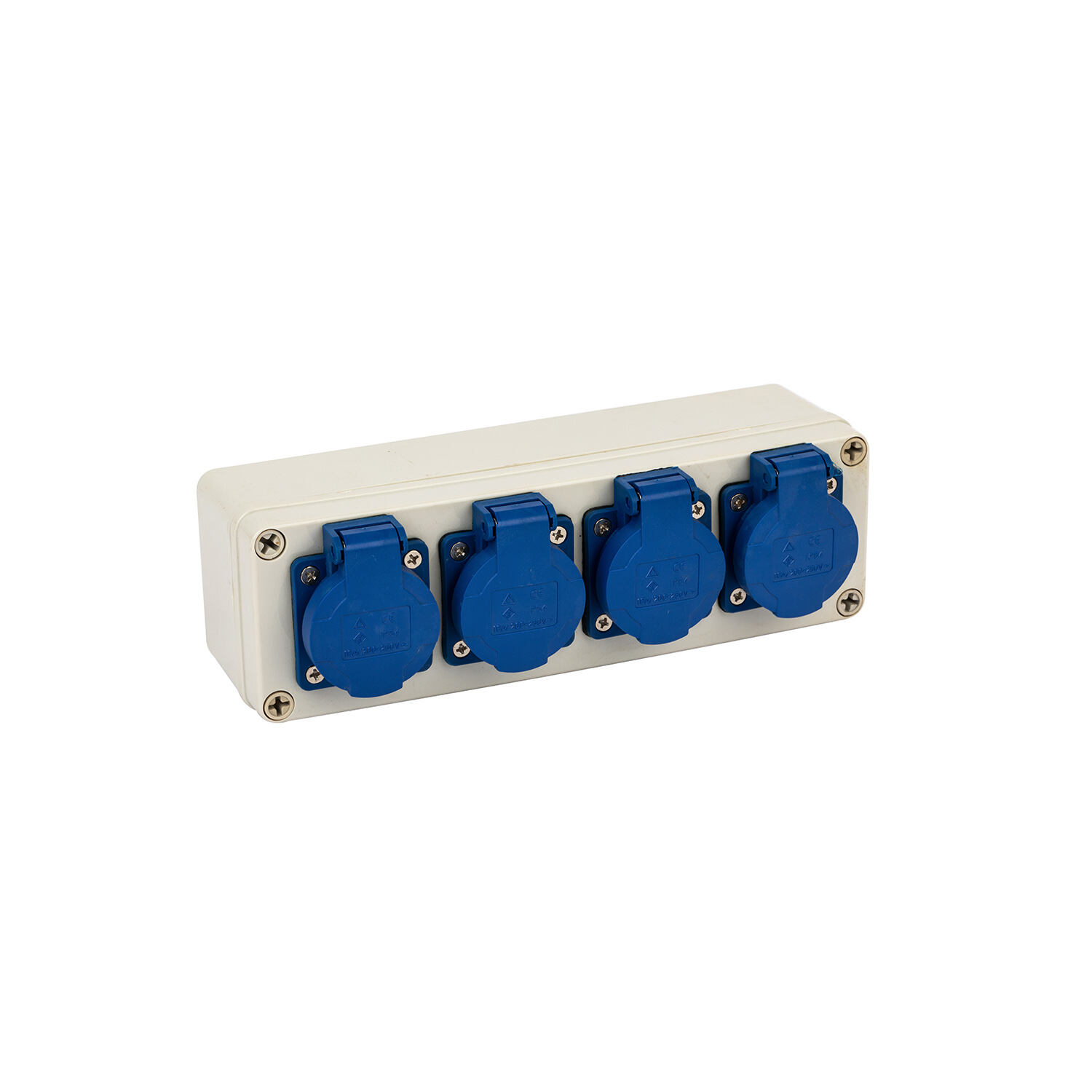
Premium Transparent Enclosures: Advanced Protection Solutions with Complete Visibility

Get a Free Quote

Our representative will contact you soon.
Email
Name
Company Name
Message
0/1000

transparent enclosure

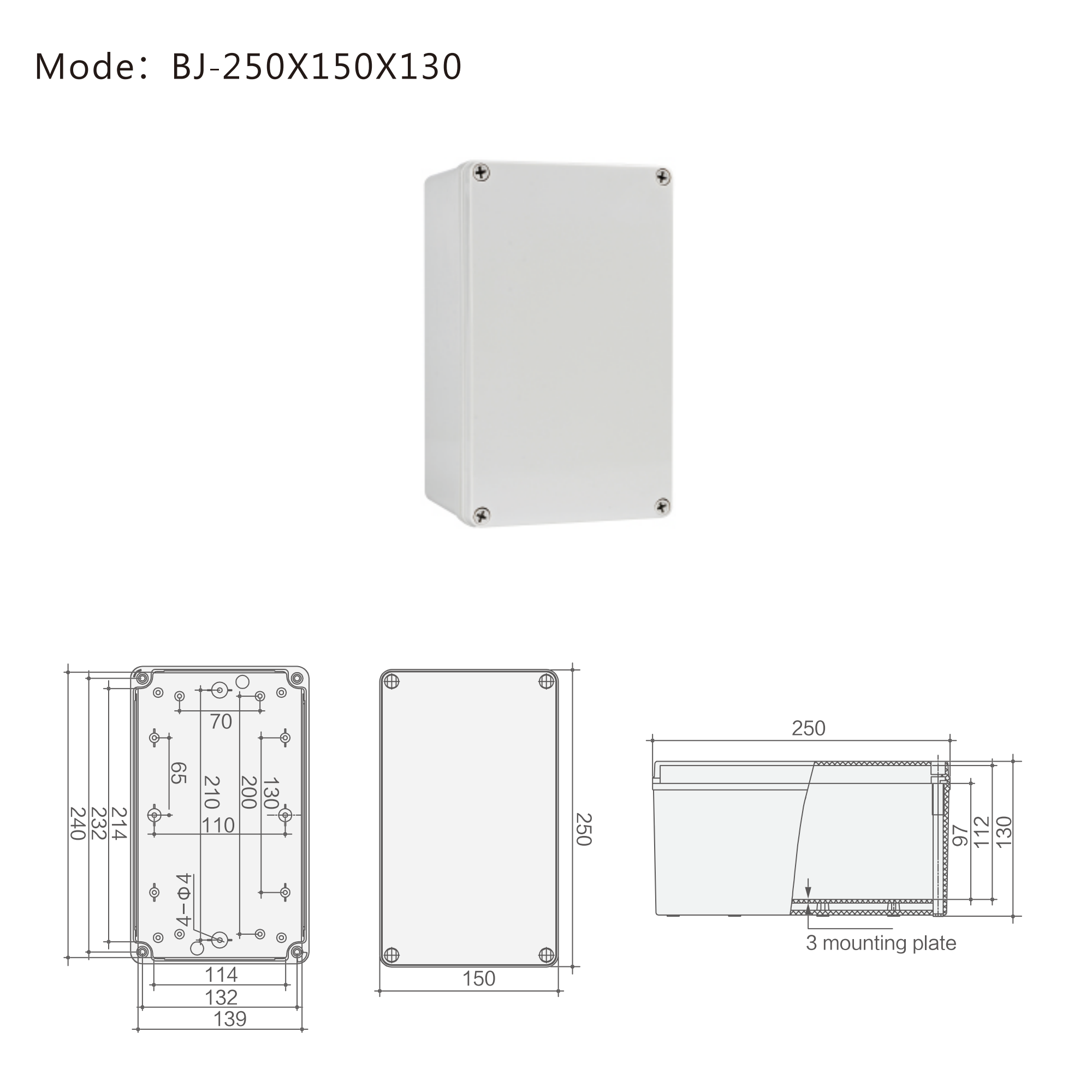
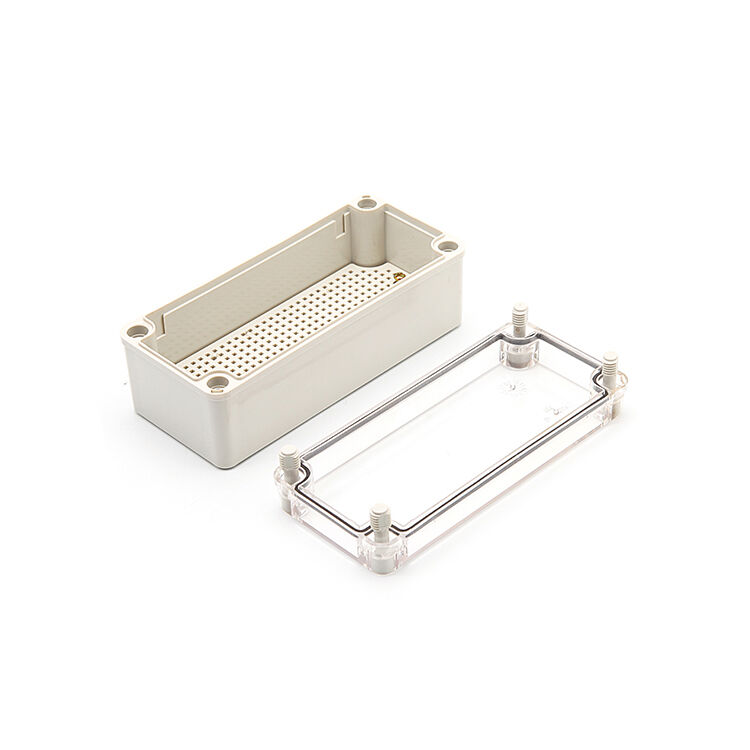
A transparent enclosure represents a revolutionary approach to protective housing solutions, combining visibility with robust protection across diverse industrial and commercial applications. These specialized containers feature crystal-clear walls constructed from premium materials such as polycarbonate, acrylic, or tempered glass, enabling complete visual access to enclosed equipment while maintaining environmental protection. The transparent enclosure serves as an essential component in industries requiring constant monitoring, inspection, or demonstration of internal processes. Modern transparent enclosures incorporate advanced engineering principles that balance optical clarity with structural integrity. The primary function centers on protecting sensitive equipment from environmental hazards including dust, moisture, chemicals, and physical impact while preserving complete visual oversight. Technological features include precision-molded sealing systems that prevent contamination ingress, ventilation mechanisms that regulate internal temperature and humidity, and modular designs that accommodate various equipment configurations. The transparent enclosure often integrates mounting systems, cable management solutions, and access panels that facilitate maintenance operations without compromising protection levels. Applications span numerous sectors including manufacturing facilities, research laboratories, medical equipment housing, outdoor telecommunications infrastructure, and retail display systems. In manufacturing environments, the transparent enclosure enables operators to monitor automated processes, identify potential issues quickly, and ensure quality control standards. Research facilities utilize these enclosures to observe experimental procedures while maintaining sterile conditions. The telecommunications industry employs transparent enclosures to protect critical network equipment from weather exposure while allowing technicians to perform visual inspections. Educational institutions and museums frequently implement transparent enclosures for interactive displays and demonstrations. The construction typically involves injection-molded components with precision-engineered joints that eliminate weak points while maximizing transparency. Advanced transparent enclosures incorporate smart features such as integrated lighting systems, climate control mechanisms, and remote monitoring capabilities that enhance functionality beyond basic protection.

New Product Releases

The transparent enclosure delivers compelling advantages that transform how organizations approach equipment protection and monitoring strategies. Visual accessibility stands as the most significant benefit, allowing personnel to conduct comprehensive inspections without opening the protective housing. This capability reduces maintenance downtime, eliminates exposure risks, and enables immediate identification of operational issues. The transparent walls provide constant visibility into equipment status, helping prevent costly failures through early detection of problems. Installation efficiency represents another major advantage, as the transparent enclosure typically requires minimal setup time compared to traditional protective solutions. The clear design allows installers to verify proper equipment positioning and connection integrity during assembly, reducing installation errors and subsequent rework requirements. Cost-effectiveness becomes apparent through multiple factors including reduced maintenance cycles, extended equipment lifespan, and improved operational efficiency. The transparent enclosure eliminates the need for frequent opening and closing procedures that can compromise environmental seals and introduce contaminants. Energy efficiency benefits emerge from intelligent design features that optimize natural lighting utilization while maintaining climate control effectiveness. Many transparent enclosures incorporate thermal management systems that regulate internal temperatures more efficiently than opaque alternatives, reducing cooling costs and improving equipment reliability. Safety enhancements include immediate hazard identification, reduced need for personnel to access potentially dangerous areas, and improved emergency response capabilities through constant visual monitoring. The transparent enclosure enables operators to maintain safe distances while observing critical processes, particularly valuable in chemical processing, high-voltage applications, and automated manufacturing environments. Customization flexibility allows organizations to tailor the transparent enclosure to specific requirements including size modifications, access panel configurations, and integrated monitoring systems. This adaptability ensures optimal functionality across diverse applications while maintaining standardized protection levels. Quality assurance improvements result from continuous visual oversight that enables real-time process monitoring and immediate correction of deviations. The transparent enclosure facilitates better documentation and training opportunities by providing clear observation of internal operations. Environmental protection capabilities include weather resistance, chemical compatibility, and impact protection that safeguard valuable equipment investments. Modern transparent enclosures achieve IP ratings comparable to traditional protective housing while maintaining superior visibility characteristics.

Practical Tips

Top 5 Electrical Boxes for Home Wiring in 2025

13

Mar

Top 5 Electrical Boxes for Home Wiring in 2025

Top 5 Electrical Boxes for Home Wiring in 2025 Choosing the right electrical box is one of the most important steps in safe home wiring. Electrical boxes protect wire connections, prevent fire hazards, and ensure your installation complies with elec...
View More
EV Charging Station Junction Enclosure Solutions for 2025

24

Mar

EV Charging Station Junction Enclosure Solutions for 2025

The rapid expansion of electric vehicle infrastructure in 2025 demands specialized junction enclosure solutions that can withstand harsh environmental conditions while maintaining reliable electrical connections. As EV charging stations become more p...
View More
2025 Industrial Metal Enclosure Pricing & Sourcing Guide

23

Apr

2025 Industrial Metal Enclosure Pricing & Sourcing Guide

Industrial procurement professionals face increasingly complex decisions when sourcing metal enclosure solutions in 2025, with market dynamics shifting due to raw material costs, manufacturing innovations, and evolving regulatory requirements. This c...
View More
Best Budget Panel Boards with Premium Features (Price Table Inside)

23

Apr

Best Budget Panel Boards with Premium Features (Price Table Inside)

Finding the right panel board that combines affordability with premium features requires careful evaluation of cost-effectiveness, performance specifications, and long-term reliability. Budget-conscious buyers often assume they must sacrifice quality...
View More

Get a Free Quote

Our representative will contact you soon.
Email
Name
Company Name
Message
0/1000

transparent enclosure

Advanced Materials Engineering for Superior Clarity and Protection

Advanced Materials Engineering for Superior Clarity and Protection

The transparent enclosure utilizes cutting-edge materials engineering that revolutionizes protective housing technology through innovative polymer compositions and manufacturing processes. Premium-grade polycarbonate and specialized acrylic formulations provide exceptional optical clarity while delivering impact resistance up to 200 times greater than standard glass alternatives. These advanced materials undergo proprietary treatment processes that enhance UV resistance, preventing yellowing and degradation that traditionally plague transparent protective solutions. The molecular structure of these engineered plastics creates a barrier that maintains crystal-clear visibility even after years of exposure to harsh environmental conditions including extreme temperatures, chemical vapors, and intense sunlight. Manufacturing precision ensures consistent wall thickness that eliminates optical distortion while maximizing structural strength throughout the entire transparent enclosure assembly. The material selection process considers thermal expansion coefficients that maintain seal integrity across temperature fluctuations, preventing gaps that could compromise protection levels. Advanced surface treatments including anti-static coatings and easy-clean finishes enhance functionality while preserving transparency. The transparent enclosure materials resist scratching, crazing, and stress cracking that commonly affect inferior transparent protective solutions. Chemical compatibility testing ensures the materials maintain integrity when exposed to cleaning solvents, industrial chemicals, and environmental pollutants commonly encountered in various applications. Impact testing validates the transparent enclosure capability to withstand mechanical stress, vandalism attempts, and accidental damage while maintaining protective integrity. The engineering approach balances weight optimization with strength requirements, resulting in transparent enclosures that provide maximum protection while minimizing installation complexity. Quality control processes monitor material consistency, optical properties, and mechanical characteristics throughout production to ensure every transparent enclosure meets stringent performance standards. The materials demonstrate excellent long-term stability, maintaining protective properties and visual clarity throughout extended service life cycles that often exceed traditional protective housing solutions by significant margins.
Intelligent Climate Control and Environmental Management Systems

Intelligent Climate Control and Environmental Management Systems

The transparent enclosure incorporates sophisticated environmental management systems that maintain optimal internal conditions while preserving equipment functionality and extending operational lifespan. Integrated climate control mechanisms include precision ventilation systems that regulate air circulation without compromising the protective seal integrity that defines effective transparent enclosure performance. Temperature regulation capabilities utilize passive thermal management techniques combined with active cooling or heating elements when required by specific applications. Humidity control systems prevent condensation buildup that could impair visibility or damage sensitive electronic components housed within the transparent enclosure structure. Air filtration components remove contaminants, dust particles, and chemical vapors that might otherwise accumulate and affect equipment performance or transparency levels. The environmental management system monitors internal conditions continuously through sensor networks that provide real-time feedback on temperature, humidity, air quality, and pressure differentials. Automatic adjustment capabilities respond to changing external conditions by modifying ventilation rates, activating heating or cooling systems, and adjusting humidity levels to maintain optimal equipment operating environments. The transparent enclosure design incorporates pressure equalization mechanisms that prevent stress on sealing systems while maintaining environmental isolation. Advanced models include remote monitoring capabilities that enable facility managers to track environmental conditions and receive alerts when parameters exceed acceptable ranges. Energy efficiency optimization reduces operational costs through intelligent system control that minimizes power consumption while maintaining required environmental conditions. The climate control system design considers the unique thermal properties of transparent materials, accounting for solar heat gain and thermal bridging effects that could impact internal temperatures. Customizable control parameters allow users to tailor environmental conditions to specific equipment requirements, ensuring optimal performance across diverse applications. Integration capabilities enable the transparent enclosure environmental systems to interface with building management systems for coordinated facility-wide environmental control. Maintenance requirements remain minimal through self-diagnostic capabilities and robust component selection that ensures reliable long-term operation with reduced service intervention needs.
Modular Design Architecture for Maximum Flexibility and Scalability

Modular Design Architecture for Maximum Flexibility and Scalability

The transparent enclosure features innovative modular design architecture that provides unprecedented flexibility for customization, expansion, and reconfiguration to meet evolving operational requirements. Standardized connection systems enable seamless integration of multiple transparent enclosure units to create larger protected spaces or accommodate growing equipment installations. The modular approach utilizes precision-engineered interface components that maintain structural integrity and environmental sealing while allowing field assembly and modification without specialized tools or extensive technical expertise. Component standardization reduces inventory requirements and simplifies maintenance procedures by enabling interchangeable parts across different transparent enclosure configurations. The design architecture accommodates diverse mounting options including floor-standing, wall-mounted, and ceiling-suspended installations that maximize space utilization in various facility layouts. Access panel configurations provide flexible entry options with hinged, sliding, or removable panels that facilitate maintenance operations while preserving the protective environment. Cable management systems integrate seamlessly with the modular design, providing organized routing for power, data, and control cables without compromising the transparent enclosure integrity. Expansion capabilities allow users to add functional modules such as lighting systems, monitoring equipment, or specialized ventilation components as operational needs evolve. The modular transparent enclosure design supports both indoor and outdoor applications through weather-resistant sealing systems and materials that maintain performance across diverse environmental conditions. Standardized dimensions enable efficient shipping and storage while reducing packaging waste compared to custom-built protective solutions. Assembly procedures utilize intuitive connection methods that minimize installation time and reduce the potential for assembly errors that could compromise protective performance. Quality assurance benefits from modular manufacturing that enables comprehensive testing of individual components before final assembly. The design architecture facilitates future upgrades and modifications by incorporating provisions for additional features without requiring complete transparent enclosure replacement. Scalability extends from small single-equipment installations to large multi-bay configurations that protect entire equipment arrays while maintaining visual oversight capabilities. Compatibility considerations ensure the modular transparent enclosure systems integrate effectively with existing facility infrastructure including structural support systems, environmental controls, and monitoring networks.
Premium Transparent Enclosures: Advanced Protection Solutions with Complete Visibility

Get a Free Quote

Our representative will contact you soon.
Email
Name
Company Name
Message
0/1000