industrial electrical cabinet
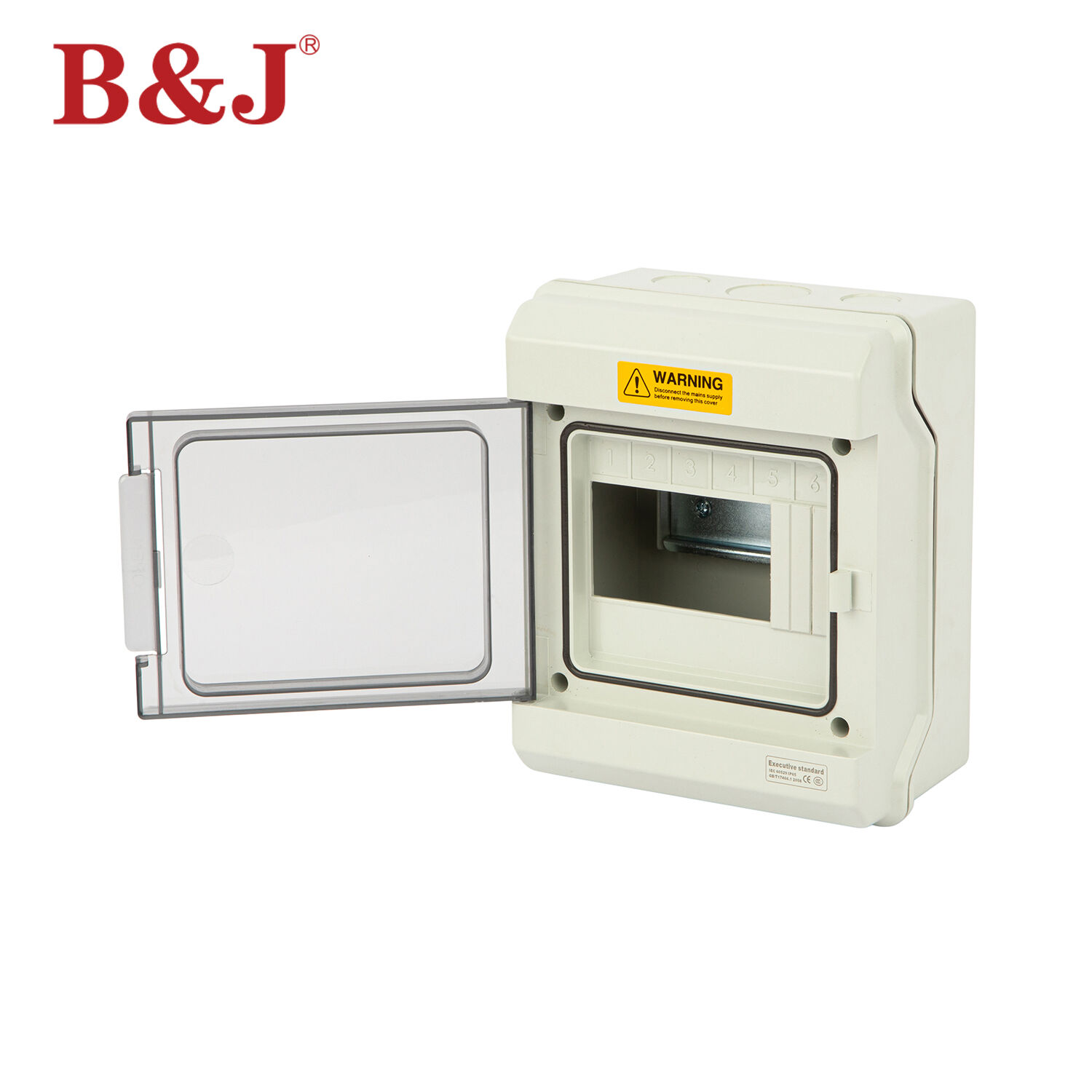
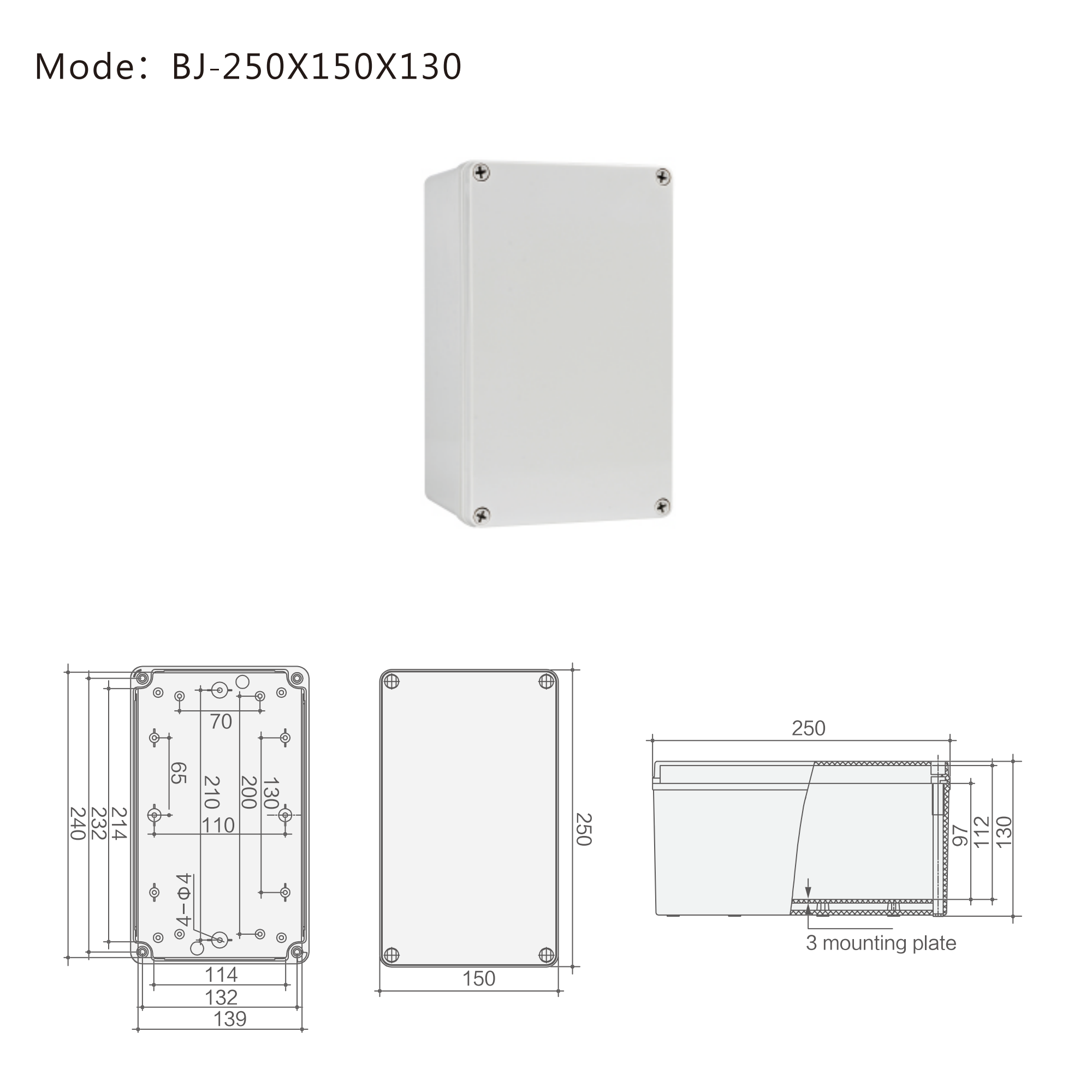
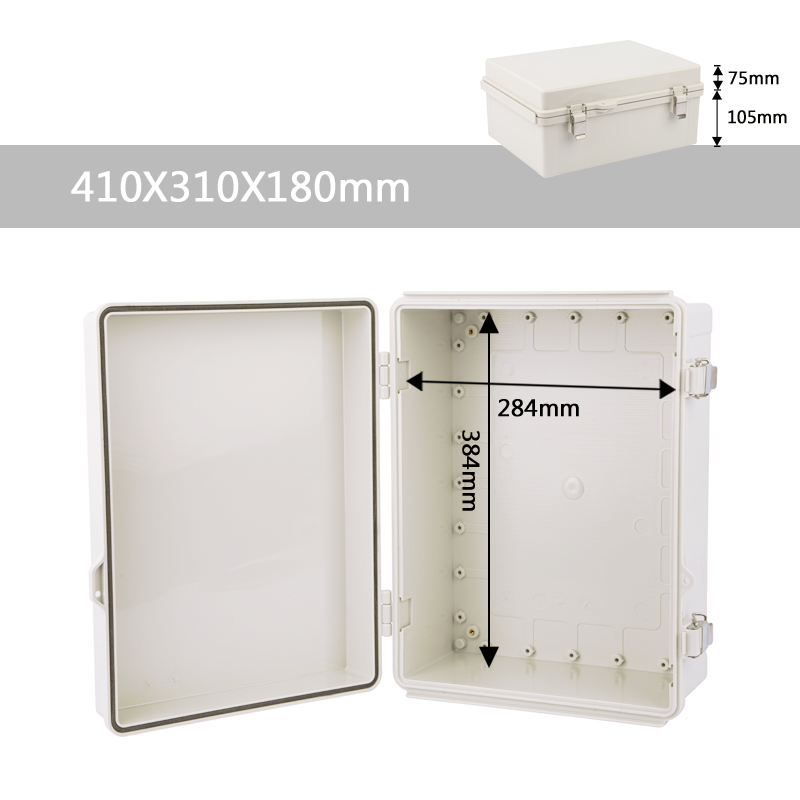
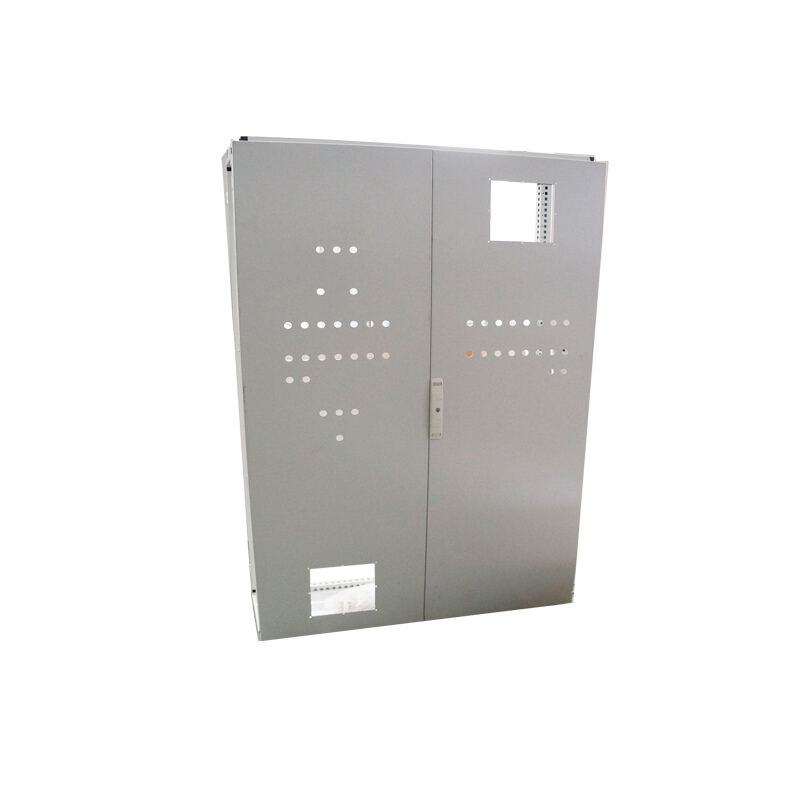
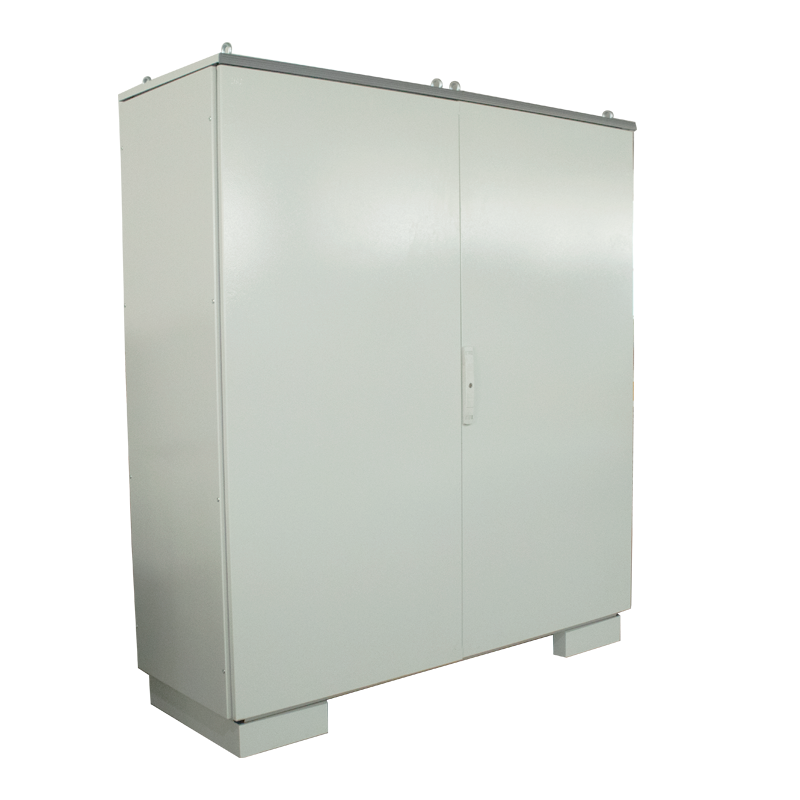
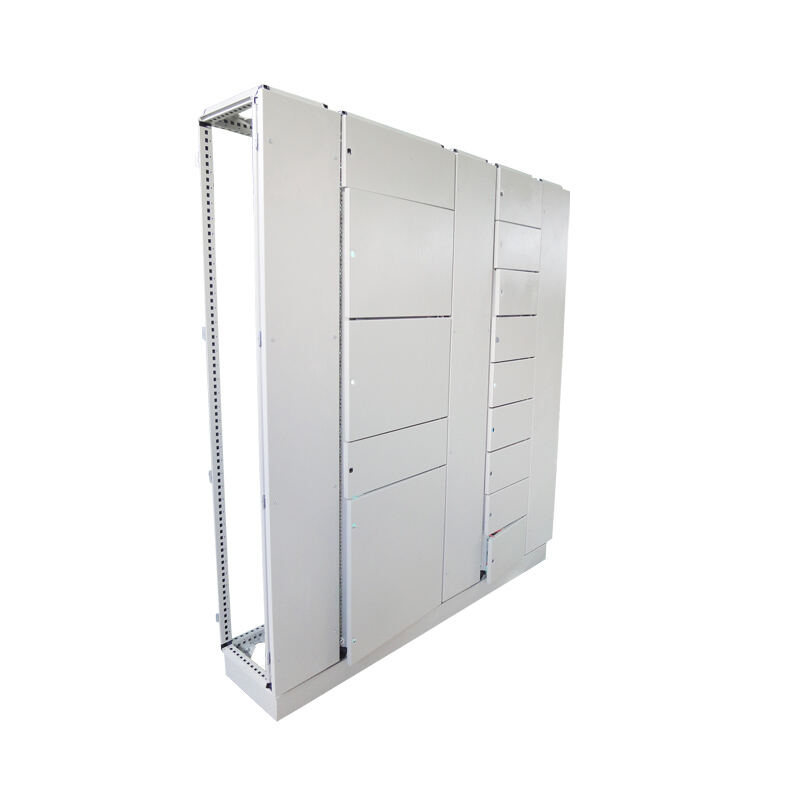
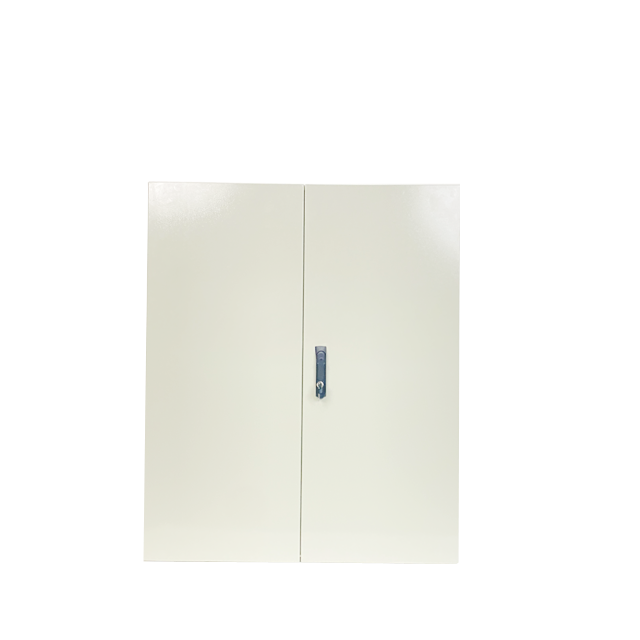
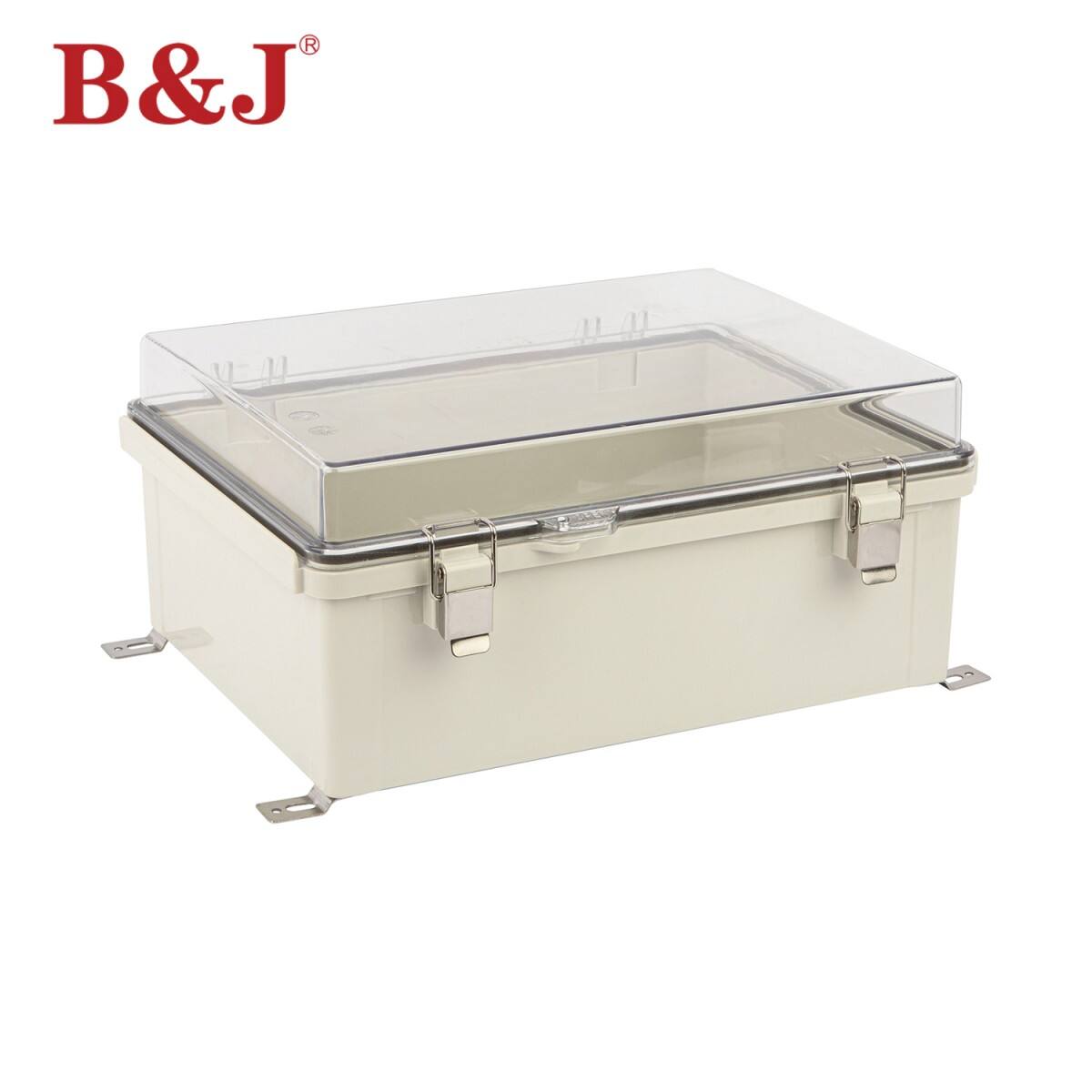
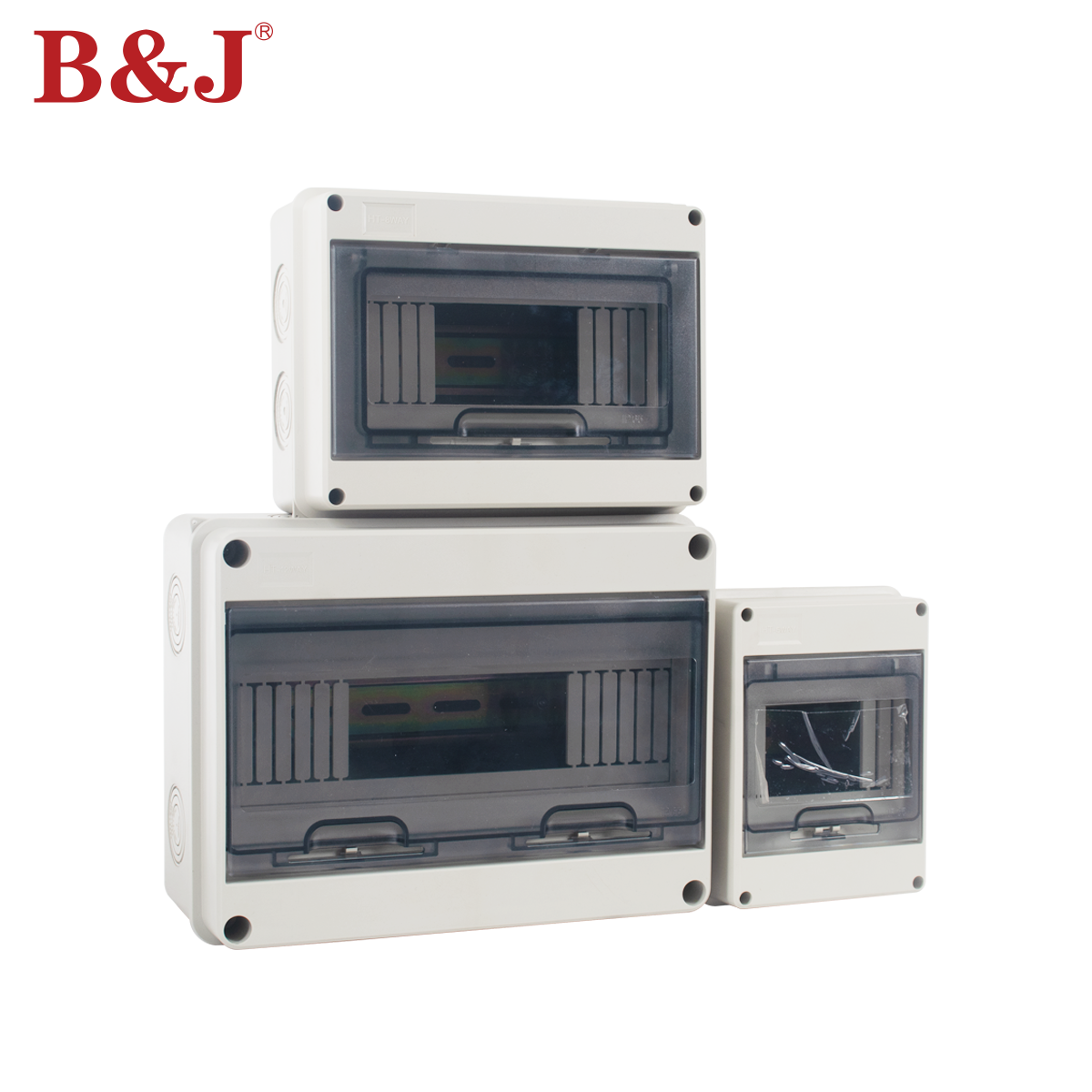
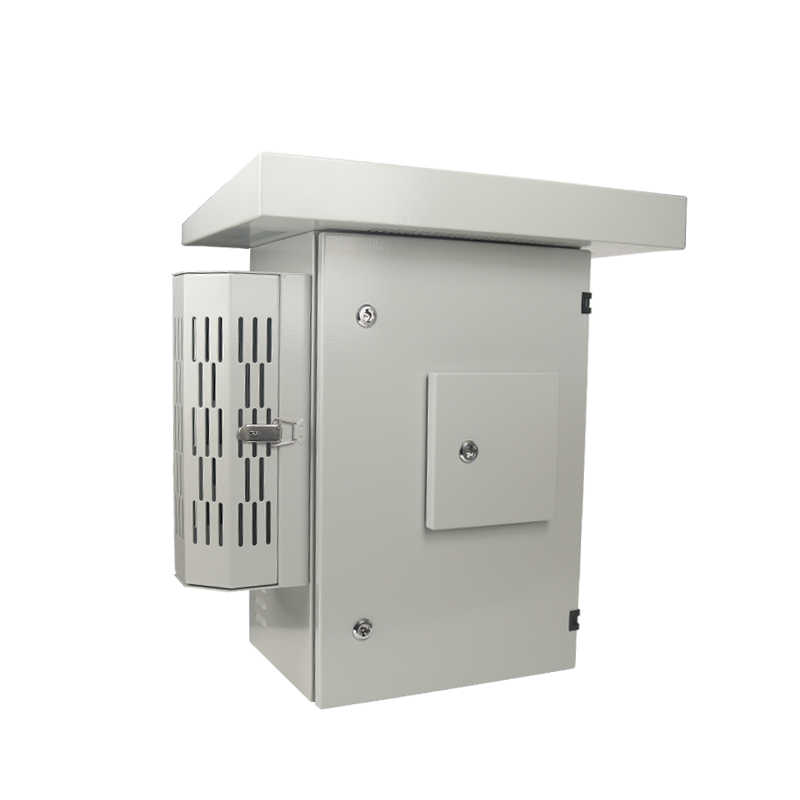
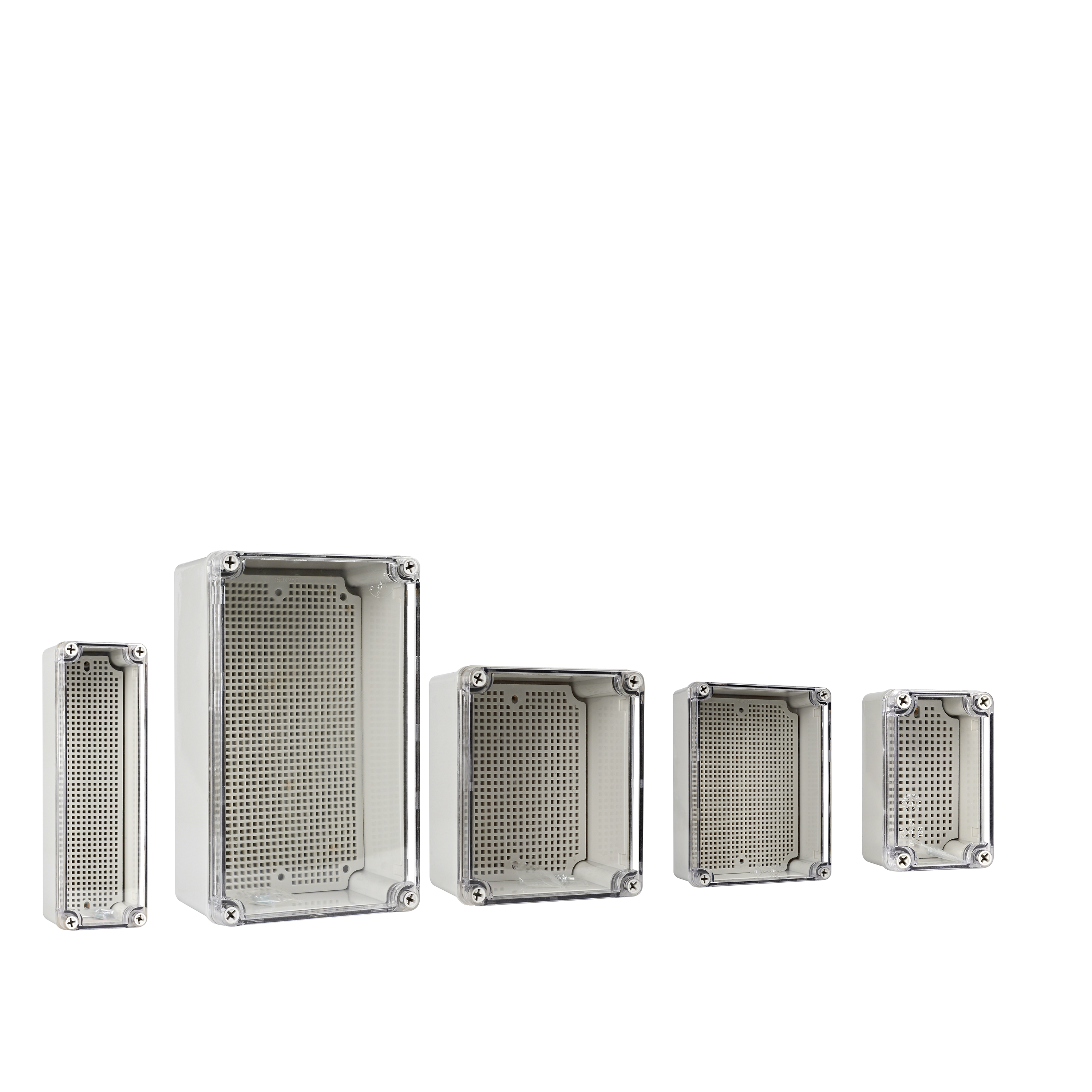
Industrial electrical cabinets represent critical infrastructure components that house, protect, and organize electrical control systems within manufacturing facilities, processing plants, and commercial installations. These robust enclosures serve as centralized command centers for electrical distribution, motor control, and automation equipment, ensuring safe and efficient operation of industrial machinery and systems. The primary function of an industrial electrical cabinet involves protecting sensitive electrical components from environmental hazards such as dust, moisture, corrosive substances, and physical damage while maintaining accessibility for maintenance and troubleshooting procedures. Modern industrial electrical cabinets incorporate advanced materials and engineering designs to withstand harsh industrial environments, including extreme temperatures, vibrations, and chemical exposure. Key technological features include standardized mounting rails for easy component installation, integrated ventilation systems for thermal management, and modular designs that accommodate future expansions or modifications. These cabinets typically feature multiple compartments for different voltage levels, ensuring proper separation between high-voltage power distribution and low-voltage control circuits. Communication interfaces enable seamless integration with supervisory control and data acquisition systems, allowing remote monitoring and diagnostics capabilities. Industrial electrical cabinets find extensive applications across diverse sectors including manufacturing automation, water treatment facilities, power generation plants, oil and gas refineries, pharmaceutical production, food processing, and transportation systems. In automotive manufacturing, these cabinets control robotic assembly lines, conveyor systems, and quality control equipment. Chemical processing facilities rely on specialized industrial electrical cabinets designed to meet stringent safety standards for hazardous environments. The construction industry utilizes these cabinets for crane operations, elevator systems, and building automation. Mining operations depend on ruggedized versions capable of withstanding extreme conditions while maintaining reliable electrical distribution and control functions throughout underground and surface mining equipment.