 EN
EN

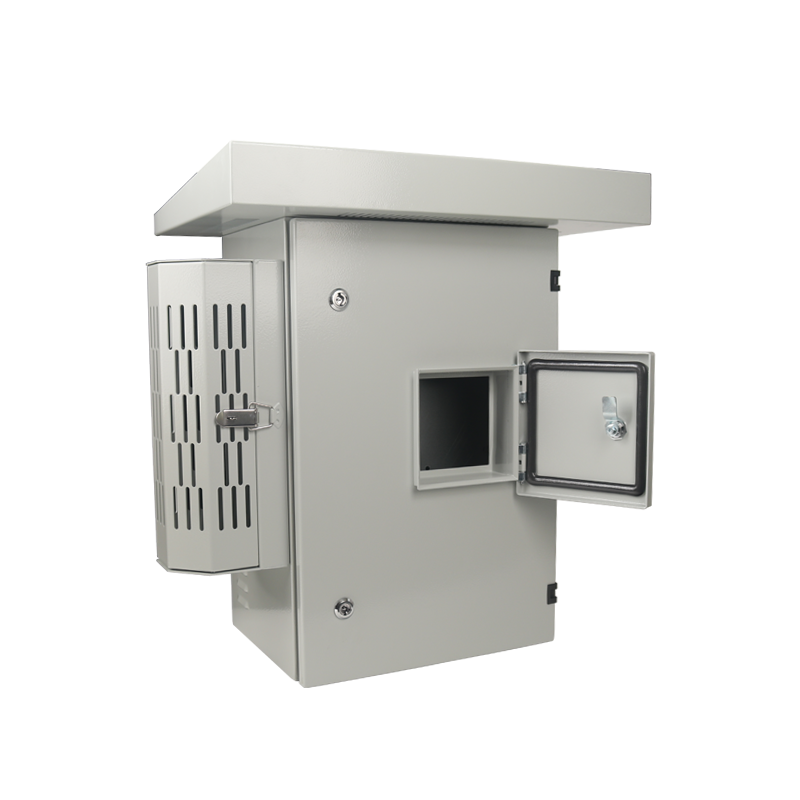
Industrial procurement professionals face increasingly complex decisions when sourcing metal enclosure solutions in 2025, with market dynamics shifting due to raw material costs, manufacturing innovations, and evolving regulatory requirements. This comprehensive pricing and sourcing guide provides essential insights into current market conditions, cost factors, and strategic procurement approaches that impact metal enclosure investments across industrial applications.
The 2025 metal enclosure market presents unique opportunities and challenges for industrial buyers, with pricing structures influenced by global supply chain adjustments, technological advancements in manufacturing processes, and increased demand for specialized protection ratings. Understanding these market forces enables procurement teams to develop effective sourcing strategies that balance cost optimization with performance requirements while ensuring long-term supplier relationships support operational continuity.
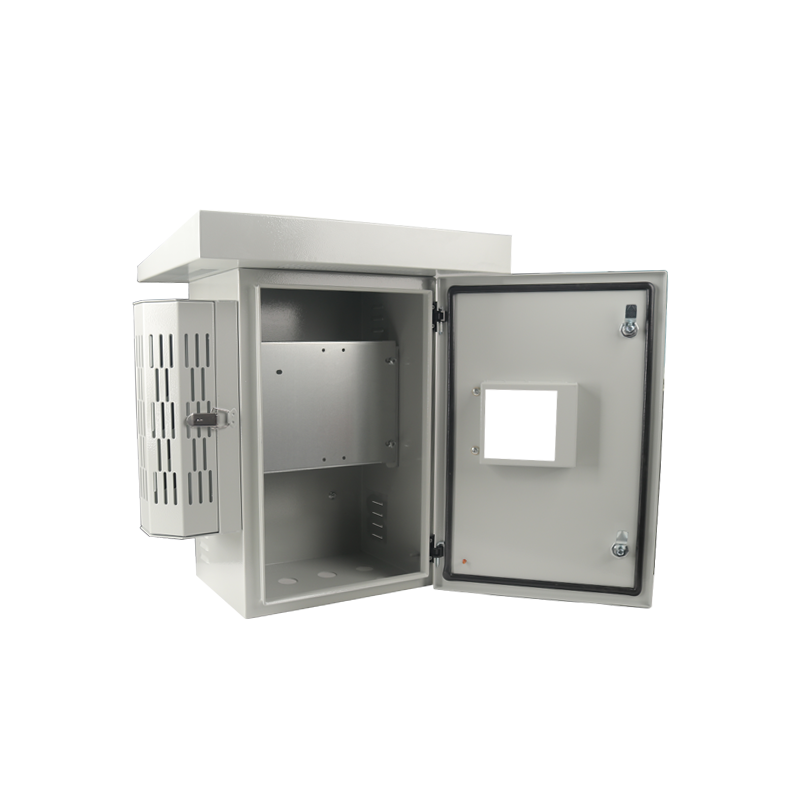
Current Market Pricing Dynamics for Metal Enclosures
Raw Material Cost Influences
Steel and aluminum prices significantly impact metal enclosure manufacturing costs throughout 2025, with commodity market fluctuations directly affecting final product pricing. Steel prices have shown moderate stability compared to 2023-2024 volatility, though regional variations in raw material availability continue to influence manufacturing location decisions. The metal enclosure industry closely monitors these commodity trends as they represent approximately 40-50% of total production costs for standard industrial applications.
Manufacturing facilities have adapted their pricing models to account for raw material price volatility, often implementing quarterly price adjustments or material surcharge mechanisms. These pricing structures help manufacturers manage cost uncertainty while providing buyers with more predictable procurement planning horizons. Understanding these mechanisms enables procurement professionals to negotiate more effectively and plan budget allocations with greater accuracy.
Manufacturing Technology Impact on Pricing
Advanced manufacturing technologies including automated welding systems, precision cutting equipment, and integrated quality control processes have influenced metal enclosure pricing structures in 2025. These technological investments initially increase manufacturing costs but often result in improved production efficiency, consistent quality standards, and reduced labor dependency. The net effect varies by manufacturer scale and technology adoption timeline.
Manufacturers investing in Industry 4.0 technologies report improved cost predictability and production scheduling accuracy, benefits that translate into more competitive pricing for volume orders. Smart manufacturing capabilities also enable customization without traditional cost penalties, making specialized metal enclosure configurations more accessible to diverse industrial applications. These technological advantages become increasingly important for buyers seeking reliable supply partnerships.
Strategic Sourcing Approaches in 2025
Supplier Evaluation Criteria
Effective metal enclosure sourcing requires comprehensive supplier evaluation beyond price considerations, incorporating manufacturing capabilities, quality certifications, delivery reliability, and technical support services. Leading procurement organizations develop scorecards that weight these factors according to specific application requirements and risk tolerance levels. Quality certifications such as ISO 9001, UL listings, and IP rating validations provide essential foundation criteria for supplier qualification processes.
Geographic proximity to manufacturing facilities increasingly influences sourcing decisions as supply chain resilience becomes a strategic priority. Local and regional suppliers offer advantages in communication, quality oversight, customization support, and emergency response capabilities. However, global sourcing remains viable for standardized metal enclosure applications where cost optimization outweighs proximity benefits.
Contract Structure Optimization
Modern metal enclosure procurement contracts incorporate flexible pricing mechanisms that address market volatility while providing cost predictability for both parties. Price escalation clauses tied to commodity indices, volume discount tiers, and multi-year agreements with periodic price reviews have become standard practices. These contract structures help manage risk while maintaining competitive pricing throughout extended procurement relationships.
Performance-based contracting elements including delivery guarantees, quality metrics, and service level agreements provide additional value beyond basic product supply. These contractual frameworks align supplier incentives with buyer operational requirements, creating partnerships that support continuous improvement and innovation. Successful metal enclosure sourcing strategies leverage these contractual tools to build competitive advantage through supplier collaboration.
Cost Optimization Strategies for Industrial Buyers
Volume Consolidation Benefits
Consolidating metal enclosure requirements across multiple facilities, projects, or applications provides significant cost optimization opportunities through volume pricing tiers and manufacturing efficiency gains. Many industrial buyers achieve 15-25% cost reductions by standardizing enclosure specifications and consolidating orders with preferred suppliers. This approach requires careful coordination between engineering teams, project managers, and procurement professionals to identify consolidation opportunities.
Strategic volume consolidation extends beyond simple order aggregation to include standardization of mounting configurations, protection ratings, and accessory requirements. This standardization reduces manufacturing complexity, enables inventory optimization, and simplifies maintenance and service procedures across industrial facilities. The resulting cost benefits compound over time as operational efficiency improvements complement direct purchase price reductions.
Specification Optimization Approaches
Right-sizing metal enclosure specifications to actual application requirements eliminates unnecessary costs while maintaining required protection and functionality levels. Over-specification remains a common source of procurement inefficiency, particularly when standard catalog products provide adequate performance at significantly lower costs than custom engineered solutions. Technical specification reviews with experienced suppliers often identify cost-effective alternatives that meet performance requirements.
Value engineering collaboration between buyers and metal enclosure manufacturers can identify design modifications that reduce costs without compromising functionality or reliability. These partnerships leverage supplier manufacturing expertise and buyer application knowledge to develop optimized solutions. Successful value engineering initiatives typically focus on material selection, manufacturing processes, and standard versus custom feature trade-offs.
Regional Market Considerations and Supply Chain Factors
Global Supply Chain Dynamics
International metal enclosure sourcing requires careful evaluation of supply chain risks, logistics costs, and regulatory compliance requirements that impact total cost of ownership. Regional trade policies, shipping capacity constraints, and currency fluctuations add complexity to global sourcing decisions. Many industrial buyers adopt hybrid sourcing strategies that balance global cost advantages with regional supply chain resilience requirements.
Supply chain digitization tools provide improved visibility into global metal enclosure availability, production schedules, and logistics status. These digital capabilities enable more sophisticated sourcing strategies that optimize costs while managing delivery risks. Advanced procurement organizations leverage these tools to develop contingency sourcing plans and supplier diversification strategies that maintain operational continuity under various market conditions.
Regional Manufacturing Capabilities
Regional manufacturing capacity for metal enclosure production varies significantly across global markets, with established industrial centers offering different advantages in terms of cost, capability, and market access. North American manufacturers typically excel in customization capabilities and rapid response to changing requirements, while Asian manufacturers often provide cost advantages for standard products and high-volume applications. European manufacturers frequently lead in advanced materials and specialized protection requirements.
Understanding regional manufacturing strengths enables more effective sourcing strategies that match supplier capabilities with specific application requirements. This approach requires ongoing market intelligence gathering and supplier capability assessments to identify optimal sourcing partners for different metal enclosure categories. Regional manufacturing trends also influence long-term supply availability and pricing structures.
Future Market Trends and Procurement Planning
Technology Integration Impacts
Smart metal enclosure technologies including integrated monitoring systems, environmental controls, and connectivity features are reshaping procurement requirements and pricing structures in 2025. These advanced capabilities add functionality and value but require careful evaluation of cost-benefit trade-offs. Industrial buyers must assess whether smart features provide sufficient operational value to justify premium pricing over traditional metal enclosure solutions.
The integration of Internet of Things capabilities into metal enclosure designs enables predictive maintenance, remote monitoring, and enhanced security features. These technological advances create new procurement evaluation criteria and supplier selection requirements. Forward-thinking procurement strategies incorporate these technology trends while maintaining focus on fundamental protection and reliability requirements that drive metal enclosure selection decisions.
Sustainability and Regulatory Influences
Environmental regulations and sustainability initiatives increasingly influence metal enclosure sourcing decisions, with buyers evaluating supplier environmental practices, material recyclability, and energy efficiency throughout product lifecycles. These considerations add new dimensions to supplier evaluation and may impact pricing structures as manufacturers invest in sustainable production processes. Procurement teams must balance environmental objectives with cost optimization goals.
Circular economy principles are being integrated into metal enclosure design and manufacturing processes, with suppliers offering take-back programs, refurbishment services, and recycled material content options. These sustainability features may command premium pricing initially but often provide long-term value through reduced disposal costs and enhanced corporate sustainability metrics. Strategic procurement planning incorporates these emerging trends into supplier evaluation and contract negotiation processes.
FAQ
What factors most significantly impact metal enclosure pricing in 2025?
Raw material costs, manufacturing technology investments, customization requirements, and volume commitments represent the primary pricing drivers for metal enclosure procurement in 2025. Steel and aluminum commodity prices directly influence base costs, while advanced manufacturing capabilities and customization complexity add variable pricing elements. Volume consolidation and long-term contracts provide the most effective cost optimization opportunities.
How should industrial buyers evaluate potential metal enclosure suppliers?
Comprehensive supplier evaluation should include manufacturing capabilities, quality certifications, delivery reliability, technical support services, and financial stability assessments. Geographic proximity, customization capabilities, and supply chain resilience factors have gained importance in supplier selection criteria. Reference checks with existing customers and facility audits provide valuable insights into supplier performance and capability consistency.
What contract structures provide the best value for metal enclosure procurement?
Flexible pricing mechanisms with commodity index escalation clauses, volume discount tiers, and multi-year agreements with periodic price reviews offer optimal value and risk management. Performance-based elements including delivery guarantees, quality metrics, and service level agreements enhance procurement value beyond basic product supply. These contract structures align supplier incentives with buyer operational requirements while managing cost volatility.
How can buyers optimize costs without compromising metal enclosure quality or functionality?
Volume consolidation across multiple applications, specification standardization, and value engineering collaboration with suppliers provide the most effective cost optimization approaches. Right-sizing specifications to actual requirements eliminates over-specification costs while maintaining necessary protection levels. Strategic supplier partnerships that focus on total cost of ownership rather than initial purchase price deliver long-term value optimization.
Table of Contents
- Current Market Pricing Dynamics for Metal Enclosures
- Strategic Sourcing Approaches in 2025
- Cost Optimization Strategies for Industrial Buyers
- Regional Market Considerations and Supply Chain Factors
- Future Market Trends and Procurement Planning
-
FAQ
- What factors most significantly impact metal enclosure pricing in 2025?
- How should industrial buyers evaluate potential metal enclosure suppliers?
- What contract structures provide the best value for metal enclosure procurement?
- How can buyers optimize costs without compromising metal enclosure quality or functionality?