 EN
EN

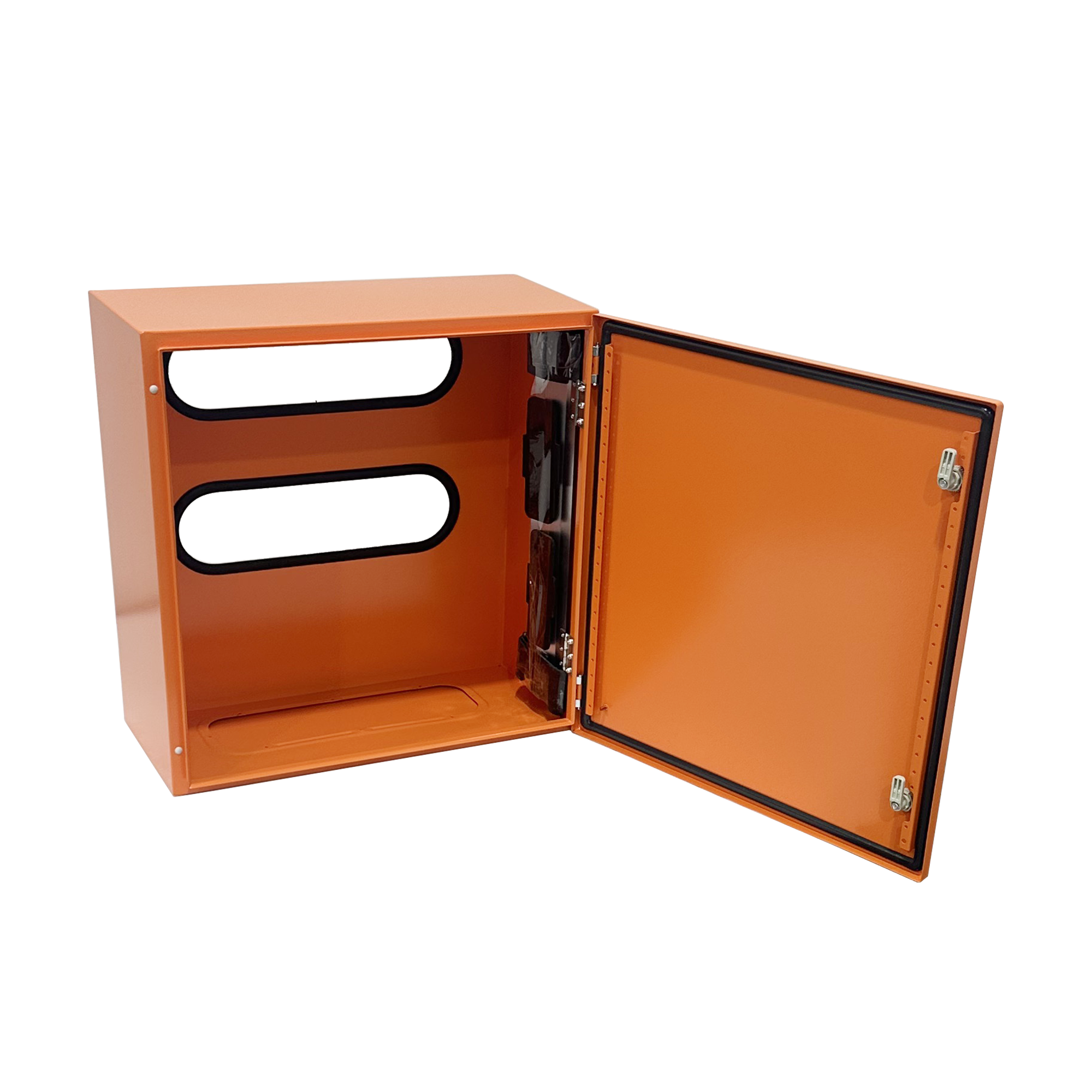
Manufacturing cost optimization remains a critical factor when selecting fabrication methods for metal enclosure production. The choice between laser cutting and CNC punching directly impacts both initial tooling investments and per-unit production expenses, making this decision particularly important for electrical cabinet manufacturers and industrial equipment producers who need to balance quality with competitive pricing.
Understanding the cost implications of each fabrication method requires analyzing multiple variables including material thickness, production volume, design complexity, and long-term operational efficiency. Both laser cutting and CNC punching offer distinct advantages for metal enclosure manufacturing, but their cost-effectiveness varies significantly based on specific project requirements and production parameters.
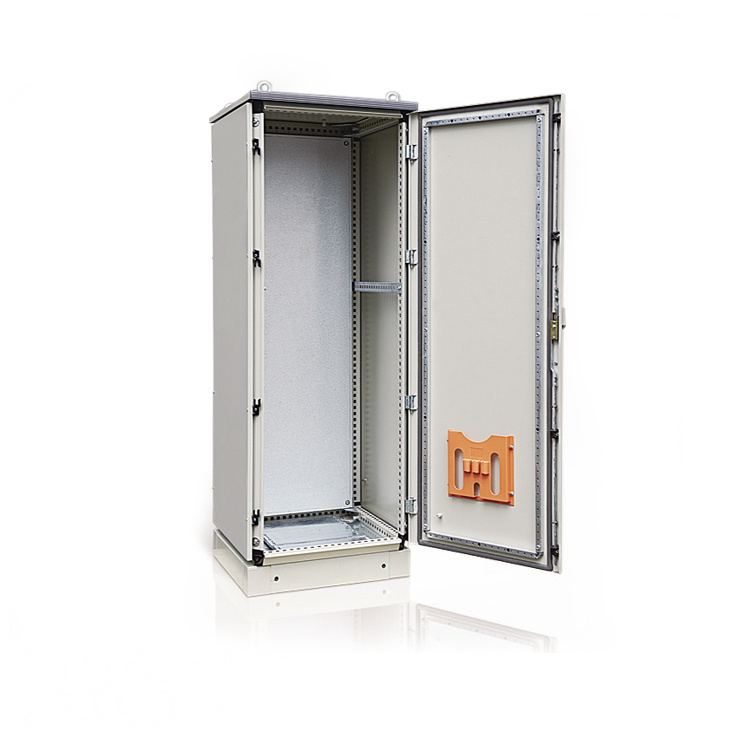
Initial Investment and Setup Costs
Laser Cutting Equipment Costs
Laser cutting systems for metal enclosure fabrication typically require substantial initial capital investment, ranging from moderate fiber laser systems to high-power industrial units. The equipment costs include the laser source, cutting head, motion control systems, and auxiliary equipment such as material handling systems and fume extraction units. However, laser cutting offers immediate production capability without additional tooling requirements.
The flexibility of laser systems allows manufacturers to begin producing metal enclosure components immediately after equipment installation and calibration. This eliminates the lead time and costs associated with custom tooling development, making laser cutting particularly attractive for prototyping and low-volume production runs where time-to-market considerations outweigh per-unit cost optimization.
CNC Punching Setup Requirements
CNC punching machines generally have lower base equipment costs compared to laser cutting systems, but require significant investment in custom tooling for each metal enclosure design. Punch and die sets must be precisely manufactured to achieve the required hole sizes, shapes, and edge quality specifications. The tooling costs can range from hundreds to thousands of dollars per tool set, depending on complexity and precision requirements.
The tooling development process also introduces lead times that can extend project schedules, particularly when custom shapes or specialized forming operations are required for unique metal enclosure configurations. However, once tooling is established, CNC punching can achieve very low per-unit costs for high-volume production runs, making the initial tooling investment economically viable over large production quantities.
Production Volume Impact on Cost Analysis
Low to Medium Volume Considerations
For metal enclosure production volumes below 1000 units annually, laser cutting typically provides superior cost performance due to the absence of tooling requirements. The programming flexibility allows for rapid design iterations and customization without additional setup costs. Laser cutting also excels in scenarios where multiple metal enclosure variants are required within the same project, as each configuration can be programmed without physical tooling changes.
The elimination of tool wear considerations in laser cutting ensures consistent quality throughout the production run, while CNC punching tools may require maintenance, sharpening, or replacement that adds to the total cost of ownership. For custom metal enclosure applications with frequent design modifications, laser cutting provides the operational flexibility that translates directly into cost savings.
High Volume Production Economics
CNC punching demonstrates significant cost advantages for metal enclosure production volumes exceeding 5000 units annually. The high processing speed of punching operations, combined with the amortization of tooling costs over large quantities, results in substantially lower per-unit manufacturing expenses. Punching speeds can reach several hundred hits per minute, far exceeding typical laser cutting speeds for similar operations.
The predictable cycle times in CNC punching enable more accurate production planning and capacity utilization, contributing to overall manufacturing efficiency. High-volume metal enclosure production also benefits from the repeatability and consistency achievable with precision tooling, reducing quality variation and minimizing secondary operations that could impact total production costs.
Material Considerations and Processing Capabilities
Thickness Range and Material Compatibility
Laser cutting systems excel across a broad range of material thicknesses commonly used in metal enclosure applications, from thin gauge sheet metal to thick plate materials. The process maintains consistent quality regardless of material thickness, with cut quality determined primarily by laser power, cutting speed, and assist gas selection rather than mechanical limitations imposed by tooling.
CNC punching effectiveness varies significantly with material thickness, with optimal performance typically achieved in sheet metal applications up to 6mm thickness. Thicker materials require increased tonnage capacity and more robust tooling, potentially increasing both equipment and tooling costs. The mechanical nature of punching also limits material compatibility to metals with appropriate ductility characteristics.
Edge Quality and Secondary Operations
The thermal cutting process in laser systems produces smooth, precise edges that often eliminate the need for secondary finishing operations in metal enclosure manufacturing. This reduction in post-processing requirements contributes to overall cost savings by eliminating additional labor and equipment requirements. However, some applications may require edge treatment to remove oxidation or achieve specific surface finishes.
CNC punching creates mechanically sheared edges that may exhibit burr formation or slight angular deviation depending on tooling condition and material properties. While punched edges are often acceptable for standard metal enclosure applications, critical dimensions or decorative surfaces may require secondary operations such as deburring or edge finishing, adding to the total manufacturing cost.
Design Complexity and Geometric Flexibility
Complex Geometry Handling
Laser cutting provides unlimited geometric flexibility for metal enclosure designs, capable of producing intricate patterns, tight radius curves, and complex internal features without additional tooling costs. This capability proves particularly valuable for specialized metal enclosure applications requiring ventilation patterns, cable management features, or decorative elements that would be impractical or expensive to achieve through punching operations.
The ability to nest complex shapes efficiently on raw material sheets contributes to material utilization optimization, reducing waste and lowering material costs per finished metal enclosure unit. Automated nesting software can optimize part placement to maximize sheet utilization while maintaining proper spacing for thermal effects and part separation.
Standard Feature Production
CNC punching excels in producing standard features such as mounting holes, knockout patterns, and simple rectangular openings commonly found in industrial metal enclosure designs. The mechanical forming capability of punching operations can also create features such as louvers, embossed areas, and formed flanges in a single operation, potentially eliminating separate forming processes.
The repeatability of punched features ensures consistent quality across large production runs, while the high-speed operation capability makes CNC punching ideal for metal enclosure designs with numerous standard holes or openings. The mechanical forming capability also allows for the creation of structural features that enhance enclosure rigidity without additional assembly operations.
Operational Efficiency and Long-Term Cost Factors
Energy Consumption and Operating Costs
Laser cutting systems typically consume more energy per unit of production compared to CNC punching operations, particularly when processing thicker materials or operating at maximum capacity. The electrical requirements for high-power laser sources, cooling systems, and auxiliary equipment contribute to ongoing operational costs that must be factored into total cost analysis for metal enclosure production.
CNC punching machines generally operate with lower energy consumption per processed unit, as the mechanical operation requires power primarily for the punching stroke and material positioning systems. The intermittent power demand of punching operations contrasts with the continuous power requirements of laser systems, potentially resulting in lower utility costs for high-volume metal enclosure production.
Maintenance and Consumable Costs
Laser cutting systems require regular maintenance of optical components, assist gas consumption, and periodic replacement of consumables such as nozzles and protective lenses. While these costs are generally predictable, they represent ongoing expenses that accumulate over the system's operational life. The precision required for optical alignment and beam quality maintenance may also necessitate specialized technical support.
CNC punching maintenance focuses primarily on tooling replacement, machine lubrication, and mechanical component servicing. Tool life varies significantly based on material properties, processing parameters, and production volumes, but predictable wear patterns allow for planned maintenance scheduling. The mechanical nature of punching operations generally allows for more straightforward troubleshooting and repair procedures compared to laser systems.
FAQ
What production volume makes CNC punching more cost-effective than laser cutting for metal enclosures?
CNC punching typically becomes more cost-effective than laser cutting for metal enclosure production when annual volumes exceed 3,000-5,000 units, depending on design complexity and material specifications. The crossover point depends on tooling costs, production speed differences, and the specific geometric requirements of the enclosure design.
Can laser cutting handle the same material thicknesses as CNC punching for metal enclosures?
Laser cutting generally handles a broader range of material thicknesses for metal enclosure applications, effectively processing materials from thin gauge sheet metal up to 25mm or thicker depending on laser power. CNC punching is typically most effective on materials up to 6-8mm thickness, with thicker materials requiring significantly higher tonnage capacity and more robust tooling.
How do design changes affect costs differently between laser cutting and CNC punching?
Design changes in laser cutting require only program modifications with no additional tooling costs, making design iterations relatively inexpensive. CNC punching design changes often require new tooling development, which can add significant costs and lead times. This makes laser cutting more suitable for prototyping and low-volume custom metal enclosure applications.
Which method provides better edge quality for metal enclosure applications?
Laser cutting typically provides superior edge quality with smooth, precise cuts that often require no secondary finishing operations. CNC punching produces mechanically sheared edges that may exhibit slight burr formation, though this is often acceptable for standard metal enclosure applications and can be minimized through proper tooling maintenance and processing parameters.
Table of Contents
- Initial Investment and Setup Costs
- Production Volume Impact on Cost Analysis
- Material Considerations and Processing Capabilities
- Design Complexity and Geometric Flexibility
- Operational Efficiency and Long-Term Cost Factors
-
FAQ
- What production volume makes CNC punching more cost-effective than laser cutting for metal enclosures?
- Can laser cutting handle the same material thicknesses as CNC punching for metal enclosures?
- How do design changes affect costs differently between laser cutting and CNC punching?
- Which method provides better edge quality for metal enclosure applications?