 EN
EN

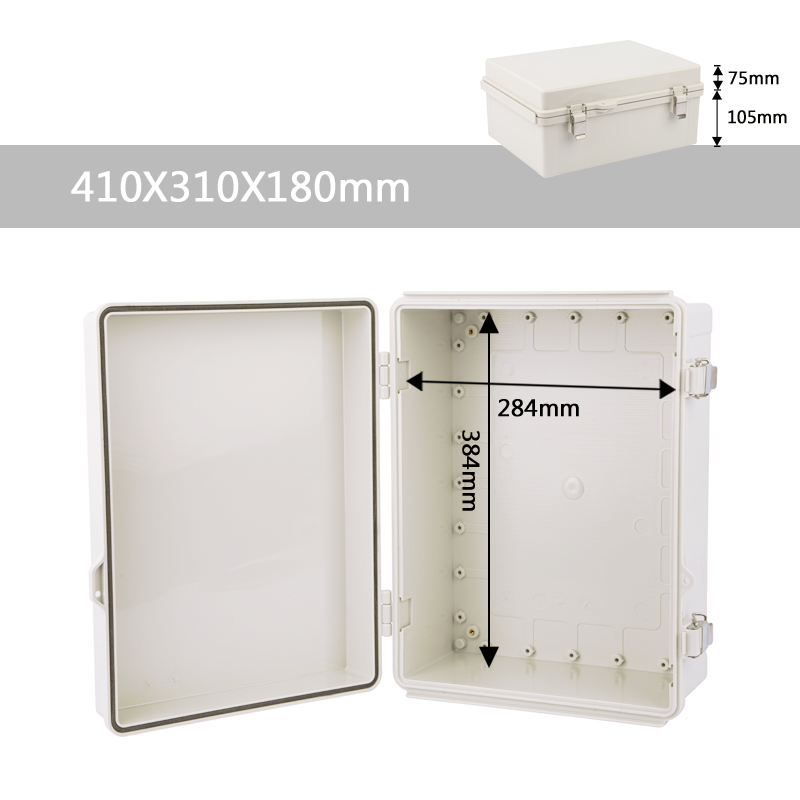
Professional electricians and technicians know that efficient junction enclosure installation can significantly impact project timelines and overall quality. While many installers focus solely on electrical connections, the mounting and positioning phases often consume more time than necessary due to improper preparation and technique. Mastering the right installation approach transforms what could be a tedious process into a streamlined operation that enhances both speed and reliability.
These three professional installation tips address the most common time-consuming challenges faced during junction enclosure deployment. Each technique has been refined through extensive field experience and focuses on eliminating rework, reducing measurement errors, and optimizing workflow efficiency. When applied correctly, these methods can reduce installation time by up to forty percent while maintaining the highest safety and performance standards.
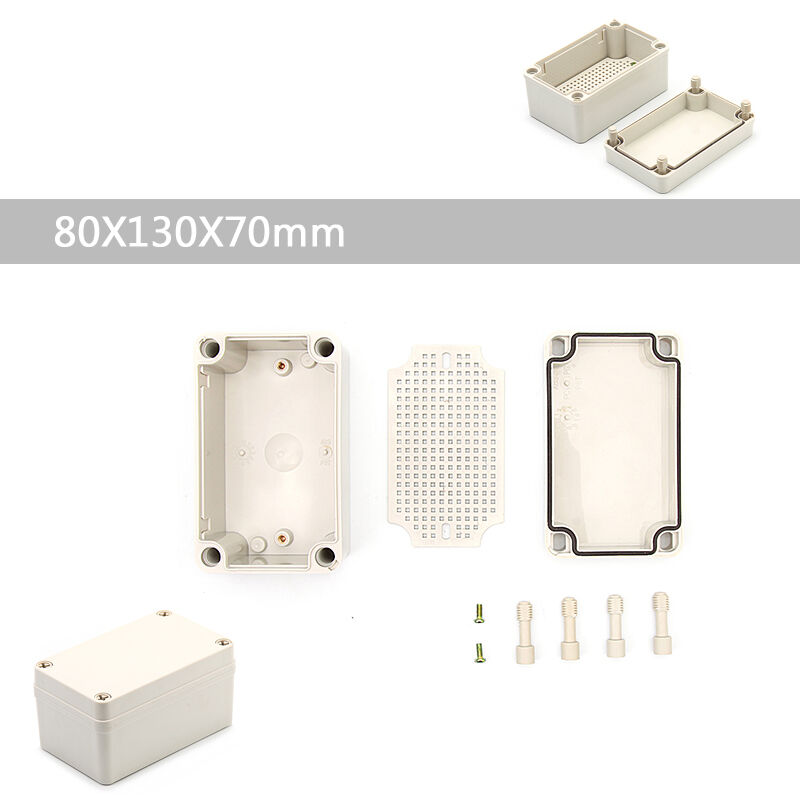
Pre-Installation Planning and Site Assessment
Comprehensive Measurement and Layout Strategy
Successful junction enclosure installation begins long before tools touch the mounting surface. Professional installers always conduct thorough site measurements and create detailed layout plans that account for cable routing, accessibility requirements, and future maintenance needs. This preliminary phase prevents costly repositioning and ensures optimal junction enclosure placement from the start.
The measurement process should include documenting all existing infrastructure, identifying potential obstacles, and verifying clearance requirements specified by local electrical codes. Professional installers use laser measuring tools and digital levels to achieve precision that traditional measuring tapes cannot provide. These tools dramatically reduce measurement errors that typically require junction enclosure repositioning during later installation phases.
Creating a scaled diagram or using digital planning software helps visualize the final installation before beginning work. This planning step allows installers to identify the most efficient cable routing paths and determine optimal junction enclosure orientations that facilitate both installation and long-term maintenance access. The few minutes invested in thorough planning consistently save hours during the actual installation process.
Tool and Material Organization Systems
Organizing all necessary tools and materials before beginning junction enclosure installation eliminates time-wasting searches and repeated trips to storage areas. Professional installers create standardized tool kits specifically designed for enclosure installation projects, ensuring that every required component is immediately accessible throughout the entire process.
The organized approach includes pre-sorting all mounting hardware, cable management components, and sealing materials according to installation sequence. Many experienced installers use portable tool organizers or rolling carts that keep everything within arm's reach while working. This systematic organization prevents workflow interruptions that can add significant time to junction enclosure installation projects.
Additionally, conducting a pre-installation inventory check ensures that all required materials are available before work begins. Missing components discovered mid-installation force project delays and disrupt the installation rhythm that professional installers work to maintain. The organized approach transforms potentially chaotic installation scenarios into smooth, predictable workflows.
Advanced Mounting and Positioning Techniques
Precision Template and Marking Methods
Creating accurate mounting templates represents one of the most effective time-saving techniques for junction enclosure installation. Professional installers fabricate reusable templates from cardboard or thin plywood that match the mounting hole patterns of frequently used enclosure models. These templates eliminate repetitive measuring and marking while ensuring consistent positioning accuracy across multiple installations.
The template method involves tracing the junction enclosure outline and marking all mounting points on the template material. Once verified for accuracy, the template can be positioned against the mounting surface and used to mark drill points instantly. This approach reduces marking time by approximately seventy percent while virtually eliminating measurement errors that require hole repositioning.
For unique or one-time installations, creating temporary cardboard templates still provides significant time savings compared to traditional individual measurement methods. The template approach also ensures that mounting holes align perfectly with junction enclosure mounting points, preventing the frustration and delays associated with misaligned holes that require enlargement or relocation.
Strategic Fastener Selection and Installation
Choosing appropriate fasteners before beginning junction enclosure installation prevents time-consuming hardware changes during the mounting process. Professional installers assess mounting surface materials, environmental conditions, and load requirements to select optimal fastener types and sizes that provide secure mounting without requiring subsequent adjustments.
Different mounting surfaces require specific fastener strategies that experienced installers recognize immediately. Concrete surfaces benefit from expansion anchors or masonry screws, while metal surfaces often require self-tapping screws or bolt-through connections. Wood surfaces typically accommodate wood screws or lag bolts depending on junction enclosure size and weight requirements.
Pre-drilling pilot holes slightly smaller than fastener diameters ensures smooth installation while preventing surface cracking or fastener binding. This preparatory step allows junction enclosure mounting to proceed without interruption while ensuring optimal fastener engagement that provides long-term mounting security. The systematic fastener approach eliminates trial-and-error hardware selection that can consume significant installation time.
Cable Management and Connection Optimization
Efficient Cable Routing and Preparation
Proper cable preparation before junction enclosure installation dramatically reduces connection time and ensures professional-quality results. This preparation includes measuring and cutting cables to optimal lengths, stripping insulation to precise specifications, and organizing conductors according to connection sequence. The systematic approach eliminates fumbling with inadequately prepared cables during the critical connection phase.
Professional installers typically prepare all cables while the junction enclosure remains easily accessible, before final positioning and mounting. This timing allows comfortable cable preparation without the physical constraints imposed by mounted enclosures in tight spaces. The preparation process includes verifying conductor colors, testing continuity, and organizing cables to minimize crossing and interference within the enclosure interior.
Cable length calculations should account for junction enclosure internal routing requirements, connection terminal positions, and sufficient service loop length for future maintenance. Experienced installers add approximately twenty percent extra length to theoretical calculations, providing flexibility while avoiding excess cable that creates clutter within the junction enclosure. This balanced approach ensures both installation efficiency and long-term serviceability.
Systematic Connection Sequencing
Following a logical connection sequence prevents confusion and reduces connection time during junction enclosure installation. Professional installers typically begin with power connections, followed by control circuits, and conclude with communication or signal cables. This sequence minimizes the risk of accidental short circuits while ensuring that critical connections receive primary attention.
The systematic approach includes grouping similar cable types and connecting them in batches rather than jumping randomly between different circuit types. This method allows installers to maintain consistent focus while reducing the mental effort required to track connection progress. Many professionals use connection checklists or diagrams that ensure no connections are overlooked during the installation process.
Implementing proper cable strain relief and securing methods during the connection process prevents future maintenance issues while ensuring junction enclosure longevity. Professional installers use appropriate cable clamps, strain relief connectors, and internal cable supports that maintain organized cable routing without compromising connection integrity. These practices require minimal additional time during installation but prevent costly rework requirements in the future.
Quality Assurance and Testing Protocols
Systematic Installation Verification
Implementing thorough verification procedures during junction enclosure installation prevents quality issues that require time-consuming corrections after project completion. Professional installers conduct systematic checks at each installation phase, ensuring that mounting security, cable connections, and environmental sealing meet specification requirements before proceeding to subsequent steps.
The verification process includes testing mounting fastener tightness, checking junction enclosure alignment and levelness, and confirming that all cable connections are secure and properly terminated. These checks take only minutes to complete but identify potential problems while they remain easy and inexpensive to correct. Delayed problem discovery often requires partial installation disassembly that consumes far more time than preventive verification.
Professional installers also verify that junction enclosure gaskets and seals are properly positioned and undamaged before final closure. Environmental sealing failures represent one of the most common long-term junction enclosure problems, yet they are easily prevented through careful attention during the installation process. The systematic verification approach ensures that installations meet performance expectations from day one.
Documentation and Handover Procedures
Creating comprehensive installation documentation during junction enclosure installation saves significant time during future maintenance and troubleshooting activities. Professional installers photograph cable routing, record connection details, and document any installation variations from standard procedures. This documentation proves invaluable for future service technicians who must understand the installation without extensive investigation.
The documentation process includes labeling all cables and connections according to established naming conventions that facilitate future identification. Clear, durable labels applied during installation eliminate guesswork during maintenance activities while reducing service time requirements. Many professional installers use label makers or pre-printed labels that maintain legibility throughout the junction enclosure service life.
Providing detailed handover documentation to facility managers or maintenance personnel ensures that junction enclosure installations continue operating optimally after project completion. This documentation should include manufacturer specifications, recommended maintenance schedules, and contact information for future service requirements. The professional handover process demonstrates installation quality while establishing positive relationships for future project opportunities.
FAQ
What tools are essential for efficient junction enclosure installation?
Essential tools include laser measuring devices, digital levels, cordless drills with various bit sets, wire strippers, multimeters, and appropriate fasteners for the mounting surface type. Professional installers also use cable pulling systems, label makers, and portable tool organizers to maintain efficiency throughout the installation process.
How much time can proper planning save during junction enclosure installation?
Thorough pre-installation planning typically reduces total installation time by thirty to forty percent while significantly improving installation quality. The planning phase includes site assessment, material organization, and template creation that eliminate rework and minimize installation delays caused by preparation oversights.
What are the most common mistakes that slow down junction enclosure installation?
Common time-wasting mistakes include inadequate site measurement, improper tool organization, incorrect fastener selection, and poor cable preparation. These issues typically require installation rework that consumes far more time than proper initial execution. Professional installers avoid these mistakes through systematic preparation and quality verification procedures.
When should junction enclosure installation be scheduled for optimal efficiency?
Junction enclosure installation should be scheduled after all rough electrical work is complete but before final electrical connections and system testing. This timing allows optimal access to mounting locations while ensuring that cable routing and connection requirements are fully understood before installation begins.
Table of Contents
- Pre-Installation Planning and Site Assessment
- Advanced Mounting and Positioning Techniques
- Cable Management and Connection Optimization
- Quality Assurance and Testing Protocols
-
FAQ
- What tools are essential for efficient junction enclosure installation?
- How much time can proper planning save during junction enclosure installation?
- What are the most common mistakes that slow down junction enclosure installation?
- When should junction enclosure installation be scheduled for optimal efficiency?