 EN
EN

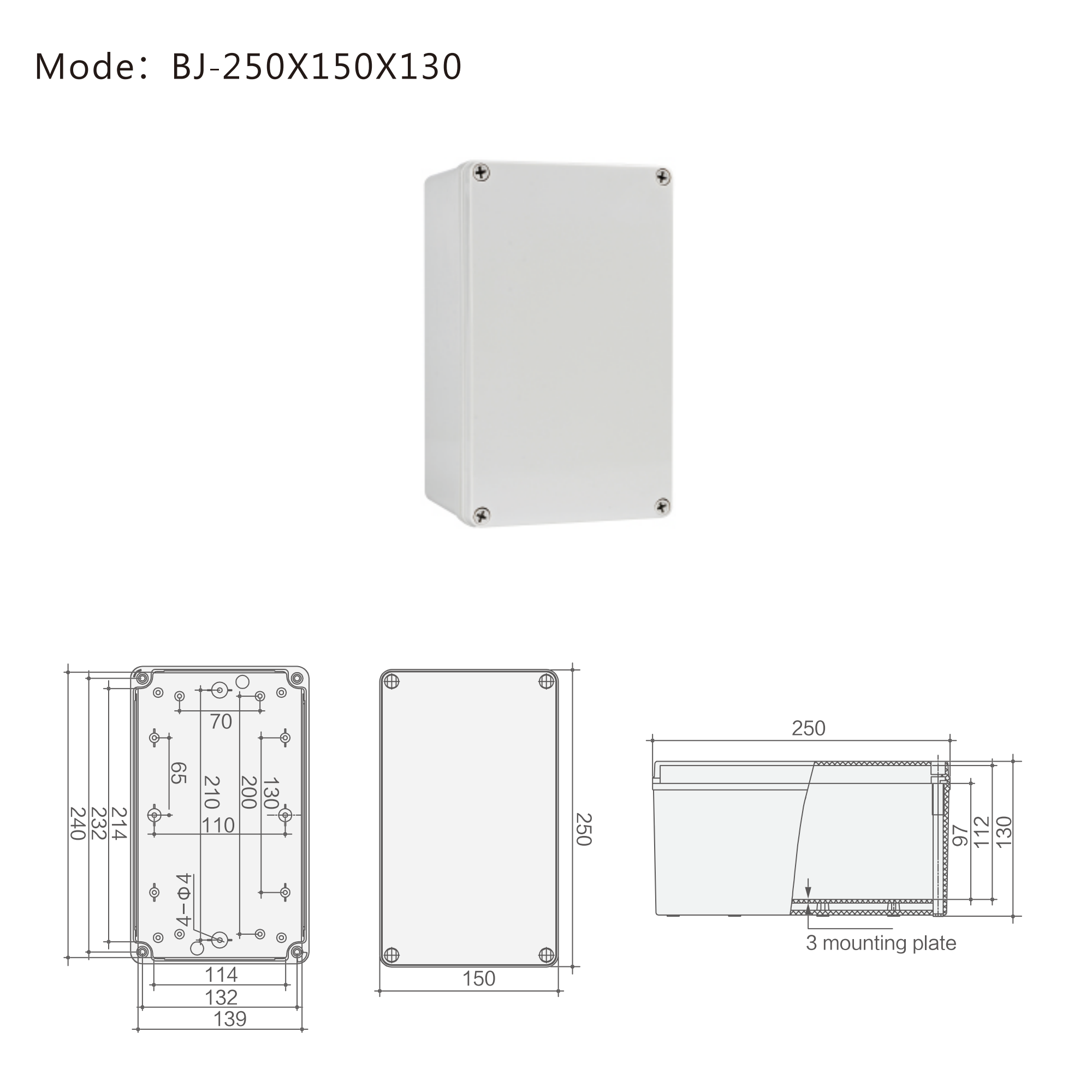
The rapid expansion of electric vehicle infrastructure in 2025 demands specialized junction enclosure solutions that can withstand harsh environmental conditions while maintaining reliable electrical connections. As EV charging stations become more prevalent across urban and rural landscapes, the junction enclosure serves as the critical protective housing for electrical connections, ensuring safe and efficient power distribution to charging equipment.
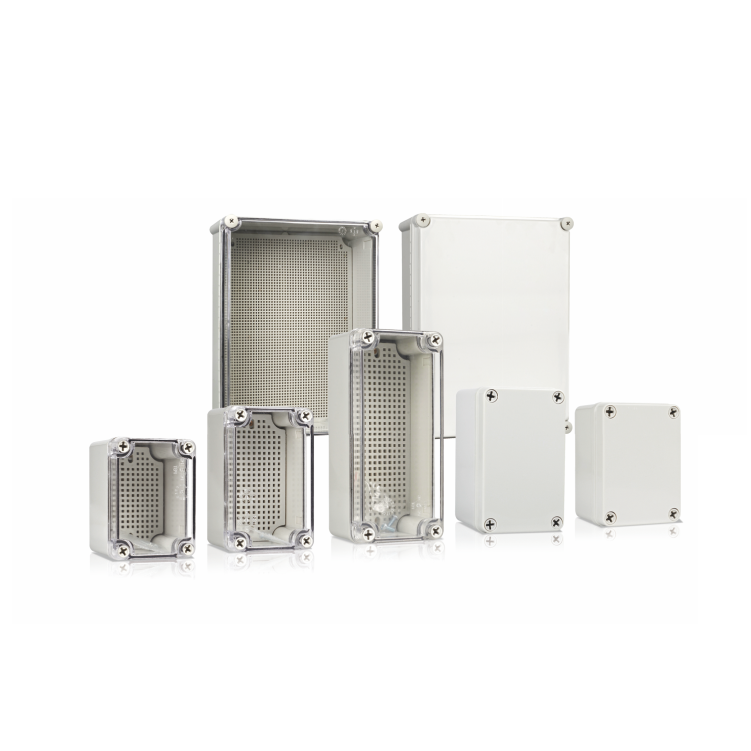
Modern EV charging infrastructure requires junction enclosure systems that integrate seamlessly with smart grid technology while providing robust protection against moisture, dust, and extreme temperatures. These advanced enclosure solutions must accommodate high-voltage electrical connections, communication cables, and monitoring equipment within a single weatherproof housing designed specifically for the demanding requirements of electric vehicle charging applications.
Advanced Protection Requirements for EV Charging Junction Enclosures
Environmental Sealing and Weatherproofing Standards
The junction enclosure for EV charging stations must meet stringent IP68 waterproof ratings to protect sensitive electrical connections from moisture infiltration and environmental contaminants. These specialized enclosures utilize advanced gasket sealing systems and precision-molded housing components that maintain integrity under extreme weather conditions including heavy rainfall, snow accumulation, and temperature fluctuations ranging from -40°C to +85°C.
Professional-grade junction enclosure solutions incorporate UV-resistant materials that prevent degradation from prolonged sun exposure while maintaining structural integrity over extended operational periods. The enclosure design must accommodate thermal expansion and contraction cycles without compromising seal effectiveness or internal component protection.
Salt spray resistance becomes critical for coastal installations where EV charging stations face corrosive marine environments. The junction enclosure housing utilizes specialized polymer compounds and protective coatings that resist chloride-induced corrosion while maintaining electrical insulation properties throughout the enclosure's operational lifespan.
High-Voltage Electrical Safety Integration
EV charging applications require junction enclosure designs that safely manage high-voltage electrical connections up to 1000V DC or 480V AC while providing adequate clearance distances and insulation barriers. The internal layout of the junction enclosure must accommodate multiple cable entry points with individual strain relief and sealing mechanisms for each connection.
Arc fault protection within the junction enclosure requires specialized arc-resistant materials and venting systems that safely direct fault energy away from personnel and equipment. The enclosure design incorporates flame-retardant materials meeting UL94 V-0 standards while providing emergency pressure relief mechanisms.
Ground fault circuit protection integration demands specialized grounding provisions within the junction enclosure that maintain effective earth connections while isolating fault currents. The enclosure must provide dedicated grounding terminals with corrosion-resistant connections that ensure reliable safety circuit operation throughout all environmental conditions.
Smart Integration Features for Modern EV Charging Infrastructure
Communication System Integration
Contemporary EV charging stations require junction enclosure solutions that accommodate multiple communication protocols including Ethernet, cellular, and wireless connectivity hardware within a single protected environment. The junction enclosure must provide adequate space and mounting provisions for communication modules while maintaining electromagnetic interference shielding to prevent signal degradation.
Network connectivity requirements demand junction enclosure designs with integrated cable management systems that separate power and communication cables to minimize electromagnetic interference. The enclosure internal layout provides dedicated compartments for communication equipment with independent ventilation and thermal management systems.
Remote monitoring capabilities require junction enclosure installations that support sensor integration for real-time performance monitoring including temperature, humidity, and electrical parameters. The enclosure design accommodates sensor mounting locations with appropriate cable routing and connection provisions that maintain environmental sealing integrity.
Modular Expansion Capabilities
Future-ready junction enclosure systems incorporate modular design principles that allow field expansion of electrical connections and communication systems without complete enclosure replacement. The modular junction enclosure architecture provides standardized mounting interfaces and cable entry systems that accommodate evolving charging station requirements.
Scalable power distribution within the junction enclosure requires configurable bus bar systems and terminal block arrangements that support various charging station configurations. The modular design allows technicians to reconfigure electrical connections and add new circuits while maintaining existing system operation and safety compliance.
Field serviceability becomes critical for junction enclosure installations in remote locations where maintenance access may be limited. The modular junction enclosure design incorporates tool-free access panels and clearly marked component identification that enables rapid troubleshooting and component replacement by qualified technicians.
Installation and Mounting Solutions for EV Charging Applications
Versatile Mounting System Design
The junction enclosure mounting system must accommodate various installation scenarios including concrete pad mounting, pole mounting, and wall mounting applications commonly found in EV charging station deployments. Universal mounting brackets provide secure attachment points while allowing for precise alignment and leveling during installation procedures.
Adjustable mounting hardware enables junction enclosure installation on existing infrastructure without extensive modification while maintaining proper cable entry angles and accessibility for maintenance operations. The mounting system design incorporates anti-vibration features that prevent loosening from traffic-induced ground vibrations and thermal cycling effects.
Security mounting provisions protect the junction enclosure from unauthorized access and vandalism attempts while maintaining legitimate maintenance access for qualified personnel. The mounting system integrates tamper-evident fasteners and concealed mounting points that deter theft and unauthorized modifications.
Cable Management and Entry Systems
Professional junction enclosure installations require sophisticated cable entry systems that accommodate multiple cable sizes and types while maintaining weatherproof sealing integrity. The entry system utilizes progressive compression seals that adapt to various cable diameters without compromising environmental protection ratings.
Strain relief integration within the junction enclosure prevents cable damage from wind loading and thermal expansion while maintaining proper bend radius requirements for high-voltage cables. The internal cable routing system provides organized pathways that separate different cable types and prevent interference between power and communication circuits.
Future cable additions require junction enclosure designs with spare cable entry provisions that maintain sealing integrity when not in use. The modular entry system allows field installation of additional cable connections without compromising existing environmental protection or requiring complete enclosure replacement.
Performance Optimization for 2025 EV Charging Standards
Thermal Management and Ventilation
High-power EV charging applications generate significant heat within electrical connections that requires active thermal management within the junction enclosure environment. Advanced ventilation systems maintain optimal operating temperatures while preventing moisture infiltration through innovative airflow design and filtered ventilation pathways.
Convective cooling enhancement within the junction enclosure utilizes strategically positioned heat sinks and thermal interface materials that efficiently transfer heat from electrical components to the enclosure walls. The thermal management system prevents hot spot formation that could compromise electrical connections or enclosure materials over extended operation periods.
Temperature monitoring integration provides real-time thermal performance data that enables predictive maintenance scheduling and prevents thermal-related failures. The junction enclosure accommodates temperature sensors and thermal monitoring equipment that interface with charging station control systems for comprehensive thermal management.
Maintenance Access and Serviceability
Routine maintenance operations require junction enclosure designs that provide safe and convenient access to internal components while maintaining environmental protection during service procedures. Hinged access panels with positive latching mechanisms allow technicians to perform inspections and maintenance without removing the entire enclosure from its mounting system.
Component identification systems within the junction enclosure utilize clear labeling and color-coded organization that enables rapid troubleshooting and reduces maintenance time requirements. The internal layout provides adequate working space for technicians to perform connection inspections and tightening procedures with standard tools.
Predictive maintenance support requires junction enclosure installations that accommodate monitoring equipment and diagnostic access points without compromising environmental sealing. The enclosure design integrates diagnostic ports and sensor mounting locations that enable condition monitoring while maintaining operational integrity.
FAQ
What IP rating should an EV charging station junction enclosure have for outdoor installations?
EV charging station junction enclosures should have a minimum IP65 rating for outdoor installations, though IP68 ratings are recommended for harsh environments or areas prone to flooding. The IP68 rating ensures complete protection against dust ingress and continuous submersion in water, making it ideal for coastal areas, regions with heavy rainfall, or installations below grade level where water accumulation may occur.
How does cable entry affect the environmental sealing of a junction enclosure?
Cable entry points represent the most vulnerable areas for environmental sealing in junction enclosure installations. Professional-grade enclosures utilize progressive compression cable glands or multi-cable transit systems that maintain the enclosure's IP rating while accommodating various cable sizes. Proper installation requires selecting appropriate gland sizes and ensuring adequate compression to prevent water ingress while avoiding over-tightening that could damage cable jackets.
What materials are best for EV charging junction enclosures in extreme temperature environments?
Polycarbonate and fiberglass-reinforced polyester are preferred materials for EV charging junction enclosures operating in extreme temperature environments. These materials maintain structural integrity and electrical insulation properties across temperature ranges from -40°C to +120°C while providing excellent UV resistance and impact strength. Aluminum enclosures offer superior thermal conductivity for high-heat applications but require proper surface treatments to prevent corrosion in harsh environments.
How should junction enclosures be sized for future EV charging station expansions?
Junction enclosure sizing for future expansion should include 30-50% additional internal volume beyond current requirements to accommodate additional circuits, communication equipment, and monitoring devices. The enclosure should provide spare cable entry points with blanking plugs to maintain environmental sealing until needed. Consider modular junction enclosure systems that allow field addition of expansion modules without disrupting existing electrical connections or compromising environmental protection ratings.
Table of Contents
- Advanced Protection Requirements for EV Charging Junction Enclosures
- Smart Integration Features for Modern EV Charging Infrastructure
- Installation and Mounting Solutions for EV Charging Applications
- Performance Optimization for 2025 EV Charging Standards
-
FAQ
- What IP rating should an EV charging station junction enclosure have for outdoor installations?
- How does cable entry affect the environmental sealing of a junction enclosure?
- What materials are best for EV charging junction enclosures in extreme temperature environments?
- How should junction enclosures be sized for future EV charging station expansions?