 EN
EN

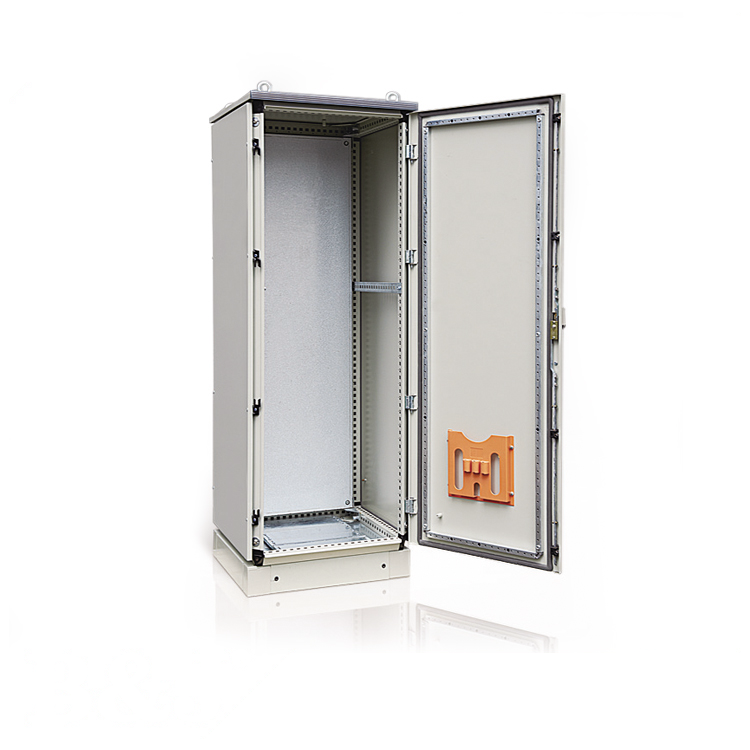
When selecting an electrical cabinet for industrial or commercial applications, making the right choice is crucial for ensuring safety, reliability, and long-term performance. An electrical cabinet serves as the protective housing for electrical components, control systems, and wiring connections. The decision you make today will impact operational efficiency, maintenance costs, and regulatory compliance for years to come. Understanding the key factors that influence this purchase decision helps ensure you select the most suitable solution for your specific requirements.
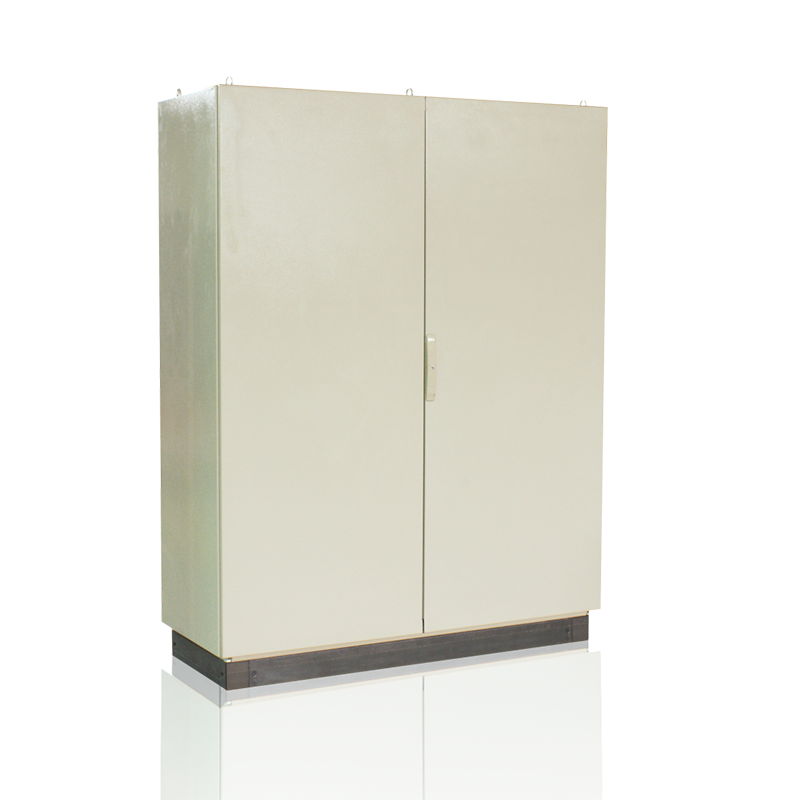
Protection Rating and Environmental Considerations
Understanding IP Rating Requirements
The Ingress Protection rating determines how well your electrical cabinet can withstand environmental factors such as dust, moisture, and water exposure. Different applications require specific IP ratings to ensure optimal protection and compliance with safety standards. For outdoor installations, IP65 or higher ratings are typically necessary to protect against rain, dust storms, and temperature fluctuations. Indoor applications may only require IP54 or IP55 ratings, depending on the specific environment and potential exposure risks.
Consider the long-term environmental conditions where the cabinet will operate. Coastal areas with high salt content in the air require special attention to corrosion resistance. Industrial environments with chemical exposure or extreme temperatures need cabinets designed with appropriate materials and protective coatings. The wrong protection rating can lead to premature equipment failure, safety hazards, and costly downtime.
Material Selection and Durability
The construction material of your electrical cabinet directly affects its longevity and performance under specific environmental conditions. Stainless steel offers excellent corrosion resistance and is ideal for harsh environments, food processing facilities, and marine applications. Carbon steel with protective coatings provides cost-effective solutions for most industrial applications while maintaining structural integrity and durability.
Aluminum cabinets offer lightweight alternatives with good corrosion resistance, making them suitable for applications where weight is a concern. Fiberglass reinforced plastic cabinets excel in highly corrosive environments where metal alternatives would deteriorate quickly. Each material has specific advantages and limitations that must align with your operational requirements and budget considerations.
Size and Configuration Planning
Internal Space Requirements
Proper sizing ensures adequate space for current electrical components while allowing for future expansion and maintenance access. Calculate the volume requirements for all electrical devices, including control panels, switches, transformers, and wiring systems. Consider heat dissipation requirements and ventilation needs when determining internal dimensions. Insufficient space can lead to overheating, difficult maintenance procedures, and potential safety hazards.
Plan for cable management systems, mounting rails, and accessibility requirements during installation and maintenance procedures. Standard sizes may not always meet specific application needs, making custom configurations necessary for optimal functionality. The electrical cabinet dimensions should accommodate not only current requirements but also anticipated future modifications and upgrades.
Mounting and Installation Considerations
The installation method significantly impacts the overall cost and complexity of your electrical cabinet project. Wall-mounted cabinets save floor space and provide easy access for maintenance but have weight limitations that may restrict component selection. Floor-standing cabinets offer maximum capacity and flexibility but require adequate floor space and proper foundation support.
Consider the accessibility requirements for routine maintenance, component replacement, and system modifications. Door configurations, hinge locations, and internal layout all affect how easily technicians can work within the cabinet. Multiple compartments may be necessary for different voltage levels or to separate control circuits from power distribution components.
Thermal Management and Ventilation
Heat Load Calculations
Electrical components generate heat during operation, and excessive temperatures can reduce equipment lifespan and cause premature failures. Calculate the total heat load from all installed components to determine appropriate cooling requirements. High-power devices such as variable frequency drives, transformers, and motor starters typically generate significant heat that must be properly managed.
Consider the ambient temperature conditions where the electrical cabinet will operate. Hot climates or indoor environments near heat sources require more robust cooling solutions. The cabinet design must facilitate proper air circulation while maintaining the required protection rating against environmental intrusion.
Cooling System Options
Natural ventilation through strategically placed vents may be sufficient for low heat load applications. Filtered fans provide active air circulation for moderate heat loads while maintaining protection against dust and debris. Air conditioning systems become necessary for high heat loads or when precise temperature control is required for sensitive electronic components.
Heat exchangers offer effective cooling without introducing outside air into the cabinet, maintaining clean internal environments while providing efficient heat removal. The selected cooling method must balance performance requirements with energy consumption, maintenance needs, and initial investment costs.
Safety and Compliance Standards
Electrical Safety Requirements
Safety standards vary by region and application type, making compliance verification essential during the selection process. National Electrical Code requirements in the United States, IEC standards internationally, and local building codes all influence electrical cabinet specifications. Proper grounding systems, arc fault protection, and personnel safety features must be integrated into the cabinet design.
Consider the electrical ratings and short-circuit withstand capabilities required for your specific application. Higher fault current levels require more robust construction and specialized safety features. Emergency shutdown capabilities and lockout/tagout provisions ensure worker safety during maintenance procedures.
Industry-Specific Standards
Different industries have specific requirements that go beyond general electrical safety standards. Food and beverage processing facilities must meet FDA and USDA guidelines for sanitary design and cleanability. Pharmaceutical applications require compliance with Good Manufacturing Practices and validation documentation.
Hazardous location classifications require specialized electrical cabinet designs with explosion-proof or intrinsically safe features. Marine applications must meet Coast Guard requirements and maritime classification society standards. Understanding and specifying the correct industry standards prevents costly modifications and ensures regulatory compliance.
Cost Analysis and Long-Term Value
Initial Investment Considerations
The upfront cost of an electrical cabinet represents only a portion of the total lifecycle expenses. While budget constraints often drive initial decisions, focusing solely on purchase price can result in higher long-term costs through increased maintenance, energy consumption, and premature replacement needs. Quality construction and appropriate feature selection typically provide better value over the equipment lifespan.
Consider the cost implications of customization versus standard configurations. Standard sizes and features often provide cost advantages through economies of scale, but may not meet specific application requirements. Custom solutions require higher initial investment but can provide optimal functionality and performance for unique applications.
Maintenance and Operating Costs
Regular maintenance requirements vary significantly based on cabinet design, environmental conditions, and component selection. Easy access for routine inspections and component replacement reduces labor costs and minimizes downtime. Quality construction materials and protective finishes extend service life and reduce replacement frequency.
Energy efficiency considerations include cooling system power consumption, lighting requirements, and heat loss through cabinet walls. Well-insulated cabinets with efficient cooling systems reduce ongoing operating costs while maintaining proper internal conditions. The total cost of ownership analysis should include purchase price, installation costs, maintenance expenses, and energy consumption over the expected service life.
FAQ
What is the difference between NEMA and IP rating systems
NEMA ratings are primarily used in North America and provide protection classifications for electrical enclosures based on specific environmental conditions. IP ratings are international standards that focus specifically on ingress protection against solid objects and liquids. While there are general correlations between the systems, direct equivalency charts should be used carefully as testing methods and specific requirements may differ.
How do I determine the correct size electrical cabinet for my application
Calculate the space requirements for all electrical components, including mounting hardware, cable management systems, and maintenance access. Add 25-30% additional space for future expansion and proper air circulation. Consider the physical constraints of the installation location and any transportation limitations that might affect cabinet dimensions.
Can I install additional components in my electrical cabinet later
Future component additions are possible if adequate space, power capacity, and thermal management capabilities exist. However, modifications may require engineering review to ensure continued compliance with safety standards and proper system operation. Planning for expansion during initial design is more cost-effective than retrofitting later.
What maintenance is required for electrical cabinets
Regular maintenance includes cleaning air filters, checking door seals and gaskets, inspecting internal components for signs of overheating or corrosion, and verifying proper operation of cooling systems. The frequency depends on environmental conditions and application requirements, typically ranging from monthly inspections in harsh environments to annual checks in clean, controlled conditions.