 EN
EN

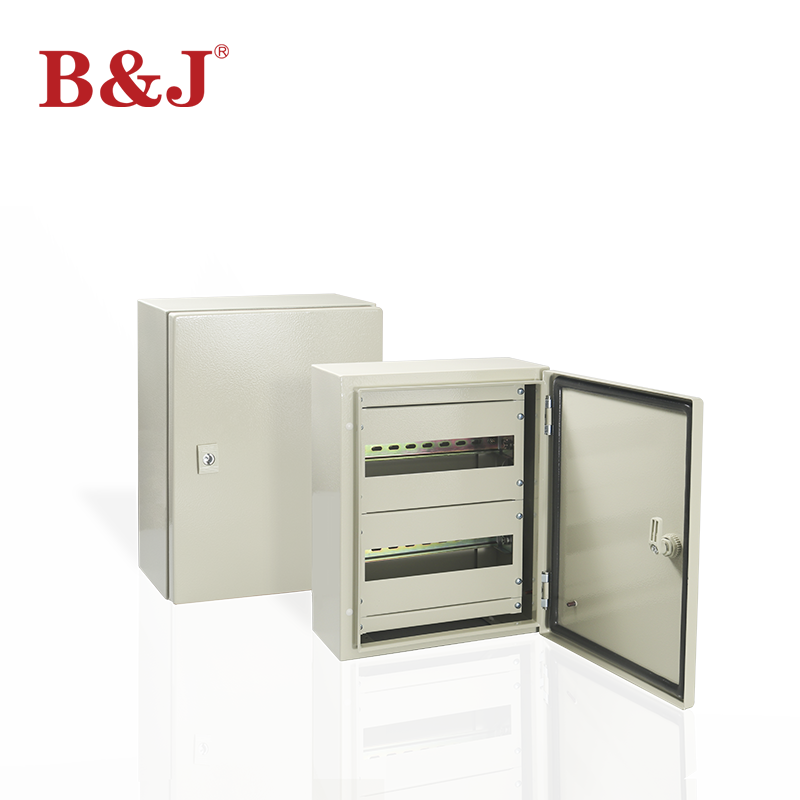
Outdoor electrical installations demand robust protection against harsh environmental conditions, making the selection of appropriate electrical cabinets crucial for system reliability and safety. Modern weatherproof electrical cabinets serve as the first line of defense against moisture, dust, temperature fluctuations, and corrosive elements that can compromise electrical components. These specialized enclosures must meet stringent international standards while providing easy access for maintenance and installation procedures.
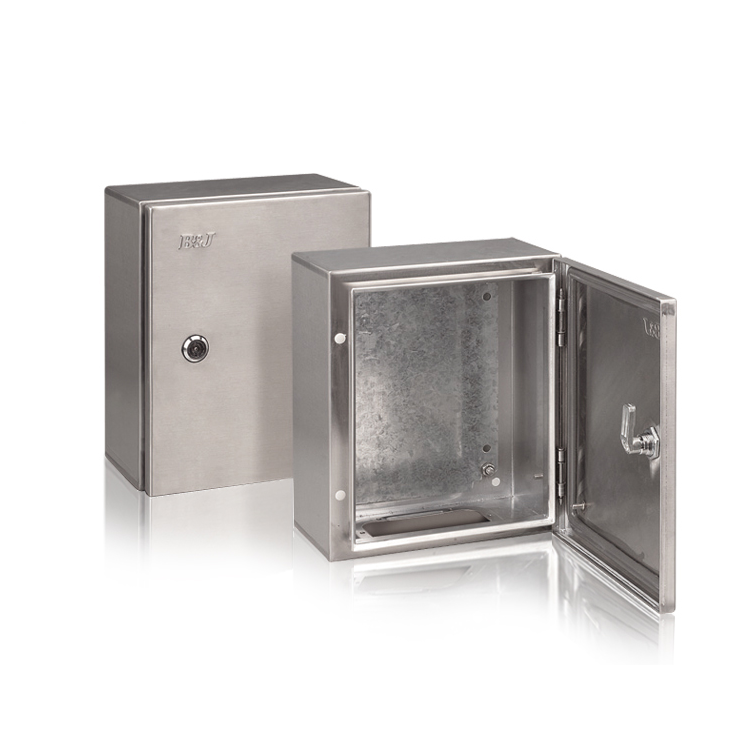
The outdoor electrical market has witnessed significant advancement in enclosure technology, with manufacturers developing innovative solutions that combine durability with functional design. Professional engineers and contractors must understand the critical factors that differentiate premium weatherproof electrical cabinets from standard indoor units to ensure optimal performance in challenging environments.
Essential Features of Weatherproof Electrical Cabinets
IP Rating Standards and Protection Levels
The Ingress Protection rating system provides standardized classification for weatherproof electrical cabinets, with IP66 and IP67 ratings being the most common for outdoor applications. These ratings indicate complete protection against dust ingress and powerful water jets from any direction, ensuring electrical components remain secure during severe weather events. Higher IP ratings translate to enhanced protection capabilities but may increase initial investment costs.
Understanding the numerical designations helps professionals select appropriate protection levels based on specific environmental challenges. The first digit represents solid particle protection, while the second digit indicates liquid ingress protection levels. Outdoor installations typically require minimum IP65 certification, though coastal or industrial environments may necessitate higher protection standards.
Material Construction and Durability Factors
Stainless steel electrical cabinets offer superior corrosion resistance compared to painted steel alternatives, particularly in marine environments or areas with high humidity levels. Grade 304 and 316 stainless steel provide excellent longevity, with 316 grade offering enhanced protection against chloride corrosion in coastal installations. The material selection directly impacts the electrical cabinet lifespan and maintenance requirements over time.
Aluminum enclosures present lightweight alternatives with good corrosion resistance, though they may require special consideration for electromagnetic shielding applications. Fiberglass reinforced polyester offers chemical resistance and electrical insulation properties, making it suitable for specialized industrial environments where metal enclosures might face compatibility issues.
Sizing and Configuration Considerations
Capacity Planning and Internal Layout
Proper electrical cabinet sizing requires careful analysis of current component requirements and future expansion possibilities. Industry best practices recommend maintaining at least twenty percent spare capacity for modifications and upgrades without requiring complete enclosure replacement. This forward-thinking approach reduces long-term costs and installation disruptions.
Internal mounting rails, cable management systems, and ventilation components must be configured to optimize space utilization while maintaining safe working clearances. Professional installers should consider component heat generation, wire routing requirements, and maintenance access when designing internal layouts for maximum efficiency and safety.
Mounting Options and Installation Flexibility
Wall-mounted electrical cabinets provide space-efficient solutions for many outdoor applications, offering easy access while protecting against ground-level moisture and debris. Free-standing pedestal mounts suit larger installations requiring extensive internal space and multiple access points. The mounting method selection influences overall system accessibility and long-term maintenance procedures.
Floor-mounted configurations offer maximum internal volume for complex electrical systems but require proper foundation preparation and drainage considerations. Pole-mounted options serve utility and telecommunications applications where elevation provides optimal signal transmission and protection from vandalism or accidental damage.
Environmental Adaptation and Performance
Temperature Management and Thermal Protection
Effective thermal management prevents component degradation and ensures reliable operation across wide temperature ranges commonly encountered in outdoor environments. Forced air ventilation, thermostatically controlled heaters, and heat exchangers help maintain optimal internal conditions regardless of external weather patterns. These systems extend component life while maintaining consistent electrical performance.
Insulation materials and thermal barriers reduce energy consumption for climate control systems while preventing condensation formation during temperature transitions. Double-wall construction with thermal breaks minimizes heat transfer and improves energy efficiency in extreme climate applications where temperature control is critical for system reliability.
Sealing Systems and Gasket Technology
Advanced gasket materials and sealing mechanisms ensure long-term weatherproof integrity even under repeated thermal cycling and mechanical stress. Continuous hinge seals, compression gaskets, and multi-stage sealing systems provide redundant protection against moisture ingress while maintaining easy access for routine maintenance procedures.
Silicone and EPDM rubber gaskets offer superior aging characteristics compared to standard rubber materials, maintaining elasticity and sealing effectiveness throughout extended service life. Proper gasket installation and periodic replacement scheduling prevent seal degradation that could compromise electrical cabinet protection capabilities over time.
Installation Best Practices and Standards Compliance
Site Preparation and Foundation Requirements
Proper site preparation ensures optimal electrical cabinet performance and longevity through careful attention to drainage, ventilation, and accessibility requirements. Concrete pads or mounting surfaces must provide stable support while allowing adequate clearance for cable entry and maintenance access. Site selection should consider prevailing wind patterns, flood potential, and proximity to corrosive environmental factors.
Electrical code compliance requires specific clearances around electrical cabinets for safety and maintenance access. National Electrical Code regulations specify minimum working space requirements that vary based on voltage levels and installation configurations. Professional installers must verify local code requirements and utility specifications before finalizing installation plans.
Cable Entry and Sealing Methods
Cable entry methods significantly impact weatherproof electrical cabinet integrity, with proper sealing preventing moisture ingress that could damage internal components. Threaded cable glands, compression fittings, and membrane seals provide reliable protection while accommodating various cable types and sizes. Entry point planning should minimize the number of penetrations while ensuring adequate capacity for current and future cable requirements.
Multi-cable transit systems offer efficient solutions for installations requiring numerous cable connections while maintaining IP rating compliance. These specialized systems accommodate mixed cable types and sizes through single entry points, reducing potential leak paths and simplifying sealing maintenance procedures.
Maintenance and Lifecycle Management
Preventive Maintenance Protocols
Regular inspection schedules ensure electrical cabinet weatherproof integrity throughout the service life, with quarterly visual inspections identifying potential issues before they compromise system reliability. Gasket condition, door alignment, and internal component status should be documented to track performance trends and schedule preventive replacements.
Cleaning procedures remove accumulated debris and corrosive deposits that could degrade cabinet protection over time. Approved cleaning agents and techniques prevent damage to protective coatings while maintaining optimal appearance and functionality. Documentation of maintenance activities supports warranty compliance and helps optimize future service intervals.
Upgrading and Modernization Considerations
Technology evolution may require electrical cabinet modifications to accommodate new components or enhanced protection standards. Modular design features facilitate upgrades without complete system replacement, providing cost-effective paths for modernization. Forward compatibility planning during initial installation reduces future modification complexity and costs.
Retrofitting existing electrical cabinets with improved sealing systems, climate control, or monitoring capabilities can extend service life while improving performance. Professional assessment helps determine whether upgrade investments provide better value compared to complete replacement for aging installations.
Cost Analysis and Value Engineering
Initial Investment Considerations
Premium weatherproof electrical cabinet features command higher initial costs but often provide superior long-term value through reduced maintenance requirements and extended service life. Total cost of ownership calculations should include installation, maintenance, and replacement costs over expected service periods to determine optimal investment levels.
Standardization across multiple installations can reduce procurement costs while simplifying maintenance procedures and spare parts inventory. Volume purchasing arrangements and standardized specifications help optimize procurement efficiency while ensuring consistent quality standards across electrical cabinet installations.
Return on Investment and Lifecycle Benefits
Quality electrical cabinet investments reduce downtime costs and maintenance expenses while improving system reliability and safety performance. Quantifiable benefits include reduced service calls, extended component life, and improved operational efficiency. These factors contribute to positive return on investment calculations that justify premium electrical cabinet selections.
Energy efficiency features such as improved insulation and smart climate control systems provide ongoing operational savings that accumulate throughout the electrical cabinet service life. Advanced monitoring capabilities enable predictive maintenance approaches that optimize service scheduling while preventing costly emergency repairs.
FAQ
What IP rating should I choose for my outdoor electrical cabinet installation?
Most outdoor electrical cabinet applications require minimum IP65 protection, though coastal or industrial environments may need IP66 or higher ratings. The first digit indicates solid particle protection while the second digit represents liquid ingress protection. Consider your specific environmental conditions including dust levels, precipitation patterns, and potential for pressure washing or flooding when selecting appropriate protection levels.
How do I determine the correct size for my weatherproof electrical cabinet?
Calculate current component space requirements and add twenty percent capacity for future expansion and proper ventilation. Consider internal mounting hardware, cable routing space, and maintenance access clearances when determining internal dimensions. Professional electrical designers can help optimize cabinet sizing based on specific component requirements and applicable electrical codes.
What maintenance is required for outdoor electrical cabinets?
Quarterly visual inspections should check gasket condition, door alignment, and internal component status. Annual deep cleaning removes accumulated debris and salt deposits while gasket replacement may be needed every three to five years depending on environmental conditions. Climate control systems require periodic filter changes and calibration to maintain optimal performance.
Can I upgrade an existing electrical cabinet instead of replacing it completely?
Many electrical cabinets can be upgraded with improved sealing systems, climate control equipment, or monitoring capabilities depending on the existing enclosure condition and design. Professional assessment helps determine whether modifications provide better value than complete replacement. Factors include structural integrity, available internal space, and compatibility with new components or protection standards.