 EN
EN

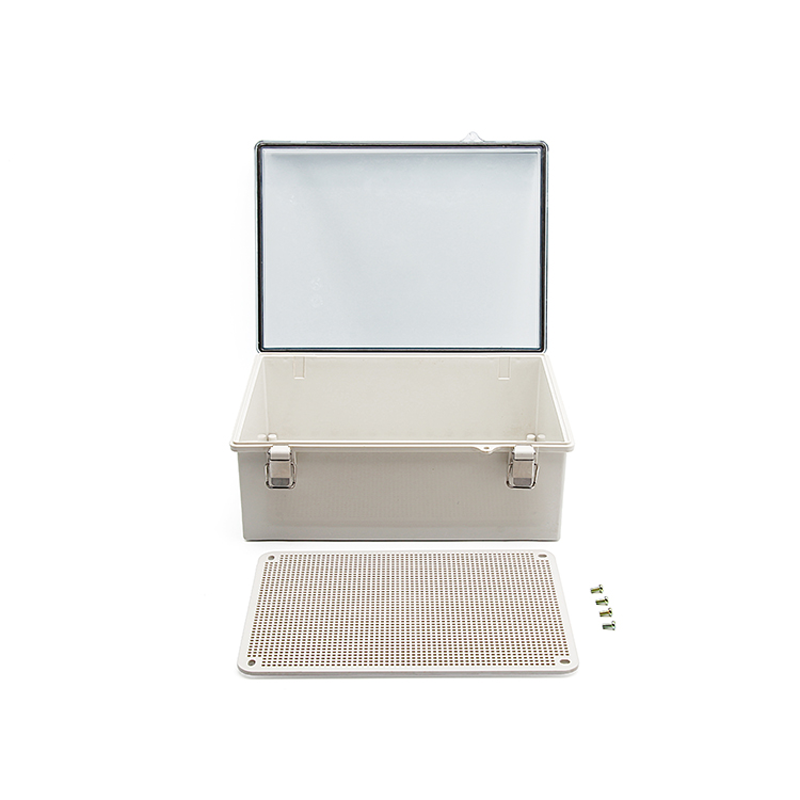
An electrical enclosure serves as a critical protective housing for electrical components, safeguarding them from environmental hazards, unauthorized access, and potential safety risks. These specialized protective structures form the backbone of electrical infrastructure across residential, commercial, and industrial applications, ensuring both equipment longevity and operational safety. Understanding the fundamentals of electrical enclosure design and selection can significantly impact the reliability and performance of your electrical systems.
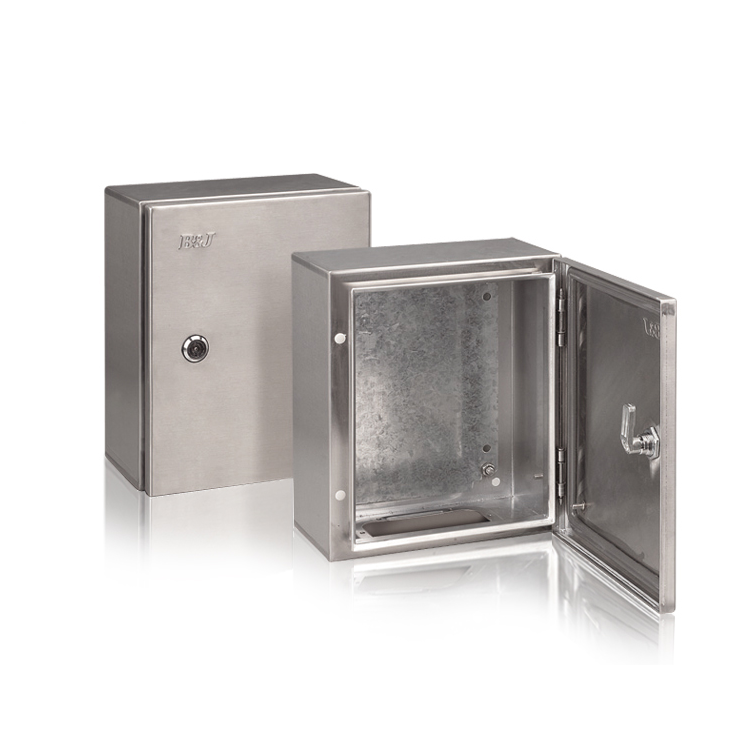
Modern electrical installations demand robust protection solutions that can withstand diverse environmental challenges while maintaining accessibility for maintenance and operation. The selection of an appropriate electrical enclosure involves careful consideration of multiple factors including environmental conditions, mounting requirements, material specifications, and regulatory compliance standards. This comprehensive guide explores the essential aspects of electrical enclosure technology and provides practical insights for making informed purchasing decisions.
Understanding Electrical Enclosure Fundamentals
Core Functions and Protection Mechanisms
The primary function of an electrical enclosure extends beyond simple containment, encompassing multiple layers of protection that ensure electrical systems operate safely and efficiently. These protective housings shield sensitive components from moisture, dust, corrosive substances, and physical damage that could compromise system integrity. The enclosure acts as a barrier against environmental factors while providing controlled access for authorized personnel during installation, maintenance, and troubleshooting procedures.
Environmental protection represents one of the most critical aspects of electrical enclosure design, with various ingress protection ratings defining the level of safeguarding against solid particles and liquid intrusion. The enclosure must maintain its protective properties throughout varying temperature ranges, humidity levels, and exposure to potentially corrosive atmospheres. Advanced enclosure designs incorporate specialized sealing systems, drainage features, and ventilation mechanisms to manage internal conditions effectively.
Safety considerations drive many electrical enclosure design requirements, particularly regarding protection against electrical shock, arc flash events, and unauthorized access to energized components. The enclosure must provide adequate spacing for components, proper grounding connections, and clear identification of hazardous areas. Modern safety standards mandate specific design features that enhance personnel protection while facilitating safe operation and maintenance procedures.
Material Properties and Construction Methods
Material selection significantly influences the performance characteristics and longevity of an electrical enclosure, with different materials offering distinct advantages for specific applications. Steel enclosures provide excellent mechanical strength and electromagnetic shielding properties, making them suitable for heavy-duty industrial applications where physical protection is paramount. The steel construction typically features powder coating or galvanized finishes that enhance corrosion resistance and aesthetic appeal.
Stainless steel variants offer superior corrosion resistance and are particularly valuable in harsh chemical environments, marine applications, and food processing facilities where contamination prevention is crucial. Aluminum enclosures combine lightweight characteristics with good corrosion resistance, making them ideal for applications where weight considerations are important. Fiberglass and polycarbonate materials provide excellent chemical resistance and electrical insulation properties, though they may have limitations regarding mechanical strength and temperature tolerance.
Construction methods vary significantly based on intended applications, with welded, formed, and modular designs each offering specific advantages. Welded construction provides maximum strength and weather resistance but may limit modification flexibility. Formed enclosures offer cost-effective solutions for standard applications, while modular systems enable customization and easy expansion. The choice of construction method should align with specific performance requirements, installation constraints, and future modification needs.
Classification Systems and Industry Standards
NEMA Rating Classifications
The National Electrical Manufacturers Association establishes comprehensive rating systems that define electrical enclosure performance characteristics across various environmental conditions. NEMA ratings provide standardized criteria for evaluating enclosure suitability in specific applications, ranging from basic indoor protection to extreme outdoor and hazardous location requirements. Understanding these classifications enables informed decision-making when selecting enclosures for particular environmental conditions and safety requirements.
NEMA 1 and NEMA 12 ratings address indoor applications with different levels of protection against dust and moisture intrusion. NEMA 4 and NEMA 4X classifications provide weatherproof protection suitable for outdoor installations, with the 4X variant offering enhanced corrosion resistance through stainless steel construction. NEMA 6 and NEMA 6P ratings ensure protection against temporary or prolonged submersion, making them essential for applications in flood-prone areas or wash-down environments.
Hazardous location classifications including NEMA 7, 8, and 9 address specific explosion-proof requirements for environments containing flammable gases, vapors, or combustible dusts. These specialized enclosures incorporate rigorous design features that prevent ignition sources from reaching potentially explosive atmospheres. The selection of appropriate NEMA ratings ensures compliance with safety regulations while optimizing protection levels for specific operational environments.
International Protection Standards
International Protection ratings, commonly known as IP ratings, provide globally recognized standards for electrical enclosure protection against solid particles and liquid intrusion. The two-digit IP code system offers precise specifications for protection levels, enabling consistent evaluation and comparison across different manufacturers and regions. The first digit indicates protection against solid objects ranging from large tools to fine dust particles, while the second digit specifies liquid protection from dripping water to high-pressure jets.
IP65 and IP66 ratings represent commonly specified protection levels for outdoor electrical enclosure applications, providing complete dust protection and resistance to water jets from any direction. IP67 and IP68 ratings offer temporary and continuous submersion protection respectively, making them suitable for applications involving potential flooding or underwater installations. The correlation between IP and NEMA ratings helps facilitate international procurement and ensures consistent protection standards across global installations.
Regional standards including IEC, CSA, and various national certifications complement international protection ratings by addressing specific safety requirements, electromagnetic compatibility, and environmental performance criteria. These standards ensure that electrical enclosures meet local regulatory requirements while maintaining compatibility with international best practices. Compliance with multiple standards broadens application flexibility and facilitates global deployment of electrical systems.
Selection Criteria and Application Considerations
Environmental Assessment and Protection Requirements
Proper environmental assessment forms the foundation for selecting an appropriate electrical enclosure, requiring detailed analysis of operating conditions, exposure risks, and performance expectations. Temperature variations, humidity levels, chemical exposure, and mechanical stresses must be carefully evaluated to determine required protection levels. Outdoor installations face additional challenges including UV radiation, precipitation, wind loads, and temperature cycling that can significantly impact enclosure performance and longevity.
Corrosive environments demand special attention to material selection and protective coatings, with marine, chemical processing, and wastewater treatment applications requiring enhanced corrosion resistance. Salt spray exposure, acid vapors, and alkaline conditions can rapidly degrade inadequately protected enclosures, leading to premature failure and safety hazards. The assessment should include potential future environmental changes that might affect protection requirements over the expected service life.
Mechanical protection requirements encompass considerations for impact resistance, vibration tolerance, and seismic loading depending on the installation environment. Industrial facilities may experience equipment-generated vibrations, while outdoor installations must withstand wind loading and potential impact from debris. Proper assessment ensures that selected enclosures provide adequate mechanical protection while maintaining structural integrity throughout their operational lifetime.
Size Determination and Component Layout
Accurate size determination requires comprehensive analysis of component requirements, including current and future expansion needs, heat dissipation considerations, and maintenance accessibility requirements. The enclosure must provide adequate space for proper component mounting, wiring routing, and heat management while allowing sufficient clearances for safe operation and maintenance procedures. Oversizing may increase costs unnecessarily, while undersizing can compromise safety and limit future expansion opportunities.
Component heat generation significantly influences size requirements, as adequate air circulation and heat dissipation are essential for reliable operation and component longevity. High-power components may require additional ventilation, cooling systems, or larger enclosures to maintain acceptable operating temperatures. The thermal analysis should consider ambient temperature variations, solar loading for outdoor installations, and internal heat generation from all enclosed components.
Accessibility requirements for installation, operation, and maintenance activities influence both size selection and internal layout planning. Sufficient working space must be provided for safe personnel access, component replacement, and routine maintenance procedures. Consideration should be given to door swing clearances, component accessibility, and emergency shutdown requirements that may affect size and configuration selections.
Installation Methods and Mounting Options
Wall-Mount Configuration Advantages
Wall-mount electrical enclosure installations offer numerous advantages including space efficiency, accessibility, and cost-effectiveness for many applications. This mounting method elevates components above ground level, reducing exposure to flooding, ground moisture, and mechanical damage from vehicles or equipment. Wall mounting facilitates easy access for operation and maintenance while minimizing the footprint required for electrical installations, making it particularly valuable in space-constrained environments.
Proper wall-mount installation requires careful attention to structural support, sealing, and thermal management considerations. The mounting surface must provide adequate structural support for the filled enclosure weight, including dynamic loads from door operation and maintenance activities. Mounting hardware should be sized appropriately and installed according to manufacturer specifications to ensure long-term reliability and safety.
Wall-mount configurations facilitate cable management and provide natural protection from many environmental hazards while maintaining good accessibility for authorized personnel. The elevated position reduces exposure to debris, chemicals, and moisture that might accumulate at ground level. This mounting method also simplifies conduit routing and connection procedures, reducing installation complexity and costs compared to floor-mounted alternatives.
Pole-Mount and Pad-Mount Alternatives
Pole-mount electrical enclosure installations provide excellent visibility and accessibility while offering flexibility for outdoor applications where wall mounting is not feasible. This mounting method elevates enclosures well above grade, providing protection from flooding, snow accumulation, and ground-level hazards. Pole-mount installations are particularly valuable for utility applications, remote monitoring systems, and distributed electrical infrastructure where permanent structures are not available.
Pad-mount configurations offer stability and security advantages for larger electrical enclosure installations, particularly in utility and industrial applications. Concrete pad foundations provide excellent stability and can incorporate grounding systems, cable entry provisions, and drainage features. This mounting method accommodates heavier enclosures and provides a stable platform for equipment that generates vibration or requires precise alignment.
The selection between mounting methods should consider accessibility requirements, security concerns, environmental protection needs, and local installation standards. Each mounting approach offers distinct advantages and limitations that must be evaluated against specific application requirements. Proper mounting design ensures long-term stability, safety, and functionality while facilitating efficient installation and maintenance procedures.
FAQ
What factors determine the appropriate NEMA rating for my electrical enclosure application?
The appropriate NEMA rating depends on your specific environmental conditions, including indoor versus outdoor installation, exposure to moisture and dust, chemical environment, and safety requirements. NEMA 1 suits basic indoor applications, while NEMA 4X provides weatherproof outdoor protection with corrosion resistance. Hazardous locations require specialized ratings like NEMA 7 or 8. Consider temperature ranges, potential submersion, wash-down requirements, and local code compliance when selecting the appropriate rating for your application.
How do I calculate the correct size for an electrical enclosure?
Enclosure sizing requires analysis of component dimensions, heat dissipation needs, wiring space, and maintenance access requirements. Add 25-50% extra space beyond minimum component requirements to accommodate heat management and future expansion. Consider component spacing requirements per electrical codes, door swing clearances, and working space for safe maintenance. Include provisions for cable entry, ventilation if required, and any cooling equipment that may be necessary for high-power applications.
What materials offer the best performance for outdoor electrical enclosure applications?
Stainless steel provides excellent corrosion resistance and durability for harsh outdoor environments, particularly in marine or chemical exposure applications. Aluminum offers good corrosion resistance with lighter weight, suitable for many outdoor installations. Carbon steel with appropriate protective coatings provides cost-effective protection for standard outdoor applications. Fiberglass offers superior chemical resistance and electrical insulation but may have temperature limitations. Material selection should balance performance requirements, environmental conditions, and budget considerations.
How often should electrical enclosures be inspected and maintained?
Inspection frequency depends on environmental conditions and criticality of protected equipment, typically ranging from quarterly to annually for most applications. Harsh environments may require monthly inspections, while controlled indoor installations might need only annual checks. Inspect gaskets, hardware, coatings, and internal conditions regularly. Look for signs of moisture intrusion, corrosion, damage, or seal deterioration. Establish a documented maintenance schedule that includes cleaning, lubrication of hardware, gasket replacement, and testing of protective systems to ensure continued reliable operation.
Table of Contents
- Understanding Electrical Enclosure Fundamentals
- Classification Systems and Industry Standards
- Selection Criteria and Application Considerations
- Installation Methods and Mounting Options
-
FAQ
- What factors determine the appropriate NEMA rating for my electrical enclosure application?
- How do I calculate the correct size for an electrical enclosure?
- What materials offer the best performance for outdoor electrical enclosure applications?
- How often should electrical enclosures be inspected and maintained?