 EN
EN

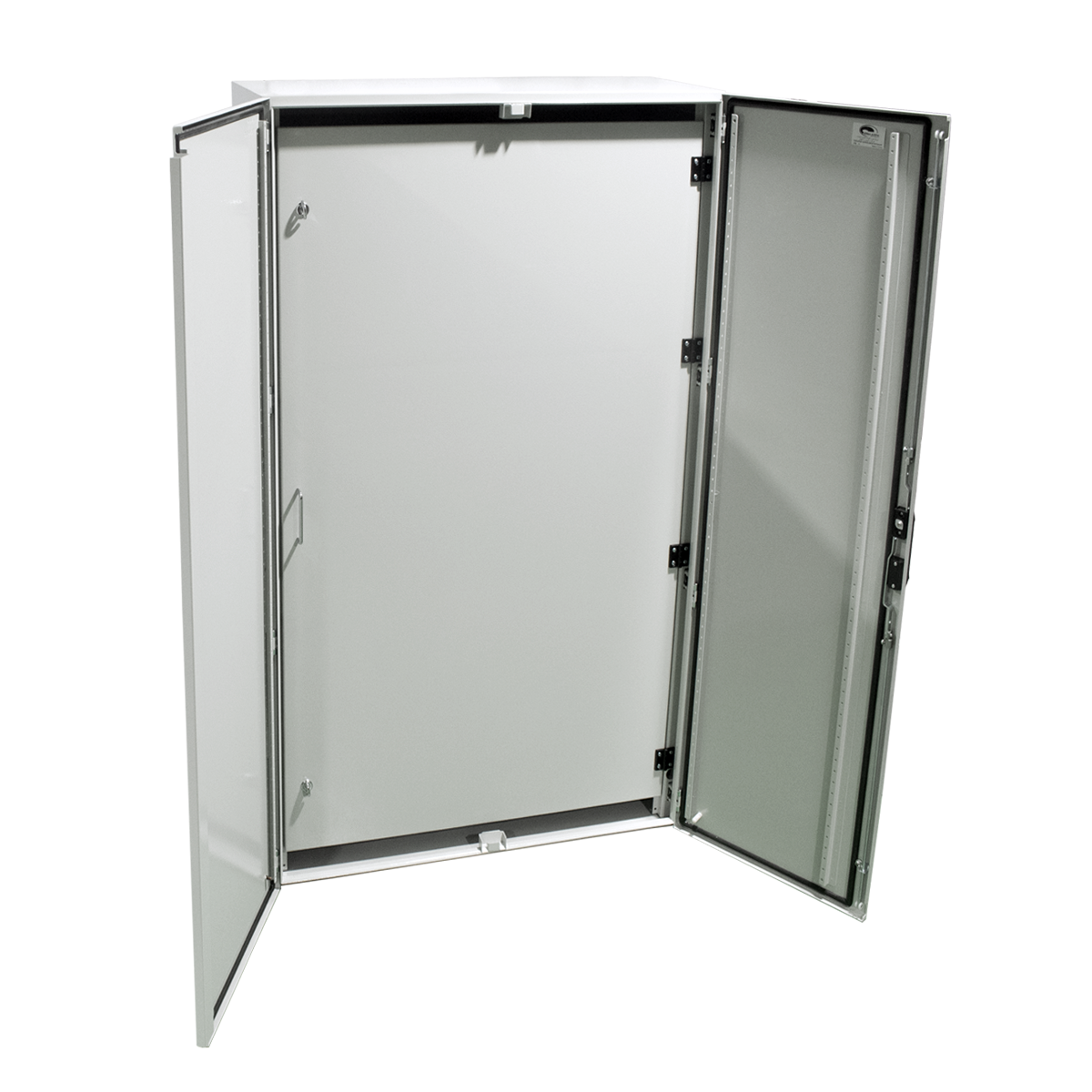
Outdoor lighting installations require robust electrical connections that can withstand harsh weather conditions year-round. A high-quality junction box serves as the critical component that protects electrical connections from moisture, dust, and environmental elements. Whether you're installing landscape lighting, security systems, or decorative outdoor fixtures, selecting the right junction box ensures safety, reliability, and longevity of your electrical installations.
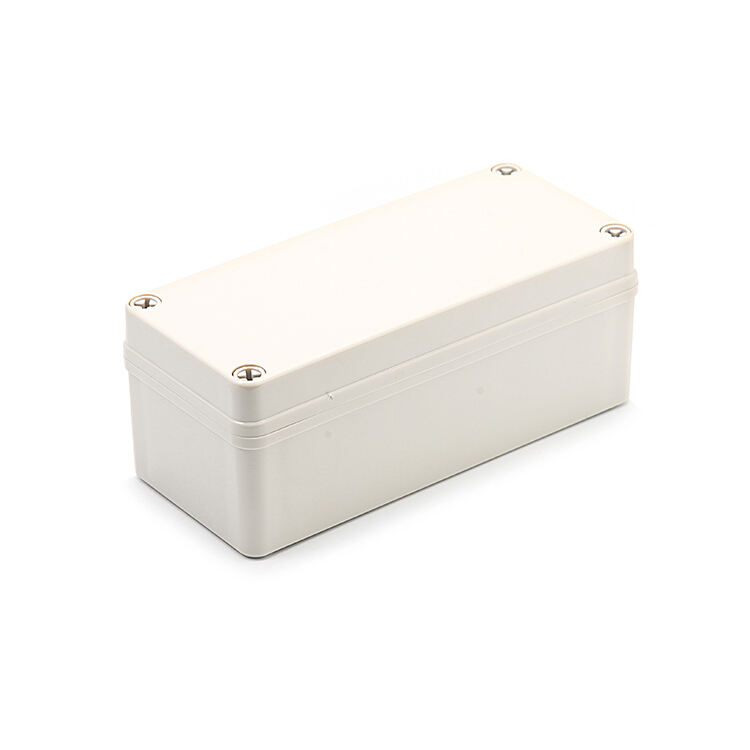
Modern outdoor lighting projects demand junction boxes that meet stringent IP rating standards while providing easy installation and maintenance access. The evolution of weatherproof enclosures has brought advanced materials and design features that address common failure points in traditional electrical installations. Understanding the key characteristics of premium junction boxes helps contractors and homeowners make informed decisions for their specific applications.
Essential Features of Premium Outdoor Junction Boxes
Weatherproof Construction Materials
The foundation of any reliable outdoor junction box lies in its construction materials and manufacturing quality. High-grade ABS plastic and polycarbonate materials offer superior resistance to UV radiation, temperature fluctuations, and chemical exposure. These materials maintain structural integrity across extreme temperature ranges, from freezing winters to scorching summer heat, ensuring your electrical connections remain secure throughout seasonal changes.
Advanced junction box designs incorporate reinforced mounting points and impact-resistant housings that withstand physical stress from installation tools and environmental forces. The material selection directly impacts the enclosure's ability to maintain its protective seal over extended periods. Premium manufacturers utilize virgin plastic resins and specialized additives that prevent cracking, discoloration, and brittleness that commonly affect lower-quality alternatives.
Gasket systems and sealing mechanisms represent critical components that determine long-term performance. Multi-stage sealing designs with replaceable gaskets ensure maintenance personnel can restore weatherproof integrity without replacing the entire enclosure. This approach reduces lifecycle costs while maintaining reliable protection for sensitive electrical components housed within the junction box assembly.
IP Rating Standards and Certifications
International Protection (IP) ratings provide standardized measurements of a junction box's resistance to solid particles and liquid ingress. IP67-rated enclosures offer the highest level of protection suitable for outdoor lighting applications, providing complete dust protection and temporary submersion resistance. These ratings ensure your electrical connections remain safe even during severe weather events or flooding conditions.
Understanding IP rating classifications helps specify appropriate junction box models for different installation environments. IP65 ratings provide excellent protection for most outdoor lighting scenarios, while IP67 ratings become essential for ground-level installations or areas prone to standing water. The testing protocols behind these certifications involve rigorous exposure to dust chambers and water immersion tests that simulate real-world conditions.
Certification marks from recognized testing laboratories indicate compliance with safety standards and provide liability protection for electrical contractors. UL listing, CE marking, and other regulatory approvals demonstrate that the junction box meets specific performance criteria under controlled testing conditions. These certifications become particularly important for commercial installations where code compliance and insurance requirements must be satisfied.
Installation Best Practices for Outdoor Junction Boxes
Proper Mounting and Positioning
Strategic placement of junction box installations significantly impacts long-term performance and maintenance accessibility. Mounting positions should minimize exposure to direct water flow while ensuring adequate ventilation around the enclosure. Elevated installations on walls or posts provide better protection from ground moisture and debris accumulation that can compromise sealing effectiveness over time.
Secure mounting requires appropriate fasteners and backing materials that can support the weight of the junction box plus connected cables and potential ice loading. Stainless steel or zinc-plated fasteners prevent corrosion that could lead to mounting failure. Proper backing materials distribute mounting loads and provide stable support that prevents stress concentrations around mounting holes.
Cable entry configurations must maintain the weatherproof integrity of the junction box while accommodating the required number and size of conductors. Cable glands, cord grips, and knockout seals should match or exceed the IP rating of the main enclosure. Proper cable routing prevents water from following conductors into the junction box interior, maintaining the protective environment for electrical connections.
Connection and Wiring Techniques
Internal wiring practices within the junction box directly affect reliability and safety of outdoor lighting systems. Wire nuts, terminal blocks, and other connection methods must be rated for outdoor use and provide secure mechanical and electrical connections. Proper wire management prevents strain on connections and ensures adequate clearance from the junction box walls and cover.
Moisture control within the junction box involves more than just weatherproof sealing of the enclosure. Drainage provisions, ventilation strategies, and desiccant materials help manage condensation that can form due to temperature cycling. Some junction box designs incorporate weep holes or breathing membranes that allow pressure equalization while maintaining moisture protection.
Documentation and labeling of connections within each junction box facilitates future maintenance and troubleshooting activities. Circuit identification, wire color coding, and connection diagrams help service technicians quickly identify and resolve issues. Proper documentation becomes especially valuable in complex lighting systems with multiple zones and control circuits distributed across numerous junction boxes.
Advanced Junction Box Technologies
Smart Integration Features
Modern junction box designs increasingly incorporate features that support smart lighting systems and IoT integration. Internal mounting provisions for control modules, sensors, and communication devices expand the functionality beyond simple wire connections. These advanced junction box configurations accommodate the growing complexity of intelligent outdoor lighting systems while maintaining weatherproof protection.
Modular internal layouts allow customization of junction box configurations for specific project requirements. Removable mounting plates, adjustable terminal positions, and expandable connection points provide flexibility for complex wiring schemes. This modularity reduces inventory requirements and allows standardization on fewer junction box models while supporting diverse application needs.
Communication cable integration requires special considerations for signal integrity and electromagnetic compatibility within the junction box environment. Proper separation of power and data cables, shielding provisions, and grounding techniques prevent interference that could disrupt smart lighting operations. Advanced junction box designs incorporate these requirements into their internal layout and shielding provisions.
Maintenance and Serviceability
Accessible design features significantly impact the total cost of ownership for outdoor lighting installations. Tool-free cover removal, hinged doors, and quick-disconnect terminals reduce service time and minimize the risk of damage during maintenance activities. These features become particularly valuable for installations in difficult-to-reach locations or areas requiring frequent access.
Visual inspection capabilities through transparent or translucent cover materials allow status monitoring without opening the junction box enclosure. LED indicators, status lights, and diagnostic displays can be integrated into the cover design while maintaining weatherproof integrity. These features enable proactive maintenance and rapid fault identification in complex lighting systems.
Standardized mounting interfaces and connection systems facilitate component replacement and system upgrades throughout the installation lifecycle. Backward compatibility with existing junction box installations reduces replacement costs and minimizes disruption during system modernization projects. Forward compatibility ensures new junction box installations can accommodate future technology upgrades and expansion requirements.
Cost Considerations and Value Analysis
Initial Investment vs Long-term Value
Premium junction box solutions require higher upfront investment but deliver superior value through reduced maintenance costs and extended service life. Comparative analysis of total cost of ownership reveals that quality enclosures often provide 20-30% cost savings over a typical 10-year installation lifecycle. These savings result from reduced replacement frequency, lower maintenance labor costs, and improved system reliability.
Failure costs associated with inadequate junction box selection can far exceed the initial savings from choosing lower-quality alternatives. Water ingress damage to electrical components, safety hazards from compromised connections, and system downtime represent significant hidden costs. Premium junction box installations prevent these failure modes and provide predictable operating costs throughout the system lifecycle.
Warranty provisions and manufacturer support services add value beyond the physical junction box hardware. Comprehensive warranties, technical support, and replacement part availability provide risk mitigation for critical installations. These services become particularly valuable for commercial and industrial applications where system reliability directly impacts business operations and safety compliance.
Specification and Procurement Guidelines
Detailed specifications for junction box procurement should address material requirements, performance criteria, and compliance standards specific to the installation environment. Environmental exposure conditions, electrical requirements, and mechanical constraints must be clearly defined to ensure appropriate product selection. Standardized specifications reduce procurement complexity and ensure consistency across multiple project phases.
Supplier evaluation criteria should emphasize manufacturing quality, technical support capabilities, and delivery reliability rather than focusing solely on price comparisons. Established manufacturers with proven track records in outdoor electrical enclosures provide greater assurance of product performance and availability. Local distributor networks and technical support resources add value for complex installations requiring ongoing support.
Bulk procurement strategies can reduce unit costs while ensuring consistency across large installations. Standardization on specific junction box models simplifies maintenance procedures and reduces spare parts inventory requirements. Volume commitments often provide access to technical support services and customization options not available for smaller purchases.
Industry Applications and Case Studies
Commercial Outdoor Lighting Projects
Large-scale commercial installations demonstrate the importance of reliable junction box selection in complex lighting systems. Shopping centers, office complexes, and industrial facilities require junction box solutions that support hundreds of individual fixtures while maintaining consistent performance. These applications showcase the value of standardized enclosure specifications and centralized maintenance procedures.
Parking lot lighting installations present unique challenges for junction box applications due to vehicle traffic, de-icing chemicals, and security requirements. Robust enclosure designs with impact resistance and tamper-proof features address these environmental concerns. Advanced junction box configurations support intelligent lighting controls and monitoring systems that optimize energy consumption and maintenance scheduling.
Sports facilities and recreational areas require junction box solutions that accommodate high-intensity lighting systems and complex control schemes. Multiple circuit management, emergency lighting integration, and event-specific control requirements demand sophisticated electrical connections housed within weatherproof enclosures. These applications demonstrate the versatility and reliability of premium junction box designs.
Residential Landscape Lighting
Residential outdoor lighting projects benefit from junction box solutions that combine professional-grade performance with aesthetic considerations. Decorative enclosure designs, color matching options, and compact form factors address homeowner concerns while maintaining electrical safety and reliability. These applications show how advanced materials and manufacturing techniques can satisfy both functional and aesthetic requirements.
Low-voltage landscape lighting systems require junction box designs optimized for transformer connections and multi-zone distribution. Specialized internal layouts accommodate landscape lighting transformers and control modules while maintaining weatherproof protection. These configurations demonstrate the value of application-specific junction box designs that address unique installation requirements.
Smart home integration capabilities built into modern junction box designs enable homeowners to control and monitor their outdoor lighting systems remotely. Wireless communication modules, sensor integration, and mobile app connectivity transform traditional electrical enclosures into intelligent system components. These features represent the evolution of junction box technology toward comprehensive lighting management solutions.
FAQ
What IP rating is required for outdoor junction boxes
For most outdoor lighting applications, IP65 rating provides adequate protection against dust and water jets from any direction. However, IP67 rating is recommended for ground-level installations or areas prone to temporary flooding, as it offers protection against temporary submersion up to one meter depth for 30 minutes.
How often should outdoor junction boxes be inspected
Visual inspections should be performed quarterly to check for physical damage, seal integrity, and mounting security. Annual detailed inspections involving cover removal allow verification of internal connections and gasket condition. More frequent inspections may be required in harsh environments or critical applications where system reliability is paramount.
Can junction boxes be painted to match surrounding surfaces
Most ABS and polycarbonate junction boxes can be painted using appropriate primers and paints designed for plastic surfaces. However, painting may void manufacturer warranties and could affect UV resistance properties. Many manufacturers offer factory color options or specify compatible coating systems that maintain material performance characteristics.
What size junction box is needed for multiple circuit connections
Junction box sizing depends on the number and gauge of conductors, connection method, and applicable electrical codes. As a general rule, the box volume should provide adequate space for all conductors plus 25% additional capacity for wire nuts or terminal blocks. Consult local electrical codes and manufacturer guidelines for specific volume calculations and minimum clearance requirements.