 EN
EN

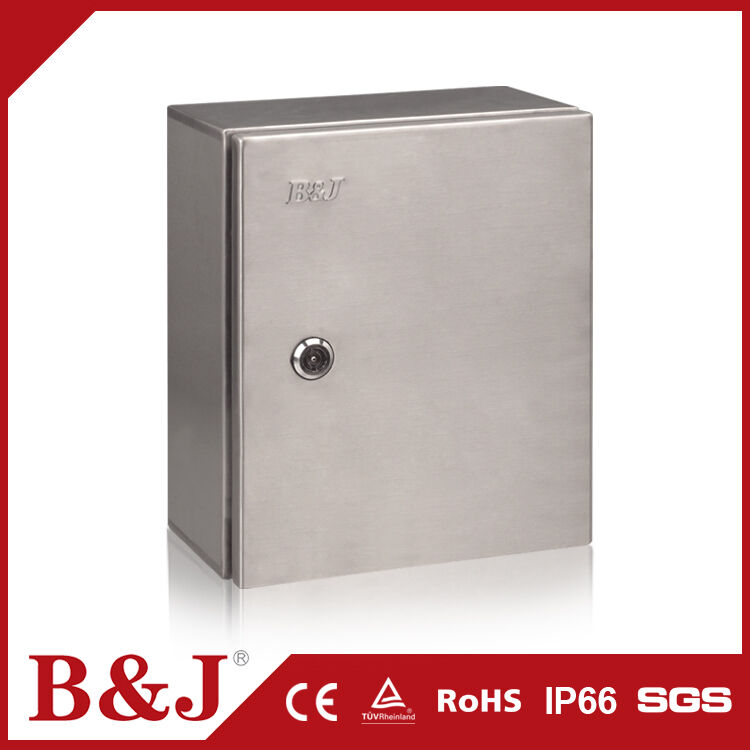
Modern manufacturing facilities require robust protection for their electrical components, making the proper assembly of modular industrial enclosure systems a critical skill for engineers and technicians. These protective housings safeguard sensitive equipment from environmental hazards while ensuring compliance with industry safety standards. Understanding the fundamentals of industrial enclosure assembly can significantly improve installation efficiency and long-term system reliability. The modular design approach has revolutionized how professionals approach electrical protection, offering unprecedented flexibility in configuration and maintenance.
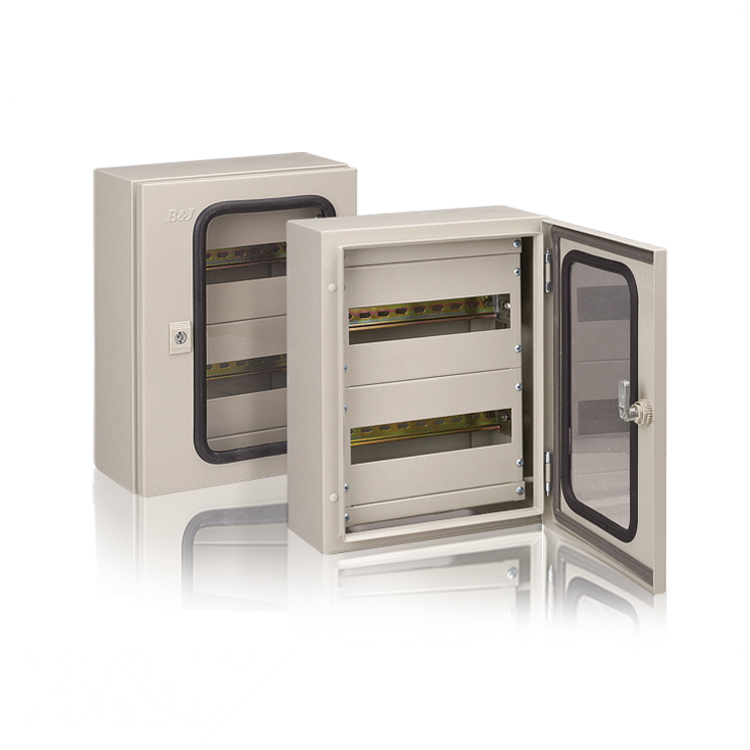
Essential Components of Modular Industrial Enclosure Systems
Primary Structural Elements
Every modular industrial enclosure system begins with fundamental structural components that form the backbone of the protective housing. The base frame typically consists of extruded aluminum profiles or steel rails that provide mounting points for subsequent components. These structural elements must meet specific load-bearing requirements to support the weight of internal equipment and withstand external forces. Quality industrial enclosure manufacturers design these components with precision-machined surfaces to ensure proper alignment during assembly.
The corner brackets and joining hardware represent another crucial category of structural elements in modular systems. These components facilitate secure connections between frame sections while maintaining structural integrity under various operating conditions. Professional-grade industrial enclosure assemblies incorporate corrosion-resistant fasteners and gasket systems that preserve environmental sealing over extended service periods.
Protective Housing Panels
Wall panels constitute the primary barrier between internal components and external environmental factors in any industrial enclosure configuration. These panels typically feature powder-coated steel or aluminum construction with integrated mounting systems for accessories and equipment. The modular approach allows technicians to select panel configurations that match specific application requirements, from basic protection to specialized features like EMI shielding or explosion-proof ratings.
Door assemblies within modular industrial enclosure systems provide access for maintenance while maintaining environmental protection when closed. These components incorporate multi-point locking mechanisms and continuous gasket systems to ensure reliable sealing. Advanced door designs include integrated cable management systems and mounting provisions for control panels or display equipment.
Preparation and Planning for Assembly
Site Assessment and Requirements
Successful industrial enclosure installation begins with thorough site assessment and requirements analysis. The installation location must provide adequate clearance for assembly activities and future maintenance access. Environmental conditions such as ambient temperature, humidity levels, and potential contamination sources influence material selection and assembly procedures. Professional installers document these factors to ensure the chosen industrial enclosure configuration will perform reliably under actual operating conditions.
Electrical infrastructure requirements significantly impact the assembly approach for modular systems. Power distribution requirements, grounding specifications, and cable routing pathways must be planned before beginning physical assembly. The modular nature of modern industrial enclosure systems accommodates various electrical configurations, but proper planning prevents costly modifications during installation.
Tool Selection and Safety Protocols
Assembly of modular industrial enclosure systems requires specific tools and safety equipment to ensure professional results and worker protection. Basic hand tools include metric and standard wrenches, screwdrivers, and measuring devices for alignment verification. Specialized tools such as torque wrenches ensure proper fastener tension, while digital levels help maintain precise alignment throughout the assembly process.
Safety protocols for industrial enclosure assembly encompass personal protective equipment requirements and procedural safeguards. Workers must wear appropriate eye protection, work gloves, and safety footwear during assembly activities. Electrical safety procedures become critical when integrating powered components, requiring lockout/tagout protocols and voltage verification procedures.
Step-by-Step Assembly Process
Foundation and Frame Construction
The assembly process for modular industrial enclosure systems begins with establishing a stable foundation and constructing the primary frame structure. Mounting surfaces must be level and capable of supporting the fully loaded enclosure weight. The base frame assembly involves connecting extruded profiles using precision-machined corner brackets and specialized fasteners. Each connection point requires verification of alignment and proper torque specifications to ensure structural integrity.
Frame construction proceeds systematically from the base upward, with careful attention to dimensional accuracy at each stage. The modular design philosophy of quality industrial enclosure systems simplifies this process through standardized connection interfaces and clear assembly documentation. Technicians should verify frame squareness and dimensional accuracy before proceeding to panel installation phases.
Panel Integration and Sealing
Panel installation represents the most visible aspect of industrial enclosure assembly, requiring careful attention to alignment and sealing integrity. Each panel must fit precisely within the frame structure while maintaining consistent gap dimensions around the perimeter. The gasket system installation occurs during this phase, with particular attention to corner treatments and penetration points that could compromise environmental protection.
Quality assurance during panel integration involves checking for proper gasket compression and verifying that all mounting fasteners achieve specified torque values. The industrial enclosure must demonstrate consistent appearance and gap dimensions around all panel joints. Professional installations include documentation of torque values and gasket condition for future reference during maintenance activities.
Advanced Configuration Options
Cable Management Systems
Modern industrial enclosure designs incorporate sophisticated cable management systems that organize wiring while maintaining environmental protection. These systems include cable entry plates with multiple sealed penetrations, internal wire routing channels, and strain relief mechanisms. The modular approach allows customization of cable management features to match specific application requirements without compromising the overall enclosure integrity.
Fiber optic cable management within industrial enclosure systems requires specialized consideration due to bend radius limitations and environmental sensitivity. Dedicated fiber management panels provide organized routing while protecting sensitive optical connections from vibration and temperature fluctuations. These specialized components integrate seamlessly with standard industrial enclosure configurations through modular mounting interfaces.
Climate Control Integration
Temperature management becomes critical in many industrial enclosure applications, particularly when housing sensitive electronic equipment. Modular systems accommodate various climate control options, from passive ventilation systems to active cooling units. The integration process requires careful consideration of airflow patterns and condensation management to prevent moisture-related problems within the enclosure.
Advanced climate control systems for industrial enclosure applications include intelligent monitoring and control capabilities. These systems can adjust cooling capacity based on internal temperature conditions while maintaining environmental sealing integrity. The modular design approach facilitates future upgrades or modifications to climate control systems without requiring complete enclosure replacement.
Quality Assurance and Testing
Dimensional Verification
Comprehensive quality assurance for assembled industrial enclosure systems begins with dimensional verification procedures. Critical measurements include overall enclosure dimensions, door alignment, panel gaps, and internal clearances for equipment mounting. Professional installations document these measurements to establish baseline references for future maintenance and modification activities.
Tolerance verification ensures that the assembled industrial enclosure meets manufacturer specifications and application requirements. Digital measuring equipment provides accurate readings for gap dimensions and alignment parameters. Any deviations from specified tolerances require corrective action before the installation can be considered complete.
Environmental Sealing Tests
Environmental protection capability represents a fundamental requirement for most industrial enclosure applications. Sealing effectiveness testing involves pressurization tests and leak detection procedures to verify gasket performance. These tests must demonstrate that the assembled enclosure meets the specified IP rating under actual operating conditions.
Long-term sealing performance depends on proper gasket installation and maintenance procedures. Quality industrial enclosure systems incorporate gasket designs that maintain sealing effectiveness over extended service periods. Regular inspection schedules help identify potential sealing problems before they compromise equipment protection.
Maintenance and Long-Term Performance
Preventive Maintenance Protocols
Ongoing maintenance requirements for modular industrial enclosure systems focus on preserving environmental protection and structural integrity. Regular inspection schedules should include gasket condition assessment, fastener torque verification, and coating integrity evaluation. The modular design philosophy simplifies many maintenance tasks by providing convenient access to critical components.
Documentation systems for industrial enclosure maintenance help track component condition and replacement schedules. Digital maintenance records can include photographic documentation of gasket condition, torque readings, and any modifications made during service intervals. This information proves valuable for optimizing maintenance schedules and identifying potential improvement opportunities.
Upgrade and Modification Procedures
The modular nature of modern industrial enclosure systems facilitates future modifications and upgrades without requiring complete system replacement. Common modification scenarios include adding cable entry points, installing additional equipment mounting surfaces, or upgrading climate control capabilities. These modifications must maintain the original environmental protection rating and structural integrity of the enclosure.
Professional modification procedures include thorough planning phases to ensure compatibility with existing components and compliance with relevant standards. The industrial enclosure manufacturer typically provides guidance on approved modification procedures and compatible accessory components. Proper documentation of modifications helps maintain warranty coverage and ensures future maintenance activities proceed smoothly.
FAQ
What tools are essential for assembling a modular industrial enclosure system
Essential tools for industrial enclosure assembly include metric and standard wrenches, precision screwdrivers, torque wrenches for proper fastener tension, digital levels for alignment verification, and measuring devices for dimensional accuracy. Specialized tools may include gasket installation aids and electrical testing equipment depending on the specific application requirements.
How do I ensure proper environmental sealing during assembly
Proper environmental sealing requires careful gasket installation with attention to corner treatments and penetration points. Verify gasket compression levels, maintain consistent panel gaps, and follow manufacturer torque specifications for all fasteners. Conduct pressurization tests after assembly to confirm the industrial enclosure meets specified IP rating requirements.
What factors should I consider when planning an industrial enclosure installation
Key planning factors include site environmental conditions, electrical infrastructure requirements, equipment mounting needs, cable management specifications, and future modification possibilities. Assess ambient temperature ranges, humidity levels, potential contamination sources, and maintenance access requirements. The modular design of quality industrial enclosure systems accommodates various configuration options to meet specific application demands.
How often should assembled industrial enclosure systems undergo maintenance inspection
Maintenance inspection frequency depends on environmental conditions and application criticality, but typically ranges from quarterly to annually for most industrial enclosure installations. Focus inspections on gasket condition, fastener torque, coating integrity, and any signs of environmental infiltration. Establish documentation systems to track component condition and optimize maintenance schedules based on actual performance data.
Table of Contents
- Essential Components of Modular Industrial Enclosure Systems
- Preparation and Planning for Assembly
- Step-by-Step Assembly Process
- Advanced Configuration Options
- Quality Assurance and Testing
- Maintenance and Long-Term Performance
-
FAQ
- What tools are essential for assembling a modular industrial enclosure system
- How do I ensure proper environmental sealing during assembly
- What factors should I consider when planning an industrial enclosure installation
- How often should assembled industrial enclosure systems undergo maintenance inspection