 EN
EN

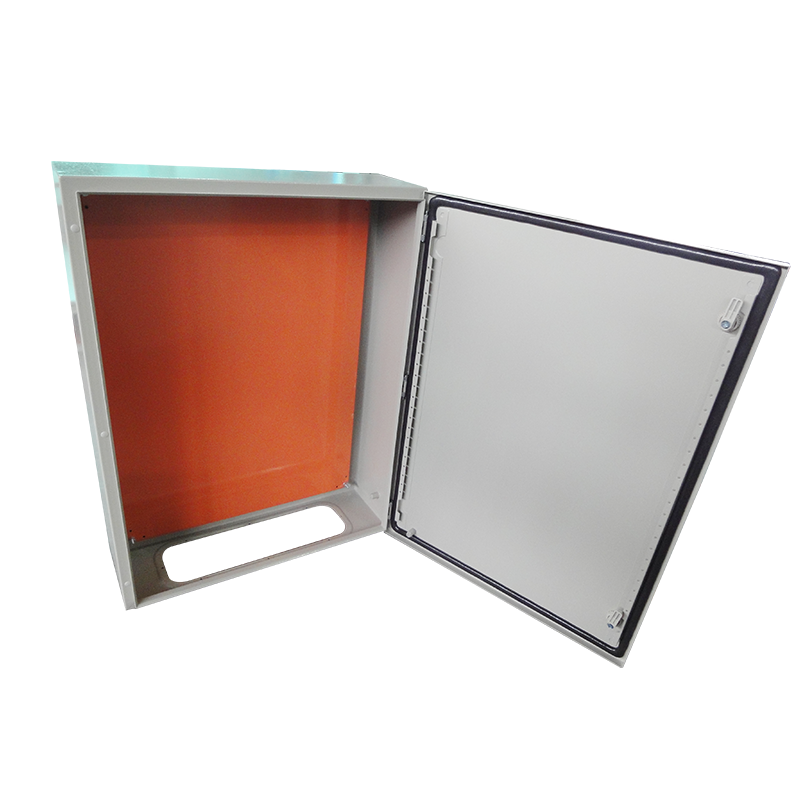
Food processing facilities demand robust protection for critical electrical equipment, making the selection of appropriate housing solutions paramount for operational safety and regulatory compliance. An industrial enclosure serves as the first line of defense against harsh environmental conditions, moisture infiltration, and contamination risks that are inherent in food production environments. These specialized protective housings must withstand frequent washdowns with caustic cleaning agents, resist corrosion from acidic food byproducts, and maintain hermetic sealing to prevent bacterial contamination of sensitive electronic components.
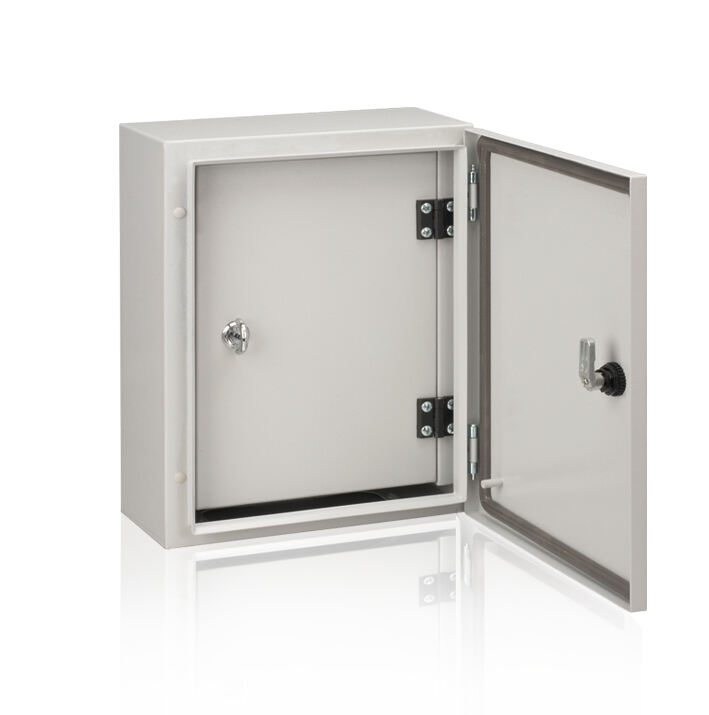
The food processing industry operates under stringent sanitation requirements that extend beyond basic equipment functionality to encompass comprehensive contamination prevention strategies. Modern food production facilities require electrical enclosures that integrate seamlessly with Hazard Analysis and Critical Control Points protocols while providing reliable protection for automation systems, motor control centers, and monitoring equipment. Stainless steel construction has emerged as the preferred material choice due to its inherent resistance to chemical degradation, ease of sanitization, and compliance with FDA guidelines for food contact surfaces.
Material Specifications for Food Grade Applications
Stainless Steel Grade Selection
The choice of stainless steel grade significantly impacts the long-term performance and durability of an industrial enclosure in food processing environments. Grade 316L stainless steel represents the industry standard for food-grade applications, offering superior corrosion resistance compared to standard 304 grades. This austenitic stainless steel contains molybdenum additions that enhance resistance to chloride-induced pitting corrosion, a critical consideration given the frequent use of chlorinated sanitizing solutions in food processing facilities.
The low carbon content in 316L stainless steel minimizes carbide precipitation during welding operations, ensuring consistent corrosion resistance throughout the enclosure structure. This metallurgical stability becomes particularly important when industrial enclosure units undergo field modifications or repairs that involve welding procedures. Food processing plants benefit from this material consistency as it eliminates potential weak points that could compromise sanitation protocols or lead to premature equipment failure.
Surface Finish Requirements
Surface finish specifications play a crucial role in determining the cleanability and bacterial resistance of stainless steel enclosures used in food processing applications. A 2B mill finish provides an acceptable baseline for most applications, but many facilities specify upgraded finishes such as No. 4 brushed or electropolished surfaces for enhanced sanitation properties. These smoother surface textures reduce the potential for bacterial adhesion and facilitate more effective cleaning during routine sanitation cycles.
Electropolished stainless steel surfaces offer the highest level of cleanability by removing surface impurities and creating a passive oxide layer that enhances corrosion resistance. An industrial enclosure featuring electropolished surfaces typically demonstrates improved resistance to cleaning chemicals and reduced maintenance requirements over its operational lifespan. The investment in premium surface treatments often proves cost-effective when considering the reduced labor costs associated with cleaning procedures and the extended service life of the equipment.
Environmental Protection Standards
IP Rating Requirements
Ingress Protection ratings define the level of environmental sealing provided by electrical enclosures, with food processing applications typically requiring IP65 or higher ratings to ensure adequate protection against washdown procedures. An IP66-rated industrial enclosure provides complete dust protection and resistance to powerful water jets from multiple directions, making it suitable for high-pressure cleaning operations commonly employed in food facilities. The gasket systems and door sealing mechanisms must maintain their integrity throughout repeated thermal cycling and chemical exposure.
Higher IP ratings such as IP67 or IP68 may be specified for equipment installations in areas prone to temporary flooding or where steam cleaning procedures are employed. These enhanced protection levels require more sophisticated sealing systems and careful attention to cable entry methods to prevent moisture infiltration. The selection of appropriate gasket materials becomes critical, with food-grade silicone and EPDM rubber compounds offering superior resistance to cleaning chemicals and temperature extremes encountered in food processing environments.
NEMA Standards Compliance
NEMA (National Electrical Manufacturers Association) standards provide additional guidance for enclosure selection in North American food processing facilities. NEMA 4X ratings specifically address stainless steel construction requirements and corrosion resistance performance standards that align with food industry needs. An industrial enclosure meeting NEMA 4X specifications ensures compatibility with both indoor and outdoor installations while providing protection against windblown dust, rain, and ice formation.
The NEMA 4X standard also addresses resistance to corrosion from salt spray and chemical atmospheres, making these enclosures suitable for coastal food processing facilities or plants that process briny products. Compliance with NEMA standards facilitates equipment specification and procurement processes while ensuring consistent performance expectations across different manufacturers and product lines.
Design Features for Food Processing Applications
Hygienic Design Principles
Hygienic design principles guide the development of food-grade electrical enclosures to minimize contamination risks and facilitate effective cleaning procedures. Smooth, crevice-free construction eliminates potential harboring sites for pathogenic bacteria and reduces the complexity of sanitation protocols. An industrial enclosure designed for food applications incorporates continuous welded seams, rounded internal corners, and sloped surfaces that promote drainage and prevent the accumulation of cleaning residues.
External mounting hardware should be minimized and recessed where possible to eliminate ledges that could collect debris or cleaning solutions. Hinges and latching mechanisms require special attention to ensure they can be effectively cleaned and sanitized without compromising their mechanical function. Food-grade lubricants must be employed in moving parts to maintain compliance with FDA regulations regarding incidental food contact.
Ventilation and Cooling Considerations
Thermal management within industrial enclosures requires careful balance between environmental protection and heat dissipation in food processing environments. Forced air cooling systems must incorporate food-grade filters and be designed to prevent the ingress of contaminants while maintaining adequate cooling capacity for enclosed equipment. Natural convection cooling through strategically placed vents offers a maintenance-free alternative but requires careful design to maintain IP ratings and prevent contamination.
Heat exchanger systems provide an effective solution for high-heat applications by transferring thermal energy to the external environment without compromising enclosure integrity. These closed-loop cooling systems eliminate the risk of airborne contamination while providing precise temperature control for sensitive electronic components. The selection of cooling methods must consider both the thermal requirements of enclosed equipment and the sanitation protocols of the specific food processing application.
Installation and Mounting Solutions
Wall-Mounted Configurations
Wall-mounted industrial enclosure installations offer space-saving advantages in congested food processing environments while facilitating access for maintenance and inspection activities. Proper mounting height considerations ensure compliance with accessibility requirements while positioning equipment above potential splash zones and cleaning activities. Stainless steel mounting brackets and hardware maintain material consistency and corrosion resistance throughout the installation.
The mounting system design must accommodate thermal expansion and contraction cycles without compromising enclosure alignment or seal integrity. Vibration isolation may be required in installations near processing equipment to prevent mechanical stress on internal components. Wall preparation and sealing around mounting penetrations require attention to prevent moisture infiltration behind the enclosure that could lead to corrosion or structural damage.
Floor-Standing and Pedestal Options
Free-standing installations provide maximum accessibility for large control systems and equipment that require frequent service access. Pedestal mounting raises the industrial enclosure above floor level to facilitate cleaning underneath and prevent damage from floor washdown procedures. The base design must incorporate drainage features and smooth transitions to prevent the accumulation of cleaning solutions or food debris.
Leveling mechanisms allow for precise installation alignment on uneven surfaces while maintaining proper door operation and seal compression. Anti-tip features may be required for tall enclosures to ensure stability during door opening and maintenance activities. The pedestal design should minimize horizontal surfaces that could collect debris while providing adequate structural support for the installed equipment weight.
Electrical Safety and Code Compliance
National Electrical Code Requirements
Compliance with National Electrical Code provisions ensures safe installation and operation of electrical equipment in food processing facilities. Proper grounding and bonding of stainless steel enclosures prevents electrical hazards while maintaining electromagnetic compatibility with sensitive process control equipment. An industrial enclosure installation must incorporate appropriate overcurrent protection and disconnect means accessible to maintenance personnel.
Special consideration must be given to installations in wet locations where GFCI protection may be required for personnel safety. The selection of appropriate electrical ratings and arc fault protection systems helps prevent equipment damage and reduces fire hazards in food processing environments. Proper conductor sizing and routing within enclosures ensures adequate ampacity while maintaining thermal derating factors for enclosed installations.
Hazardous Location Classifications
Some food processing operations may create hazardous atmospheres due to combustible dust or flammable vapor concentrations that require specialized enclosure ratings. Class II, Division 2 locations involving grain processing or sugar handling may require dust-ignition-proof enclosures to prevent ignition of suspended particulates. An industrial enclosure designed for these applications must incorporate explosion-proof construction and appropriate temperature ratings.
Certification by recognized testing laboratories ensures compliance with hazardous location requirements and provides documentation for regulatory inspections. The installation of certified equipment in classified locations requires adherence to specific wiring methods and sealing requirements to maintain the integrity of the hazardous location protection system.
Maintenance and Service Considerations
Preventive Maintenance Programs
Effective maintenance programs for stainless steel industrial enclosures in food processing facilities must balance equipment reliability with sanitation requirements. Regular inspection schedules should include gasket condition assessment, hardware torque verification, and surface condition evaluation to identify potential issues before they compromise equipment protection. Documentation of maintenance activities supports regulatory compliance and helps optimize service intervals.
Gasket replacement schedules depend on the specific cleaning chemicals and thermal cycling experienced in each application. Food-grade replacement gaskets must be readily available to minimize equipment downtime during maintenance procedures. The maintenance program should include provisions for temporary equipment protection during service activities to prevent contamination of internal components.
Cleaning and Sanitization Protocols
Standardized cleaning procedures ensure consistent sanitation results while preventing damage to enclosure components from improper chemical exposure or mechanical abuse. The selection of appropriate cleaning agents must consider material compatibility with stainless steel surfaces, gasket materials, and any surface treatments applied to the industrial enclosure. Cleaning frequency requirements vary based on the specific food products processed and regulatory oversight requirements.
Validation of cleaning effectiveness through ATP monitoring or other testing methods provides objective verification of sanitation protocol success. Training programs for maintenance personnel should emphasize proper cleaning techniques and chemical handling procedures to ensure both personnel safety and equipment protection. Documentation of cleaning activities supports HACCP compliance and regulatory audit requirements.
Cost Considerations and Return on Investment
Initial Investment Analysis
The initial cost of stainless steel industrial enclosures for food processing applications typically exceeds that of standard carbon steel alternatives, but this investment must be evaluated in the context of total lifecycle costs. Stainless steel construction eliminates the need for protective coatings that require periodic renewal and provides extended service life in corrosive environments. The reduced maintenance requirements and improved reliability often justify the higher initial investment through lower operating costs.
Proper specification of enclosure features prevents costly retrofits and modifications that may be required if inadequate protection levels are initially selected. An industrial enclosure that meets current and anticipated future requirements provides better long-term value than minimum-specification alternatives that may require premature replacement. The cost of production disruptions caused by equipment failures often exceeds the incremental cost of higher-quality enclosures.
Operational Cost Benefits
The operational advantages of properly specified stainless steel enclosures extend beyond simple equipment protection to include improved process reliability and reduced regulatory compliance costs. Easier cleaning procedures reduce labor costs while more reliable equipment operation minimizes production disruptions and associated revenue losses. The extended service life of quality enclosures reduces capital replacement requirements and supports more predictable budgeting processes.
Energy efficiency benefits may result from improved thermal management and reduced equipment stress in properly protected installations. The reliability improvements associated with quality industrial enclosure installations support lean manufacturing initiatives and reduce inventory requirements for spare parts and backup equipment. These operational benefits typically provide measurable returns on the incremental investment in premium enclosure specifications.
Future Trends and Technology Integration
Smart Monitoring Systems
Integration of IoT sensors and monitoring systems within industrial enclosures enables predictive maintenance strategies and real-time condition monitoring for food processing equipment. Temperature, humidity, and vibration sensors provide early warning of potential equipment issues while door position monitors ensure enclosure integrity is maintained. These smart systems support Industry 4.0 initiatives and provide valuable data for optimizing maintenance schedules and equipment performance.
Wireless communication systems eliminate the need for additional wiring penetrations that could compromise enclosure sealing while providing remote monitoring capabilities. Cloud-based data analytics platforms can identify trends and patterns that support continuous improvement initiatives and help optimize equipment specifications for future installations. The integration of monitoring systems must consider cybersecurity requirements and data protection protocols appropriate for food processing facilities.
Sustainable Design Initiatives
Environmental sustainability considerations are increasingly important in food processing equipment selection, driving demand for recyclable materials and energy-efficient designs. Stainless steel offers inherent sustainability advantages through its recyclability and extended service life compared to alternative materials. An industrial enclosure designed for disassembly and material recovery supports corporate sustainability goals while reducing end-of-life disposal costs.
Energy-efficient cooling systems and improved insulation materials reduce the environmental impact of enclosure operations while providing cost savings through reduced energy consumption. Life cycle assessment methodologies help quantify the environmental benefits of quality enclosures compared to alternatives with shorter service lives and higher maintenance requirements.
FAQ
What IP rating is required for industrial enclosures in food processing washdown areas
Food processing washdown areas typically require IP65 or higher ratings to provide adequate protection against high-pressure water jets and cleaning chemicals. IP66 ratings offer enhanced protection for areas with intensive cleaning procedures, while IP67 ratings may be necessary for locations prone to temporary flooding or steam cleaning operations. The specific IP rating should be selected based on the cleaning methods and chemical exposure expected in each installation location.
How often should gaskets be replaced in food-grade stainless steel enclosures
Gasket replacement intervals depend on the specific cleaning chemicals used, temperature cycling, and door operation frequency, but typically range from 12 to 24 months in standard food processing applications. More aggressive cleaning protocols or extreme temperature conditions may require more frequent replacement. Regular inspection of gasket condition during preventive maintenance activities helps optimize replacement timing and prevent seal failures that could compromise equipment protection.
What are the key differences between 304 and 316L stainless steel for food processing enclosures
Grade 316L stainless steel provides superior corrosion resistance compared to 304 stainless steel due to molybdenum additions that enhance resistance to chloride-induced pitting corrosion. This makes 316L the preferred choice for food processing applications where chlorinated sanitizing solutions are regularly used. The low carbon content in 316L also provides better welding characteristics and maintains consistent corrosion resistance throughout the enclosure structure.
Can industrial enclosures be modified in the field while maintaining food-grade compliance
Field modifications to food-grade industrial enclosures are possible but must be carefully planned and executed to maintain sanitation compliance and environmental protection ratings. Any welding or cutting operations should use appropriate stainless steel filler materials and welding procedures to prevent corrosion issues. Modified areas may require surface treatment such as passivation or electropolishing to restore food-grade surface conditions and maintain cleanability requirements.
Table of Contents
- Material Specifications for Food Grade Applications
- Environmental Protection Standards
- Design Features for Food Processing Applications
- Installation and Mounting Solutions
- Electrical Safety and Code Compliance
- Maintenance and Service Considerations
- Cost Considerations and Return on Investment
- Future Trends and Technology Integration
-
FAQ
- What IP rating is required for industrial enclosures in food processing washdown areas
- How often should gaskets be replaced in food-grade stainless steel enclosures
- What are the key differences between 304 and 316L stainless steel for food processing enclosures
- Can industrial enclosures be modified in the field while maintaining food-grade compliance