 EN
EN

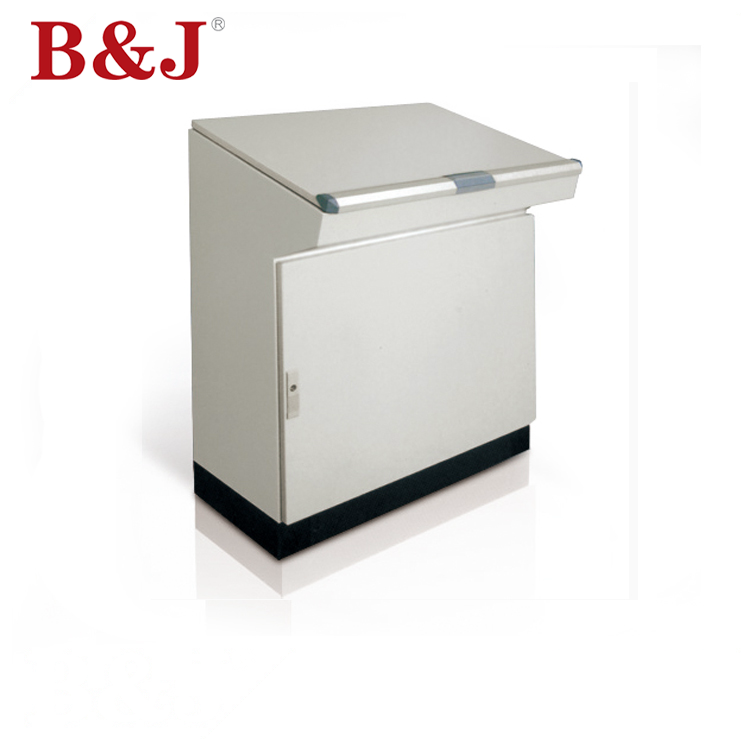
When teams compare cold-rolled and hot-rolled options for a steel enclosure, the real question is not which material is universally better, but which one delivers the right balance of strength, finish quality, fabrication stability, and total cost for the job. In industrial projects, a steel enclosure is expected to protect controls, survive vibration, resist handling damage, and support repeatable installation. That means the rolling process behind the steel enclosure directly affects both mechanical behavior and budget outcomes. A clear comparison helps buyers avoid over-specifying one steel enclosure where it is unnecessary, or under-specifying a steel enclosure where reliability margins are tight.
For most B2B procurement and engineering decisions, the best approach is to compare cold-rolled and hot-rolled material across application context, not catalog labels. A steel enclosure in a clean indoor automation line faces different stress than a steel enclosure in a dusty plant with heavy maintenance traffic. Cost also has layers: raw sheet pricing, secondary processing, coating preparation, reject risk, and lifecycle maintenance. This strength-and-cost comparison is built to support practical specification of the right steel enclosure for industrial performance and financial control.
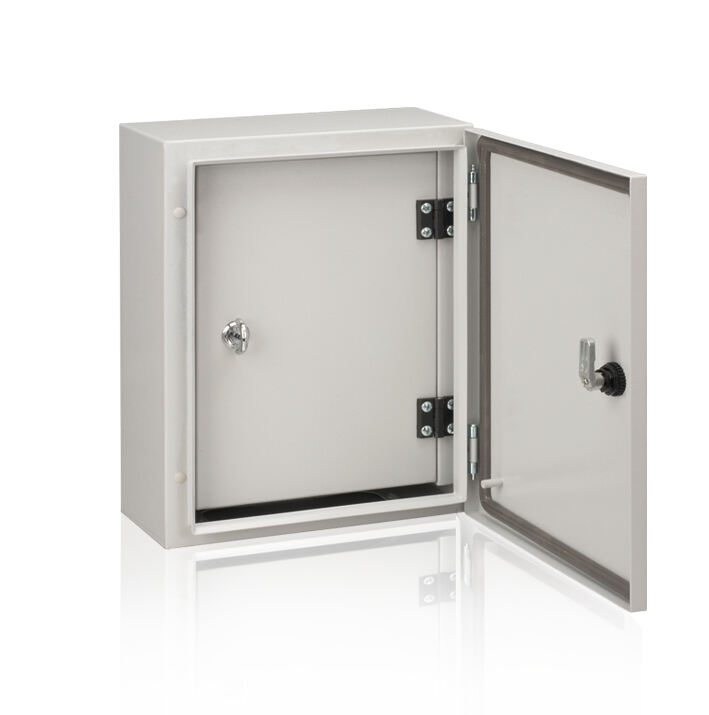
Material Processing Differences That Drive Performance
How cold-rolled production affects enclosure precision
Cold-rolled sheet is processed at lower temperatures after initial rolling, which improves dimensional consistency and surface uniformity. For a steel enclosure, that typically means cleaner bends, tighter panel fit, and more predictable door alignment during assembly. In manufacturing terms, a steel enclosure built from cold-rolled stock often needs less correction during welding and forming. Better geometric control can reduce tolerance stack-up, especially when a steel enclosure includes internal mounting plates, gland cutouts, or accessory doors.
This precision advantage matters in projects where repeatability is critical across many units. If each steel enclosure must accept the same internal hardware pattern, stable sheet behavior reduces rework and installation delays. Coating preparation is also easier because smoother surfaces on a steel enclosure can support more consistent pretreatment and paint appearance. These benefits do not eliminate cost pressure, but they often lower hidden production variability across the lifecycle of a steel enclosure program.
How hot-rolled production changes mechanical and surface behavior
Hot-rolled steel is formed at elevated temperature, usually making it more economical at the raw material stage and available in broader structural ranges. In a steel enclosure context, hot-rolled material can still deliver solid structural function when thickness and design are matched correctly. However, the steel enclosure may show greater dimensional variation and a rougher surface condition before finishing steps. That can influence post-processing effort, especially where a steel enclosure requires tight cosmetic expectations or fine tolerance features.
Scale and surface irregularity on hot-rolled stock can add preparation work before coating, which affects total build cost even when base sheet price is lower. For a steel enclosure used in utility spaces or less finish-sensitive zones, this trade-off may be acceptable. For a steel enclosure integrated into visible control rooms or high-standard OEM systems, additional treatment can reduce the apparent savings. The decision should therefore separate raw material economy from delivered steel enclosure quality requirements.
Strength Comparison in Real Industrial Use
Static load, impact resistance, and panel rigidity
Strength is not a single number for a steel enclosure; it includes rigidity under static load, dent resistance during handling, and deformation behavior around cutouts. Cold-rolled material is often selected when a steel enclosure needs tighter structural response at moderate gauges, particularly for doors and side panels that must stay true over repeated operation. A steel enclosure with better panel flatness tends to maintain gasket compression more uniformly, supporting ingress protection performance over time. In practice, mechanical design, reinforcement layout, and gauge selection influence results as much as rolling type.
Hot-rolled material can still perform well in heavier constructions where thickness compensates for variation, and where finish constraints are less strict. A steel enclosure in a rugged service area may prioritize robust body mass and practical repairability over fine visual tolerance. Even then, the steel enclosure should be evaluated for latch alignment, hinge loading, and door warp under temperature cycling. Engineering teams get better outcomes when they test the full steel enclosure assembly under realistic operating and maintenance conditions.
Weld zones, forming behavior, and long-term stability
In fabricated products, localized heat from welding and stress from forming can amplify small material differences. A cold-rolled steel enclosure often shows more predictable behavior across bend lines and weld seams, which helps maintain geometry during fabrication. This consistency can reduce fit-up correction and improve repeatability when a steel enclosure is produced at volume. It is especially useful when the steel enclosure includes internal doors, partitioning, or precision-mounted devices.
Hot-rolled alternatives may require adjusted process windows to keep the steel enclosure within dimensional expectations after welding and cooling. That is not a disqualifier, but it raises the importance of process control and inspection discipline. Long-term stability for a steel enclosure also depends on corrosion protection, fastener strategy, and mounting design, not only parent metal type. Material choice should be integrated with fabrication method so the steel enclosure reaches target strength in real field conditions, not only in a material datasheet comparison.
Cost Comparison Beyond Sheet Price
Direct procurement cost versus conversion cost
Many buyers start with sheet cost, where hot-rolled material may appear attractive for a steel enclosure budget. Yet direct material price is only one part of conversion economics. A steel enclosure program also absorbs costs from cutting accuracy, bending repeatability, scrap generation, and corrective labor. In many factories, a steel enclosure that is easier to process predictably can offset higher input pricing through lower downstream waste.
Cold-rolled material frequently supports cleaner fabrication flow when the steel enclosure has tighter tolerances or higher finish demands. That can shorten adjustment cycles and reduce unit-to-unit variability across production lots. For teams evaluating total manufacturing cost, the right model compares complete cost per accepted steel enclosure, not price per kilogram of sheet. This is where cross-functional review between procurement, production engineering, and quality brings more accurate decisions.
Lifecycle cost in maintenance, downtime, and replacement cycles
A steel enclosure remains on the floor for years, so lifecycle factors often outweigh initial purchase gaps. If a steel enclosure deforms easily, loses door seal integrity, or requires frequent refinishing, maintenance burden grows and downtime risk rises. Facilities with strict uptime targets usually assign value to durability consistency, even when upfront steel enclosure cost is somewhat higher. Cost comparison should therefore include service intervals, failure modes, and repair frequency.
Where application fit is clear, selecting the right steel enclosure specification can lower total ownership cost through better sealing stability and reduced intervention. This is especially relevant in industrial spaces with dust, vibration, and regular operator contact. A steel enclosure that preserves structure and finish under daily use protects internal assets and reduces unplanned replacement. Over a full asset lifecycle, those effects can materially influence budget performance.
Selection Logic for Cold-Rolled vs Hot-Rolled Projects
When cold-rolled is usually the stronger business fit
Cold-rolled choice is often justified when a steel enclosure must meet tighter dimensional control, cleaner appearance, and repeatable assembly standards. It is commonly favored in control systems where door fit, internal component alignment, and coating consistency are operationally important. In these cases, a steel enclosure is not only a protective shell but a precision interface for electrical and automation reliability. Paying more upfront can be rational when it lowers rejection risk and post-install correction effort.
Projects with high unit counts also benefit from process consistency, because small variations in each steel enclosure multiply across the batch. Cold-rolled material can support this repeatability and help stabilize quality metrics over time. A steel enclosure used in customer-facing industrial environments may also gain from improved surface finish and coating uniformity. The stronger fit emerges when tolerance, aesthetics, and predictable fabrication are all weighted in the decision.
When hot-rolled can be the practical economic choice
Hot-rolled options can be effective where a steel enclosure serves in less finish-sensitive areas and design tolerances are more forgiving. If the enclosure geometry is straightforward and gauge is sufficient, a steel enclosure based on hot-rolled material may satisfy mechanical needs at a lower entry cost. This is often relevant for utility zones, secondary infrastructure, or projects where visual uniformity is not a priority. The key is to verify process capability so the final steel enclosure still meets sealing and fit requirements.
The most practical path is to align material choice with risk profile, not assumptions. A steel enclosure in harsh handling conditions may still perform well with hot-rolled input when reinforcement and finishing steps are planned correctly. Decision makers should evaluate expected impact exposure, maintenance model, and allowable variation for each steel enclosure application. That disciplined fit-by-scenario approach produces better strength-to-cost outcomes than selecting one material policy for every steel enclosure project.
FAQ
Is cold-rolled always stronger than hot-rolled for a steel enclosure?
Not in every case. Strength in a steel enclosure depends on gauge, structural design, reinforcement, and fabrication quality as much as rolling method. Cold-rolled stock often provides better dimensional consistency, which can improve functional strength in doors and panels. Hot-rolled configurations can still be strong where thickness and design margins are appropriate.
Why can a lower material price still lead to a higher total steel enclosure cost?
A lower sheet price does not include process losses, correction labor, coating preparation, and rejection risk. If a steel enclosure requires more rework to meet fit and finish targets, total cost per accepted unit can rise. Lifecycle effects such as maintenance and replacement also influence real economics. Total cost is best measured across fabrication, installation, and service life.
Which option is better for visually clean industrial installations?
For most projects with visible placement and tighter appearance standards, cold-rolled material is usually preferred for a steel enclosure. The smoother surface and dimensional stability support more consistent coating and panel alignment. That helps the steel enclosure maintain a professional finish across production batches. Final suitability still depends on environment, coating system, and fabrication controls.
How should procurement and engineering evaluate steel enclosure choices together?
A shared evaluation model should combine material pricing, conversion yield, tolerance capability, sealing performance, and expected maintenance exposure. Procurement can benchmark unit economics while engineering validates how each steel enclosure performs in realistic operating conditions. This avoids decisions based only on raw sheet cost or only on design preference. Cross-functional review typically produces the most reliable steel enclosure specification for strength and cost balance.
Table of Contents
- Material Processing Differences That Drive Performance
- Strength Comparison in Real Industrial Use
- Cost Comparison Beyond Sheet Price
- Selection Logic for Cold-Rolled vs Hot-Rolled Projects
-
FAQ
- Is cold-rolled always stronger than hot-rolled for a steel enclosure?
- Why can a lower material price still lead to a higher total steel enclosure cost?
- Which option is better for visually clean industrial installations?
- How should procurement and engineering evaluate steel enclosure choices together?