 EN
EN

Optimizing Power Systems with Custom Wall-Mount Enclosures
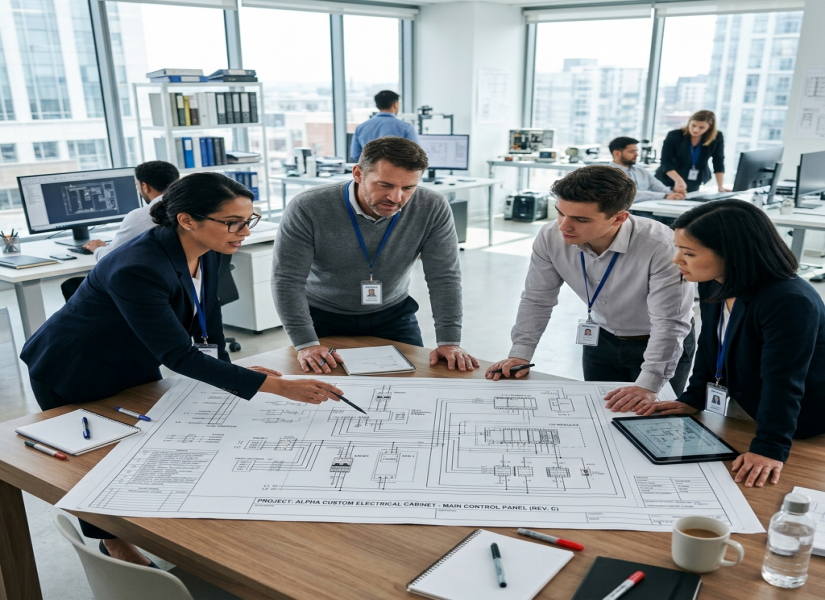
In the modern industrial landscape, space is a premium resource. Whether it's a retrofitted automated factory, a compact solar inverter station, or an urban data center, electrical engineers are constantly challenged to fit more control logic, breakers, and monitoring gear into smaller footprints. Wall-mount enclosures are the preferred solution for decentralized power distribution, but "standard" off-the-shelf boxes often create more problems than they solve. This is where the strategic use of custom wall-mount enclosures—designed for specific technical requirements—becomes a major competitive advantage for B2B projects.
The Pitfalls of "Standard" Off-the-Shelf Solutions
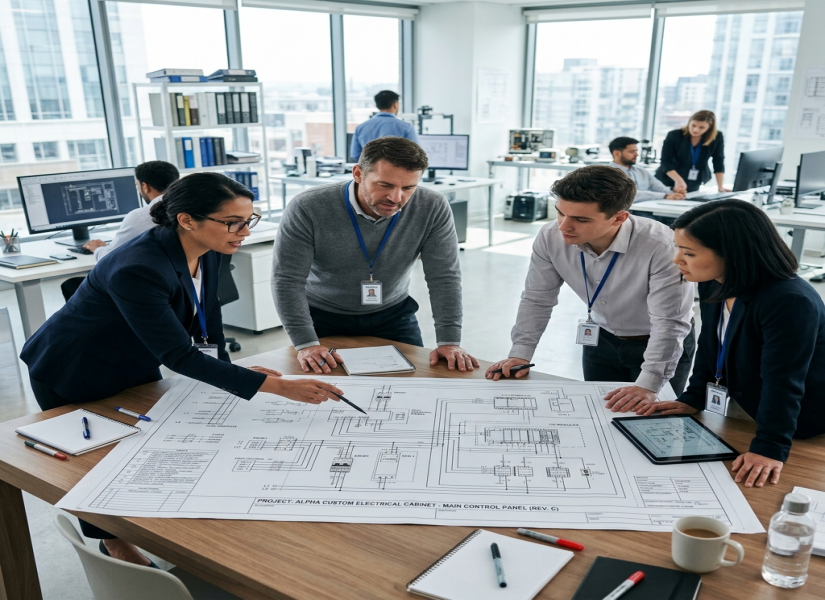
Using a standard enclosure for a custom application usually results in hidden costs:
- Labor-Intensive Site Modification: Electrical contractors often spend hours drilling mounting plates and gland plates on-site, which increases project labor hours and costs.
- Compromised IP and Safety Integrity: Every hole drilled on-site is a potential leak point if not sealed with professional-grade gaskets and glands. Improper drilling can also leave metal shavings that cause internal short circuits.
- Thermal Management Failures: Standard layouts might not provide optimal airflow for specific high-heat components like VFDs (Variable Frequency Drives) or high-density server power units, leading to premature component failure.
Design Flexibility: The Core of Industrial Optimization
Customization at the factory level (OEM) allows for a "Plug and Play" installation experience that drastically improves project ROI.
- Internal Layout Optimization: We can specify the exact placement of DIN rails, cable ducts, and mounting studs during the manufacturing process. This allows for a "cleaner" internal build, which simplifies troubleshooting and reduces maintenance time by up to 30%.
- Pre-Punched Gland Plates: Custom cable entries align perfectly with your site’s conduit or cable tray layout. This ensures a perfect IP66 seal from day one and saves hours of manual labor for the installation crew.
- Internal Segregation and Safety Barriers: For high-traffic areas, we can design custom internal doors or dead-front panels that separate the live busbars from the control switches. This allows non-specialized personnel to operate the system safely without exposure to arc flash risks.
Case Study: Retrofitting an Automated Factory Line with Custom Enclosures
To illustrate the ROI of customization, let’s look at a recent project involving a Tier-1 automotive parts manufacturer. The client was retrofitting an existing production line with new IoT-enabled sensors and VFDs. Using standard off-the-shelf enclosures, their initial pilot project took 12 hours of technician time per station for drilling, mounting, and wiring.
By switching to B&J’s custom wall-mount enclosures—featuring pre-punched holes, pre-installed DIN rails, and a custom internal swing-out panel—the installation time was reduced to just 4 hours per station. Over a 50-station facility, this saved 400 hours of high-cost technician labor. Furthermore, because the enclosures were pre-finished at our factory, there were zero IP-rating failures during the final site audit, which is a common problem when manual site-drilling leads to uneven sealing surfaces.
Advanced Design: Thermal Management in Compact Spaces
One of the most requested custom features for wall-mount units is integrated thermal management. In compact industrial environments, heat is the enemy of electronics. B&J’s engineering team uses thermal simulation software to determine the optimal placement of vents and active fans. For high-density control panels, we can integrate heat exchangers or thermoelectric coolers that maintain a stable internal temperature without the bulk of a traditional AC unit. This "right-sized" approach to cooling ensures that your internal components operate within their peak efficiency curve, extending their lifespan by up to 50%.
Material and Finish: Matching the Box to the Mission
Customization also extends to the physical properties of the enclosure to match the environmental stressors of the site:
- Specialized Industrial Coatings: For environments with high chemical exposure (like paper mills or fertilizer plants), we can apply specific epoxy-polyester coatings that resist chemical degradation and prevent "paint blistering."
- Viewing Windows: Integrating high-impact, UV-stabilized polycarbonate windows allows operators to check meter statuses or indicator lights without opening the door and exposing the sensitive components to the external environment.
- Reinforced Structural Points: We can reinforce specific mounting points to achieve IK10 impact resistance, ensuring the enclosure can withstand the rigors of a working factory floor where forklifts and heavy tools are in constant use.
Enhancing Field Serviceability: The "Human Factor"
A well-designed custom enclosure should consider the "Human Factor"—the ease with which a technician can service the equipment over 20 years.
- Reversible and Detachable Doors: These allow the box to be mounted in tight corners where door swing direction is restricted. Detachable hinge pins simplify the removal of doors during the initial wiring phase, giving technicians 100% access to the internal plate.
- Integrated Wall-Mount Brackets: B&J’s custom enclosures often feature external mounting brackets. These eliminate the need to drill through the back of the enclosure, preserving its waterproof integrity and ensuring a faster, more secure install.
- Modular Accessories: We offer a range of custom accessories, from document holders on the inside of the door to integrated LED lighting and ground-stud arrays.
Conclusion: The B&J Engineering Difference
At B&J Electrical, our monobloc industrial wall-mounting enclosures are designed with the end-user in mind. We provide full 3D CAD support to our B2B clients, ensuring that every custom feature is validated and simulated before production starts. By choosing a custom-engineered solution from B&J, you aren't just buying a box; you are reducing your total project cost, improving site safety, and ensuring that your power distribution system is optimized for the long-term needs of your facility.
Table of Contents
- Optimizing Power Systems with Custom Wall-Mount Enclosures
- The Pitfalls of "Standard" Off-the-Shelf Solutions
- Design Flexibility: The Core of Industrial Optimization
- Case Study: Retrofitting an Automated Factory Line with Custom Enclosures
- Advanced Design: Thermal Management in Compact Spaces
- Material and Finish: Matching the Box to the Mission
- Enhancing Field Serviceability: The "Human Factor"
- Conclusion: The B&J Engineering Difference