 EN
EN

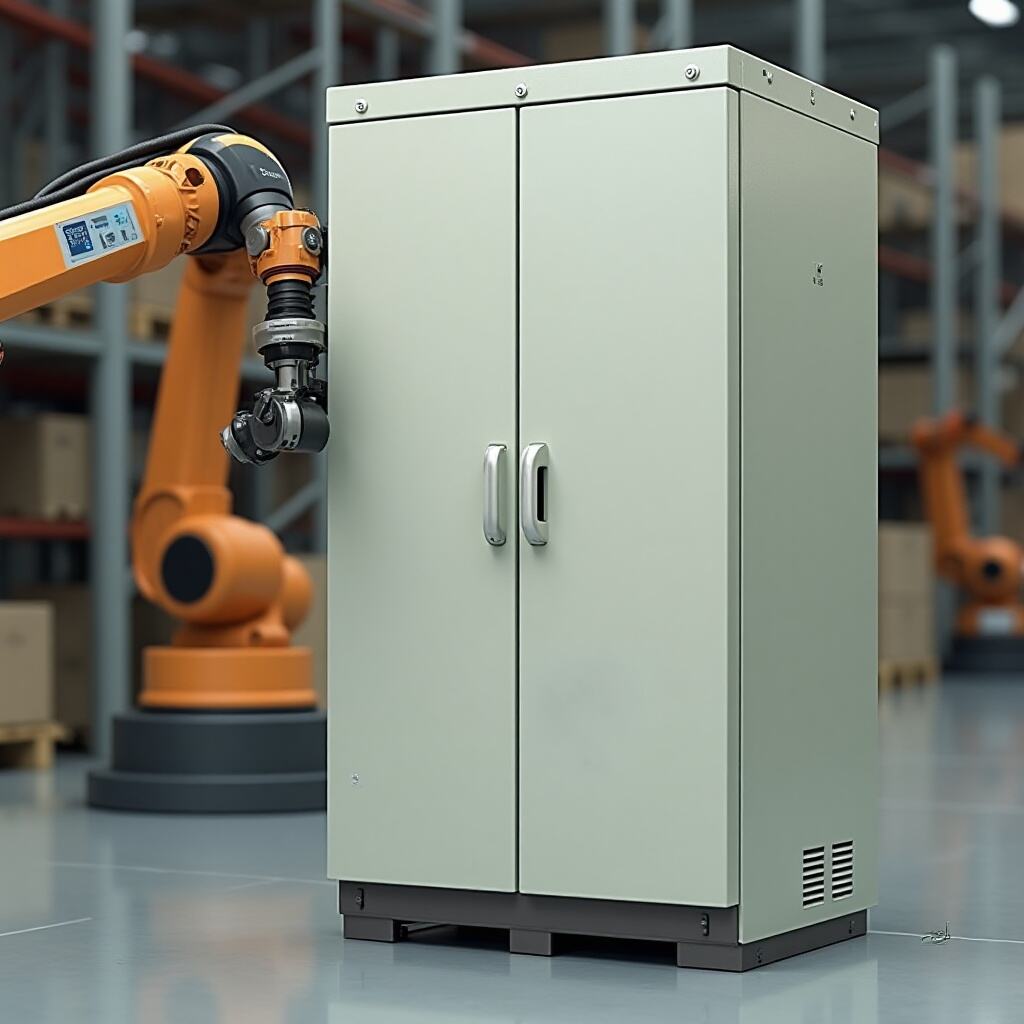
When selecting electrical enclosures for industrial applications, space optimization becomes a critical factor that directly impacts operational efficiency and safety compliance. The choice between floor standing enclosure options and wall-mounted alternatives often determines not just the physical footprint of your installation, but also accessibility, maintenance requirements, and long-term scalability. Understanding the spatial implications of each mounting configuration helps engineers and facility managers make informed decisions that align with both current needs and future expansion plans.
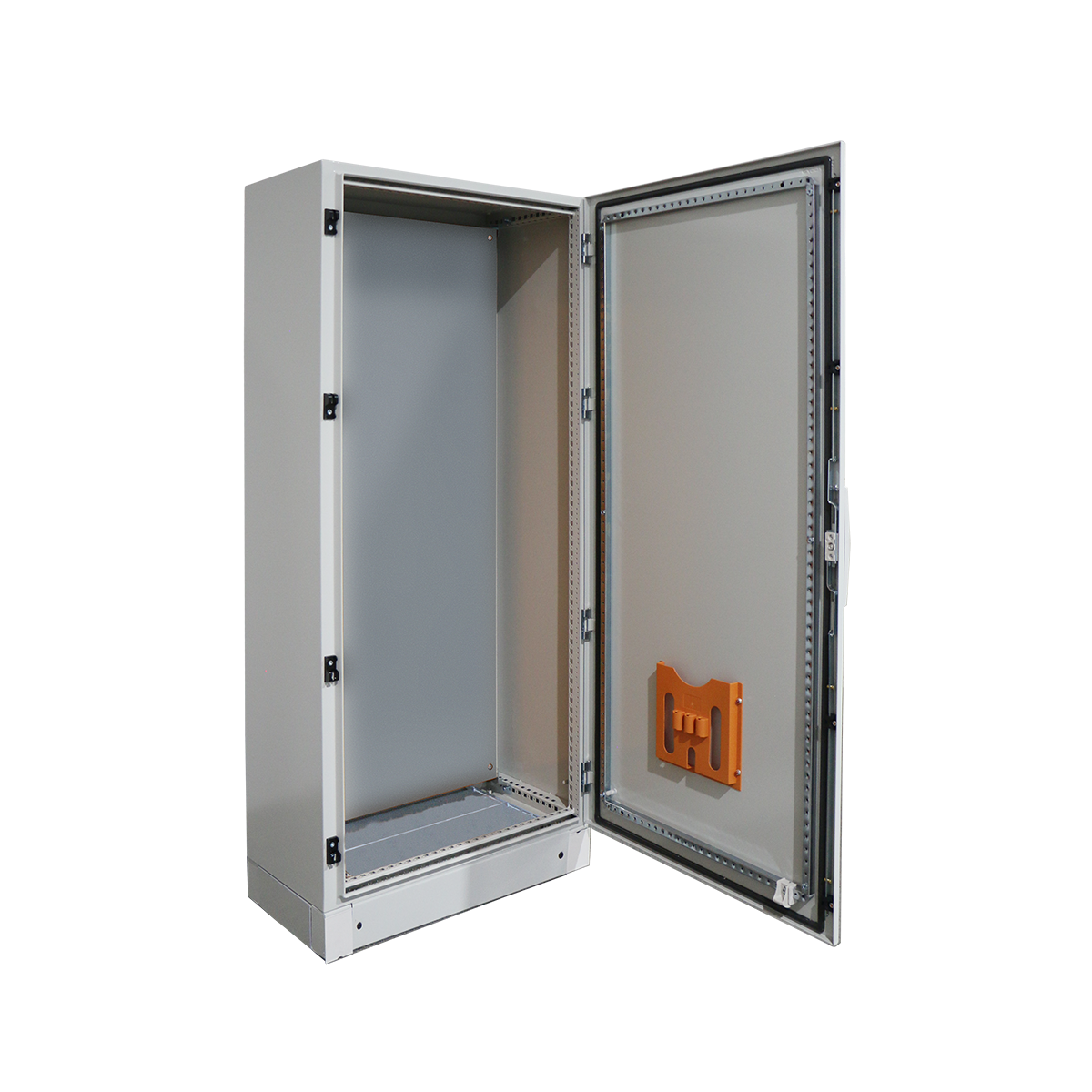
Understanding Floor Standing Enclosure Configurations
Physical Footprint and Space Requirements
A floor standing enclosure typically requires dedicated floor space that must remain accessible for maintenance and inspection purposes. These units generally demand clearance zones extending 36 to 48 inches from the front access panel and approximately 24 inches on sides with removable panels. The vertical space utilization of floor standing enclosure systems can be highly efficient, particularly in facilities with standard ceiling heights between 8 to 12 feet. Modern floor standing enclosure designs maximize internal volume while minimizing the actual floor footprint through strategic dimensional planning.
Industrial facilities often find that floor standing enclosure installations provide superior accessibility for technicians working with heavy components or complex wiring systems. The ergonomic advantages of floor-level access reduce workplace injuries and improve maintenance efficiency compared to elevated mounting positions. Additionally, floor standing enclosure units can accommodate larger transformers, variable frequency drives, and cooling systems that would be impractical for wall mounting due to weight restrictions.
Structural and Installation Considerations
The installation process for floor standing enclosure systems involves concrete pad preparation or specialized mounting rails that distribute weight evenly across the facility floor. Proper foundation work ensures long-term stability and vibration resistance, particularly important in manufacturing environments with heavy machinery operations. Floor standing enclosure units typically require less structural modification to existing buildings since they rely on floor support rather than wall reinforcement.
Seismic considerations play a significant role in floor standing enclosure selection, especially in regions prone to earthquakes. These units can be anchored more securely to building foundations, providing enhanced stability during seismic events. The lower center of gravity inherent in floor standing enclosure designs contributes to improved earthquake resistance compared to wall-mounted alternatives of similar capacity.
Wall-Mounted Enclosure Space Efficiency
Vertical Space Utilization Strategies
Wall-mounted enclosures excel in environments where floor space commands premium value, such as data centers, telecommunications facilities, and compact manufacturing areas. These installations free up valuable floor real estate for equipment, workflow paths, and safety clearances while maintaining full electrical protection capabilities. The vertical mounting approach allows facility planners to utilize wall space that often remains underutilized in industrial settings.
Height restrictions and accessibility codes significantly influence wall-mounted enclosure placement, with most installations requiring center points between 48 and 72 inches from the floor level. This positioning ensures compliance with Americans with Disabilities Act requirements while maintaining practical access for routine maintenance. Wall-mounted systems can be strategically positioned to avoid interference with overhead crane systems, conveyor installations, and other ceiling-mounted equipment.
Load Distribution and Wall Requirements
Successful wall-mounted enclosure installations demand careful evaluation of wall structural capacity, particularly when dealing with heavy electrical components. Concrete block walls, structural steel frameworks, and reinforced concrete surfaces provide ideal mounting substrates for substantial electrical enclosures. The installation process typically involves specialized anchoring systems designed to distribute loads across multiple wall studs or structural elements.
Modern wall-mounted enclosures incorporate innovative mounting bracket systems that simplify installation while ensuring long-term stability. These systems often include adjustable positioning mechanisms that accommodate minor wall irregularities and allow for precise alignment during installation. The reduced structural requirements compared to floor standing enclosure foundations can accelerate project timelines and reduce construction costs.
Comparative Space Analysis
Floor Space Utilization Metrics
Quantitative analysis reveals that floor standing enclosure installations typically consume 20 to 30 percent more floor area when including required clearance zones compared to wall-mounted alternatives. However, this calculation must account for the vertical space efficiency gains and improved accessibility benefits that floor-mounted systems provide. In facilities with abundant floor space but limited wall mounting options, floor standing enclosure configurations often prove more cost-effective.
The three-dimensional space analysis becomes particularly important in multi-story industrial facilities where floor standing enclosure units can extend vertically without interfering with upper-level operations. These installations can accommodate expansion modules and additional equipment racks that would be impractical for wall-mounted systems due to weight and accessibility constraints.
Operational Efficiency Comparisons
Maintenance accessibility represents a crucial factor in long-term operational efficiency comparisons between floor standing enclosure and wall-mounted systems. Floor-level access allows technicians to use standard tools and equipment without requiring ladders, scaffolding, or aerial work platforms. This accessibility advantage translates to reduced maintenance time and improved safety compliance during routine inspections and emergency repairs.
Cable management and routing efficiency often favor floor standing enclosure installations in applications requiring extensive conduit runs or cable tray systems. The ground-level access simplifies cable pulling operations and reduces labor costs associated with elevated work. Additionally, floor standing enclosure systems can accommodate larger cable entry points and more flexible routing options compared to wall-mounted alternatives with space constraints.
Application-Specific Recommendations
Industrial Manufacturing Environments
Manufacturing facilities with heavy machinery operations typically benefit from floor standing enclosure installations due to vibration isolation capabilities and improved structural stability. These environments often generate significant electrical noise and mechanical stress that floor-mounted systems handle more effectively than wall-mounted alternatives. The robust mounting foundation provides superior protection for sensitive electronic components and control systems.
Process control applications frequently require frequent access to electrical components, making floor standing enclosure systems more practical for operators and maintenance personnel. The ergonomic advantages reduce fatigue during extended troubleshooting sessions and improve overall workplace safety. Additionally, manufacturing environments often have adequate floor space allocation for electrical infrastructure, making space efficiency less critical than accessibility and reliability.
Commercial and Light Industrial Settings
Commercial buildings and light industrial facilities often prioritize space efficiency over heavy-duty accessibility requirements, making wall-mounted enclosures more attractive options. These environments typically feature standardized electrical loads that don't require the robust mounting capabilities of floor standing enclosure systems. The aesthetic advantages of wall mounting also align better with commercial architectural requirements and building code preferences.
Retail and office environments benefit from the reduced floor obstruction provided by wall-mounted enclosures, particularly in areas with high foot traffic or strict fire code clearance requirements. The elevated positioning also provides additional security benefits by limiting casual access to electrical controls and reducing vandalism risks in public spaces.
Cost Implications and Long-Term Considerations
Initial Installation Costs
Floor standing enclosure installations typically involve higher upfront costs due to foundation preparation, concrete work, and specialized anchoring requirements. However, these systems often require less structural building modification compared to heavy wall-mounted installations that need reinforced wall construction. The total installation cost depends heavily on site-specific factors including existing floor conditions, accessibility requirements, and local labor rates.
Wall-mounted enclosure installations can achieve cost savings in applications where suitable wall structures already exist and electrical loads remain within standard weight parameters. The reduced foundation requirements and simpler mounting procedures often translate to faster installation timelines and lower labor costs. However, retrofitting older buildings with adequate wall support can significantly increase project expenses.
Maintenance and Lifecycle Economics
Long-term maintenance costs often favor floor standing enclosure systems due to improved accessibility and reduced specialized equipment requirements for routine service. Technicians can perform most maintenance tasks using standard tools and procedures without requiring aerial work platforms or specialized safety equipment. This accessibility advantage compounds over the 20 to 30-year operational lifecycle typical for industrial electrical installations.
Future expansion capabilities represent another significant economic consideration, with floor standing enclosure systems offering superior modularity and upgrade potential. These installations can accommodate additional equipment racks, cooling systems, and cable management infrastructure without requiring complete system replacement. The scalability advantages often justify higher initial costs through improved long-term flexibility and reduced future modification expenses.
FAQ
What are the minimum clearance requirements for floor standing enclosures?
Floor standing enclosures typically require 36 inches of clearance in front of the access panel and 30 inches of working space width according to National Electrical Code requirements. Side clearances vary based on voltage levels and access panel locations, generally ranging from 12 to 24 inches. These clearances ensure safe access for maintenance operations and emergency disconnection procedures.
Can wall-mounted enclosures handle the same electrical loads as floor standing units?
Wall-mounted enclosures can accommodate substantial electrical loads when properly installed with adequate wall support structures. However, practical weight limitations and accessibility concerns often make floor standing configurations more suitable for applications exceeding 200 pounds total weight. The maximum capacity depends on wall construction type, mounting hardware specifications, and local building code requirements.
How do seismic requirements affect enclosure mounting decisions?
Seismic zones with high earthquake risk generally favor floor standing enclosure installations due to superior foundation anchoring capabilities and lower center of gravity characteristics. Wall-mounted systems require additional bracing and reinforcement in seismic regions, which can increase installation costs and complexity. Local building codes specify required seismic resistance calculations for both mounting types based on geographic risk factors.
What factors determine whether floor or wall mounting saves more space?
Space savings depend on facility layout, ceiling height, available wall area, and clearance requirements for both options. Floor standing enclosures consume dedicated floor area but utilize vertical space efficiently, while wall mounting preserves floor space but requires adequate wall real estate. The optimal choice varies by application, with high-density facilities typically benefiting from wall mounting and heavy-duty applications favoring floor installations.