 EN
EN

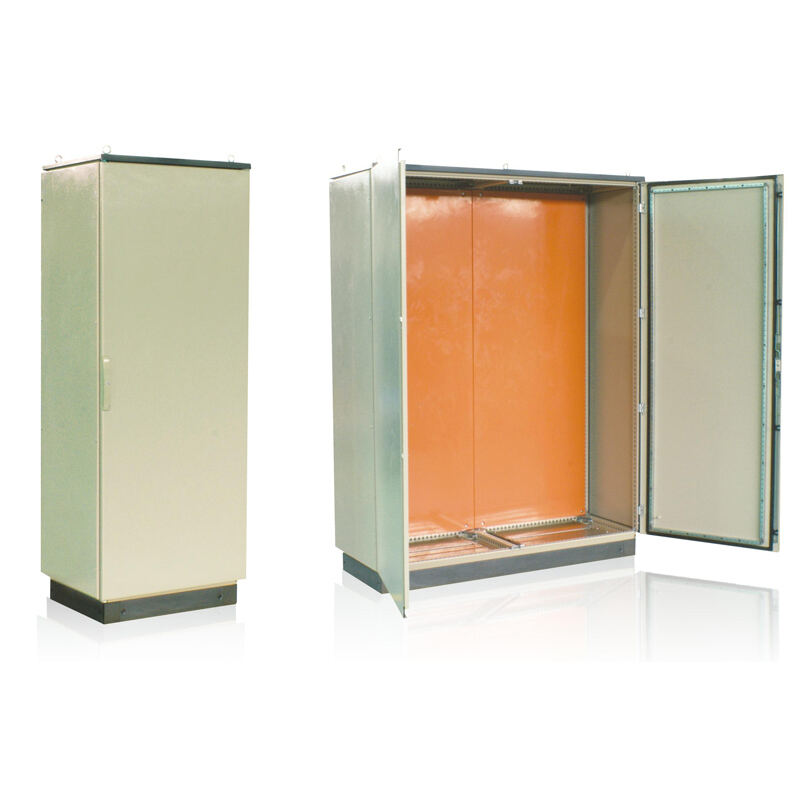
When selecting an industrial enclosure for critical applications, understanding the difference between IP66 and IP55 ratings becomes essential for ensuring optimal protection and performance. These ingress protection ratings determine how well your equipment withstands environmental challenges, from dust infiltration to water exposure. Making the wrong choice can lead to costly equipment failures, unexpected downtime, and compromised safety standards in industrial environments.
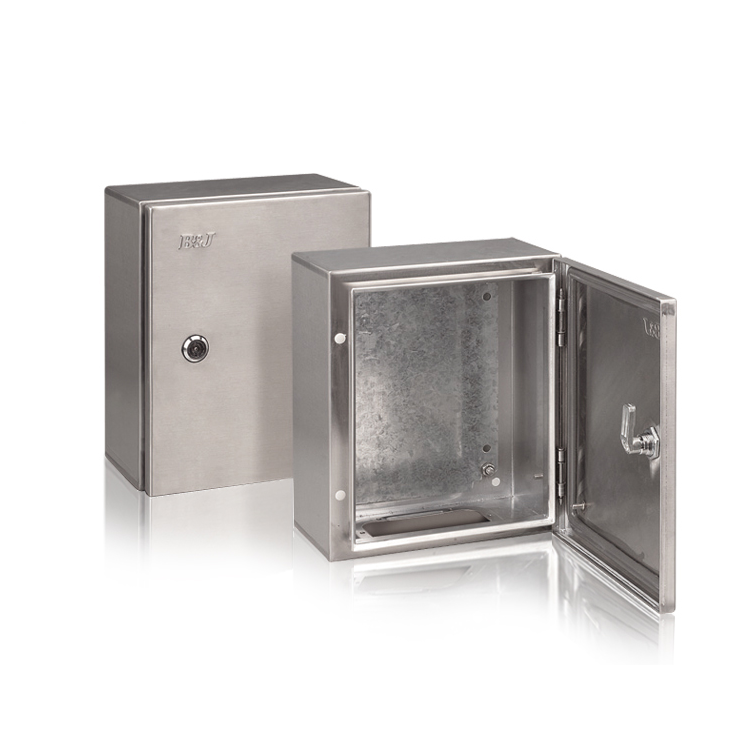
The choice between IP66 and IP55 protection levels significantly impacts your equipment's longevity and operational reliability. Each rating serves specific industrial applications, and understanding their capabilities helps engineers and facility managers make informed decisions. This comprehensive analysis explores the technical specifications, practical applications, and cost considerations that influence your industrial enclosure selection process.
Understanding IP Rating Fundamentals
Decoding the IP Classification System
The International Electrotechnical Commission established the IP rating system to standardize protection levels against solid particles and liquids. Each IP rating consists of two digits following the letters IP, where the first digit indicates solid particle protection and the second digit represents liquid ingress protection. This standardized system allows engineers to compare different industrial enclosure options objectively.
For IP55 ratings, the first digit indicates protection against dust in quantities sufficient to interfere with equipment operation, while the second digit provides protection against water jets from any direction. Meanwhile, IP66 ratings offer complete dust-tight protection and withstand powerful water jets, making them suitable for more demanding environments.
Understanding these fundamental differences helps industrial professionals evaluate which protection level matches their specific operational requirements. The rating system ensures consistent performance expectations across different manufacturers and applications, providing a reliable framework for equipment selection decisions.
Testing Standards and Certification Processes
IP rating certification involves rigorous testing procedures conducted by accredited laboratories following IEC 60529 standards. These tests simulate real-world conditions that industrial enclosure units encounter during operation, ensuring reliable performance under specified conditions. Testing protocols include dust chamber exposure, water spray tests, and pressure jet evaluations to verify protection capabilities.
For IP55 testing, enclosures undergo dust exposure tests where limited dust ingress is acceptable as long as it doesn't impair equipment function. Water testing involves 12.5-liter per minute jets applied from all directions at 3-meter distance for three minutes. These controlled conditions replicate typical industrial washing and cleaning scenarios.
IP66 testing requires more stringent evaluation, including complete dust-tight verification and high-pressure water jet testing at 100 liters per minute from 3 meters distance. This intensive testing ensures the industrial enclosure maintains integrity under harsh environmental conditions, providing confidence in demanding applications.
IP55 Protection Characteristics and Applications
Solid Particle Protection Capabilities
IP55 rated industrial enclosure systems provide substantial protection against dust ingress while allowing minimal particle entry that won't interfere with normal operation. This protection level suits environments where complete dust exclusion isn't critical but adequate protection remains necessary. The rating ensures that any dust entering the enclosure won't accumulate in quantities sufficient to impair electrical connections or mechanical components.
Manufacturing facilities with moderate dust exposure, such as food processing plants or light assembly operations, often benefit from IP55 protection levels. These environments generate particulate matter during normal operations but don't require the absolute dust exclusion that more aggressive industrial processes demand. The protection level balances environmental defense with cost-effectiveness.
Industrial facilities utilizing IP55 enclosures typically implement regular maintenance schedules to address any minimal dust accumulation. This proactive approach ensures continued reliable operation while taking advantage of the cost savings associated with this protection level compared to higher-rated alternatives.
Water Ingress Protection and Limitations
The water protection aspect of IP55 ratings withstands low-pressure water jets from any direction, making these enclosures suitable for routine cleaning procedures and moderate moisture exposure. However, this protection level has limitations when facing high-pressure washing, heavy rain exposure, or temporary submersion scenarios that some industrial environments may encounter.
Outdoor installations using IP55 industrial enclosure solutions work effectively in regions with moderate rainfall and standard weather conditions. However, areas prone to severe storms, flooding, or extreme weather events may require higher protection levels to ensure continued equipment functionality and prevent water-related damage.
Indoor applications often find IP55 protection adequate for washdown procedures, steam cleaning, and general moisture exposure common in food service, pharmaceutical, or chemical processing facilities. The protection level handles routine cleaning without compromising internal components while maintaining reasonable cost parameters for budget-conscious projects.
IP66 Superior Protection Standards
Complete Dust-Tight Sealing Technology
IP66 rated industrial enclosure designs incorporate advanced sealing technologies that prevent any dust ingress, providing complete protection against fine particles that could damage sensitive electronic components. This dust-tight construction utilizes precision-manufactured gaskets, specialized sealing compounds, and engineered closure mechanisms that maintain integrity under extreme conditions.
Mining operations, cement production facilities, and heavy manufacturing environments benefit significantly from IP66 dust protection capabilities. These challenging industrial settings generate substantial particulate matter that would quickly compromise equipment protected by lower IP ratings, making the investment in superior protection essential for operational continuity.
The complete dust exclusion provided by IP66 enclosures extends equipment lifespan dramatically in harsh environments. Electronic components, control systems, and sensitive instrumentation maintain optimal performance without the gradual degradation associated with particle infiltration that affects lower-rated protection systems.
High-Pressure Water Jet Resistance
IP66 water protection withstands powerful water jets up to 100 liters per minute, providing superior defense against high-pressure cleaning systems, severe weather conditions, and industrial washing procedures. This enhanced protection capability makes IP66 industrial enclosure units ideal for applications requiring frequent deep cleaning or exposure to harsh environmental conditions.
Chemical processing plants, offshore installations, and heavy industrial facilities rely on IP66 water resistance to maintain equipment integrity during aggressive cleaning protocols. These environments often require high-pressure washing to remove chemical residues, maintain sanitary conditions, or prepare equipment for maintenance procedures.
The robust water protection enables installation in exposed outdoor locations where severe weather events occur regularly. Coastal installations, desert environments, and industrial sites in extreme climates depend on this superior protection level to ensure uninterrupted operation regardless of environmental challenges.
Comparative Analysis and Selection Criteria
Performance Differences in Real-World Applications
Real-world performance comparisons between IP55 and IP66 industrial enclosure systems reveal significant differences in environmental durability and maintenance requirements. Field studies demonstrate that IP66 enclosures maintain optimal internal conditions longer in challenging environments, reducing maintenance frequency and extending component lifespan compared to IP55 alternatives.
Operating cost analysis shows that while IP66 enclosures require higher initial investment, their superior protection often results in lower total cost of ownership through reduced maintenance, fewer component failures, and extended service intervals. IP55 systems may require more frequent cleaning, gasket replacement, and component inspection to maintain adequate protection levels.
Environmental exposure studies indicate that IP55 enclosures perform adequately in controlled indoor environments and moderate outdoor conditions. However, when faced with extreme weather events, industrial washing procedures, or high particulate environments, IP66 protection demonstrates measurably superior performance and reliability.
Cost-Benefit Analysis and ROI Considerations
Initial purchase price differences between IP55 and IP66 industrial enclosure options typically range from 15-30% depending on size, materials, and manufacturer specifications. However, comprehensive cost analysis must include installation expenses, maintenance requirements, downtime costs, and equipment replacement frequency to determine true value proposition.
Long-term operational costs often favor IP66 enclosures in demanding environments due to reduced maintenance requirements, fewer equipment failures, and extended service intervals. Facilities operating in harsh conditions frequently recover the additional initial investment within 18-24 months through reduced maintenance costs and improved uptime.
Budget-conscious projects in controlled environments may find IP55 protection adequate while maintaining reasonable costs. However, applications where equipment failure results in significant production losses or safety concerns typically justify the investment in superior IP66 protection levels for risk mitigation and operational reliability.
Industry-Specific Applications and Recommendations
Manufacturing and Production Environments
Food and beverage manufacturing facilities typically require frequent washdown procedures using high-pressure cleaning systems, making IP66 industrial enclosure protection essential for equipment longevity. These environments combine moisture exposure with cleaning chemicals that can compromise lower-rated protection systems, necessitating superior sealing capabilities to prevent contamination and ensure food safety compliance.
Automotive manufacturing plants utilize both IP55 and IP66 protection levels depending on specific application requirements. Assembly line control panels in climate-controlled environments often perform adequately with IP55 protection, while robotic welding stations and paint booth controls require IP66 protection to withstand overspray and cleaning procedures.
Pharmaceutical production facilities demand the highest protection levels to maintain sterile manufacturing conditions and comply with strict regulatory requirements. IP66 enclosures prevent contamination ingress while withstanding aggressive cleaning and sterilization procedures required in pharmaceutical manufacturing environments.
Outdoor and Harsh Environment Installations
Offshore oil platforms and marine installations require IP66 protection as minimum standards due to constant salt spray exposure, high winds, and severe weather conditions. The harsh marine environment quickly degrades equipment protected by lower IP ratings, making superior protection essential for operational safety and reliability in these critical applications.
Mining operations present some of the most challenging environments for industrial enclosure performance, with constant dust exposure, vibration, and extreme temperature variations. IP66 protection proves essential for maintaining equipment functionality in underground mining applications where dust concentrations exceed acceptable levels for IP55 protection.
Water treatment facilities utilize IP66 enclosures near chemical storage areas, clarifiers, and outdoor pump stations where chemical exposure and weather protection require superior sealing capabilities. These installations often operate continuously, making equipment reliability crucial for maintaining water quality and treatment effectiveness.
Installation and Maintenance Considerations
Proper Installation Techniques for Optimal Protection
Correct installation procedures significantly impact industrial enclosure performance regardless of IP rating, with proper gasket positioning, cable gland sealing, and mounting orientation crucial for maintaining protection integrity. Installation teams must follow manufacturer specifications precisely to ensure rated protection levels remain effective throughout the equipment's operational life.
Cable entry systems require careful attention during installation, as improperly sealed penetrations compromise even the highest-rated enclosures. Professional installation teams utilize appropriate cable glands, sealing compounds, and entry methods that maintain the enclosure's IP rating while providing necessary electrical connections.
Mounting hardware and structural support systems must accommodate thermal expansion, vibration, and environmental stresses without compromising seal integrity. Proper installation techniques include appropriate fastener torque specifications, thermal expansion joints, and structural reinforcement to maintain long-term protection performance.
Preventive Maintenance Protocols
Regular inspection schedules vary between IP55 and IP66 industrial enclosure systems, with higher-rated units typically requiring less frequent maintenance due to superior sealing capabilities. However, all protection systems benefit from scheduled gasket inspection, drainage system cleaning, and cable entry verification to maintain optimal performance.
Gasket replacement intervals depend on environmental exposure severity, with harsh chemical environments or extreme temperature variations accelerating degradation. IP66 enclosures often utilize more durable sealing materials that withstand aggressive conditions longer than standard gaskets used in IP55 applications.
Documentation of maintenance activities, environmental exposure incidents, and performance anomalies helps optimize maintenance schedules and identify potential improvement opportunities. Proper maintenance records support warranty claims and provide valuable data for future equipment selection decisions.
FAQ
What is the main difference between IP55 and IP66 industrial enclosures?
The primary difference lies in protection levels: IP55 allows limited dust ingress that won't affect operation and protects against low-pressure water jets, while IP66 provides complete dust-tight protection and withstands high-pressure water jets up to 100 liters per minute. IP66 offers superior protection for demanding environments but costs more initially.
Can IP55 enclosures be used in outdoor applications?
Yes, IP55 industrial enclosure units work well in moderate outdoor environments with standard weather conditions. However, they may not provide adequate protection in areas with severe storms, high-pressure washing requirements, or extreme weather events where IP66 protection would be more appropriate for reliable long-term operation.
How do I determine which IP rating my application requires?
Evaluate your environmental conditions including dust levels, moisture exposure, cleaning requirements, and weather conditions. Consider factors like equipment criticality, downtime costs, and maintenance accessibility. Consult with industrial enclosure specialists who can assess your specific application requirements and recommend appropriate protection levels.
Do IP66 enclosures require different maintenance than IP55 units?
IP66 enclosures typically require less frequent maintenance due to superior sealing, but both ratings need regular gasket inspection, drainage cleaning, and cable entry verification. IP66 units may use more durable sealing materials that last longer in harsh environments, potentially reducing overall maintenance costs despite higher initial investment.