 EN
EN

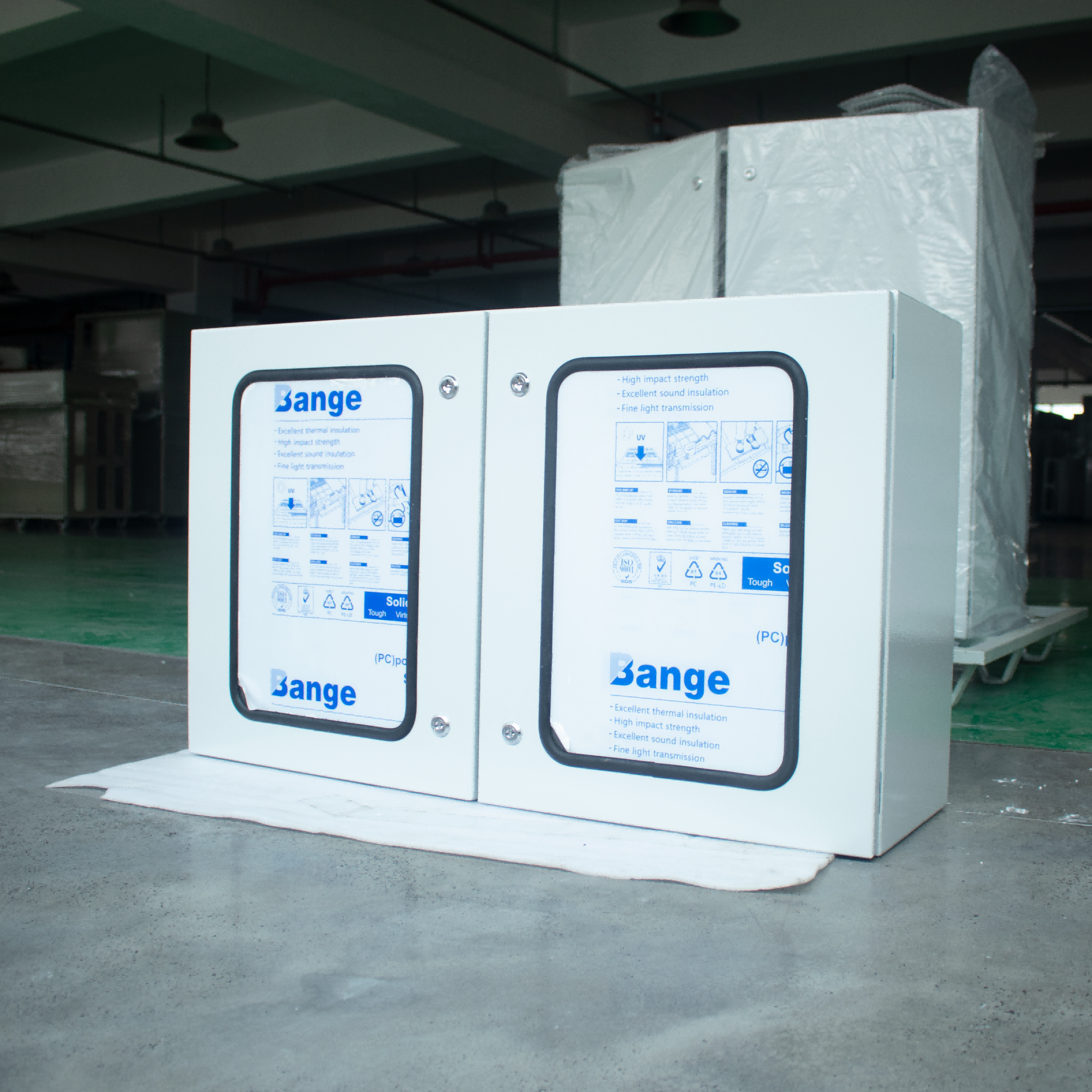
Industrial environments present unique challenges that demand robust protection for sensitive electrical equipment. When operating in harsh conditions such as manufacturing facilities, chemical plants, or outdoor installations, selecting the right protective housing becomes critical for maintaining operational efficiency and equipment longevity. A floor standing enclosure serves as the first line of defense against environmental hazards while providing accessible maintenance points for technicians and engineers.
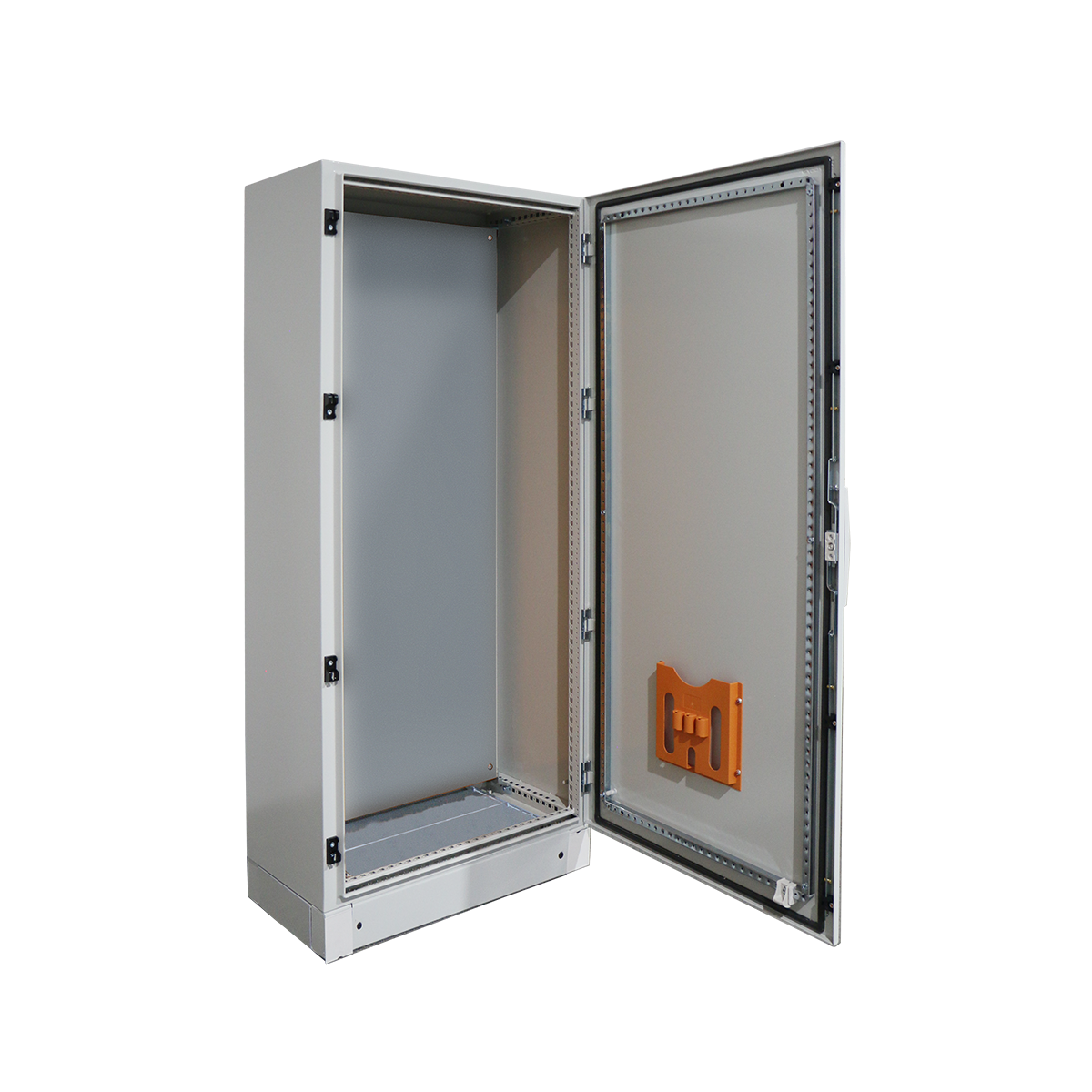
The decision-making process for choosing appropriate protective housing involves multiple technical considerations, from ingress protection ratings to thermal management capabilities. Understanding these factors ensures optimal equipment performance while minimizing downtime and maintenance costs. This comprehensive guide explores the essential criteria for selecting floor standing enclosure solutions that meet the demanding requirements of industrial applications.
Understanding Industrial Environment Challenges
Common Environmental Hazards
Industrial facilities expose electrical equipment to numerous environmental threats that can compromise performance and safety. Dust accumulation represents one of the most persistent challenges, particularly in manufacturing environments where particulate matter continuously circulates through the air. These particles can infiltrate sensitive components, causing overheating, short circuits, and premature component failure.
Moisture ingress poses another significant threat to electrical systems. High humidity levels, condensation, and direct water exposure can lead to corrosion, insulation breakdown, and dangerous electrical faults. A properly selected floor standing enclosure provides essential barriers against these moisture-related risks while maintaining necessary ventilation for optimal operation.
Temperature fluctuations create additional stress on electrical components housed within protective enclosures. Extreme heat can accelerate component aging and reduce operational lifespan, while sudden temperature changes can cause thermal shock and mechanical stress. Chemical exposure in processing facilities introduces corrosive elements that can deteriorate standard materials over time.
Impact on Equipment Performance
Environmental hazards directly affect equipment reliability and operational efficiency. Contamination from dust and debris can cause cooling systems to work harder, leading to increased energy consumption and higher operating costs. When protective measures prove inadequate, the resulting equipment failures often trigger costly production shutdowns and emergency repairs.
The financial implications of inadequate protection extend beyond immediate repair costs. Unplanned downtime disrupts production schedules, affects delivery commitments, and can damage customer relationships. A well-chosen floor standing enclosure prevents these scenarios by maintaining optimal operating conditions for critical electrical equipment.
Safety considerations become paramount when environmental hazards compromise electrical systems. Equipment failures can create dangerous conditions for personnel, including electrical shock risks, fire hazards, and exposure to hazardous materials. Proper enclosure selection helps maintain safe working environments while ensuring regulatory compliance.
Key Technical Specifications and Standards
Ingress Protection Rating Requirements
The Ingress Protection (IP) rating system provides standardized classifications for enclosure effectiveness against solid particles and liquids. For industrial applications, understanding these ratings helps identify appropriate floor standing enclosure options that match specific environmental conditions. The first digit indicates protection against solid objects, while the second digit represents liquid protection levels.
In dusty environments, IP5X or IP6X ratings ensure adequate protection against particulate ingress. The IP5X classification provides protection against dust in quantities that would not interfere with equipment operation, while IP6X offers complete dust-tight protection. For applications involving water exposure, IPX4 through IPX6 ratings provide varying degrees of liquid protection, from splash resistance to high-pressure water jets.
Selecting the appropriate IP rating requires careful assessment of actual operating conditions rather than simply choosing the highest available rating. Over-specification can lead to unnecessary costs and potential ventilation restrictions, while under-specification compromises equipment protection and reliability.
Material Construction Standards
Material selection significantly impacts the long-term performance and durability of industrial enclosures. Stainless steel construction offers superior corrosion resistance for chemical processing environments and outdoor applications. The austenitic grades, particularly 304 and 316 stainless steel, provide excellent resistance to most industrial chemicals and environmental conditions.
Carbon steel with appropriate protective coatings presents a cost-effective alternative for many industrial applications. Powder coating systems provide durable surface protection while allowing for color coding and aesthetic customization. When properly applied, these coatings resist chipping, fading, and chemical attack while maintaining attractive appearance over extended service periods.
Aluminum construction offers advantages in weight-sensitive applications and environments where corrosion resistance requirements are moderate. The natural oxide layer provides inherent protection, while anodizing treatments can enhance durability and appearance. However, aluminum floor standing enclosure units require careful consideration in high-temperature applications due to thermal expansion characteristics.
Thermal Management Considerations
Effective thermal management ensures optimal equipment performance while preventing heat-related failures. Natural convection cooling through strategically placed vents provides cost-effective temperature control for moderate heat loads. Vent placement must balance cooling requirements with ingress protection needs, often requiring specialized filtered ventilation systems.
Forced air cooling systems become necessary when natural convection proves insufficient for high-density installations. Fan-driven systems can significantly enhance heat dissipation but require careful integration to maintain IP ratings. Air filtration becomes critical in dusty environments to prevent contamination of internal components.
Heat exchangers offer advanced cooling solutions for extreme temperature environments or applications requiring sealed enclosures. These systems transfer heat without compromising enclosure integrity, making them ideal for hazardous location installations. However, they represent higher initial costs and increased maintenance requirements compared to simpler ventilation approaches.
Size and Configuration Selection
Space Planning and Accessibility
Proper size selection for floor standing enclosure installations requires comprehensive analysis of current equipment requirements and future expansion needs. Internal space calculations must account for minimum clearance requirements around electrical components, cable routing paths, and maintenance access zones. Industry standards typically specify minimum clearances for safe operation and compliance with electrical codes.
Accessibility considerations extend beyond simple door opening dimensions to include component arrangement and maintenance workflows. Service technicians require adequate working space to perform routine maintenance, troubleshooting, and component replacement tasks safely and efficiently. Poor accessibility increases maintenance time and costs while potentially compromising safety during service operations.
Multi-compartment configurations offer advantages for separating different voltage levels, isolating heat-generating components, or organizing systems by function. These arrangements can improve safety, simplify maintenance procedures, and enhance overall system reliability. However, they require careful planning to ensure proper ventilation and thermal management across all compartments.
Mounting and Installation Options
Foundation requirements vary significantly based on enclosure size, equipment weight, and installation environment. Concrete pad foundations provide stable mounting platforms for large floor standing enclosure units while offering excellent vibration isolation. Proper foundation design must consider local soil conditions, seismic requirements, and potential future modifications or expansions.
Leveling and alignment specifications ensure proper door operation and seal integrity over the equipment lifespan. Uneven installation can cause door binding, gasket failure, and compromised environmental protection. Adjustment provisions should accommodate normal building settling and thermal expansion without requiring major reinstallation efforts.
Anchoring systems must withstand anticipated environmental loads including wind, seismic forces, and equipment-generated vibrations. Chemical anchors provide reliable attachment in concrete foundations, while mechanical fastening systems offer advantages in removable installations. Proper anchoring prevents enclosure movement that could damage internal connections or compromise protective sealing.
Installation and Maintenance Best Practices
Pre-Installation Site Assessment
Comprehensive site assessment ensures successful floor standing enclosure installation and long-term performance. Environmental monitoring should document temperature ranges, humidity levels, and potential contamination sources that could affect equipment operation. This data guides final specification confirmation and identifies any necessary site modifications before installation begins.
Utility availability assessment covers electrical power requirements, grounding systems, and communication infrastructure needed for enclosure operation. Adequate power supply capacity must account for not only the housed equipment but also ancillary systems such as lighting, ventilation, and heating elements. Grounding system integrity becomes critical for safety and electromagnetic compatibility.
Access route evaluation ensures delivery and installation crews can safely transport equipment to the installation location. Large floor standing enclosure units may require special handling equipment or building modifications to reach their final positions. Planning these logistics prevents installation delays and unexpected costs.
Ongoing Maintenance Requirements
Regular inspection schedules maintain enclosure integrity and ensure continued environmental protection. Gasket condition assessment should occur quarterly in harsh environments, with immediate replacement when deterioration becomes evident. Door alignment checks prevent binding issues that could compromise sealing effectiveness or create safety hazards during access.
Ventilation system maintenance includes filter replacement, fan inspection, and airflow verification to ensure adequate thermal management. Clogged filters reduce cooling effectiveness and increase energy consumption, while failed fans can lead to equipment overheating and failure. Documentation of maintenance activities helps establish optimal service intervals and identify recurring issues.
Internal cleaning procedures remove accumulated contaminants that could affect equipment operation or create safety hazards. Cleaning schedules should reflect actual environmental conditions rather than arbitrary time intervals. Proper cleaning techniques and materials prevent damage to sensitive components while maintaining optimal operating conditions.
Cost Analysis and Selection Criteria
Initial Investment Considerations
Floor standing enclosure procurement involves multiple cost factors beyond the basic enclosure price. Customization requirements such as special cutouts, mounting provisions, or finish specifications can significantly impact total costs. However, these modifications often prove cost-effective compared to field modifications or compromise solutions that may affect long-term performance.
Installation costs vary widely based on site conditions, access requirements, and complexity of utility connections. Professional installation ensures proper setup and warranty compliance but represents additional investment beyond equipment costs. Some applications may allow for simplified installation approaches that reduce labor requirements without compromising performance.
Delivery and handling considerations become significant for large or complex floor standing enclosure configurations. Special transportation requirements, crane services, or extended delivery schedules can affect project timelines and budgets. Early coordination with suppliers helps identify and plan for these requirements during the project planning phase.
Long-Term Value Assessment
Total cost of ownership calculations should consider maintenance requirements, energy consumption, and expected service life when comparing floor standing enclosure options. Higher initial investment in premium materials or enhanced features often generates savings through reduced maintenance costs and extended equipment life. Energy-efficient thermal management systems can provide significant operational savings in high-duty cycle applications.
Reliability improvements from proper enclosure selection reduce unplanned downtime costs that often exceed the enclosure investment many times over. Production facilities typically experience downtime costs ranging from hundreds to thousands of dollars per minute, making equipment protection investments highly cost-effective. Risk mitigation value should factor prominently in selection decisions.
Future expansion capabilities provide additional value by accommodating changing requirements without complete replacement. Modular designs and standardized mounting systems enable cost-effective upgrades and modifications as operational needs evolve. This flexibility extends the useful life of the initial investment while supporting business growth.
FAQ
What IP rating should I choose for my floor standing enclosure in a dusty manufacturing environment
For dusty manufacturing environments, an IP54 or IP55 rating typically provides adequate protection while maintaining reasonable costs. IP54 offers protection against dust accumulation that could interfere with equipment operation, while IP55 provides enhanced protection against dust ingress. If complete dust exclusion is required, IP65 or IP66 ratings ensure dust-tight protection but may require additional ventilation considerations for thermal management.
How do I determine the correct size for my industrial enclosure installation
Size determination requires calculating internal volume for current equipment plus 25-30% additional space for future expansion and maintenance access. Consider minimum clearance requirements specified by electrical codes, typically 36 inches in front of panels and 30 inches on sides where maintenance is required. Account for cable routing space, ventilation requirements, and any special equipment arrangements needed for your specific application.
What maintenance schedule should I follow for optimal enclosure performance
Maintenance frequency depends on environmental conditions, but general guidelines include monthly visual inspections, quarterly gasket and door alignment checks, and semi-annual deep cleaning of internal components. In harsh environments, increase inspection frequency and replace filters more often. Document all maintenance activities to establish optimal intervals for your specific conditions and identify any recurring issues that may require design modifications.
Can I modify my floor standing enclosure after installation if requirements change
Most quality enclosures allow for reasonable modifications such as additional cutouts, mounting hardware, or accessory installation. However, structural modifications may affect IP ratings and warranty coverage. Consult with the manufacturer before making changes to ensure modifications maintain protective integrity and compliance with relevant standards. Planning for future needs during initial specification can minimize the need for costly post-installation modifications.
Table of Contents
- Understanding Industrial Environment Challenges
- Key Technical Specifications and Standards
- Size and Configuration Selection
- Installation and Maintenance Best Practices
- Cost Analysis and Selection Criteria
-
FAQ
- What IP rating should I choose for my floor standing enclosure in a dusty manufacturing environment
- How do I determine the correct size for my industrial enclosure installation
- What maintenance schedule should I follow for optimal enclosure performance
- Can I modify my floor standing enclosure after installation if requirements change