 EN
EN

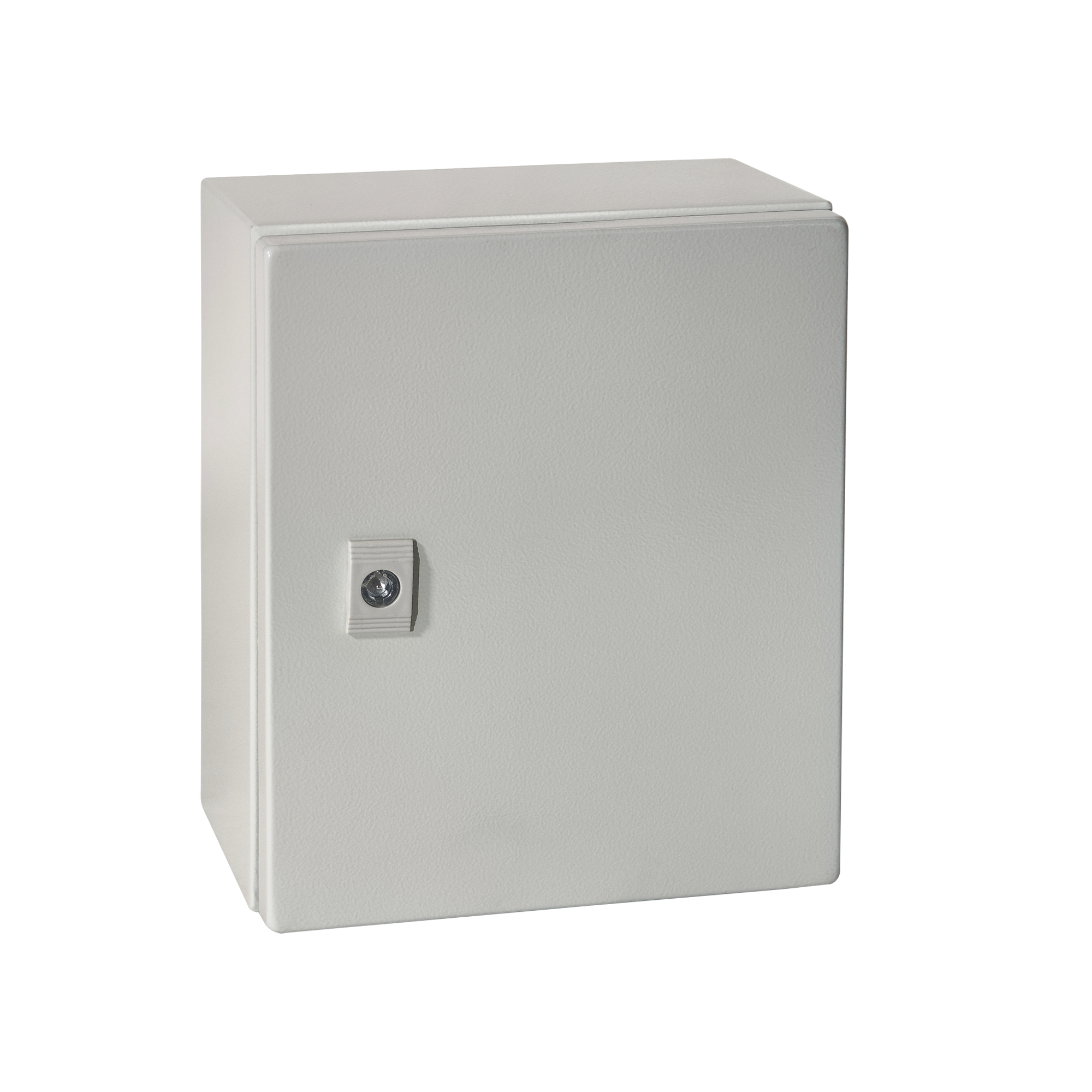
Selecting the right metal enclosure for EV charging piles requires careful consideration of environmental protection standards, material durability, and installation requirements. IP66-rated metal enclosures provide the essential weatherproof barrier that charging infrastructure demands, protecting sensitive electrical components from dust ingress and powerful water jets. The choice of metal enclosure directly impacts the longevity, safety, and maintenance requirements of your EV charging installation.
EV charging pile installations face unique challenges that standard electrical enclosures cannot adequately address. The combination of high-voltage electrical systems, exposure to extreme weather conditions, and the need for reliable 24/7 operation makes the selection of an appropriate metal enclosure a critical decision. Understanding the specific requirements for IP66 protection levels, material composition, and thermal management will ensure your charging infrastructure operates safely and efficiently for years to come.
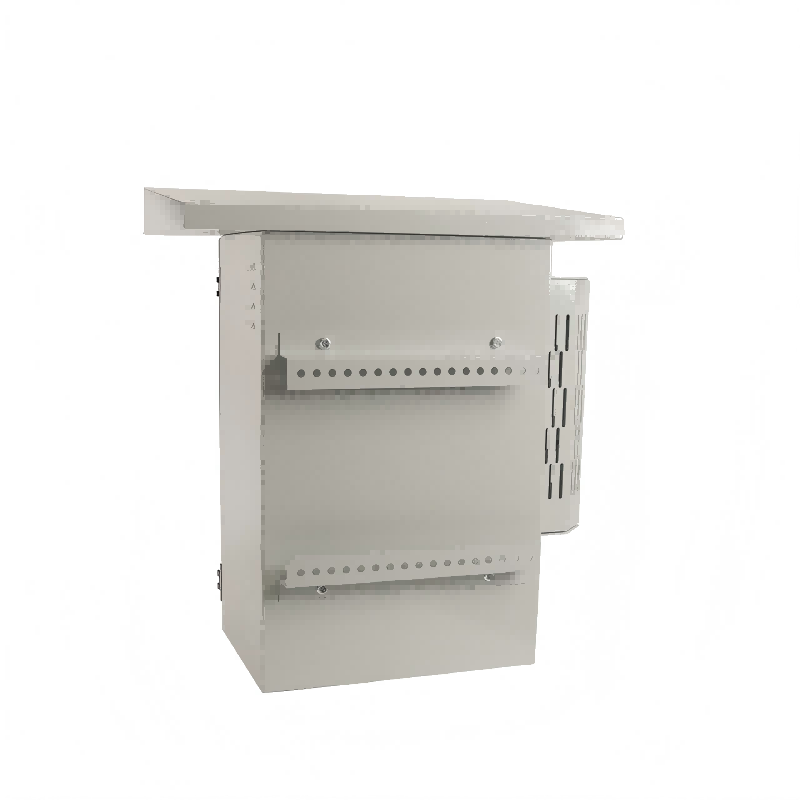
Understanding IP66 Protection Requirements for EV Charging Applications
Dust Protection Standards in Charging Environments
The first digit '6' in IP66 certification indicates complete protection against dust ingress, which is crucial for EV charging pile installations. Dust particles can accumulate on electrical contacts, create insulation breakdown paths, and interfere with cooling systems within the metal enclosure. Charging stations located in parking lots, roadside installations, and industrial areas face constant exposure to airborne contaminants including road dust, construction debris, and automotive emissions.
A properly sealed metal enclosure prevents these particles from reaching critical components such as contactors, control circuits, and power conversion modules. The sealing system must maintain its integrity across temperature fluctuations and mechanical stress from normal operation. Quality metal enclosures achieve this through precision-machined mating surfaces, continuous gasket systems, and secure locking mechanisms that maintain consistent compression on sealing elements.
The dust protection becomes particularly important in high-traffic areas where vehicle movement stirs up significant particulate matter. Industrial charging installations near manufacturing facilities or logistics centers face additional challenges from process-generated dust and debris. The metal enclosure design must account for these environmental factors while providing easy access for maintenance activities.
Water Protection Against Jets and Weather Exposure
The second digit '6' in IP66 certification ensures protection against powerful water jets from any direction, addressing the harsh weather conditions that outdoor charging infrastructure must withstand. EV charging piles encounter direct rainfall, snow accumulation, ice formation, and high-pressure washing during maintenance operations. The metal enclosure must prevent water penetration while allowing necessary ventilation for heat dissipation.
Effective water protection requires strategic design of cable entry points, ventilation systems, and access panels. Each penetration through the metal enclosure creates a potential failure point that must be properly sealed without compromising functionality. High-quality installations utilize specialized cable glands, breathable but waterproof vent filters, and hinged doors with multiple sealing stages.
The water jet protection standard simulates extreme conditions including pressure washing and storm-driven rain. This level of protection ensures that maintenance teams can clean charging stations using high-pressure water systems without risking electrical system damage. The metal enclosure must also handle rapid temperature changes that occur when hot surfaces encounter cold water, which can create thermal stress and compromise sealing systems.
Material Selection Criteria for Charging Pile Metal Enclosures
Corrosion Resistance and Environmental Durability
The choice of base metal and protective coatings significantly impacts the long-term performance of EV charging pile enclosures. Stainless steel offers excellent corrosion resistance but comes with higher material costs and potential challenges in electromagnetic shielding applications. Carbon steel with high-quality powder coating provides cost-effective protection while maintaining good mechanical properties and electromagnetic compatibility.
Aluminum alloys present an attractive option for metal enclosure applications due to their natural corrosion resistance and lightweight properties. However, aluminum requires careful consideration of galvanic compatibility with steel mounting hardware and copper electrical connections. The metal enclosure material must withstand exposure to road salt, automotive fluids, cleaning chemicals, and UV radiation without degrading over the expected service life.
Environmental factors such as coastal salt air, industrial pollutants, and extreme temperature cycling create additional demands on metal enclosure materials. The protective coating system must provide barrier protection while maintaining adhesion under thermal stress and mechanical abuse. Quality metal enclosures utilize multi-layer coating systems with corrosion-inhibiting primers, weather-resistant intermediate coats, and durable topcoats designed for outdoor exposure.
Thermal Management and Heat Dissipation Properties
EV charging piles generate significant heat during high-power charging operations, making thermal management a critical factor in metal enclosure selection. The enclosure material must efficiently conduct heat away from internal components while maintaining structural integrity under thermal cycling. Power electronics, transformers, and control systems all contribute to the internal heat load that the metal enclosure must manage.
Heat dissipation strategies include both passive and active approaches integrated into the metal enclosure design. Passive cooling relies on conductive heat transfer through the enclosure walls, convective air circulation, and radiant heat emission from external surfaces. The metal enclosure geometry, fin arrangements, and ventilation openings all contribute to thermal performance while maintaining IP66 protection levels.
Active cooling systems may incorporate forced air circulation, heat exchangers, or liquid cooling loops depending on power levels and environmental conditions. The metal enclosure must accommodate these systems while preserving weatherproof integrity and providing access for maintenance. Thermal analysis during the design phase ensures that component temperatures remain within acceptable limits across all operating conditions.
Mechanical Design Considerations for Installation and Maintenance
Structural Integrity and Mounting Requirements
EV charging pile installations require robust structural support to handle both operational loads and environmental forces. Wind loading, seismic activity, and potential vehicle impact scenarios all create mechanical demands on the metal enclosure system. The enclosure design must distribute these forces effectively while maintaining protection of internal equipment and preserving access for maintenance activities.
Foundation mounting systems must transfer loads from the metal enclosure to concrete pads or structural supports without creating stress concentrations that could compromise the enclosure integrity. Bolt patterns, reinforcement ribs, and mounting brackets require careful engineering to ensure long-term reliability. The metal enclosure structure must also accommodate thermal expansion without creating binding or stress that could affect sealing systems.
Vibration from nearby traffic, construction activity, and internal equipment operation can fatigue metal enclosure components over time. Quality designs incorporate vibration isolation, structural damping, and fatigue-resistant details to ensure reliable operation throughout the service life. The mounting system design must also consider accessibility for installation equipment and future removal if required.
Access Panel Design and Security Features
Maintenance access requirements significantly influence metal enclosure design for EV charging applications. Technicians must reach internal components safely while maintaining IP66 protection when the enclosure is closed. Access panels require multi-point locking systems, continuous gasket sealing, and hinge designs that support the weight of heavy doors without compromising alignment.
Security considerations include protection against vandalism, theft, and unauthorized access to high-voltage electrical systems. The metal enclosure design must incorporate tamper-evident features, secure locking mechanisms, and emergency access procedures for first responders. Lock systems should resist environmental exposure while providing reliable operation after extended periods between maintenance activities.
Internal layout design affects both maintenance efficiency and safety during service activities. Component arrangement, cable routing, and clearance requirements all impact the metal enclosure dimensions and access opening locations. The design must allow safe working conditions while minimizing the enclosure size and associated material costs.
Electrical Safety and EMC Considerations
Grounding and Electrical Continuity Requirements
Proper electrical grounding of the metal enclosure system ensures personnel safety and equipment protection in EV charging applications. The enclosure must provide a continuous conductive path to the electrical ground system while maintaining mechanical integrity under fault conditions. Grounding connections require protection from corrosion and mechanical damage that could compromise their effectiveness.
High-voltage DC charging systems create particular challenges for metal enclosure grounding design. Fault currents can be substantial, requiring robust grounding conductors and connections capable of handling these conditions without failure. The metal enclosure design must accommodate grounding connections at multiple points while maintaining weatherproof integrity and corrosion protection.
Electrical continuity between enclosure sections, access panels, and mounting hardware ensures effective grounding performance. Conductive gaskets, bonding jumpers, and corrosion-resistant hardware maintain electrical paths that could otherwise be interrupted by paint, coatings, or oxidation. The metal enclosure design must consider these requirements from initial fabrication through long-term service exposure.
Electromagnetic Compatibility and Shielding Performance
EV charging piles contain switching power electronics that generate electromagnetic interference requiring effective shielding within the metal enclosure design. High-frequency switching currents create electromagnetic fields that can interfere with nearby communication systems, vehicle electronics, and grid infrastructure. The metal enclosure provides the primary EMI containment barrier for these emissions.
Shielding effectiveness depends on the electrical continuity of the metal enclosure system including doors, panels, and cable entries. Gaps in the conductive barrier allow electromagnetic energy to escape, potentially causing interference with sensitive systems. Conductive gaskets, finger stock contacts, and careful attention to joint design maintain shielding performance while allowing necessary mechanical functions.
Cable entry points represent particular challenges for EMI containment in metal enclosure applications. Specialized cable glands with conductive elements, ferrite cores, and filtered feed-through connectors help maintain shielding integrity while allowing necessary connections. The metal enclosure design must accommodate these components while maintaining weatherproof protection and mechanical reliability.
FAQ
What makes IP66 protection necessary for EV charging pile metal enclosures?
IP66 protection provides complete dust sealing and protection against powerful water jets from any direction, which is essential for outdoor EV charging installations. Charging piles face constant exposure to road dust, automotive emissions, rain, snow, and high-pressure cleaning. The metal enclosure must prevent these contaminants from reaching sensitive electrical components while maintaining reliable operation in harsh environmental conditions.
How does metal enclosure material choice affect charging pile performance?
The metal enclosure material directly impacts corrosion resistance, thermal management, and long-term durability of EV charging installations. Stainless steel offers excellent corrosion resistance but higher costs, while carbon steel with quality coatings provides cost-effective protection. Aluminum alloys offer lightweight benefits but require careful consideration of galvanic compatibility. The material choice must balance performance requirements with budget constraints and maintenance considerations.
What structural considerations are important for charging pile metal enclosure mounting?
The metal enclosure structure must handle wind loads, seismic forces, thermal expansion, and potential vehicle impact while maintaining protection of internal equipment. Proper foundation mounting distributes forces without creating stress concentrations, and the design must accommodate vibration from traffic and internal equipment. Access requirements for installation and maintenance also influence structural design and mounting system selection.
How do EMC requirements influence metal enclosure design for EV charging applications?
EV charging piles contain switching power electronics that generate electromagnetic interference requiring effective containment within the metal enclosure. The enclosure provides EMI shielding through conductive continuity of all surfaces including doors, panels, and cable entries. Specialized components like conductive gaskets and filtered cable entries maintain shielding effectiveness while preserving mechanical functionality and weatherproof protection.
Table of Contents
- Understanding IP66 Protection Requirements for EV Charging Applications
- Material Selection Criteria for Charging Pile Metal Enclosures
- Mechanical Design Considerations for Installation and Maintenance
- Electrical Safety and EMC Considerations
-
FAQ
- What makes IP66 protection necessary for EV charging pile metal enclosures?
- How does metal enclosure material choice affect charging pile performance?
- What structural considerations are important for charging pile metal enclosure mounting?
- How do EMC requirements influence metal enclosure design for EV charging applications?