 EN
EN

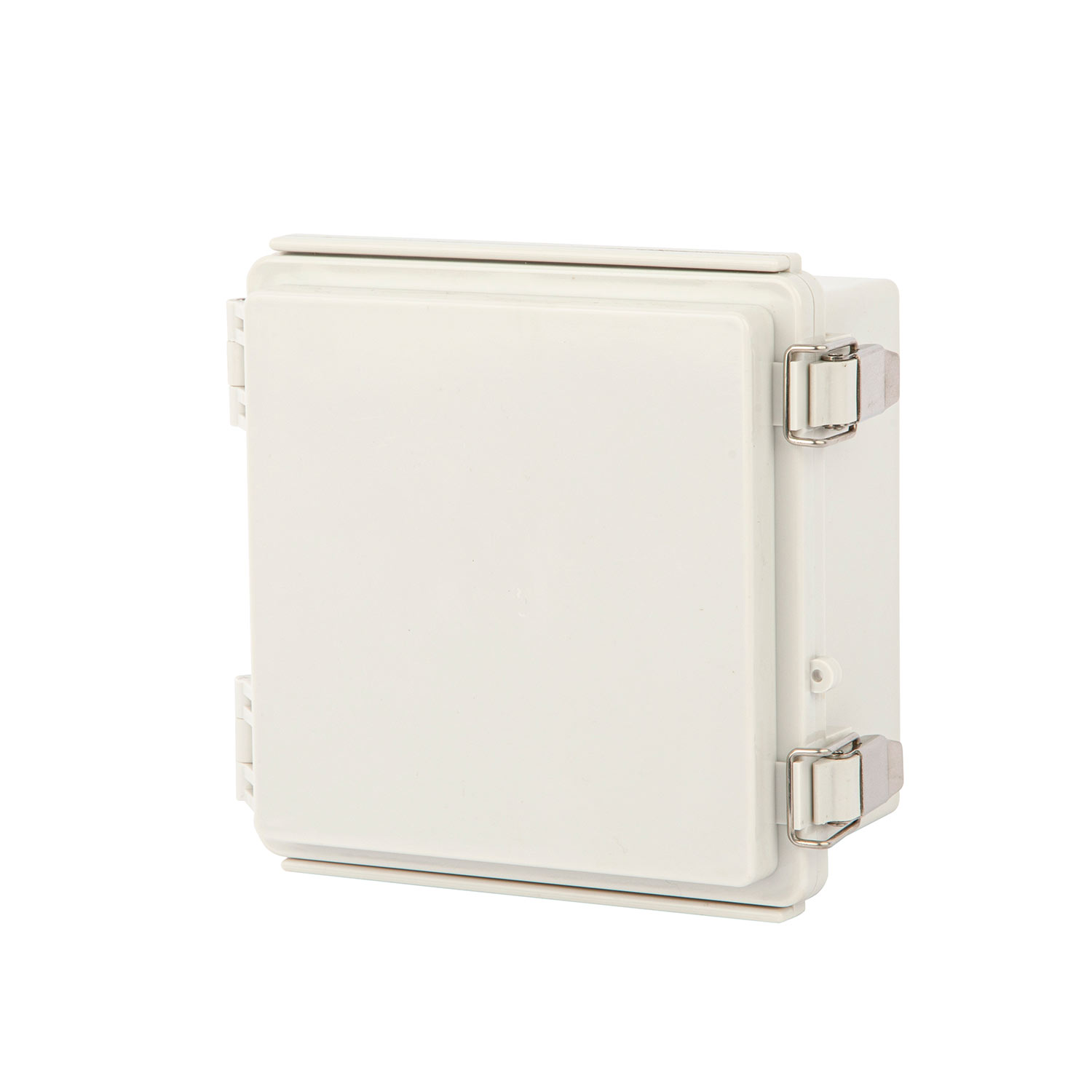
Choosing the right gasket material for a waterproof enclosure is one of the most consequential decisions in any electronics housing project. The gasket is the primary line of defense against moisture, dust, and contaminants, and its material directly determines how long the waterproof enclosure maintains its rated protection level. Silicone and polyurethane, commonly referred to as PU, are the two most widely used gasket materials in the industry. Each carries distinct advantages and limitations depending on the operating environment.
Understanding which gasket material lasts longer inside a waterproof enclosure requires looking beyond simple cost comparisons. The real answer depends on thermal exposure, chemical contact, mechanical cycling, and the expected service life of the waterproof enclosure in its specific application. This article breaks down the performance characteristics of silicone and PU gaskets so engineers and procurement teams can make a confident, evidence-based selection.
Material Properties That Drive Gasket Longevity
How Silicone Performs Inside a Waterproof Enclosure
Silicone gaskets are well known for their exceptional thermal stability. A silicone gasket inside a waterproof enclosure can typically withstand continuous operating temperatures ranging from negative 60 degrees Celsius to over 200 degrees Celsius without losing elasticity. This wide thermal range makes silicone gaskets a preferred choice when a waterproof enclosure is installed in environments with extreme heat cycles, such as outdoor industrial sites or automotive electronics compartments.
In addition to temperature resilience, silicone maintains its compression set resistance over many years. Compression set refers to the permanent deformation a gasket undergoes after prolonged compression inside a waterproof enclosure. A gasket with poor compression set recovery will eventually allow gaps to form at the seal interface, compromising the IP rating of the waterproof enclosure. Silicone resists this deformation effectively, which contributes directly to a longer functional service life in sealed housings.
How PU Performs Inside a Waterproof Enclosure
Polyurethane gaskets offer excellent mechanical toughness and abrasion resistance. When a waterproof enclosure is subject to physical stress, vibration, or repeated opening and closing cycles, PU gaskets can absorb mechanical energy without tearing. PU also bonds well to many substrate materials, making it a practical choice for waterproof enclosure designs where the gasket must adhere firmly to the lid or body channel.
However, PU has a narrower useful temperature window compared to silicone. Most standard PU gasket formulations are rated for continuous use between negative 30 and approximately 80 to 100 degrees Celsius. When a waterproof enclosure is deployed in high-temperature environments beyond this range, PU can harden, crack, or lose its elastic recovery. Moisture absorption is also a factor, as PU can absorb water over time, which gradually reduces its sealing performance in a waterproof enclosure exposed to sustained wet conditions.
Durability Factors Specific to Waterproof Enclosure Applications
UV Exposure and Outdoor Weathering
Outdoor waterproof enclosure installations face continuous UV radiation, ozone exposure, and temperature cycling. Silicone gaskets are inherently UV-stable and ozone-resistant, meaning they do not degrade or become brittle under prolonged sunlight exposure. A waterproof enclosure fitted with a silicone gasket can maintain a reliable seal for ten or more years in outdoor telecom, solar energy, or street lighting applications without requiring gasket replacement.
Standard PU formulations are more susceptible to UV degradation over time. The surface of a PU gasket inside an outdoor waterproof enclosure may yellow, crack, or lose flexibility when exposed to long-term UV radiation. Although UV-stabilized PU compounds exist, they still generally lag behind silicone in long-term outdoor weathering performance. For any waterproof enclosure destined for permanent outdoor installation, silicone gaskets offer a more durable and lower-maintenance solution.
Chemical Resistance and Industrial Environments
Chemical compatibility matters significantly when a waterproof enclosure is used in industrial, marine, or agricultural environments. Silicone gaskets resist many dilute acids, alkalis, and cleaning solvents, but they can swell or degrade when exposed to concentrated hydrocarbons or petroleum-based fluids. If a waterproof enclosure is mounted near fuel systems or hydraulic lines, silicone may not provide the chemical resistance needed.
PU gaskets, by contrast, offer stronger resistance to oils, greases, and many hydrocarbons. In a waterproof enclosure used within machinery or near lubricant-heavy environments, PU gaskets can outperform silicone by maintaining seal integrity under chemical exposure. The selection of gasket material for a waterproof enclosure should therefore always include a review of the chemical agents present in the deployment environment.
Selecting the Right Gasket Material for Your Waterproof Enclosure
Matching Material to Application Conditions
No single gasket material is universally superior for every waterproof enclosure application. Silicone is the stronger choice when the waterproof enclosure must perform across a wide temperature range, endure UV and ozone exposure, or operate for a decade or longer without maintenance access. Its low compression set and thermal stability make silicone gaskets the default recommendation for most standard outdoor and industrial waterproof enclosure installations.
PU gaskets are the better choice when a waterproof enclosure operates in a chemically aggressive or mechanically demanding environment where abrasion and impact resistance are priorities. If the waterproof enclosure will be accessed and resealed frequently by field technicians, PU's toughness and adhesion characteristics can reduce the risk of gasket displacement or tearing during routine maintenance cycles.
Evaluating Total Service Life Costs
Gasket replacement in a waterproof enclosure installed in a remote or difficult-to-reach location carries significant labor and downtime costs. Evaluating the total service life of a gasket material, rather than just its unit price, is critical for any waterproof enclosure deployed in infrastructure, energy, or telecommunications projects. Silicone gaskets typically offer a longer replacement interval under standard conditions, reducing total lifecycle costs for the waterproof enclosure over a ten to twenty-year installation period. PU may require more frequent inspection and replacement in UV-exposed or high-temperature waterproof enclosure environments, increasing the total cost of ownership over time.
FAQ
Which gasket material is better for an IP68-rated waterproof enclosure?
For most IP68-rated waterproof enclosure applications, silicone gaskets are preferred because of their superior compression set resistance and ability to maintain a reliable seal over long service periods. However, if the waterproof enclosure operates near oils or hydrocarbons, a PU gasket may provide better chemical resistance for that specific deployment.
Can a PU gasket lose its seal effectiveness in a waterproof enclosure over time?
Yes. PU gaskets inside a waterproof enclosure can gradually absorb moisture and harden when subjected to sustained UV exposure or high-temperature cycling. This degradation reduces their ability to maintain an airtight and watertight seal, so a waterproof enclosure using PU gaskets in demanding outdoor environments should be inspected periodically for gasket integrity.
How often should gaskets be replaced in a waterproof enclosure?
The replacement interval for gaskets in a waterproof enclosure depends on material type, operating conditions, and access frequency. Silicone gaskets in a controlled or standard outdoor waterproof enclosure may last ten years or more without replacement. PU gaskets in a similarly rated waterproof enclosure exposed to UV, heat, or chemicals may require inspection every three to five years to ensure the waterproof enclosure continues to meet its original IP protection specification.