 EN
EN

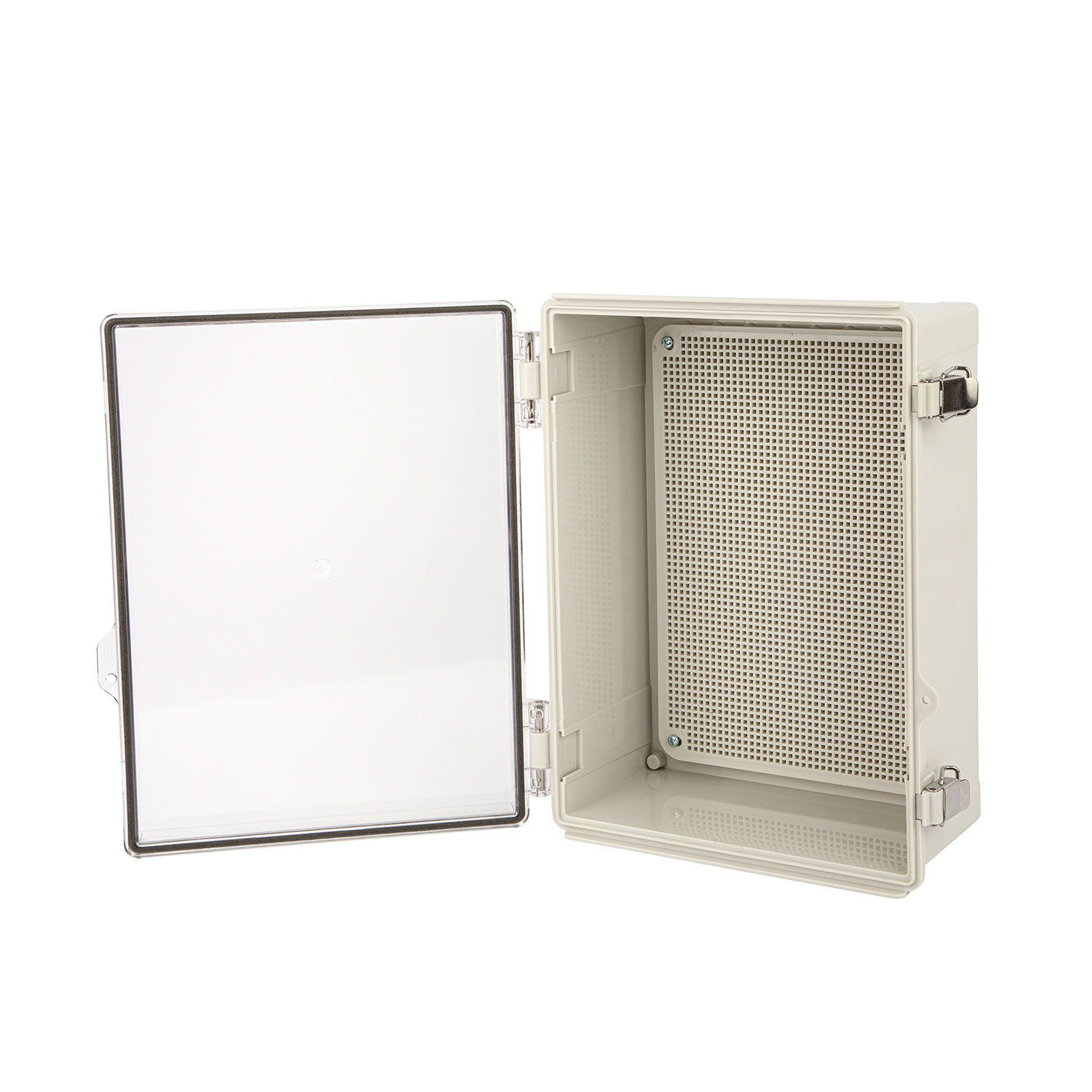
The photovoltaic industry is expanding at a remarkable pace in 2025, and with that growth comes an urgent need for reliable, high-performance protection hardware. A waterproof enclosure has become one of the most essential components in any solar energy installation, safeguarding sensitive electronics from moisture, dust, UV radiation, and extreme temperature shifts. As more installers, engineers, and procurement managers prioritize long-term system reliability, the demand for the right waterproof enclosure has never been stronger.
Choosing the correct waterproof enclosure for a photovoltaic application is not simply a matter of picking any sealed box. Solar environments expose hardware to relentless outdoor conditions across decades of operational life. The waterproof enclosure you select must meet strict ingress protection ratings, support thermal management, and remain mechanically robust under UV stress and physical impact. This article breaks down what makes a waterproof enclosure genuinely suitable for photovoltaic use, which design and material factors matter most, and what procurement professionals should prioritize when sourcing in 2025.
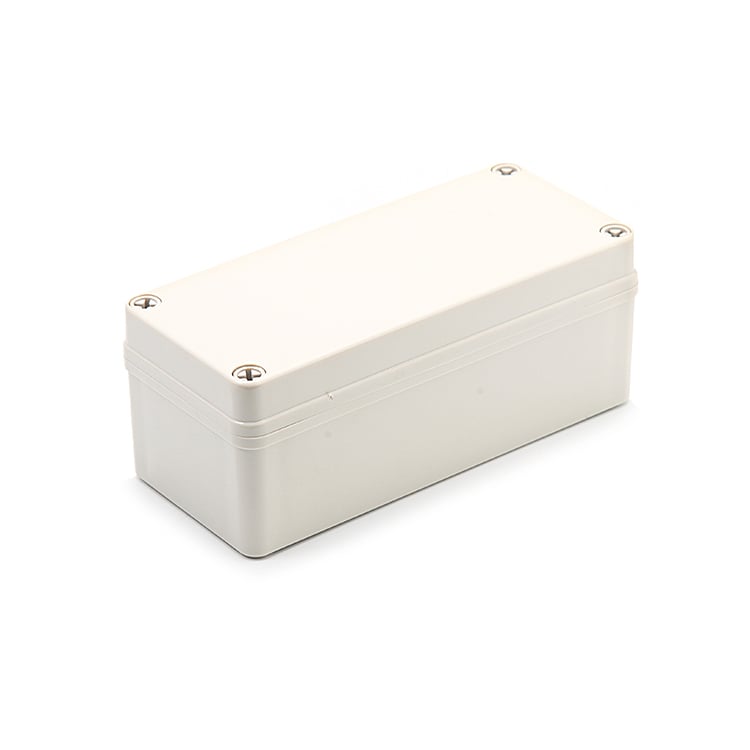
Why a Waterproof Enclosure Matters in Photovoltaic Systems
The Environmental Threat to Solar Electronics
Photovoltaic installations are exposed to some of the harshest environmental conditions found in any electrical application. Rain, condensation, sand, insects, and corrosive coastal air all threaten unprotected electronics. A properly rated waterproof enclosure creates a sealed barrier that prevents moisture ingress, which is the leading cause of premature failure in junction boxes, inverter housings, and combiner boxes. Without a dependable waterproof enclosure, even high-quality solar components can degrade in a fraction of their expected service life.
The financial stakes are significant. A failed waterproof enclosure in a commercial rooftop or ground-mount array can lead to arc faults, damaged wiring, and costly system downtime. Engineers specify a quality waterproof enclosure precisely because the cost of replacement and lost energy production far exceeds the upfront investment in better protection hardware. In 2025, buyers are increasingly aware of this value equation and are choosing a waterproof enclosure with IP67 or IP68 ratings as a baseline standard rather than a premium option.
How Ingress Protection Ratings Define Suitability
The IP rating system is the primary technical benchmark for any waterproof enclosure used outdoors. IP65 provides protection against water jets, while IP67 guarantees full immersion protection up to one meter for 30 minutes. For photovoltaic ground-mount systems in flood-prone areas, an IP68-rated waterproof enclosure offers the highest confidence. Understanding what each rating means allows specifiers to match the waterproof enclosure to the actual site risk, avoiding both under-specification and unnecessary cost.
Key Design Features of a High-Quality Waterproof Enclosure
Material Selection and UV Resistance
The material of a waterproof enclosure directly determines its lifespan in a solar application. ABS plastic is the most widely used material for a compact waterproof enclosure in photovoltaic systems because it offers an excellent balance of impact resistance, weight savings, and moldability. However, the ABS formulation must include UV stabilizers, otherwise prolonged sun exposure will cause the waterproof enclosure to become brittle, discolored, and prone to cracking. Polycarbonate and GRP variants offer additional strength for larger waterproof enclosure formats used in utility-scale installations.
A high-quality waterproof enclosure also relies on a precisely engineered gasket system. The silicone or EPDM gasket compresses uniformly when the lid is closed, maintaining an airtight and watertight seal across the full perimeter. Over time, seal compression set becomes a concern, so the gasket material and groove geometry of the waterproof enclosure must be designed for long-term elasticity. A waterproof enclosure with a poorly designed gasket will eventually allow moisture intrusion even if the housing material itself remains intact.
Thermal Management Inside a Waterproof Enclosure
Heat buildup is a well-known challenge inside any sealed waterproof enclosure used in sunny environments. Photovoltaic combiners and monitoring electronics generate internal heat while simultaneously absorbing solar radiation through the enclosure walls. A waterproof enclosure with a light-colored or UV-reflective surface finish can significantly reduce internal temperatures. Some waterproof enclosure designs incorporate ventilation valves with hydrophobic membrane filters, which allow air circulation without compromising the IP rating. Selecting a waterproof enclosure with thermal management features protects both the electronics and the seal integrity over the system's lifetime.
Procurement Criteria for Photovoltaic Waterproof Enclosures in 2025
Sizing, Mounting, and Cable Entry Options
A waterproof enclosure must physically accommodate all planned components with room for wiring and heat dissipation. Procurement teams evaluating a waterproof enclosure should confirm internal dimensions against the component layout, including terminal blocks, DIN rails, and any monitoring hardware. A waterproof enclosure that is too tightly packed creates maintenance difficulties and increases the risk of heat-related failures. For photovoltaic applications, a waterproof enclosure with pre-punched or knockoutready cable entry points simplifies installation and reduces field modification time.
Mounting flexibility is another practical criterion. A waterproof enclosure designed for pole mounting, wall mounting, or direct panel integration gives installers the flexibility to standardize across diverse project types. Cable glands used with the waterproof enclosure must also carry an appropriate IP rating to maintain the overall system protection level. Specifying a waterproof enclosure alongside compatible glands and mounting hardware from the same product family avoids compatibility gaps that can compromise seal performance.
Compliance, Certifications, and Long-Term Sourcing
In 2025, photovoltaic project developers and EPC contractors face growing scrutiny over component compliance. A waterproof enclosure used in grid-connected systems must comply with relevant standards such as IEC 62208 for empty enclosures or regional certification requirements. Procurement professionals should request test documentation confirming that the waterproof enclosure has been independently verified for its stated IP rating, UV durability, and operating temperature range. A waterproof enclosure supplier that provides full traceability and test certificates reduces project risk and simplifies commissioning audits.
Long-term availability is equally important when sourcing a waterproof enclosure for large or multi-phase projects. A waterproof enclosure model that will remain in production throughout a project's delivery schedule minimizes substitution risks and ensures consistent fit across all installation points. Building a supply relationship with a reliable waterproof enclosure manufacturer that supports consistent stock levels and responsive technical support gives procurement teams a significant operational advantage in fast-moving solar markets.
FAQ
What IP rating should a waterproof enclosure have for outdoor photovoltaic use?
For most outdoor photovoltaic applications, a waterproof enclosure rated at IP67 or higher is recommended. IP67 ensures full protection against dust and temporary water immersion, which covers the majority of rooftop and ground-mount solar environments. Sites with flooding risk or high-pressure wash-down exposure should consider an IP68-rated waterproof enclosure for added confidence.
Can a plastic waterproof enclosure handle prolonged UV exposure in solar installations?
Yes, a plastic waterproof enclosure can handle extended UV exposure provided it is manufactured with UV-stabilized ABS or polycarbonate material. Standard ABS without UV additives will degrade under direct sunlight over time. Always confirm that the waterproof enclosure you select includes UV stabilizers in the material specification and has been tested according to relevant weathering standards before deploying it in a photovoltaic system.
How do I ensure cable entries maintain the waterproof enclosure IP rating?
The overall IP rating of a waterproof enclosure is only maintained if all cable entries are sealed with appropriately rated cable glands. Each gland must carry an IP rating equal to or greater than the waterproof enclosure itself. Using correctly sized glands for each cable diameter, tightening them to the specified torque, and using gland plates matched to the waterproof enclosure are all essential steps to preserve the full ingress protection of the installation.