 EN
EN

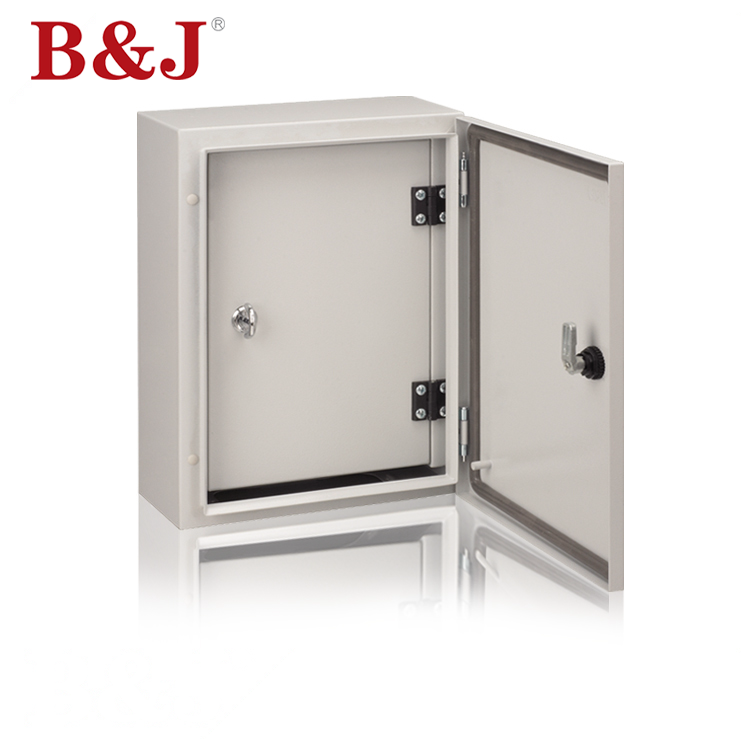
Choosing the right waterproof enclosure for an outdoor or industrial installation demands a clear understanding of IP ratings. IP stands for Ingress Protection, and each rating tells you precisely how well a waterproof enclosure resists both solid particles and liquid intrusion. When buyers see labels like IP65, IP66, or IP67, these are not just marketing terms. Each code reflects a standardized test result that determines whether a waterproof enclosure is suitable for a specific environment and level of exposure.
Understanding how each waterproof enclosure rating is tested and what real-world protection it provides will help engineers, procurement specialists, and facility managers make better decisions. This article breaks down the IP65, IP66, and IP67 ratings in practical terms, explains the physical tests behind each rating, and helps you match the correct waterproof enclosure specification to your installation requirements.
How IP Ratings Define a Waterproof Enclosure
The Structure of an IP Code
Every waterproof enclosure IP code consists of the letters 'IP' followed by two digits. The first digit represents protection against solid particles such as dust and debris, with ratings from 0 to 6. The second digit indicates water resistance, ranging from 0 to 9. For a waterproof enclosure rated IP65, IP66, or IP67, the first digit is always 6, meaning the enclosure is completely dust-tight. The difference between these three waterproof enclosure ratings lies entirely in the second digit and the water test it corresponds to.
A waterproof enclosure with a second digit of 5 resists water jets. A waterproof enclosure with a second digit of 6 resists powerful water jets. A waterproof enclosure with a second digit of 7 resists temporary submersion. Each step up represents a stricter physical test and a more demanding use case. When specifying a waterproof enclosure, matching the second digit to the actual environmental exposure is critical to long-term performance and equipment safety.
What the Tests Actually Measure
The IP rating test for a waterproof enclosure is conducted under controlled laboratory conditions defined by the IEC 60529 standard. For an IP65 waterproof enclosure, the test uses a 6.3mm nozzle projecting water from any direction for at least 15 minutes at a flow rate of 12.5 liters per minute. For an IP66 waterproof enclosure, the nozzle increases to 12.5mm, the pressure rises significantly, and the flow rate jumps to 100 liters per minute over a minimum of 3 minutes. For an IP67 waterproof enclosure, the test submerges the enclosure in 1 meter of water for 30 minutes to check for any intrusion. These tests give the waterproof enclosure its certified rating, and no ingress of harmful water is allowed during or after the test.
IP65 vs IP66 vs IP67 Waterproof Enclosure Applications
When an IP65 Waterproof Enclosure Is the Right Fit
An IP65 waterproof enclosure is suitable for environments exposed to low-pressure water jets and splashing. Outdoor signage cabinets, roadside control panels, and light industrial processing areas commonly use an IP65 waterproof enclosure. If the installation site experiences rain or occasional hose washdown but the enclosure is mounted overhead or away from direct high-pressure streams, an IP65 waterproof enclosure typically offers adequate protection. The key consideration is that an IP65 waterproof enclosure is not rated for sustained directional jets or immersion in water, so placement and mounting orientation matter when choosing this waterproof enclosure grade.
When to Choose an IP66 or IP67 Waterproof Enclosure
An IP66 waterproof enclosure is designed for harsher conditions, including food processing facilities, car wash environments, marine deck installations, and chemical plant exteriors. Anywhere that high-pressure hosing or steam cleaning occurs regularly demands an IP66 waterproof enclosure rather than an IP65. The heavier gasket design and tighter sealing of an IP66 waterproof enclosure handle the force of a powerful jet without allowing moisture penetration. An IP67 waterproof enclosure adds temporary submersion resistance, making it appropriate for flood-prone areas, irrigation control stations, underground junction boxes, and outdoor installations in regions with extreme rainfall. If there is any risk that a waterproof enclosure could become partially submerged during heavy weather, an IP67 waterproof enclosure is the safer engineering choice over an IP65 or IP66 waterproof enclosure.
Material and Design Factors in a Waterproof Enclosure
Stainless Steel vs Polycarbonate Waterproof Enclosure Construction
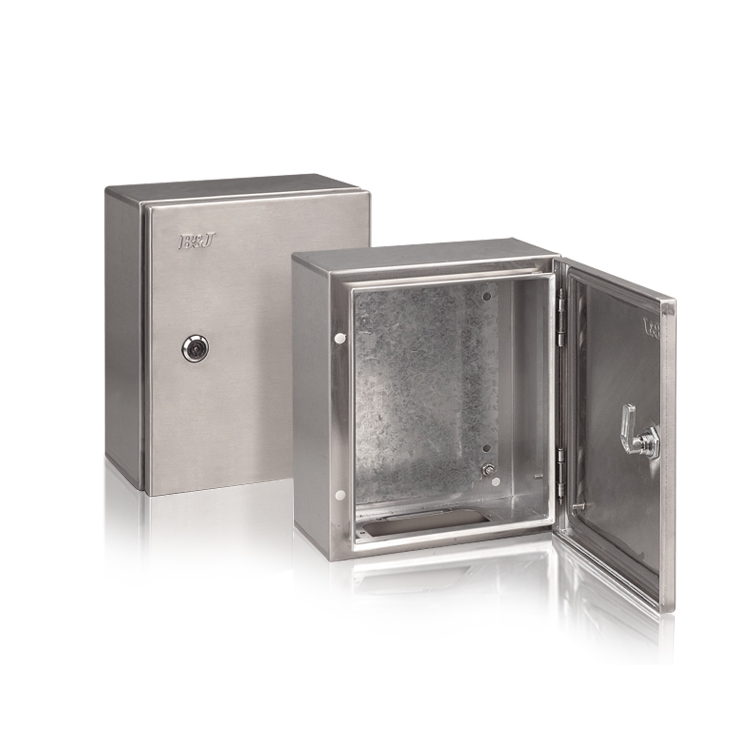
The physical material of a waterproof enclosure affects its durability, corrosion resistance, and long-term sealing performance. Stainless steel is widely chosen for an outdoor waterproof enclosure because it resists corrosion, UV exposure, and mechanical impact far better than standard mild steel. A stainless steel waterproof enclosure maintains its integrity in coastal, chemical, and high-humidity environments where surface rust could compromise the gasket seat and reduce protection. Polycarbonate is another common choice for a waterproof enclosure where lighter weight, transparency for indicator visibility, or non-conductive properties are required. Both materials can support IP66 or IP67 ratings when the waterproof enclosure is manufactured to the correct tolerances and fitted with continuous compression gaskets.
Gasket Quality and Its Role in Waterproof Enclosure Performance
The gasket is the most critical component determining whether a waterproof enclosure achieves its stated IP rating in real-world use. A silicone or EPDM perimeter gasket in a waterproof enclosure must maintain consistent compression across the full door or cover surface to prevent capillary water ingress. Over time, a poorly specified gasket in a waterproof enclosure can harden, shrink, or deform, effectively downgrading the protection level even if the enclosure body remains intact. Specifying a waterproof enclosure from a manufacturer that certifies gasket longevity and provides replacement gasket options is therefore an important aspect of lifecycle cost management for any waterproof enclosure installation.
FAQ
Can an IP66 waterproof enclosure also meet IP65 requirements?
Yes. IP ratings are cumulative for water protection in most testing standards. An IP66 waterproof enclosure has passed both the IP65 low-pressure jet test and the IP66 high-pressure jet test. Therefore, an IP66 waterproof enclosure is suitable for any application that requires IP65 protection, and it provides additional resistance to more powerful water exposure. When selecting a waterproof enclosure, specifying IP66 instead of IP65 generally provides a broader safety margin without a significant cost difference in most enclosure sizes.
Is an IP67 waterproof enclosure suitable for permanent underwater use?
No. An IP67 waterproof enclosure is rated only for temporary submersion up to 1 meter deep for a maximum of 30 minutes. It is not designed for continuous underwater installation. For permanent submerged applications, an IP68 waterproof enclosure is required, as it is tested against deeper and longer-duration immersion under conditions agreed between the manufacturer and the end user. If your application involves long-term submersion, specify an IP68 waterproof enclosure rather than an IP67 waterproof enclosure to avoid seal failure over time.
How do I verify that a waterproof enclosure has a genuine IP rating?
A genuine IP-rated waterproof enclosure should come with a third-party test certificate or a declaration of conformity referencing IEC 60529. Reputable waterproof enclosure manufacturers provide documentation that identifies the testing body, the specific test conditions, and the enclosure model tested. It is advisable to request this documentation before purchasing any waterproof enclosure for critical infrastructure, as self-declared ratings without independent verification carry a higher risk of non-compliance in demanding environments. Checking the waterproof enclosure datasheet for specific test conditions rather than only the IP code gives a more complete picture of real-world protection capability.