 EN
EN

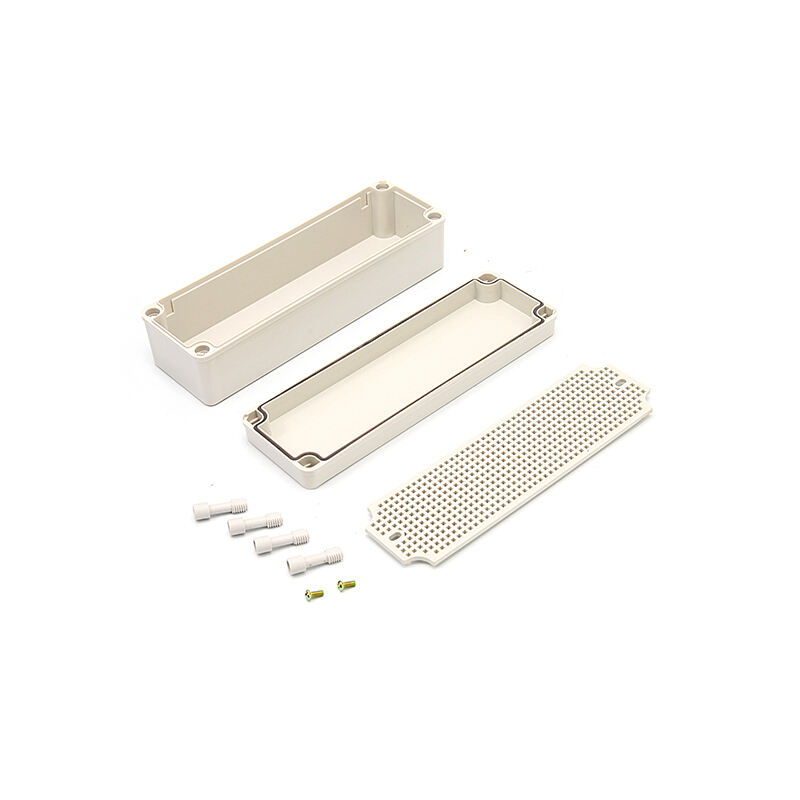
In 2025, selecting the right plastic enclosure for a solar garden light is no longer a cosmetic decision. It directly affects weather resistance, battery life, internal temperature stability, wiring safety, and long-term maintenance cost. When buyers ask for the top 10 options, they are usually asking which plastic enclosure profiles deliver dependable outdoor performance across different installation conditions, not which product has the loudest marketing claim. This guide explains the ten most practical plastic enclosure categories used in current projects and how each plastic enclosure type fits a specific operating context.
For B2B sourcing teams, product engineers, and OEM buyers, the best approach is scenario matching. A plastic enclosure that performs well for pathway bollards may fail on a pole-mounted floodlight with larger batteries and stronger heat cycles. So instead of treating every plastic enclosure as interchangeable, this article maps ten high-value enclosure formats to actual field requirements. It also shows where one well-specified plastic enclosure can reduce project risk in mixed climate deployments.
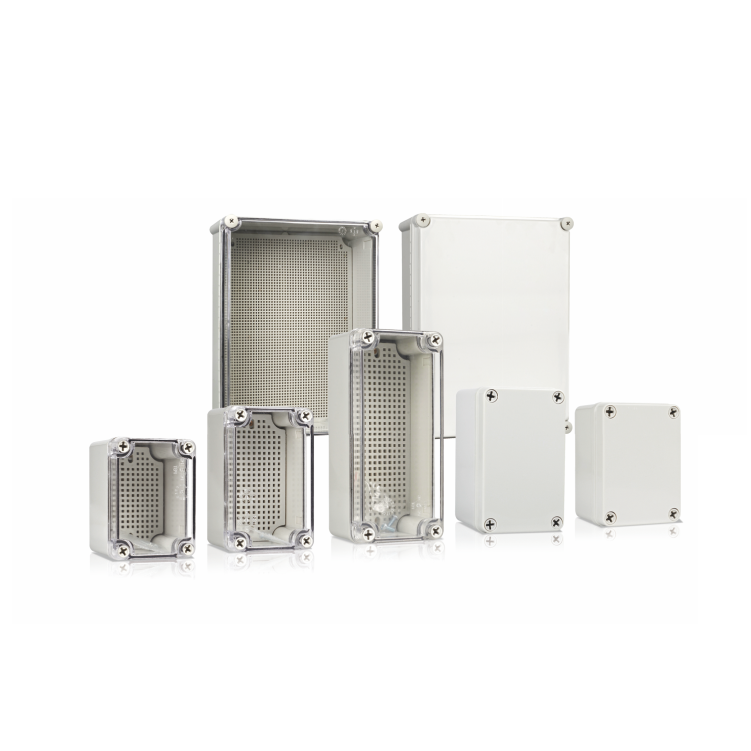
2025 Selection Logic Behind the Ten Leading Options
Why solar lighting teams still prioritize enclosure architecture first
In most failure investigations, the root issue is not the LED board but the plastic enclosure design around it. Moisture ingress, UV degradation, warping, and seal fatigue usually begin at the enclosure level. A solar fixture can use a capable controller and quality cell chemistry, yet still underperform if the plastic enclosure cannot maintain internal protection after repeated temperature cycling. This is why enclosure geometry now sits early in design reviews.
Another reason is lifecycle cost control. If a plastic enclosure supports stable sealing and easier service access, maintenance teams replace fewer full units and spend less time on site. In municipal, campus, and landscape projects, this compounds quickly across hundreds of poles and path lights. The top options in 2025 are chosen because each plastic enclosure profile aligns with a realistic maintenance strategy, not just initial assembly convenience.
How the top ten profiles are identified in practical procurement
The top ten are generally filtered by five criteria: ingress protection consistency, UV endurance, impact stability, thermal behavior, and cable entry integrity. A plastic enclosure that scores high in only one area rarely survives long outdoor duty. Teams therefore shortlist each plastic enclosure type by total operating balance and expected service interval. This approach avoids overpaying for unnecessary complexity while still protecting warranty outcomes.
These ten options are also separated by use case scale. Compact decorative units need a different plastic enclosure than integrated pathway luminaires with sensor modules. Mid-size designs often require a plastic enclosure with clean internal zoning for battery, PCB, and wiring. Larger modules need a plastic enclosure capable of structural support and repeated field opening without thread fatigue. The ranking logic is fit-by-scenario, not one-size-fits-all.
Top 10 Plastic Enclosure Formats Used for Solar Garden Lights
Compact sealed pod, low-profile rectangular, and dome cap formats
A compact sealed pod plastic enclosure is widely used for decorative garden lights with limited internal electronics. Its advantage is reduced seam length, which lowers leak pathways. A low-profile rectangular plastic enclosure is preferred where flat mounting and efficient board placement matter. It offers cleaner internal arrangement and easier gasket compression control than irregular shapes.
A dome cap plastic enclosure is common when rain shedding and visual blending are priorities. Because curved surfaces reduce standing water, this plastic enclosure format can improve seal longevity in humid regions. For projects with minimalist visual requirements, these three options often form the first tier of selection due to straightforward molding and stable field behavior.
Dual-chamber body, battery-isolated shell, and sensor-ready housing
Dual-chamber plastic enclosure layouts separate power electronics from battery space, reducing thermal interaction. This plastic enclosure style helps extend battery health when daytime charging produces internal heat. A battery-isolated shell plastic enclosure adds another layer of safety by limiting moisture transfer between compartments if one seal line weakens over time. These designs are increasingly common in premium outdoor kits.
Sensor-ready housing formats include dedicated windows or isolated pockets for motion or light sensing components. A sensor-capable plastic enclosure minimizes false readings caused by internal reflections or humidity fogging. For smart garden lighting where automation is central, this plastic enclosure category now ranks among the most requested because it supports reliable sensor behavior without complex retrofits.
Pole-mount junction style, deep-body serviceable, and modular snap-lock variants
Pole-mount junction plastic enclosure designs serve installations where cable routing and branch connections need secure outdoor protection. This plastic enclosure format supports cleaner integration in distributed lighting runs. A deep-body serviceable plastic enclosure is useful when technicians must replace drivers or connectors without removing the entire fixture body. It reduces service time and protects mounting integrity.
Modular snap-lock plastic enclosure systems are gaining traction for rapid assembly lines, especially in high-volume projects. When engineered correctly, this plastic enclosure can maintain strong sealing while reducing screw count and production variability. Together, these final three profiles complete the top ten set that procurement teams evaluate in 2025 for solar garden light programs.
Material and Sealing Factors That Decide Real Outdoor Performance
Polymer grade, UV package, and mechanical stability under weather stress
A plastic enclosure is only as reliable as its resin formulation and additive package. UV-stabilized compounds delay embrittlement, color shift, and micro-cracking under prolonged sun exposure. In hot-cold cycling, a plastic enclosure with weak dimensional stability can distort around screw bosses and gasket seats, eventually reducing ingress resistance. Material choice therefore remains central to long service life.
Impact behavior also matters in public landscapes and commercial walkways. A brittle plastic enclosure may survive lab handling but fail after incidental strikes, landscaping tools, or vandal contact. Engineers increasingly test each plastic enclosure under realistic handling and mounting loads before sign-off. This practical validation prevents expensive warranty patterns later in the deployment cycle.
Gasket interface, cable gland integrity, and ingress consistency
Most field leaks occur at interfaces, not panel centers. A plastic enclosure needs consistent gasket compression, controlled torque zones, and stable mating surfaces to preserve sealing over time. If the lid flexes unevenly, the plastic enclosure can pass initial inspection but degrade after thermal cycling. Design teams now favor geometries that keep pressure balanced along the full seal line.
Cable entry is another frequent weak point. A plastic enclosure with poor gland seating can wick moisture inward during heavy rain and condensation cycles. Reliable designs use reinforced entry zones and clean strain relief alignment. For solar garden lights exposed year-round, this aspect of the plastic enclosure often separates low-maintenance assets from recurring service cases.
Matching Enclosure Type to Solar Garden Light Application Scenarios
Pathway lights, decorative bollards, and landscape accent systems
For pathway and accent lighting, the ideal plastic enclosure usually balances compact footprint with dependable sealing. Decorative units benefit from a plastic enclosure that blends into the fixture profile while still allowing predictable thermal breathing. In low-power systems, internal organization can be simple, but the plastic enclosure must still protect terminals and charge components from moisture spikes.
Where visual appearance is critical, teams should avoid over-large housings that trap heat and complicate drainage. A right-sized plastic enclosure improves both aesthetics and reliability. In these scenarios, compact pod, dome cap, and low-profile rectangular designs remain practical leaders because each plastic enclosure type supports clean integration in small outdoor fixtures.
Smart sensor lighting, security perimeter zones, and mixed-climate projects
Smart-enabled lights need a plastic enclosure that supports communication modules and sensor isolation. A cramped housing can create signal interference zones or moisture-prone pockets. Choosing a sensor-ready plastic enclosure with deliberate internal partitioning improves both control accuracy and maintenance access. This is especially important when remote diagnostics are part of the operating model.
Security perimeter lighting and mixed-climate installations demand stronger structural and sealing margins. Here, a deeper or dual-chamber plastic enclosure often performs better due to better component separation and more stable interface geometry. In wet-cold and hot-humid regions, the same plastic enclosure must tolerate expansion cycles without losing seal pressure. Scenario matching is what turns a top ten shortlist into a successful long-term deployment.
FAQ
What makes a plastic enclosure suitable for solar garden lights in 2025?
A suitable plastic enclosure combines stable UV resistance, reliable ingress protection, and durable cable entry performance. It should also match the internal layout needs of the light, including battery and controller positioning. In 2025, buyers also expect a plastic enclosure that supports efficient maintenance rather than sealed-for-life assumptions that fail in real weather exposure.
How often should a plastic enclosure design be reviewed during product development?
A plastic enclosure should be reviewed at concept stage, prototype stage, and pre-mass-production validation. Early review checks fit and thermal behavior, while late review confirms sealing repeatability and assembly tolerance. For outdoor products, each plastic enclosure revision should include weather-cycle testing to verify long-term consistency, not just first-pass fit.
Can one plastic enclosure design work across all solar garden light types?
One plastic enclosure can sometimes cover multiple SKUs, but it rarely works equally well across every solar garden light format. Power class, sensor needs, and maintenance access vary too much. A modular strategy is usually better, where a base plastic enclosure family shares core dimensions while adapting compartment depth and interface details by application.
Is a higher protection rating alone enough when choosing a plastic enclosure?
No. A rating mark is useful, but long-term reliability depends on material quality, gasket design, cable gland stability, and assembly control. A plastic enclosure with strong documentation but weak real-world interface design can still fail. The best results come from combining rating targets with practical scenario testing before full-scale procurement.
Table of Contents
- 2025 Selection Logic Behind the Ten Leading Options
- Top 10 Plastic Enclosure Formats Used for Solar Garden Lights
- Material and Sealing Factors That Decide Real Outdoor Performance
- Matching Enclosure Type to Solar Garden Light Application Scenarios
-
FAQ
- What makes a plastic enclosure suitable for solar garden lights in 2025?
- How often should a plastic enclosure design be reviewed during product development?
- Can one plastic enclosure design work across all solar garden light types?
- Is a higher protection rating alone enough when choosing a plastic enclosure?