 EN
EN

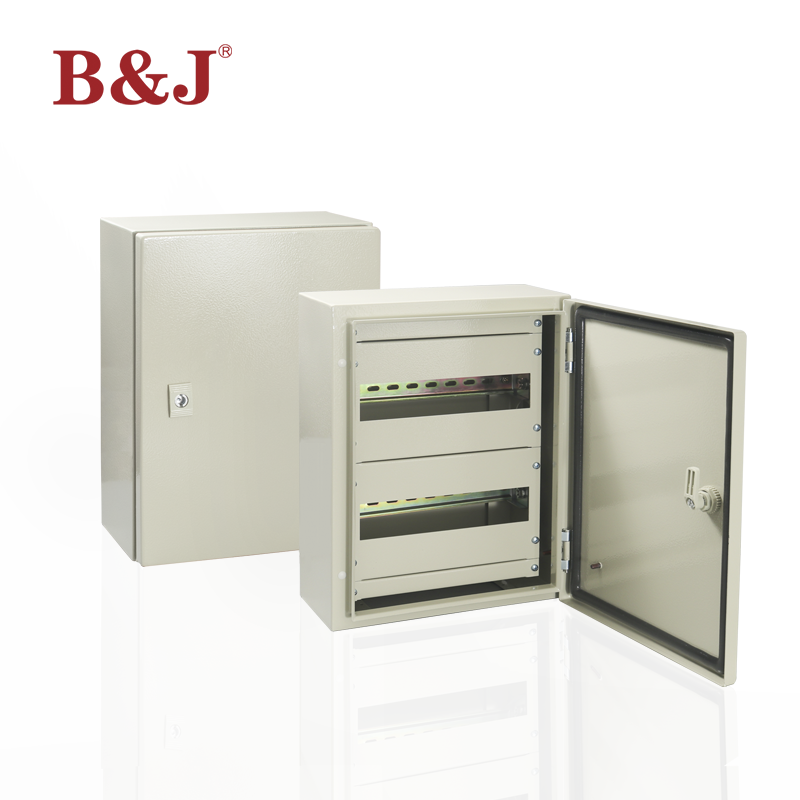
The global industrial enclosure market continues to experience unprecedented growth as manufacturers worldwide seek robust protection solutions for their electrical and electronic components. Modern industrial facilities require enclosures that can withstand harsh environmental conditions while maintaining optimal equipment performance. This surge in demand reflects the increasing complexity of industrial automation systems and the critical need for reliable equipment protection. Companies across diverse sectors are investing heavily in premium industrial enclosure solutions to ensure operational continuity and regulatory compliance.
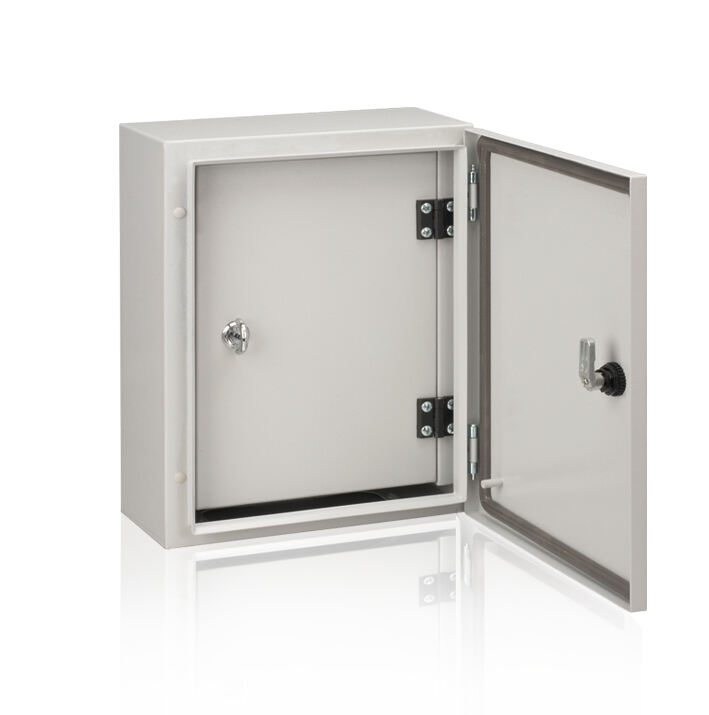
Key Specifications Driving Market Success
Protection Rating Standards
International protection ratings serve as the foundation for industrial enclosure selection, with IP66 and IP67 ratings dominating overseas markets. These ratings indicate superior protection against dust ingress and powerful water jets, making them ideal for harsh industrial environments. The IP66 rating specifically ensures complete dust-tight protection while withstanding high-pressure water streams from all directions. Manufacturing facilities in chemical processing, food production, and outdoor applications particularly value these protection levels. Advanced sealing technologies and precision manufacturing processes enable modern enclosures to achieve and maintain these rigorous protection standards consistently.
Temperature resistance specifications play an equally crucial role in overseas market success. Premium industrial enclosure models typically operate effectively within temperature ranges of -40°C to +80°C, accommodating diverse climate conditions across global markets. Material composition directly influences temperature performance, with stainless steel and specialized aluminum alloys offering superior thermal stability. Thermal expansion coefficients and heat dissipation capabilities become critical factors when selecting enclosures for temperature-sensitive applications. European and North American markets particularly emphasize temperature performance due to extreme seasonal variations.
Material Engineering Excellence
Stainless steel construction remains the gold standard for premium industrial enclosure applications, offering exceptional corrosion resistance and mechanical strength. Grade 316L stainless steel provides superior performance in marine and chemical environments, explaining its popularity in coastal industrial facilities. The material's inherent antimicrobial properties make it particularly valuable in pharmaceutical and food processing applications. Surface finishing techniques such as electropolishing enhance both aesthetic appeal and functional performance. Advanced welding technologies ensure seamless construction without compromising structural integrity or protection ratings.
Aluminum alloy alternatives provide excellent strength-to-weight ratios while maintaining competitive pricing structures. Specialized coating systems enhance aluminum's natural corrosion resistance, making it suitable for diverse industrial applications. Powder coating technologies offer extensive color options and additional environmental protection. Heat treatment processes optimize aluminum's mechanical properties for specific application requirements. The versatility of aluminum construction enables complex geometric designs that accommodate specialized mounting and access requirements.
Market Trends Shaping Global Demand
Automation Integration Requirements
The rise of Industry 4.0 technologies drives increasing demand for intelligent industrial enclosure solutions that accommodate advanced monitoring and control systems. Modern enclosures must integrate seamlessly with IoT sensors, communication modules, and diagnostic equipment without compromising protection levels. Cable management systems within enclosures have evolved to support high-density wiring harnesses and fiber optic connections. Ventilation systems now incorporate smart airflow management to maintain optimal operating temperatures for sensitive electronic components. These technological integrations require precise engineering to maintain ingress protection while enabling connectivity.
Modular design principles enable customizable industrial enclosure configurations that adapt to evolving automation requirements. Standardized mounting systems allow for rapid reconfiguration as production needs change. Interchangeable components reduce inventory requirements while maintaining system flexibility. Quick-access panels and tool-free maintenance features minimize downtime during system modifications. This modularity particularly appeals to overseas markets where rapid deployment and easy maintenance are priorities.
Sustainability Initiatives
Environmental consciousness significantly influences industrial enclosure purchasing decisions in developed markets. Manufacturers increasingly prioritize recyclable materials and sustainable production processes. Energy-efficient manufacturing techniques reduce the carbon footprint associated with enclosure production. Extended product lifecycles through durable construction minimize replacement frequency and environmental impact. Packaging innovations using biodegradable materials demonstrate comprehensive environmental commitment. These sustainability initiatives resonate strongly with European and North American industrial customers.
Circular economy principles drive development of refurbishment and recycling programs for end-of-life industrial enclosures. Component standardization facilitates material recovery and reuse opportunities. Disassembly-friendly designs enable efficient recycling processes. Material traceability systems ensure compliance with emerging environmental regulations. These initiatives create competitive advantages in markets with strict environmental compliance requirements.
Pricing Strategies for International Markets
Value-Based Pricing Models
Premium industrial enclosure manufacturers increasingly adopt value-based pricing strategies that emphasize total cost of ownership rather than initial purchase price. This approach accounts for factors such as maintenance requirements, operational reliability, and service life expectancy. Extended warranty programs and comprehensive service packages justify premium pricing positions. Performance guarantees provide additional value propositions that resonate with quality-conscious customers. Technical support services and application engineering assistance create differentiated value offerings.
Market segmentation enables tailored pricing strategies for different application sectors and geographic regions. High-tech industries typically accept premium pricing for advanced features and superior performance characteristics. Emerging markets may require more competitive pricing with carefully selected feature sets. Volume pricing structures accommodate large-scale projects while maintaining profitability. Flexible payment terms and financing options support customer acquisition in price-sensitive markets.
Competitive Positioning Strategies
Leading manufacturers differentiate their industrial enclosure offerings through comprehensive solution packages that extend beyond basic protection functions. Integration services, custom modification capabilities, and rapid delivery options create competitive advantages. Technical consultation services help customers optimize enclosure selection for specific applications. Quality certifications from recognized international bodies validate product performance claims. These positioning strategies justify premium pricing while building long-term customer relationships.
Brand reputation plays a crucial role in international market success, with established manufacturers leveraging their track records to command premium positions. Reference installations and case studies demonstrate proven performance in challenging applications. Industry partnerships and endorsements from major equipment manufacturers enhance credibility. Continuous innovation and product development maintain technological leadership positions. These reputation factors significantly influence purchasing decisions in risk-averse industrial applications.
Regional Market Preferences
European Market Requirements
European industrial customers prioritize compliance with stringent safety and environmental regulations when selecting enclosure solutions. CE marking requirements ensure products meet essential health, safety, and environmental protection standards. ATEX certification becomes mandatory for installations in potentially explosive atmospheres. RoHS compliance restricts hazardous substances in electrical equipment. These regulatory requirements create barriers for non-compliant products while favoring manufacturers with comprehensive certification programs.
Design aesthetics receive significant attention in European markets, where industrial enclosures must integrate harmoniously with facility architecture and corporate branding. Clean lines, professional finishes, and color coordination options appeal to design-conscious customers. Compact footprints minimize space requirements in crowded industrial facilities. Ergonomic access features improve operator safety and efficiency. These aesthetic considerations influence purchasing decisions alongside technical performance criteria.
North American Market Dynamics
North American customers typically emphasize rapid delivery capabilities and local service support when evaluating industrial enclosure suppliers. Just-in-time manufacturing practices require responsive supply chains and flexible delivery schedules. Regional distribution networks reduce lead times and transportation costs. Local technical support minimizes downtime during installation and maintenance activities. These service-oriented requirements favor suppliers with comprehensive North American presence.
Cost optimization remains a primary consideration in price-competitive North American markets. Value engineering services help customers balance performance requirements with budget constraints. Standardization programs reduce inventory complexity while maintaining functionality. Bulk purchasing agreements provide volume discounts for large organizations. These cost-focused strategies require efficient manufacturing processes and streamlined operations.
Technology Innovation Trends
Smart Monitoring Integration
Advanced sensor integration transforms traditional industrial enclosures into intelligent monitoring systems that provide real-time operational data. Temperature, humidity, and vibration sensors enable predictive maintenance programs. Door position monitoring and unauthorized access detection enhance security protocols. Environmental condition alerts prevent equipment damage and safety incidents. These smart features add significant value for customers implementing comprehensive facility management systems.
Wireless communication capabilities eliminate the need for extensive wiring while enabling remote monitoring and control functions. Battery-powered sensor systems provide installation flexibility in challenging locations. Cloud-based data platforms enable centralized monitoring of multiple installations. Mobile applications provide convenient access to system status and alerts. These connectivity features align with modern industrial digitization initiatives.
Advanced Manufacturing Techniques
Precision manufacturing technologies enable complex industrial enclosure geometries that optimize space utilization and functionality. CNC machining capabilities ensure dimensional accuracy and consistent quality. Laser cutting technologies provide clean edges and precise openings. Robotic welding systems deliver consistent joint quality and appearance. These advanced manufacturing techniques support customization requirements while maintaining production efficiency.
Quality control systems throughout the manufacturing process ensure consistent product performance and reliability. Automated inspection systems detect dimensional variations and surface defects. Environmental testing validates protection ratings and performance claims. Traceability systems track materials and processes for quality assurance. These quality initiatives build customer confidence and support premium market positioning.
Installation and Maintenance Considerations
Mounting System Flexibility
Modern industrial enclosure designs accommodate diverse mounting requirements through versatile attachment systems and hardware options. Wall mounting configurations maximize floor space utilization in compact facilities. Pole mounting systems suit outdoor and utility applications. Floor-standing options provide maximum accessibility for large equipment installations. Vibration isolation systems protect sensitive electronic components from mechanical disturbances.
Adjustable mounting brackets enable precise positioning and alignment during installation. Pre-drilled mounting holes simplify installation procedures and reduce labor costs. Standardized hardware specifications ensure compatibility with common mounting systems. Installation templates and guides facilitate accurate positioning. These installation features reduce deployment time and costs while improving system reliability.
Maintenance Access Features
Ergonomic access designs minimize maintenance time and improve technician safety during routine service activities. Removable panels provide convenient access to internal components without compromising enclosure integrity. Hinged doors with stay-open mechanisms enable hands-free maintenance procedures. Internal lighting systems improve visibility during maintenance activities. These access features reduce maintenance costs and improve system availability.
Tool-free maintenance features eliminate the need for special equipment during routine service procedures. Quarter-turn fasteners enable rapid panel removal and installation. Captive hardware prevents loss of small components during maintenance. Color-coded components simplify identification and reduce errors. These maintenance-friendly features appeal to customers focused on operational efficiency and reduced total cost of ownership.
FAQ
What protection rating should I choose for my industrial enclosure application
The appropriate protection rating depends on your specific environmental conditions and application requirements. IP66 ratings provide excellent protection for most industrial applications, offering complete dust protection and resistance to powerful water jets. For more severe conditions involving temporary submersion, IP67 or IP68 ratings may be necessary. Consider factors such as exposure to chemicals, temperature extremes, and mechanical impacts when making your selection. Consulting with enclosure specialists can help identify the optimal protection level for your specific application.
How do material choices affect industrial enclosure performance and cost
Material selection significantly impacts both performance characteristics and pricing of industrial enclosures. Stainless steel offers superior corrosion resistance and mechanical strength but typically commands premium pricing. Aluminum alloys provide excellent strength-to-weight ratios at more competitive price points. Carbon steel with protective coatings offers cost-effective solutions for less demanding environments. Consider factors such as environmental exposure, mechanical requirements, and budget constraints when evaluating material options.
What customization options are available for industrial enclosure solutions
Most reputable manufacturers offer extensive customization capabilities to meet specific application requirements. Common modifications include custom dimensions, specialized mounting configurations, additional access panels, and integrated cable management systems. Ventilation options, heating elements, and environmental controls can be incorporated as needed. Color and finish options allow coordination with facility aesthetics. Custom labeling and hardware specifications accommodate unique operational requirements.
How can I ensure reliable supplier performance for international industrial enclosure purchases
Reliable supplier selection requires careful evaluation of manufacturing capabilities, quality systems, and service support. Verify relevant certifications and compliance with applicable standards for your market. Request references from similar applications and conduct supplier audits when possible. Evaluate technical support capabilities, delivery performance, and after-sales service offerings. Establish clear specifications and acceptance criteria in purchase agreements to ensure satisfactory performance.
Table of Contents
- Key Specifications Driving Market Success
- Market Trends Shaping Global Demand
- Pricing Strategies for International Markets
- Regional Market Preferences
- Technology Innovation Trends
- Installation and Maintenance Considerations
-
FAQ
- What protection rating should I choose for my industrial enclosure application
- How do material choices affect industrial enclosure performance and cost
- What customization options are available for industrial enclosure solutions
- How can I ensure reliable supplier performance for international industrial enclosure purchases