 EN
EN

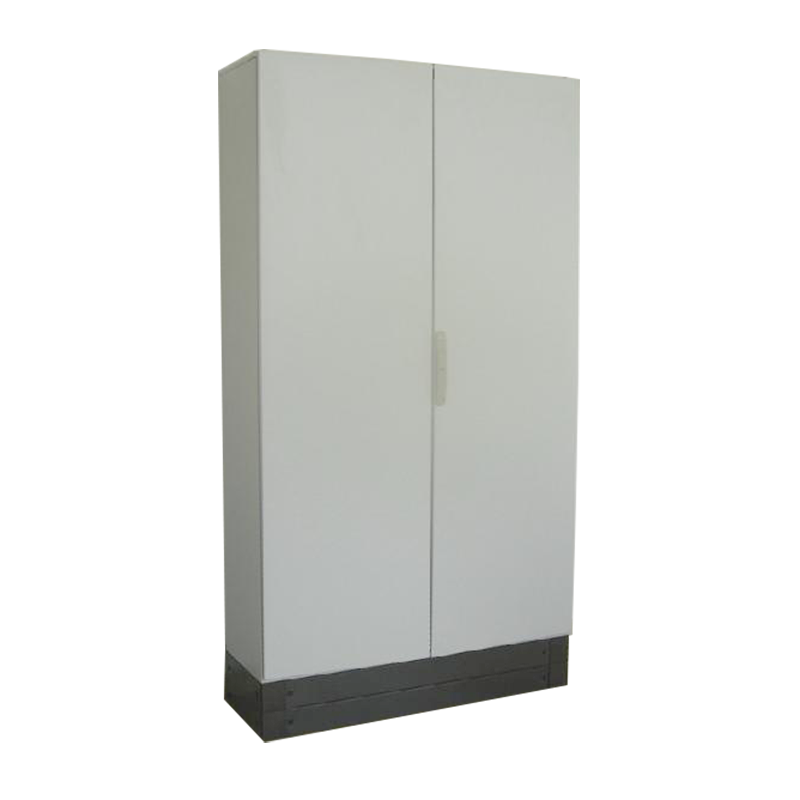
Designing an efficient electrical cabinet layout requires careful planning, technical expertise, and adherence to industry standards. A well-designed electrical cabinet serves as the nerve center of electrical systems, housing critical components while ensuring safety, accessibility, and optimal performance. Modern industrial facilities depend on properly configured electrical cabinets to maintain reliable power distribution, protect sensitive equipment, and facilitate maintenance operations.
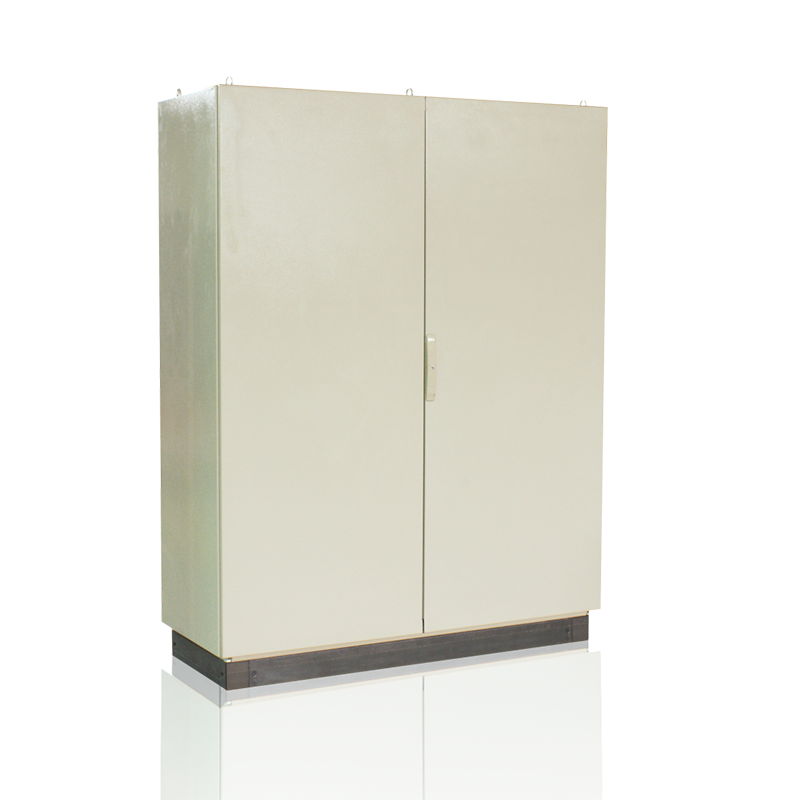
The foundation of any successful electrical installation begins with understanding the specific requirements of the application. Whether dealing with motor control centers, power distribution panels, or automation systems, each electrical cabinet must be tailored to meet operational demands while maintaining compliance with relevant electrical codes and standards.
Planning and Design Fundamentals
Load Analysis and Power Requirements
Before designing any electrical cabinet, conducting a comprehensive load analysis forms the cornerstone of the entire project. This process involves calculating the total power consumption of all connected devices, determining peak demand periods, and accounting for future expansion needs. Engineers must consider both steady-state loads and transient conditions that may occur during equipment startup or fault scenarios.
Power requirements extend beyond simple kilowatt calculations to include considerations for power factor correction, harmonic distortion, and voltage regulation. Modern electrical systems often incorporate variable frequency drives, switched-mode power supplies, and other non-linear loads that can significantly impact overall system performance. Proper load analysis ensures that the electrical cabinet can handle these challenges effectively.
Documentation of load analysis should include detailed spreadsheets showing individual circuit requirements, diversity factors, and safety margins. This information becomes invaluable during the design phase and serves as a reference for future modifications or troubleshooting activities.
Space Optimization and Component Arrangement
Efficient space utilization within an electrical cabinet requires strategic component placement that balances accessibility, heat dissipation, and electromagnetic compatibility. Primary components such as main breakers, contactors, and control transformers should be positioned to minimize wire runs and facilitate easy maintenance access. Heat-generating components like motor starters and power supplies need adequate spacing and ventilation to prevent thermal issues.
The arrangement of components should follow a logical hierarchy, with high-voltage sections clearly separated from low-voltage control circuits. This separation not only enhances safety but also reduces the potential for electromagnetic interference that could affect sensitive control equipment. Terminal blocks and junction points should be strategically located to minimize wire lengths while maintaining organized cable routing.
Modern electrical cabinet design often incorporates modular approaches that allow for standardized component mounting and simplified assembly processes. This methodology reduces manufacturing time, improves quality consistency, and facilitates future modifications or upgrades to the system.
Safety Standards and Code Compliance
National and International Standards
Compliance with established electrical standards ensures both safety and legal conformity for electrical cabinet installations. The National Electrical Code provides comprehensive guidelines for electrical installation practices in the United States, while international standards such as IEC 61439 govern switchgear and controlgear assemblies globally. Understanding these standards is crucial for proper electrical cabinet design and implementation.
Key safety requirements include proper grounding systems, adequate short-circuit protection, and appropriate clearance distances between energized components. Arc flash considerations have become increasingly important, requiring specific labeling, personal protective equipment specifications, and incident energy calculations. These requirements directly influence cabinet layout and component selection decisions.
Regular updates to electrical codes necessitate ongoing education and awareness among design professionals. Changes in standards often reflect lessons learned from field experiences and technological advances, making compliance an evolving responsibility rather than a one-time requirement.
Environmental and Installation Considerations
Environmental factors significantly impact electrical cabinet design and performance characteristics. Temperature extremes, humidity levels, corrosive atmospheres, and vibration conditions all influence material selection and protection requirements. NEMA and IP ratings provide standardized classifications for enclosure protection levels, helping designers select appropriate cabinet specifications for specific applications.
Installation location affects cabinet accessibility, ventilation requirements, and maintenance procedures. Indoor installations may prioritize space efficiency and aesthetics, while outdoor applications demand enhanced weather protection and temperature management systems. The choice between wall-mounted, floor-standing, or freestanding configurations depends on available space, load requirements, and maintenance considerations.
Seismic considerations have become increasingly important in many regions, requiring special mounting systems and component securing methods. These requirements can significantly influence cabinet design and installation procedures, particularly for critical infrastructure applications.
Component Selection and Integration
Primary Protection and Control Devices
Selecting appropriate protection devices forms the backbone of any reliable electrical cabinet design. Circuit breakers, fuses, and protective relays must be coordinated to provide selective fault clearing while maintaining system stability. This coordination requires detailed analysis of fault currents, time-current characteristics, and system impedances to ensure proper operation under all conditions.
Motor protection devices require special consideration due to the unique characteristics of motor starting and running conditions. Thermal overload relays, motor circuit protectors, and soft starters or variable frequency drives each serve specific functions in protecting and controlling motor loads. The integration of these devices within the electrical cabinet requires careful coordination to ensure optimal performance.
Modern protection systems often incorporate digital relays and communication capabilities that enable remote monitoring and control functions. These advanced features require additional considerations for communication wiring, network security, and system integration protocols.
Control Systems and Human-Machine Interfaces
Integration of control systems within electrical cabinets has evolved significantly with advances in programmable logic controllers, human-machine interfaces, and industrial networking technologies. These systems require careful consideration of mounting locations, cable routing, and environmental protection to ensure reliable operation in industrial environments.
Human-machine interfaces must be positioned for optimal operator access while maintaining appropriate safety clearances from energized components. Screen visibility, button accessibility, and emergency stop functions all influence the physical layout of control components within the electrical cabinet. Ergonomic considerations become particularly important for frequently operated equipment.
Communication networks within electrical cabinets require specialized cable management systems to prevent interference and ensure reliable data transmission. Separation of power and communication cables, proper grounding techniques, and surge protection devices all contribute to system reliability and performance.
Installation and Commissioning Best Practices
Assembly and Wiring Techniques
Proper assembly techniques ensure both safety and long-term reliability of electrical cabinet installations. Wire management systems, including wire ducts, cable trays, and tie points, help maintain organized installations that facilitate troubleshooting and maintenance activities. Color-coding schemes for different voltage levels and circuit types provide visual identification that enhances safety and reduces errors.
Torque specifications for electrical connections play a critical role in preventing loose connections that could lead to equipment failure or safety hazards. Regular torque verification during assembly and periodic maintenance helps ensure continued reliability throughout the electrical cabinet's service life. Documentation of torque values and connection details supports quality assurance processes.
Testing procedures during assembly verify proper wiring connections, insulation integrity, and component functionality before energizing the electrical cabinet. These tests include continuity checks, insulation resistance measurements, and functional verification of protective devices and control circuits.
Testing and Validation Procedures
Comprehensive testing protocols validate electrical cabinet performance and safety characteristics before placing equipment into service. Primary injection testing of protective relays ensures proper operation and coordination, while secondary injection testing verifies control circuit functionality. These tests require specialized equipment and trained personnel to conduct safely and effectively.
Documentation of test results provides baseline information for future maintenance and troubleshooting activities. Test reports should include measured values, acceptance criteria, and any deviations or corrective actions taken during the commissioning process. This documentation becomes particularly valuable for warranty claims and regulatory compliance demonstrations.
Performance verification under actual operating conditions may reveal issues not apparent during bench testing. Load testing, thermal imaging, and vibration analysis help identify potential problems before they result in equipment failures or safety incidents.
Maintenance and Troubleshooting Strategies
Preventive Maintenance Programs
Effective preventive maintenance programs extend electrical cabinet service life while reducing unplanned downages and safety risks. Regular inspection schedules should include visual examinations, thermal imaging surveys, and electrical testing of critical components. These activities help identify developing problems before they result in equipment failures.
Cleaning procedures for electrical cabinets must balance thoroughness with safety considerations. Dust accumulation, particularly in areas with high ambient temperatures, can lead to component overheating and premature failure. Proper cleaning techniques and materials help maintain optimal operating conditions without introducing additional risks.
Record keeping for maintenance activities provides valuable trend information that can guide future maintenance decisions and equipment replacement planning. Digital maintenance management systems facilitate data collection and analysis while ensuring compliance with regulatory requirements.
Common Issues and Resolution Methods
Troubleshooting electrical cabinet problems requires systematic approaches that prioritize safety while efficiently identifying root causes. Common issues include loose connections, component degradation, and environmental contamination. Each of these problems requires specific diagnostic techniques and corrective measures.
Thermal problems often manifest gradually, making regular thermal imaging surveys valuable for early detection. Hot spots may indicate loose connections, overloaded circuits, or component deterioration. Addressing these issues promptly prevents more serious failures and potential safety hazards.
Control system malfunctions may result from software issues, communication problems, or hardware failures. Systematic troubleshooting approaches help isolate problems to specific components or subsystems, reducing downtime and repair costs.
FAQ
What are the key factors to consider when sizing an electrical cabinet
The primary factors for electrical cabinet sizing include total load requirements, component dimensions, heat dissipation needs, and future expansion capacity. Engineers must calculate the physical space required for all components while allowing adequate clearances for maintenance access and heat removal. Safety standards also specify minimum spacing requirements between components and from cabinet walls.
How do environmental conditions affect electrical cabinet design
Environmental conditions significantly influence material selection, ventilation requirements, and protection levels for electrical cabinets. Factors such as temperature extremes, humidity, corrosive atmospheres, and vibration all impact design decisions. NEMA and IP ratings help specify appropriate protection levels, while special materials and coatings may be required for harsh environments.
What safety precautions are essential during electrical cabinet maintenance
Essential safety precautions include proper lockout/tagout procedures, use of appropriate personal protective equipment, and verification of de-energized conditions before beginning work. Arc flash hazard analysis and proper PPE selection based on incident energy calculations are critical for personnel safety. Proper grounding and isolation procedures prevent accidental energization during maintenance activities.
How often should electrical cabinets undergo inspection and testing
Inspection frequency depends on operating environment, application criticality, and manufacturer recommendations. General guidelines suggest annual comprehensive inspections with quarterly visual checks for most applications. Critical systems may require more frequent attention, while less critical applications might extend intervals. Thermal imaging surveys every six months help identify developing problems early, while electrical testing intervals vary based on specific component requirements and industry standards.